Arnham
We didn’t wake to find ourselves moored in Arnham this morning as the water levels were too low. Instead the boat moored in Untrect and we were bussed the short distance to the lovely town of Arnham.
Arnhem is a beautiful city, but it is also a place where history is never very far away. Its position on the Rhine has made it strategically important for centuries, but for most visitors the name Arnhem is forever linked with one particular event: the Battle of Arnhem in September 1944.
As part of Operation Market Garden, the Allies attempted to seize a series of bridges across the Netherlands and open a route
into Germany. Arnhem was the final and most ambitious objective. The plan was for British airborne troops to capture the bridge over the Rhine and hold it until ground forces could fight their way north to reinforce them.
It didn't go according to plan.
The bridge we now know as the John Frost Bridge became the centre of some of the fiercest fighting. Lieutenant Colonel John Frost and around 740 men of the 2nd Battalion, Parachute Regiment, managed to reach the northern end of the bridge on 17 September 1944. They were expecting the rest of the British 1st Airborne Division and the advancing ground forces to arrive within a couple of days. Instead, they found themselves isolated and heavily outnumbered.
Frost's men held their position for several days against repeated German attacks, tanks and artillery. They were eventually forced to
surrender after running desperately short of ammunition and supplies. The rest of the British airborne division fought on around Oosterbeek before being evacuated across the Rhine.
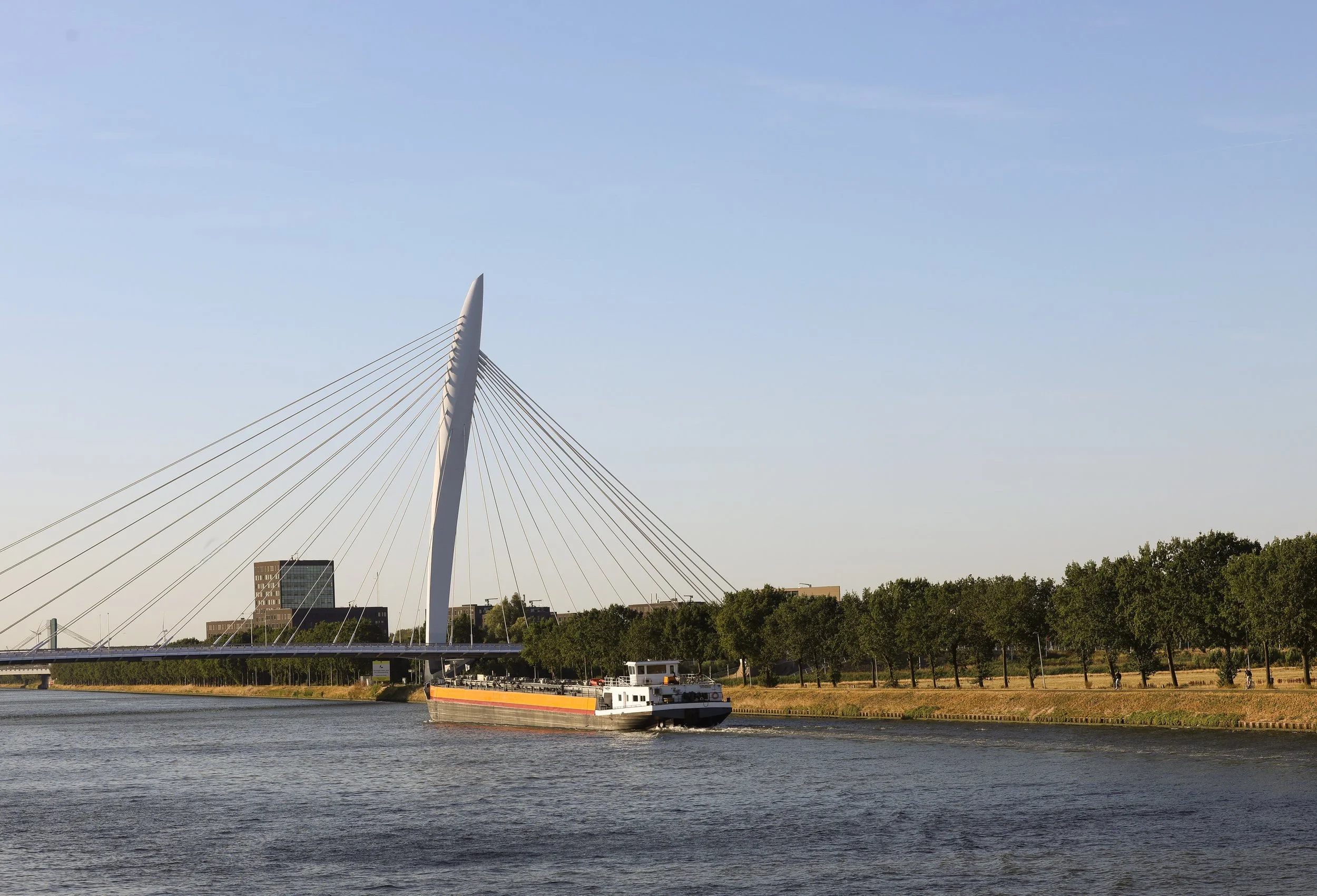
The bridge itself survived the battle, although it was subsequently destroyed by Allied bombing in October 1944 to prevent the Germans using it to move reinforcements. A replacement bridge was eventually built, and in 1977 it was officially renamed the John Frost Bridge in honour of the officer who had led the defence.
The story was later immortalised in the 1977 film A Bridge Too Far, although, somewhat ironically, the Arnhem scenes involving
the bridge were actually filmed in Deventer, where another bridge looked sufficiently similar for the movie cameras.
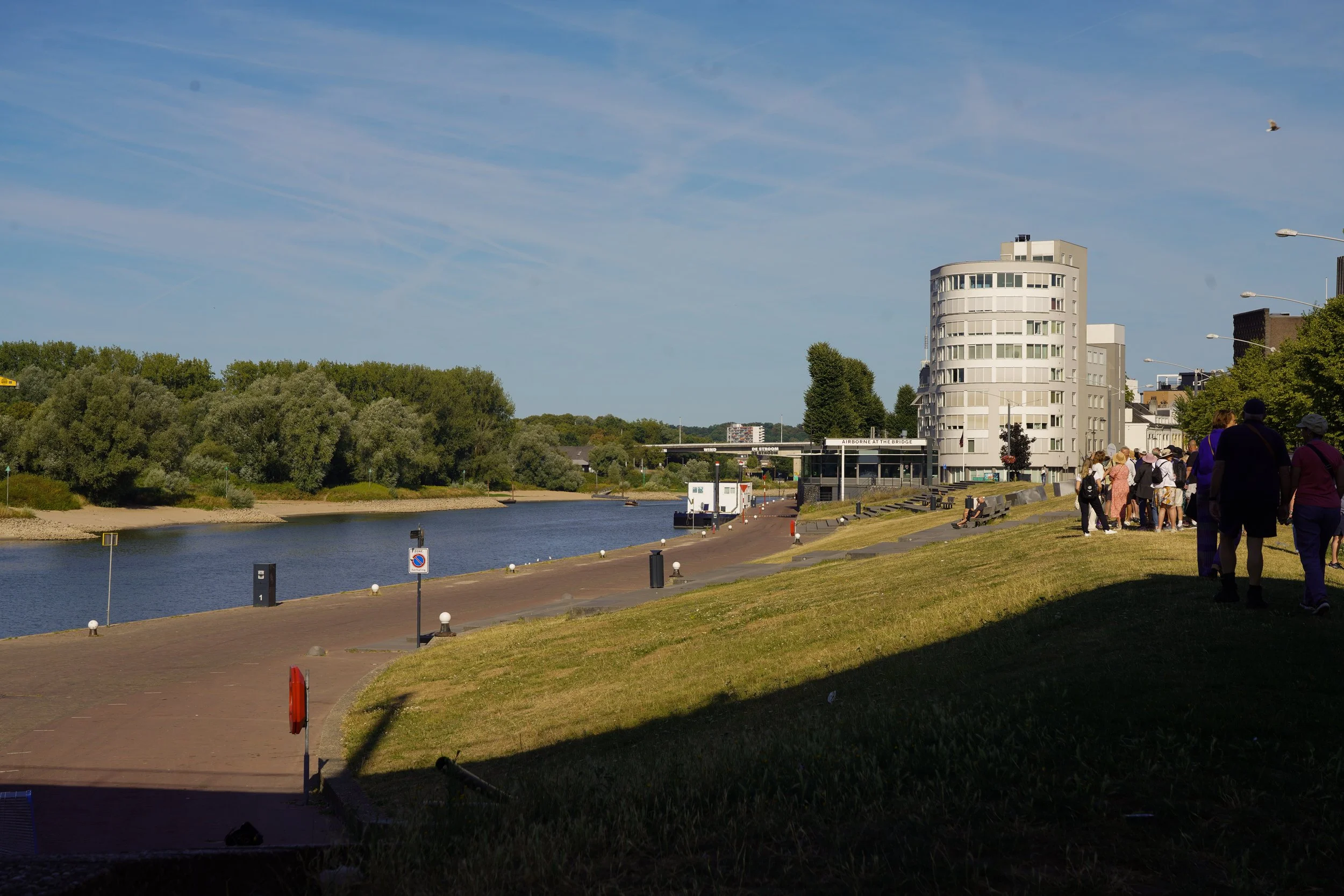
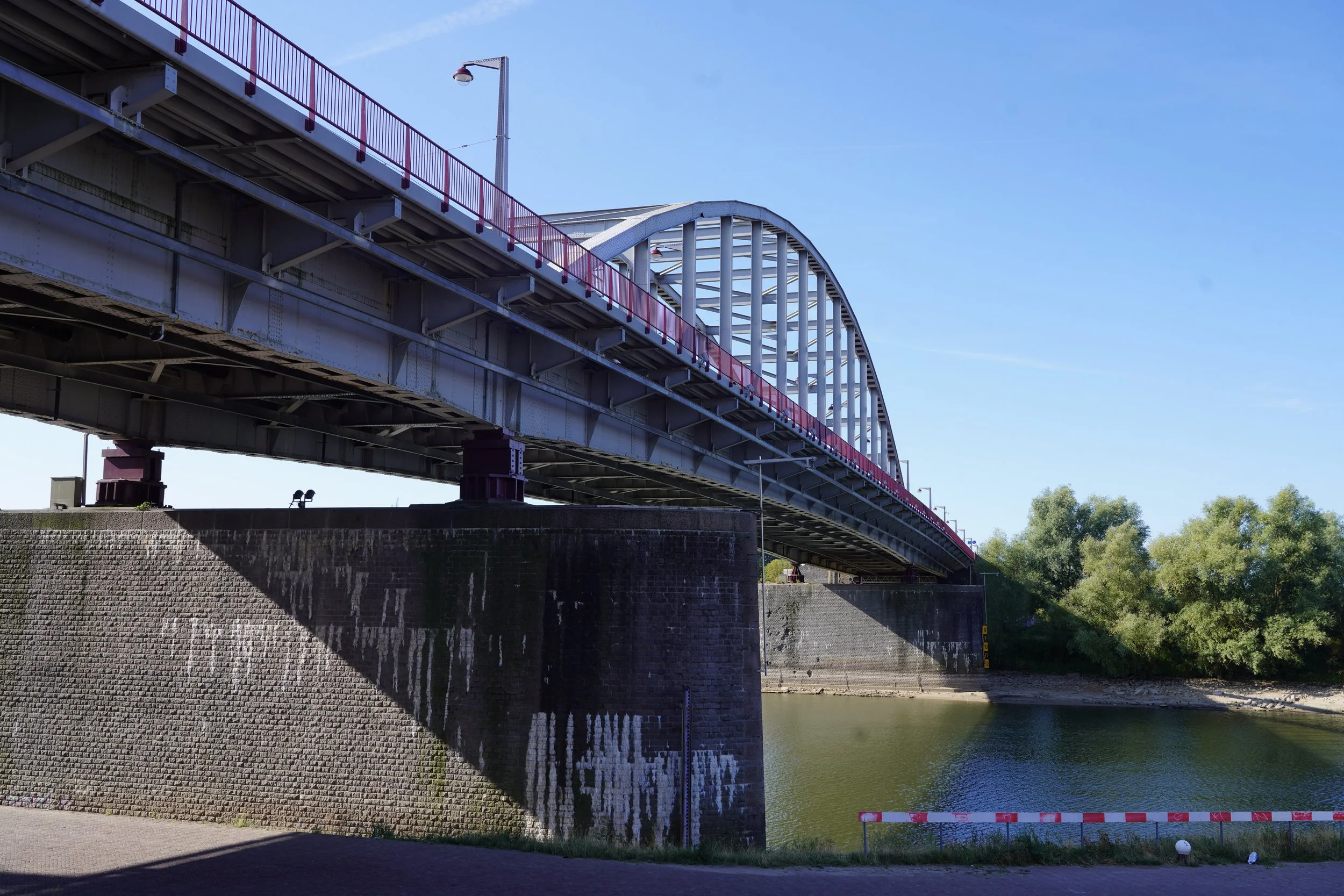
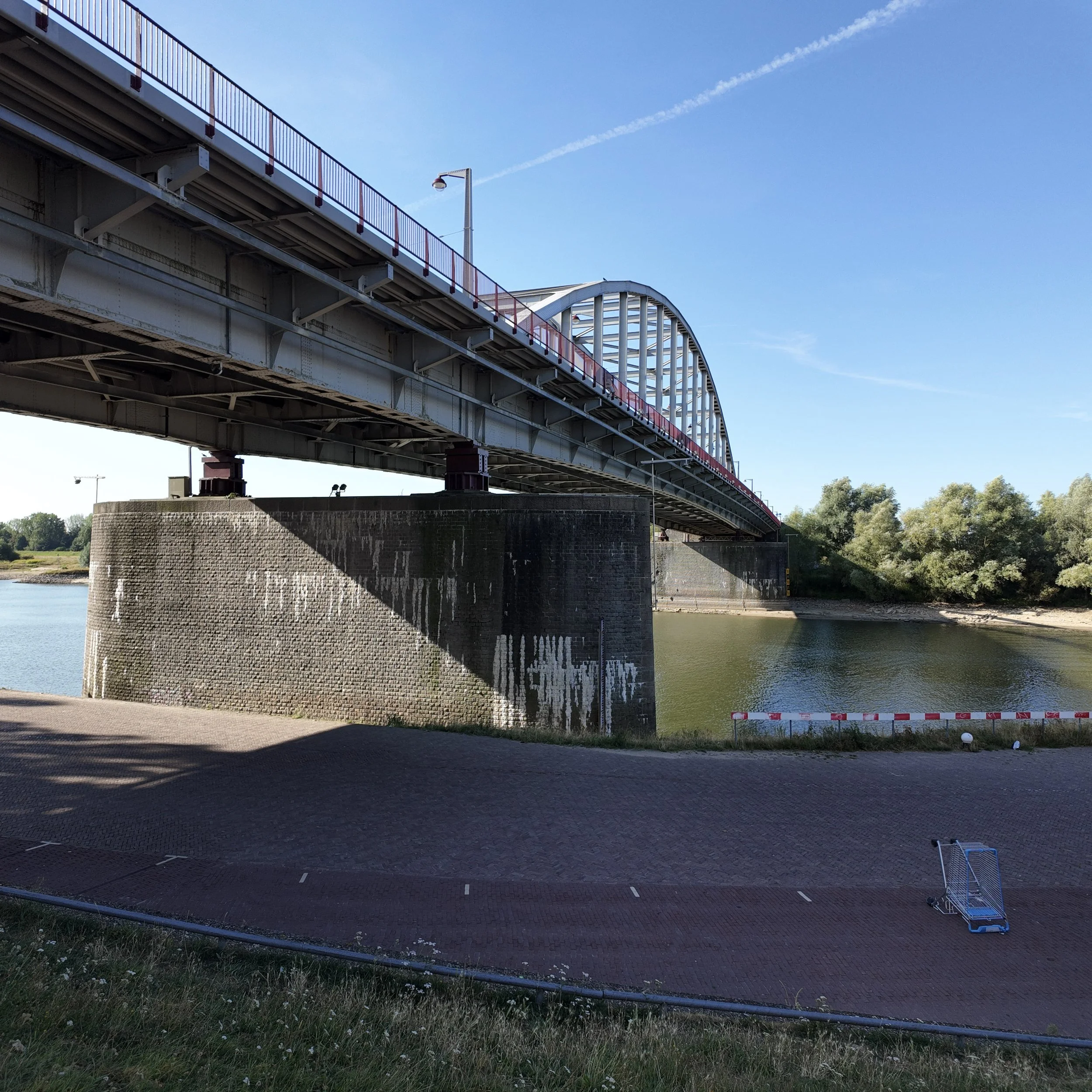
Standing in Arnhem and knowing what had happened here gave the city a very different feeling. It's difficult to look at the Rhine and the bridge today and imagine the chaos of September 1944 — the parachutes in the sky, troops fighting their way through the streets and the desperate attempt to hold the bridge long enough for help to arrive.
With that sobering piece of history in mind, we continued our walk through the city with Concetta.
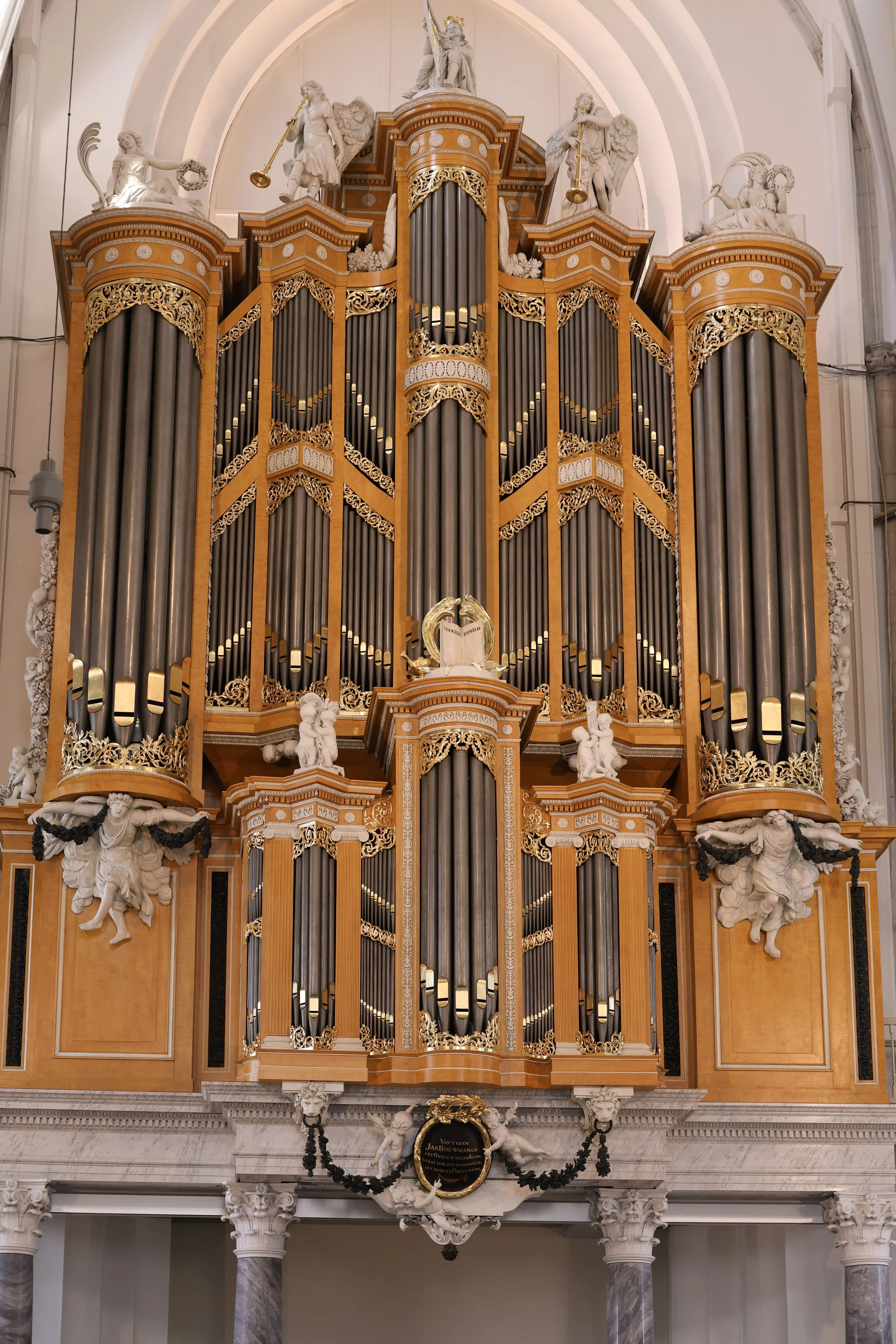
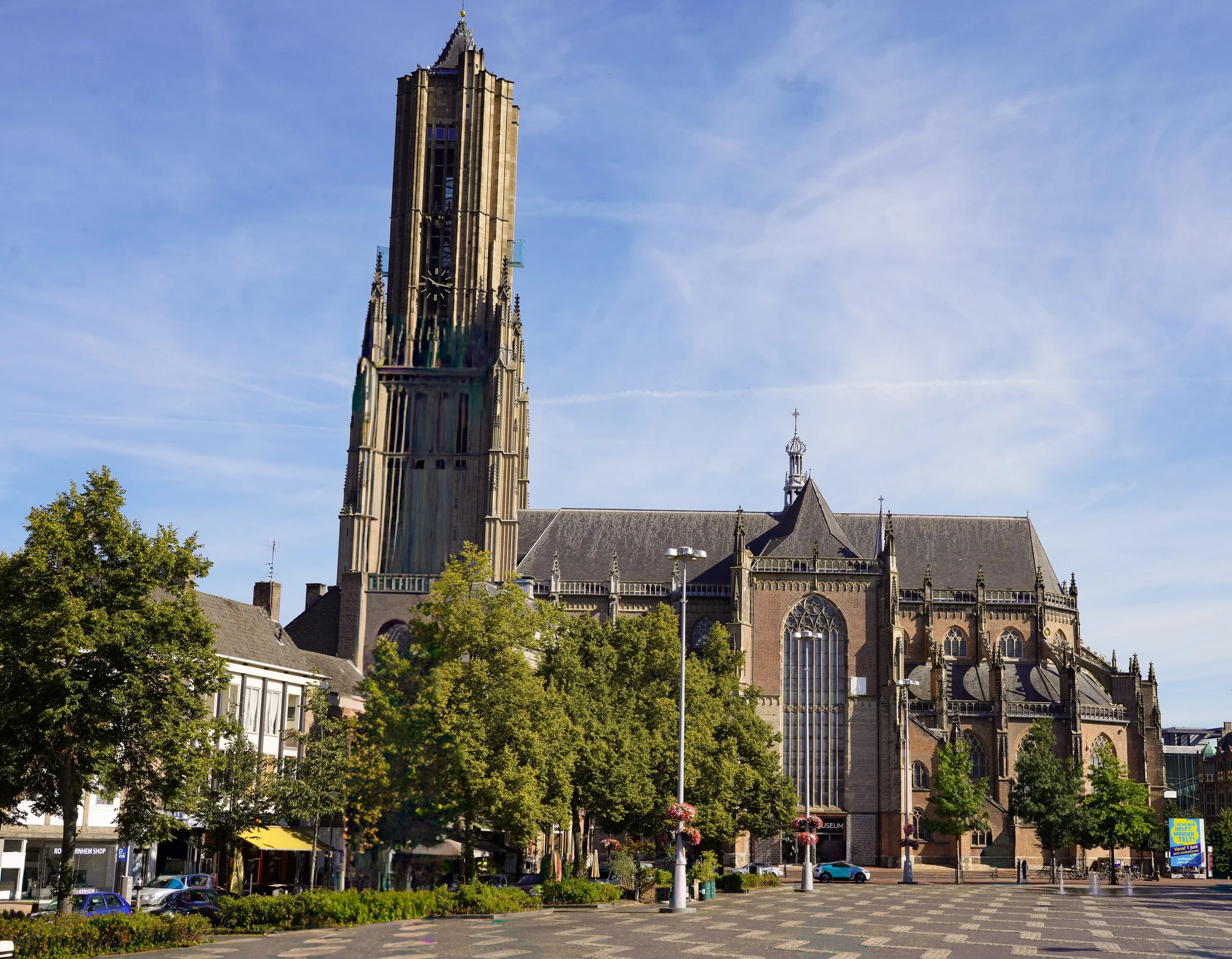
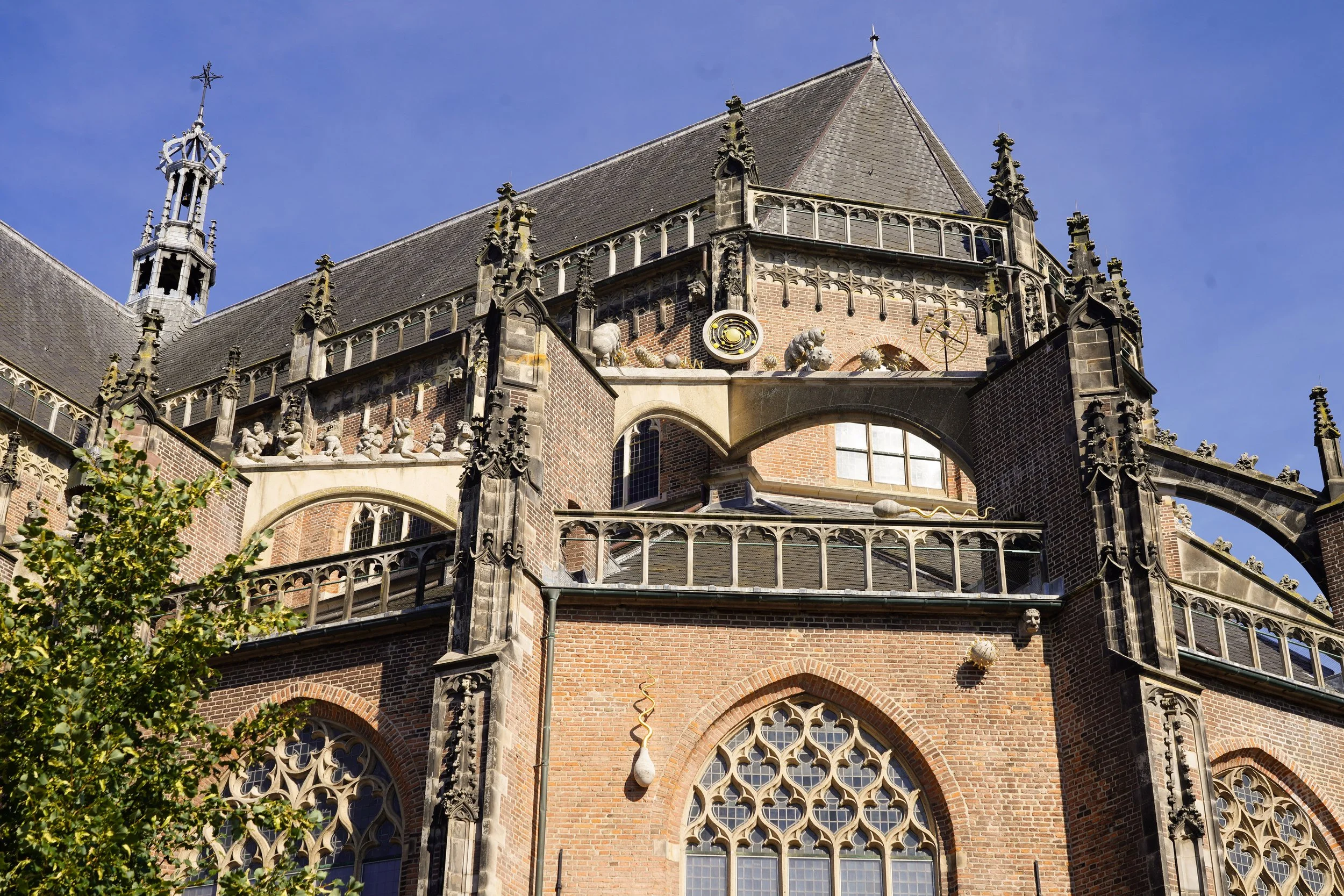
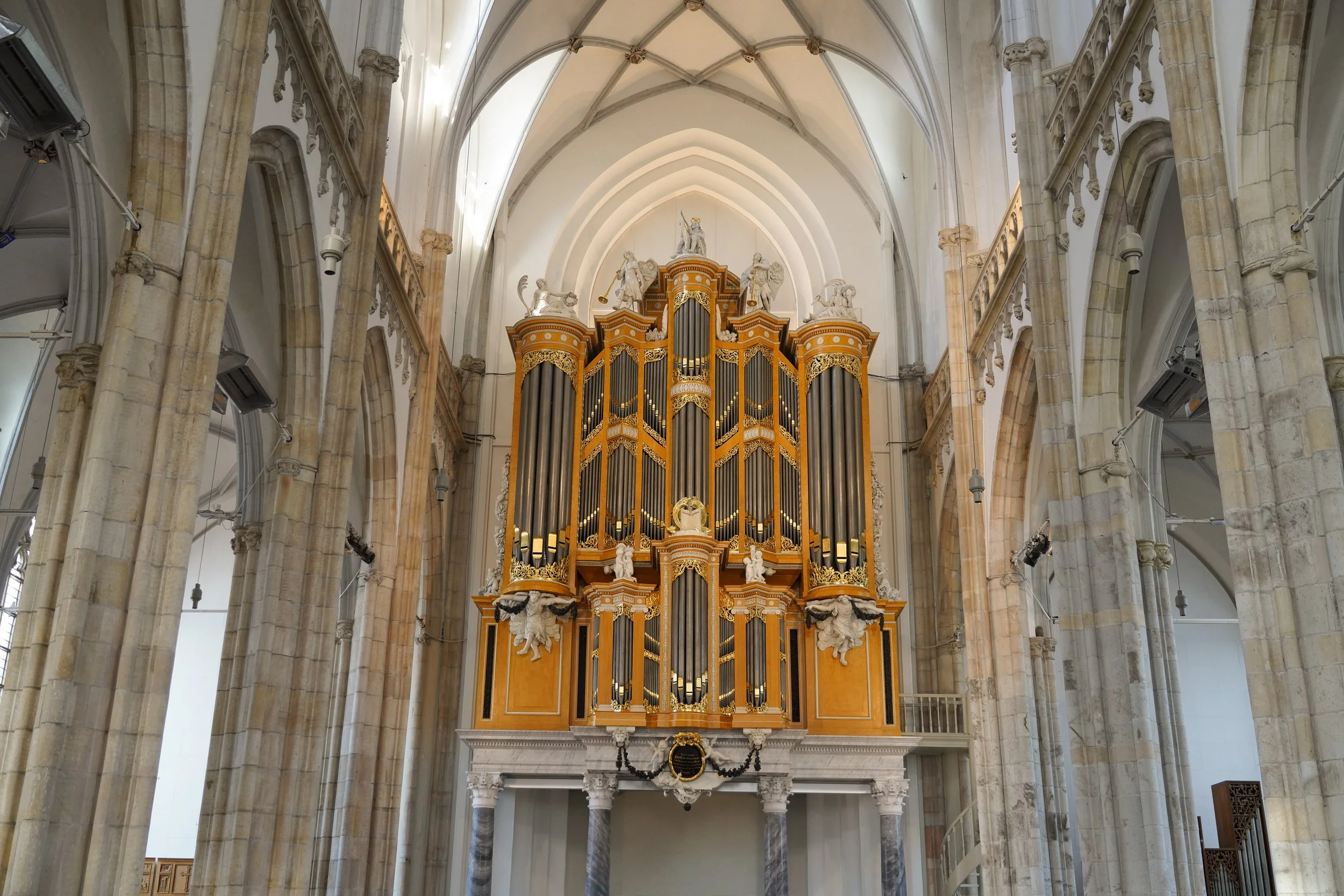
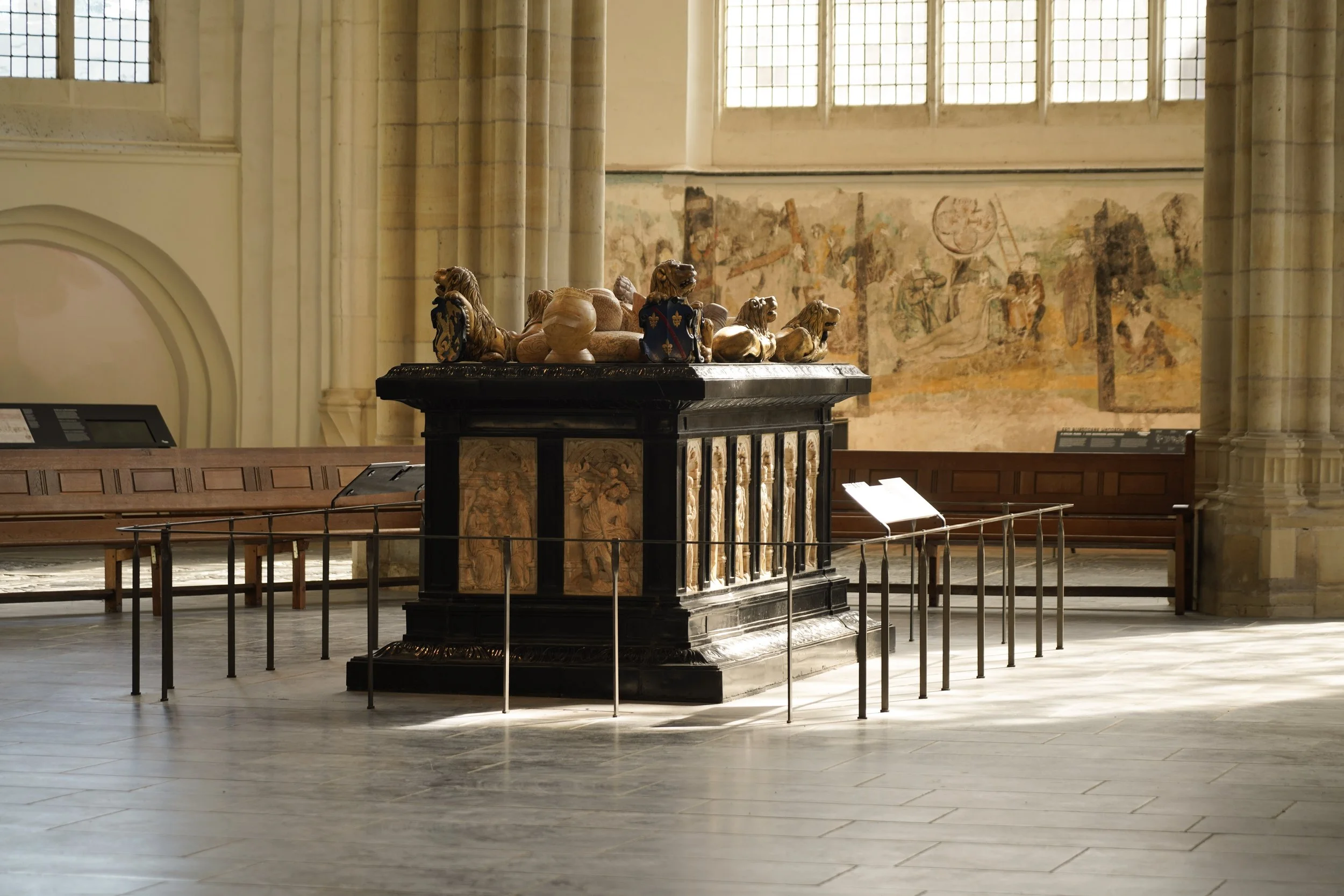
Our next stop was the magnificent St Eusebius' Church, or Eusebiuskerk, whose huge Gothic tower dominates the Arnhem skyline. Construction began in the 15th century and the church took more than a century to complete. It suffered devastating damage during the Second World War but was painstakingly restored afterwards.
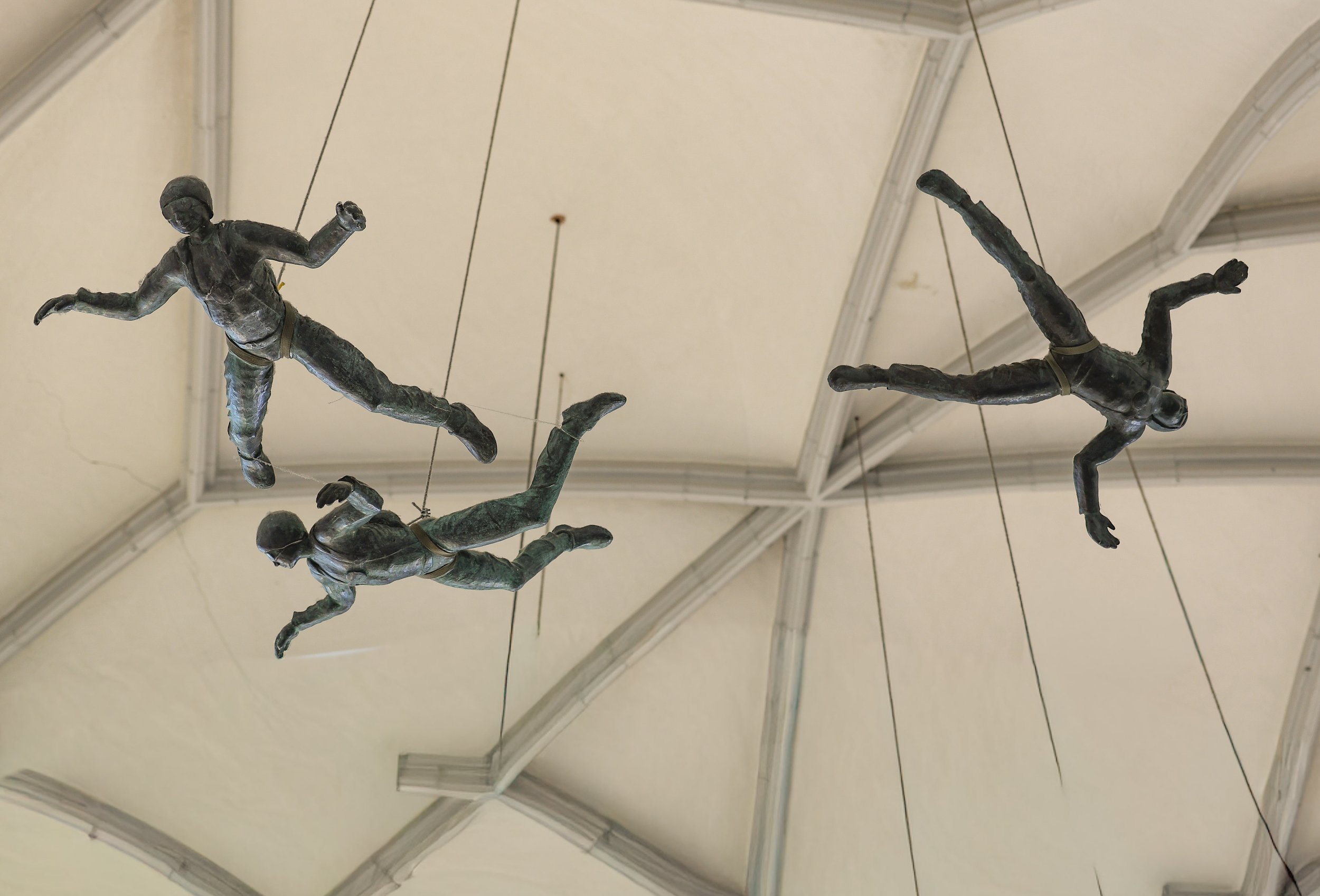
We wandered inside, admiring the enormous Gothic interior, stained glass and impressive architecture before heading back out into the streets.
From there, we simply wandered. This has become one of our favourite ways to explore a city. No rigid itinerary, no frantic attempt to tick every attraction off the list and, importantly, no one saying, “Come on, we've only got ten minutes!”
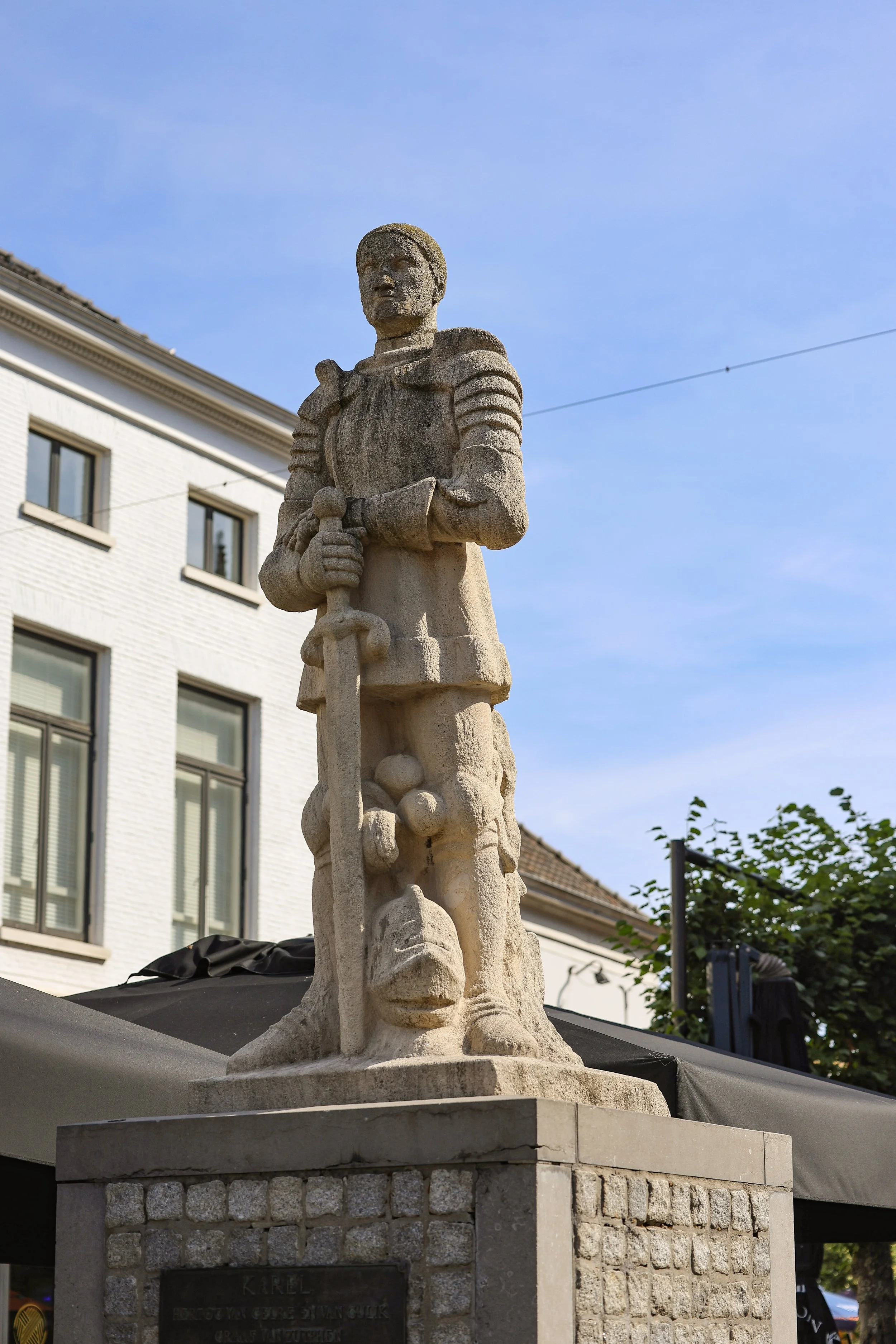
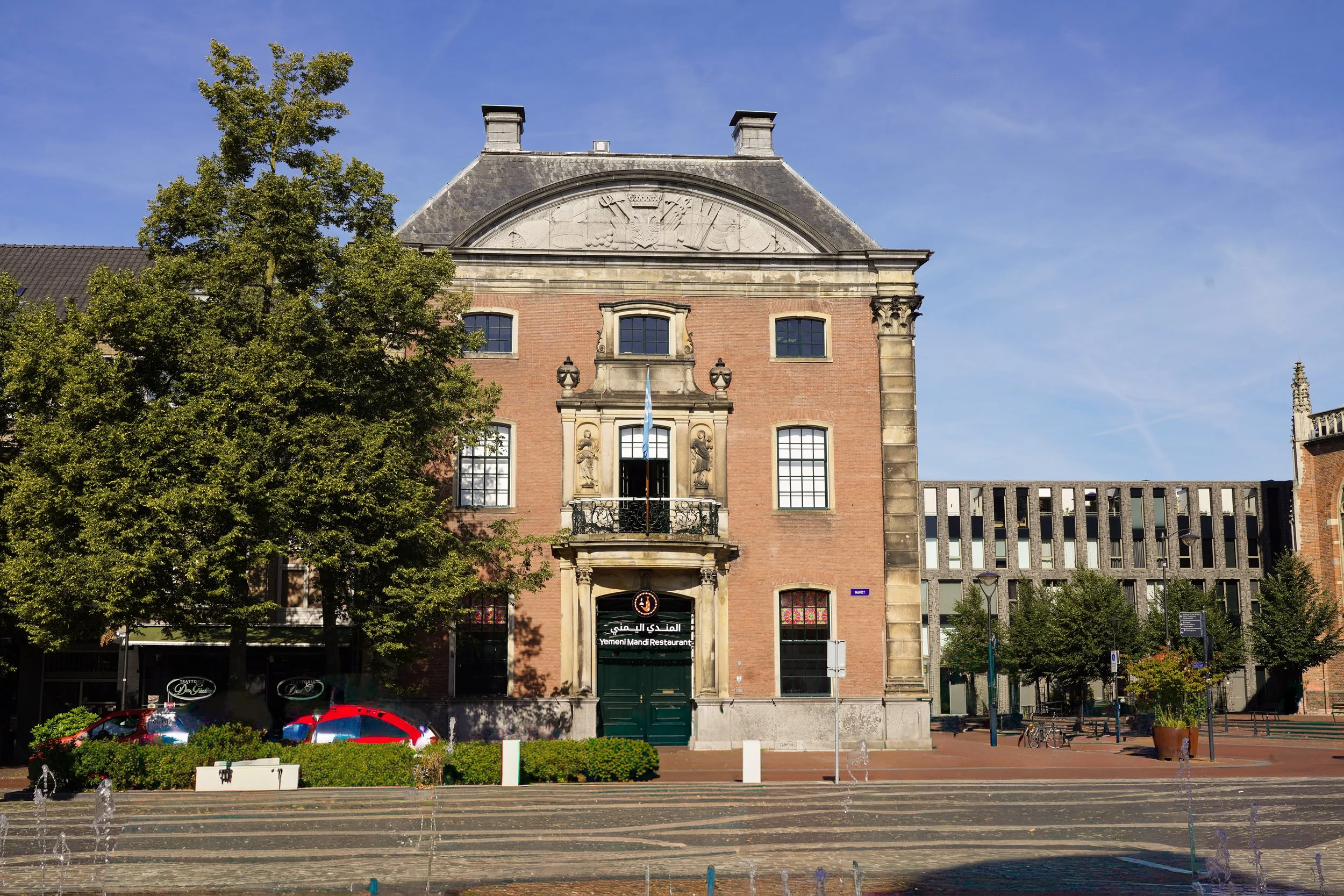
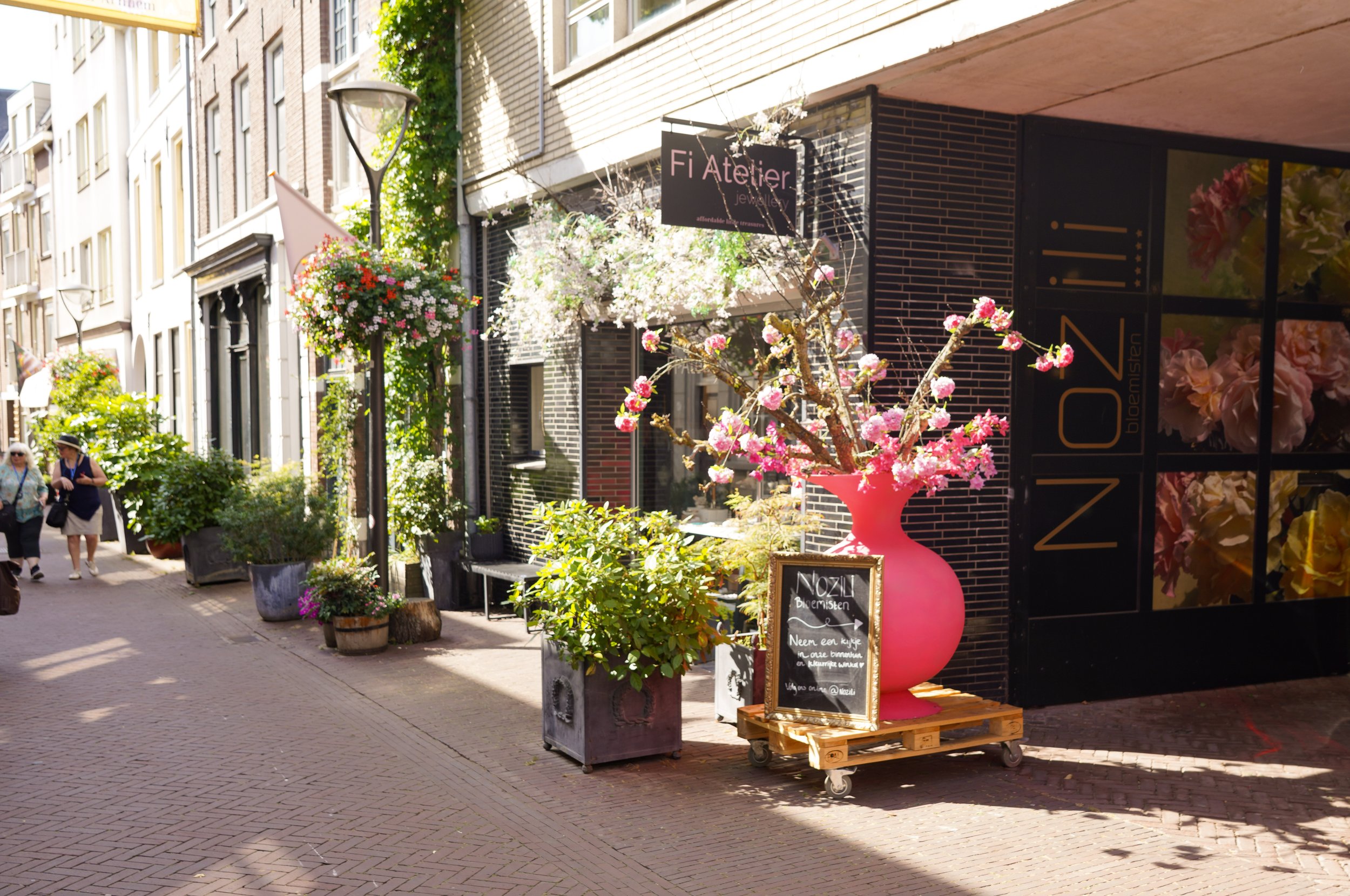
Arnhem's centre has a lovely mixture of historic buildings, modern shops, squares, cafés and narrow streets. Eventually, though, our sightseeing took a distinctly Dutch turn. Beer.
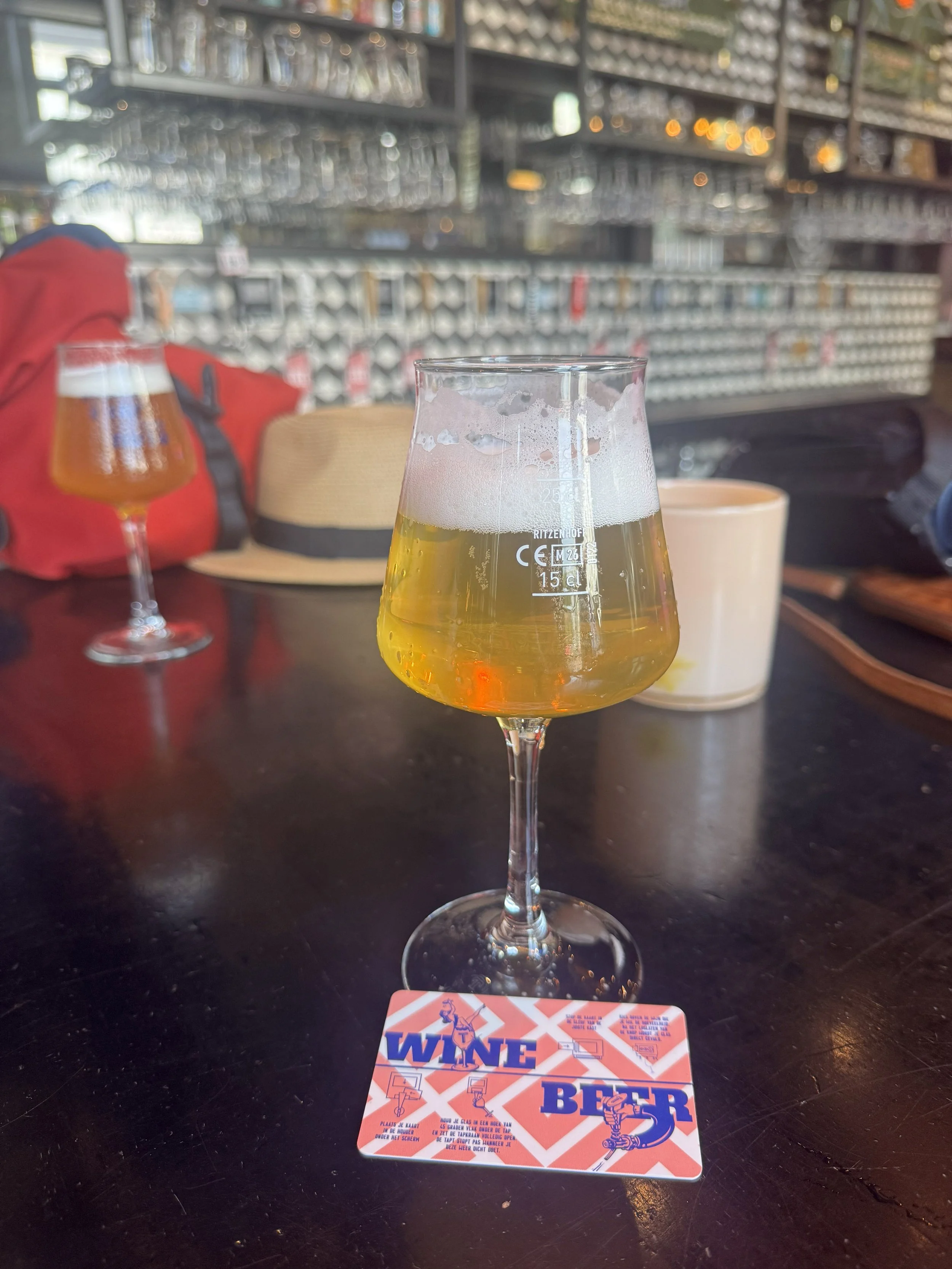
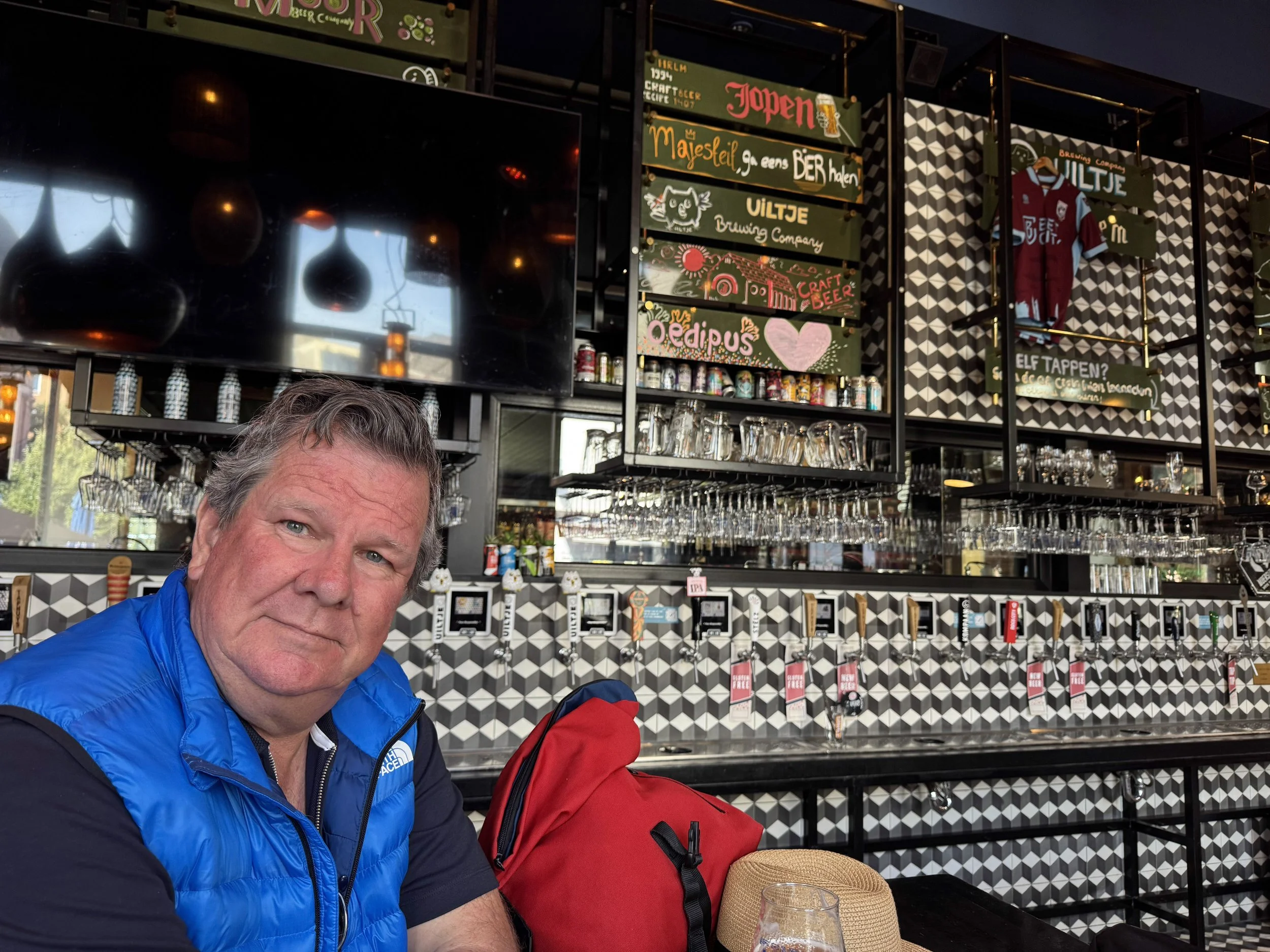
We discovered a local tap house with a rather impressive selection of beers and decided that sampling them was an essential part of
understanding the local culture. We sampled several. Some were excellent. Some were interesting. And some were clearly beers that required considerably more cultural understanding than we possessed.
Still, it would have been rude not to try.
Suitably refreshed, we continued exploring, although by now our route seemed increasingly influenced by another important cultural attraction: chocolate shops. There were plenty of them.
We sampled a few more local treats — purely for research purposes, naturally — and gradually made our way back towards the river.
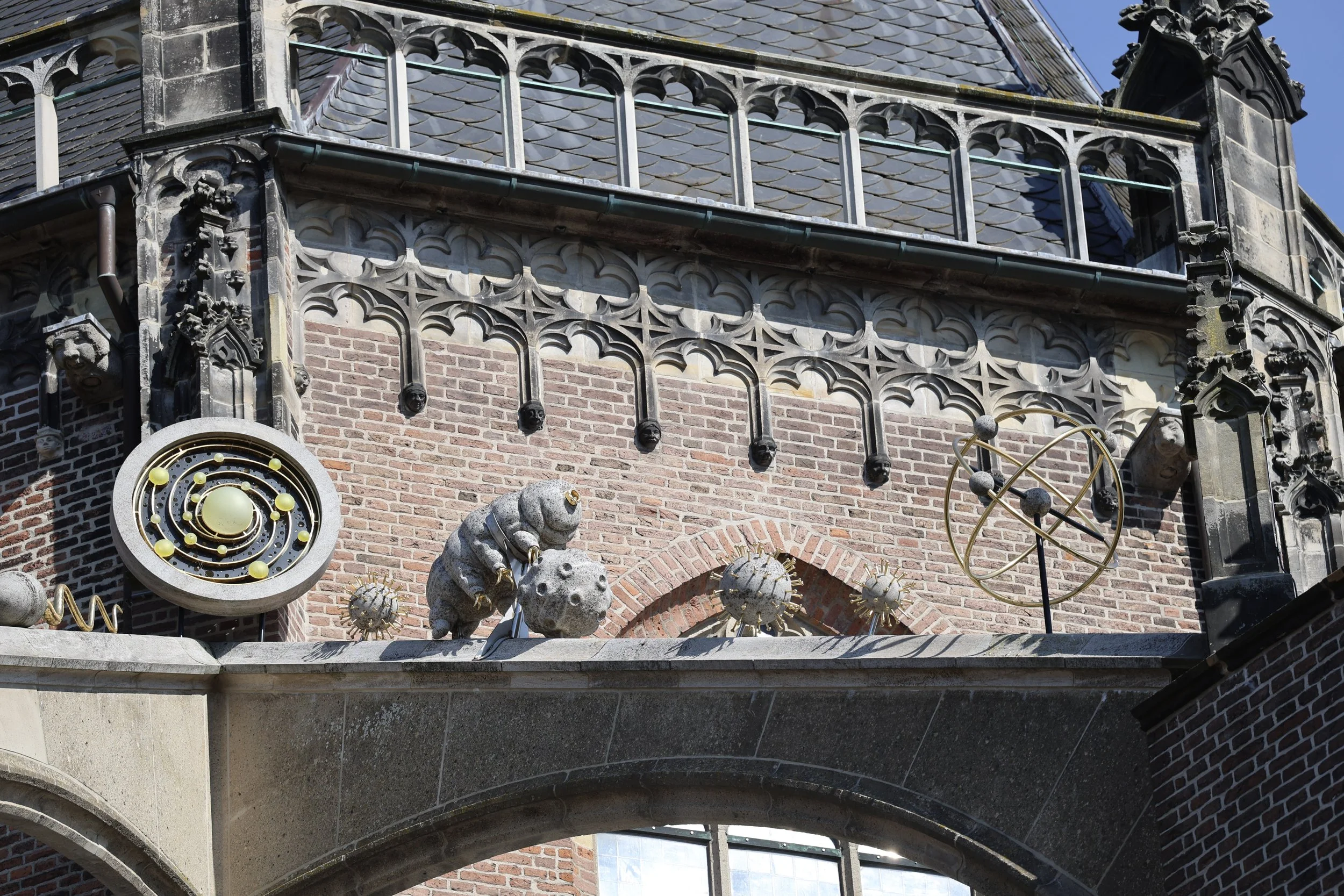
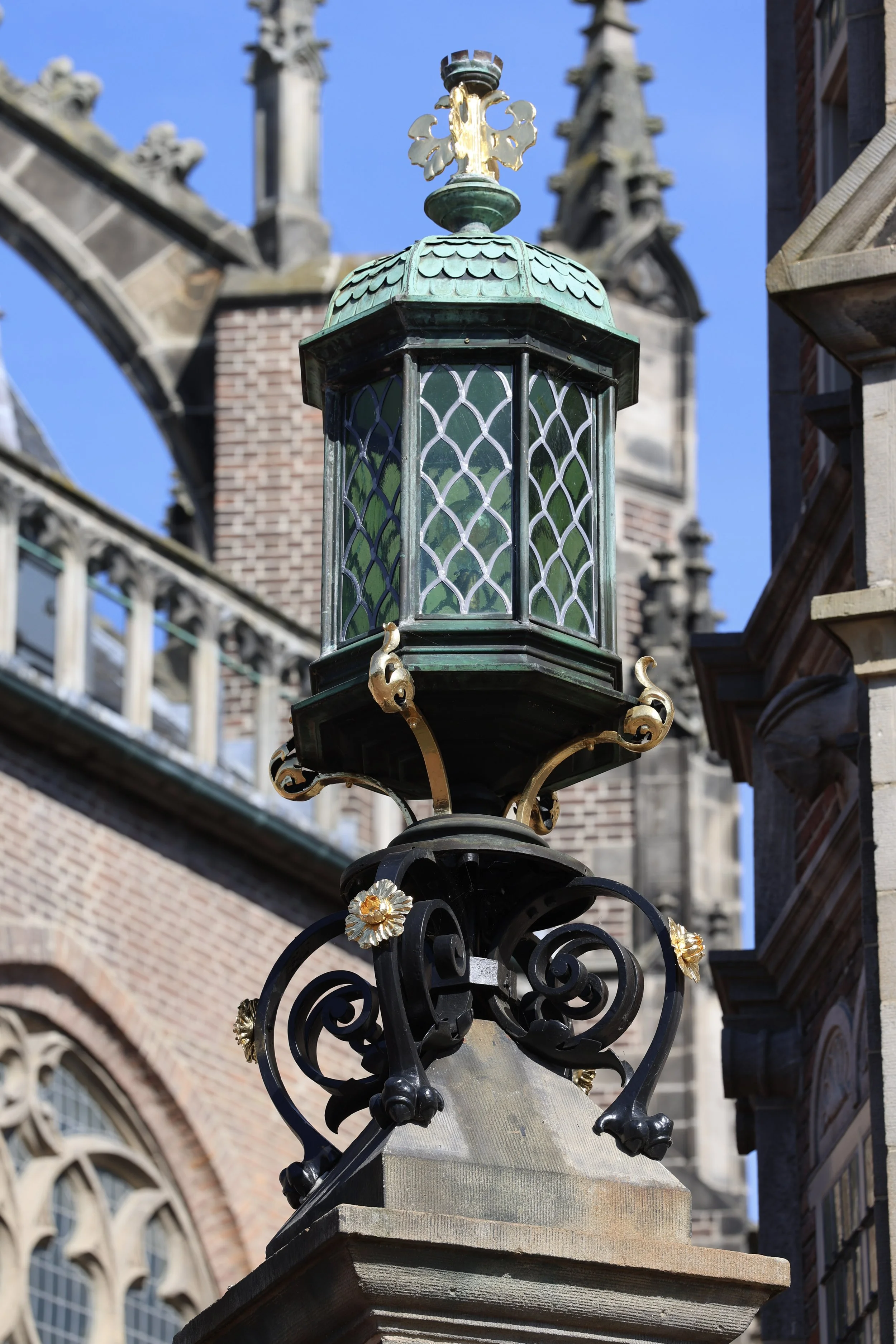
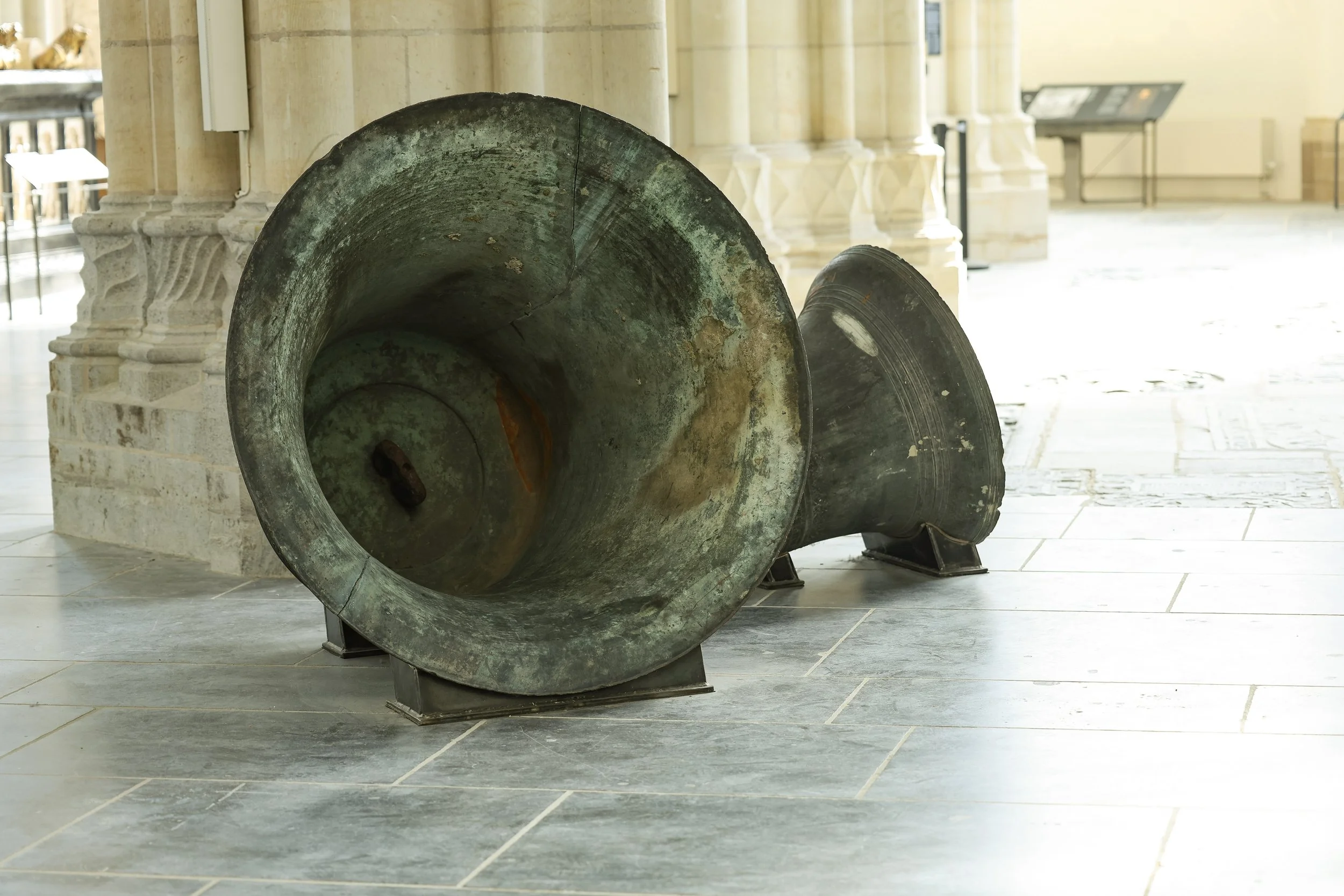
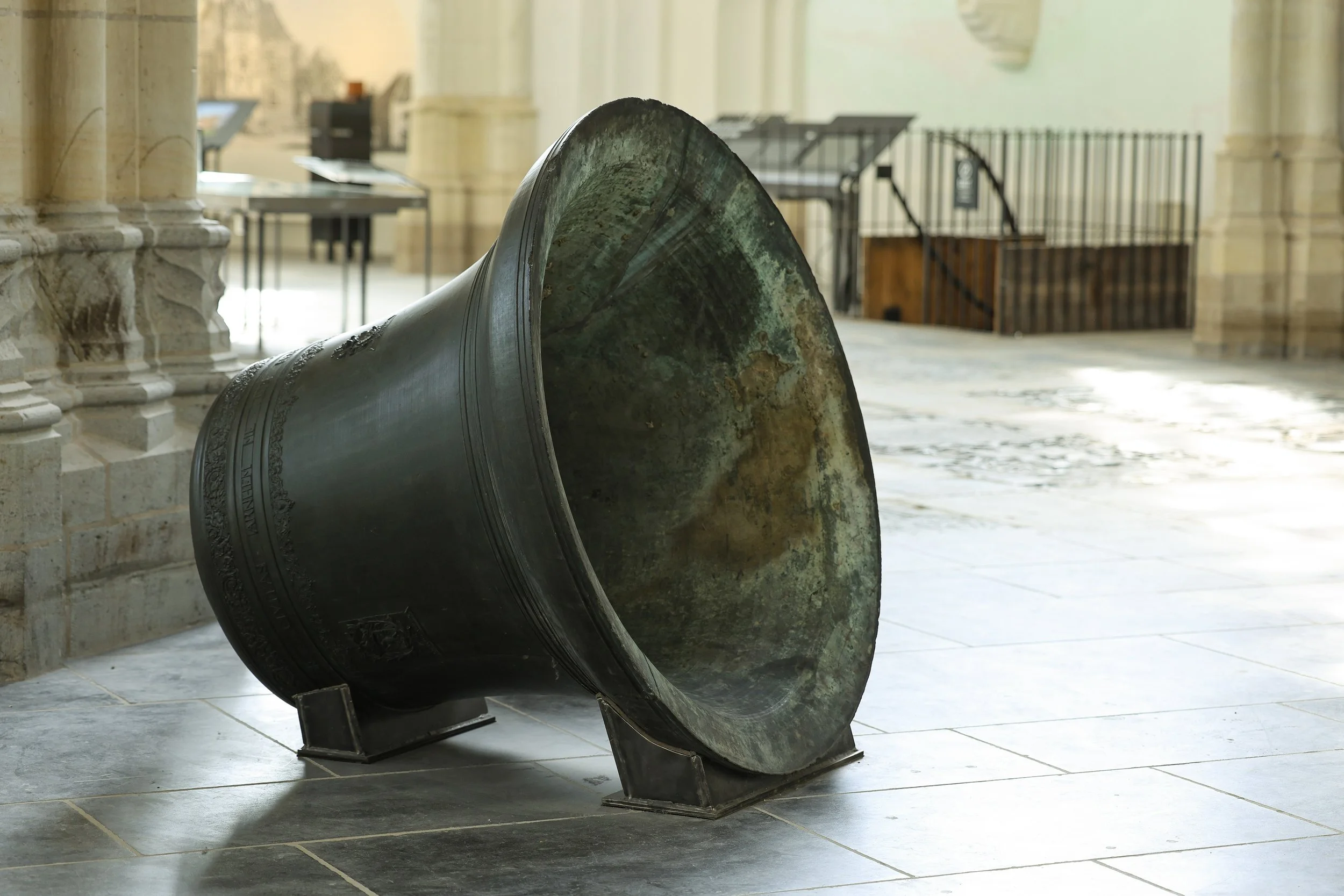
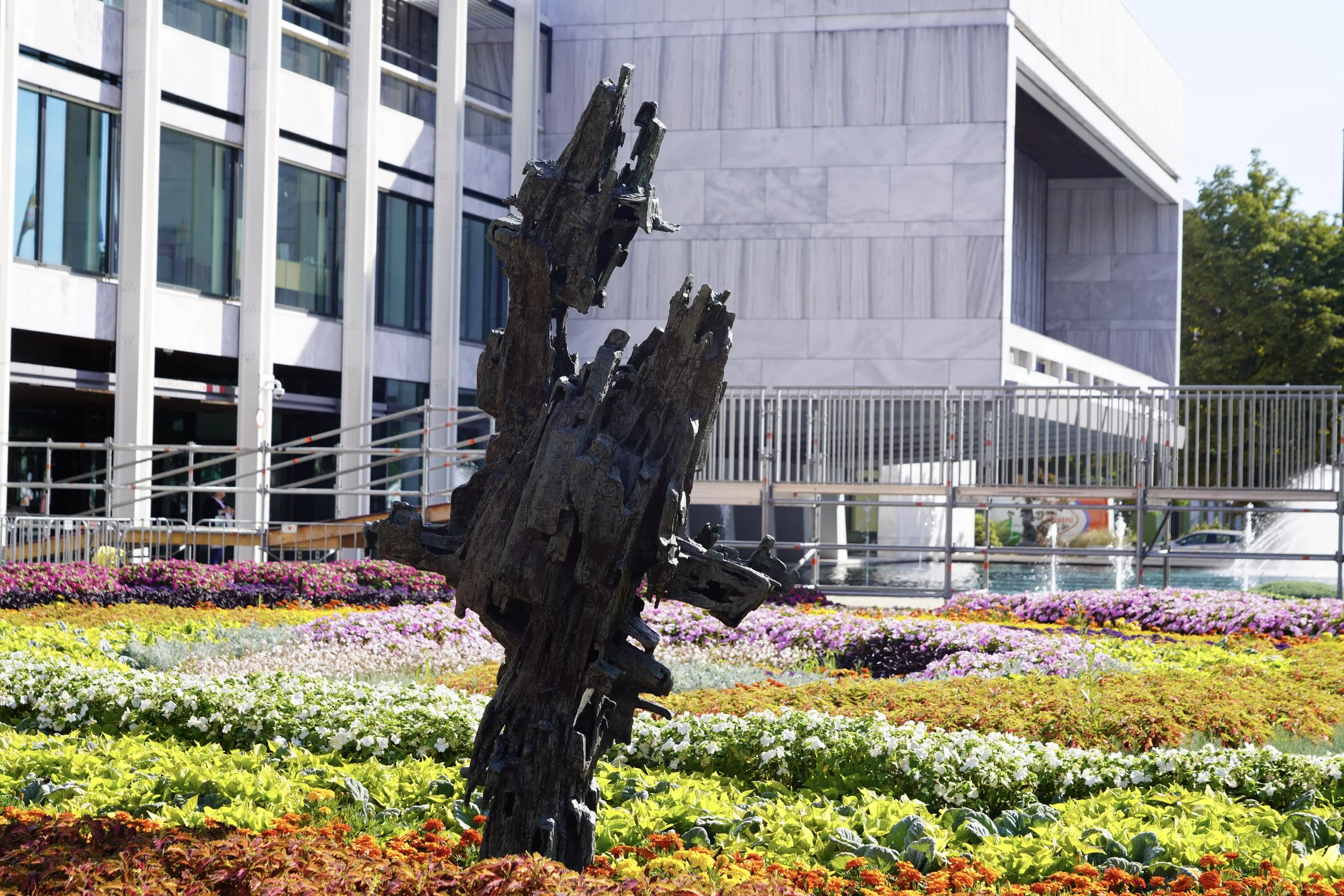
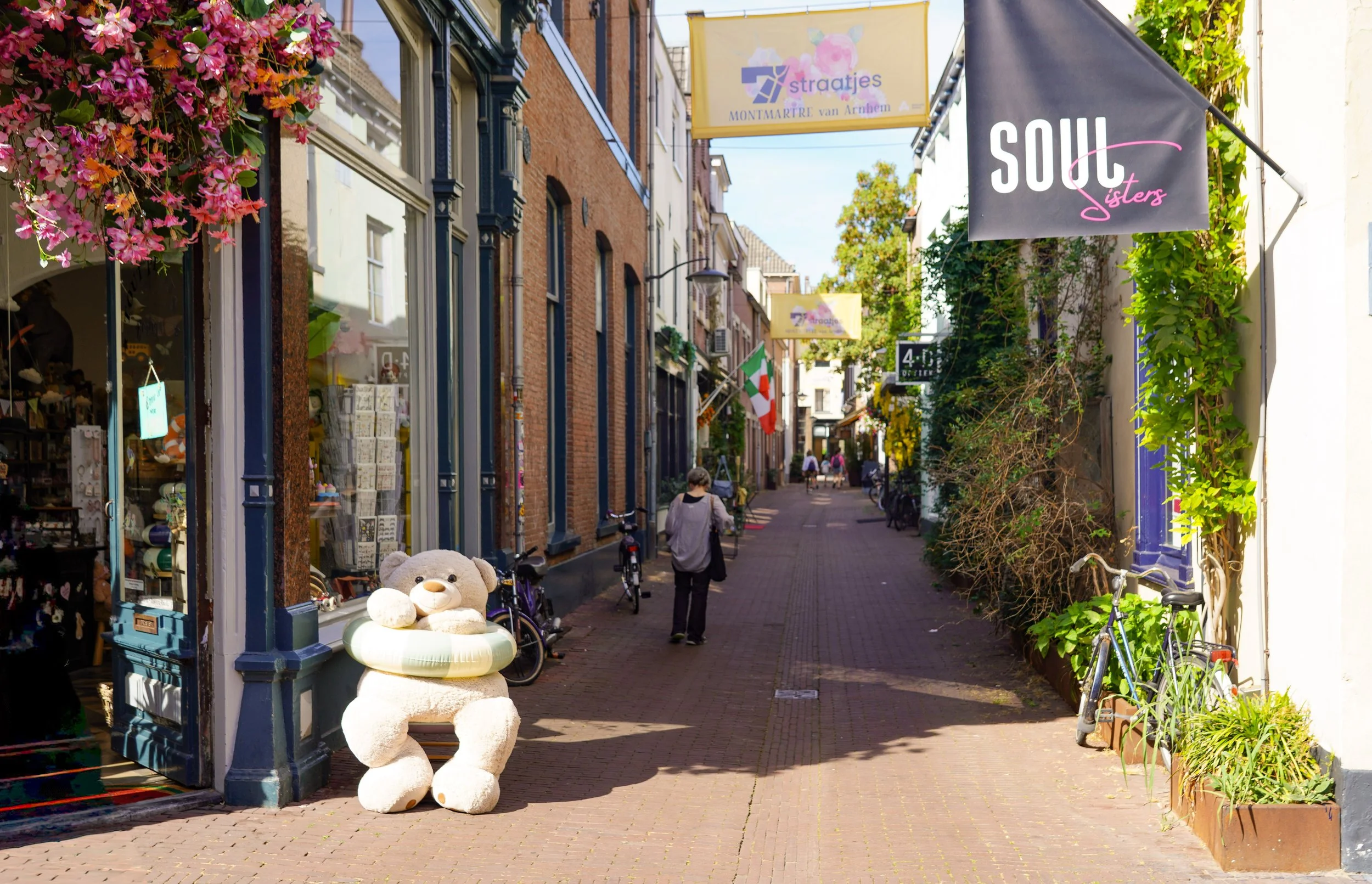
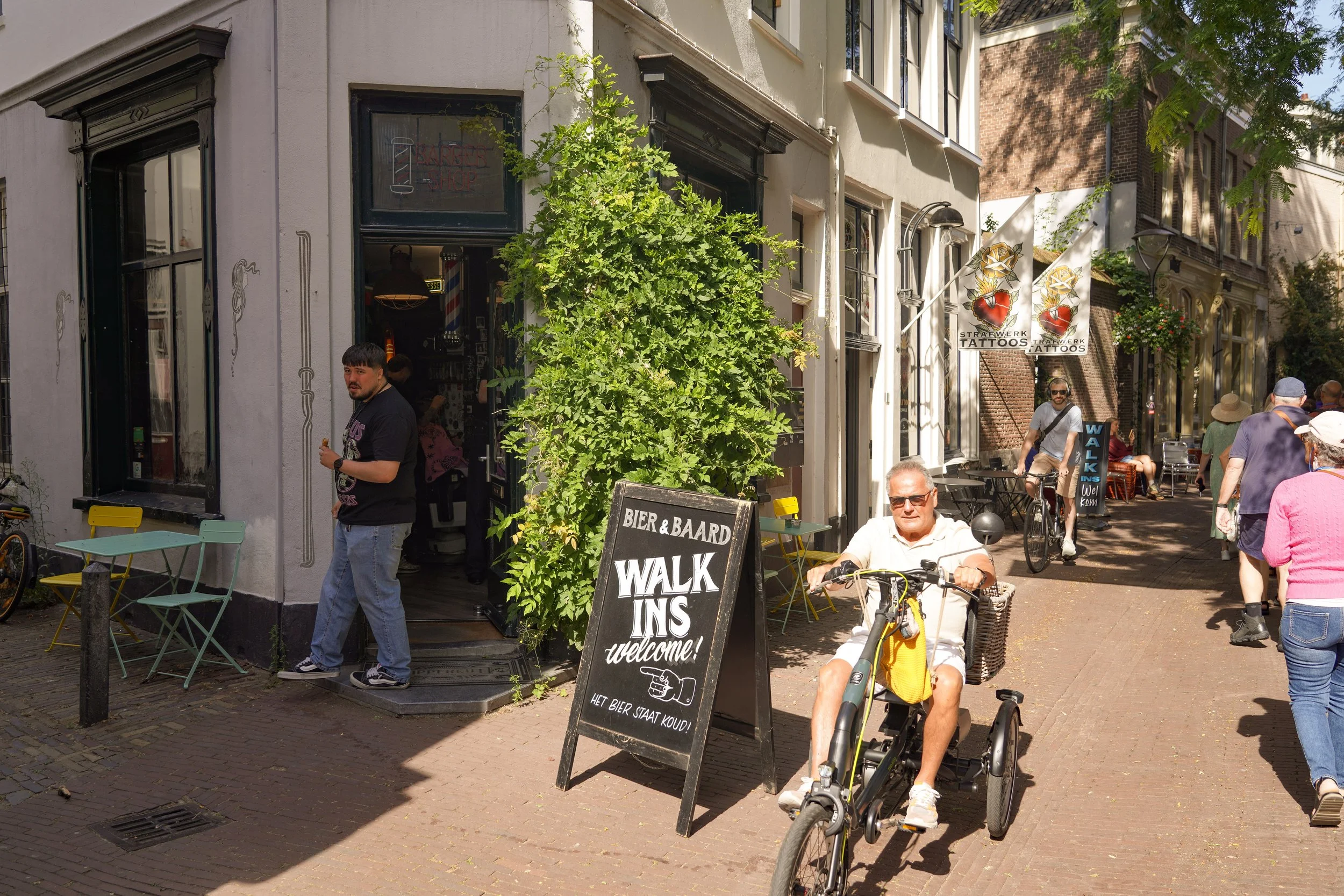
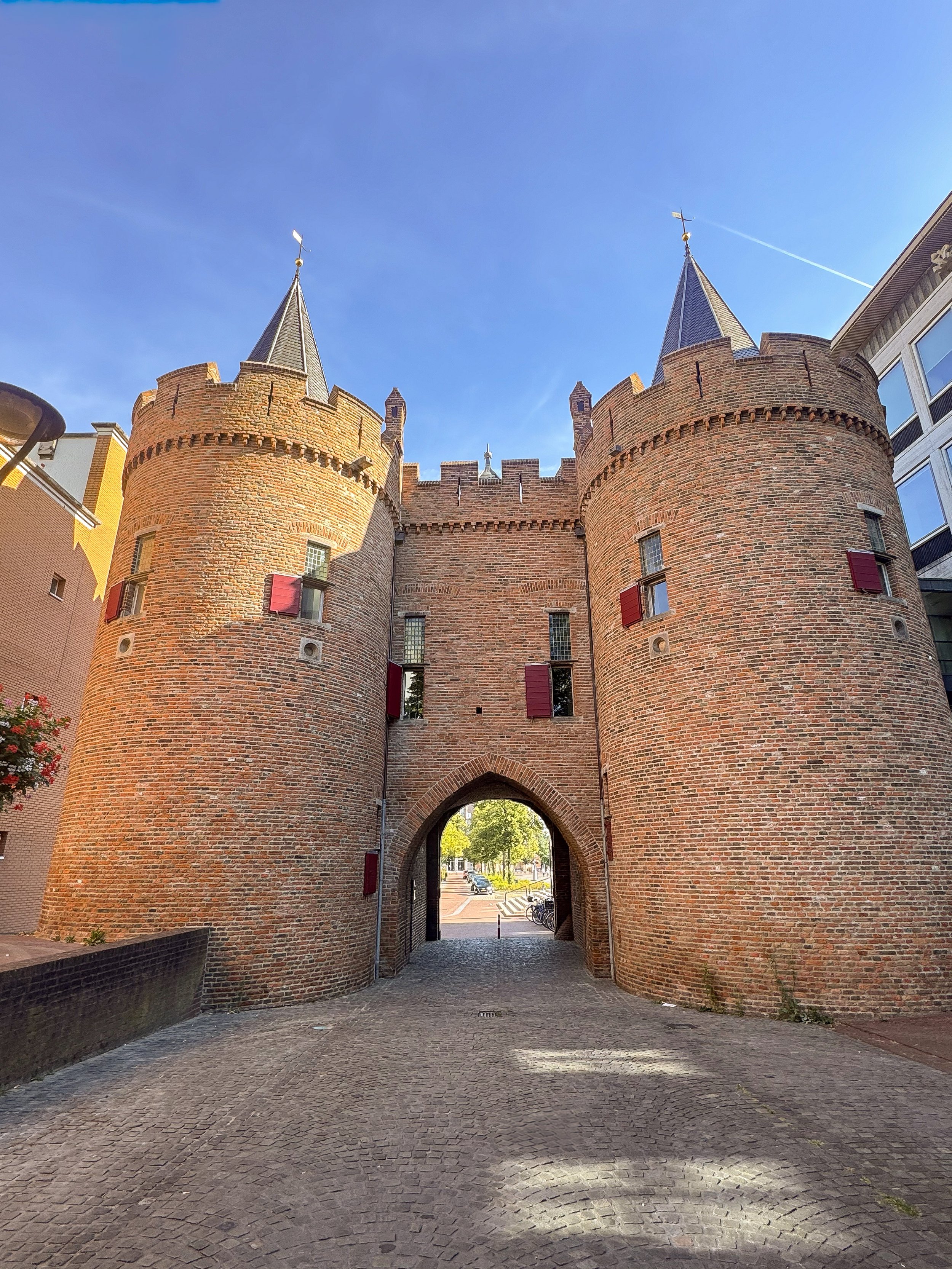
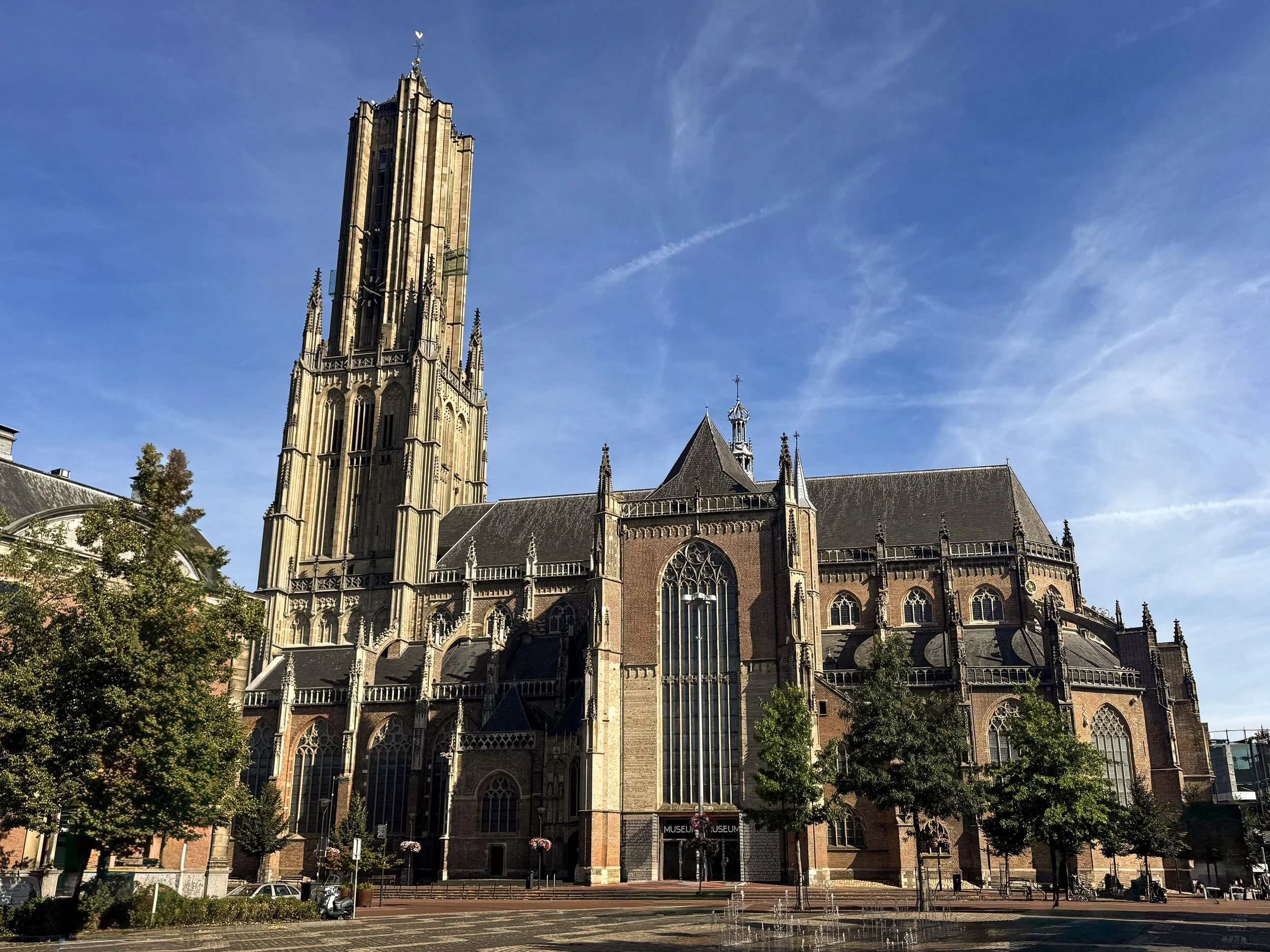
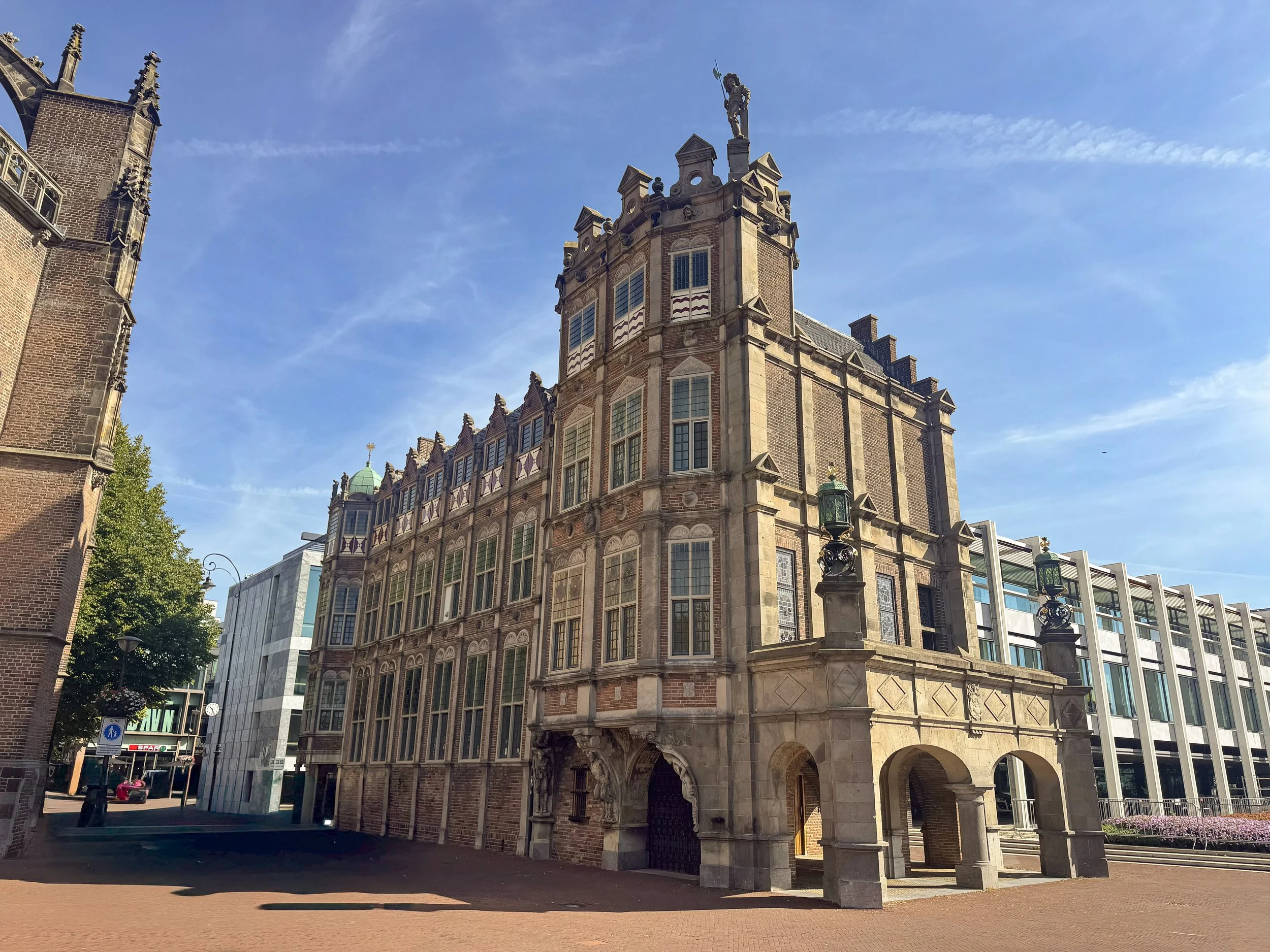
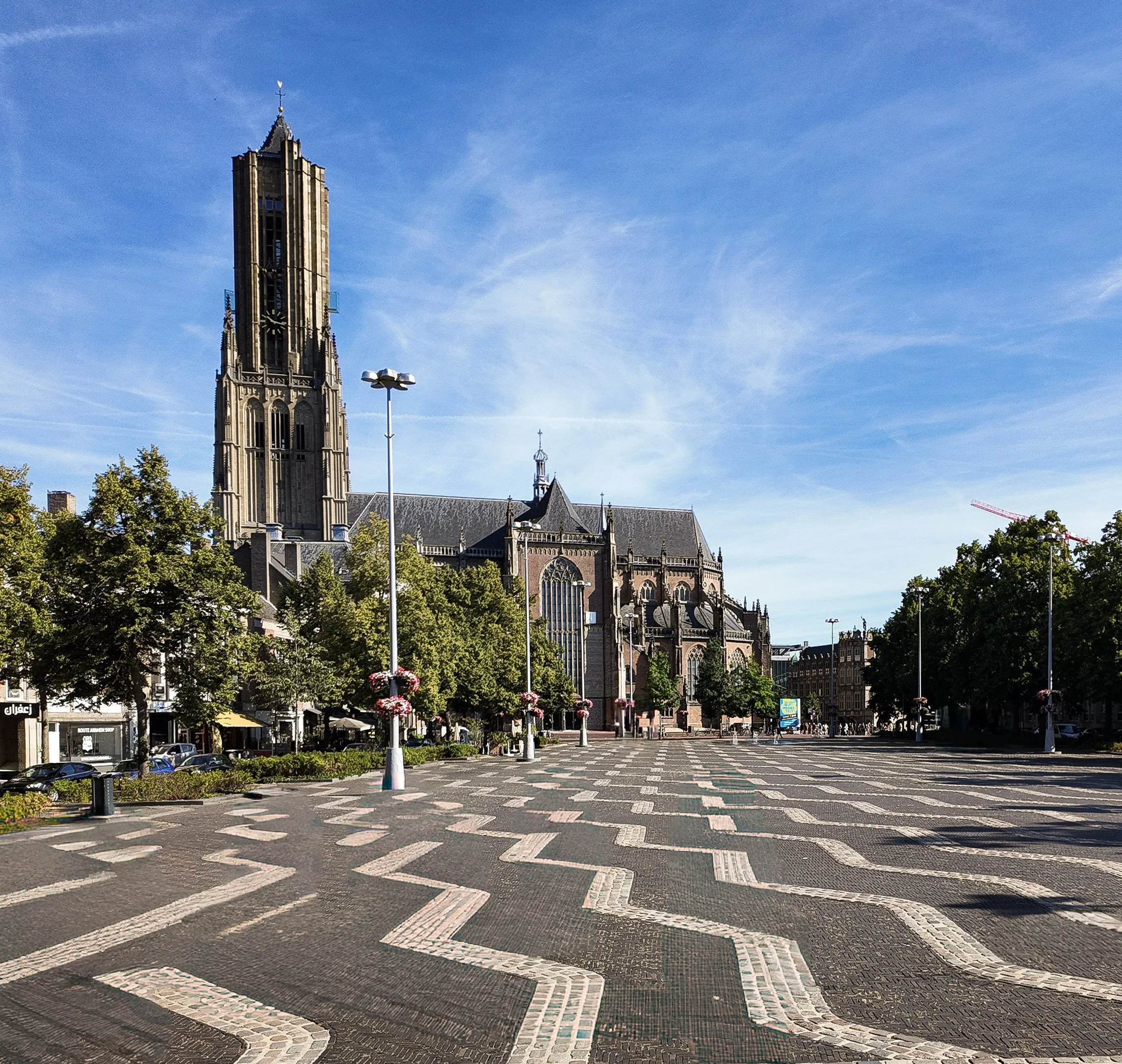
Arnhem had given us a fascinating mixture of old and new: medieval architecture, beautiful churches, lively streets and cafés, but also a sobering reminder of the enormous price paid here during the Second World War.
Eventually, laden with chocolate and having consumed rather more beer than was strictly necessary for historical research, we headed back towards our waiting river boat.