Kampen
We woke the next morning to discover that we'd already arrived. There was no need for an alarm, no announcement over the loudspeaker and certainly no frantic dash to get dressed before breakfast. The Transcend Connect was quietly tied up at the dock in Kampen, and we were ready to explore.
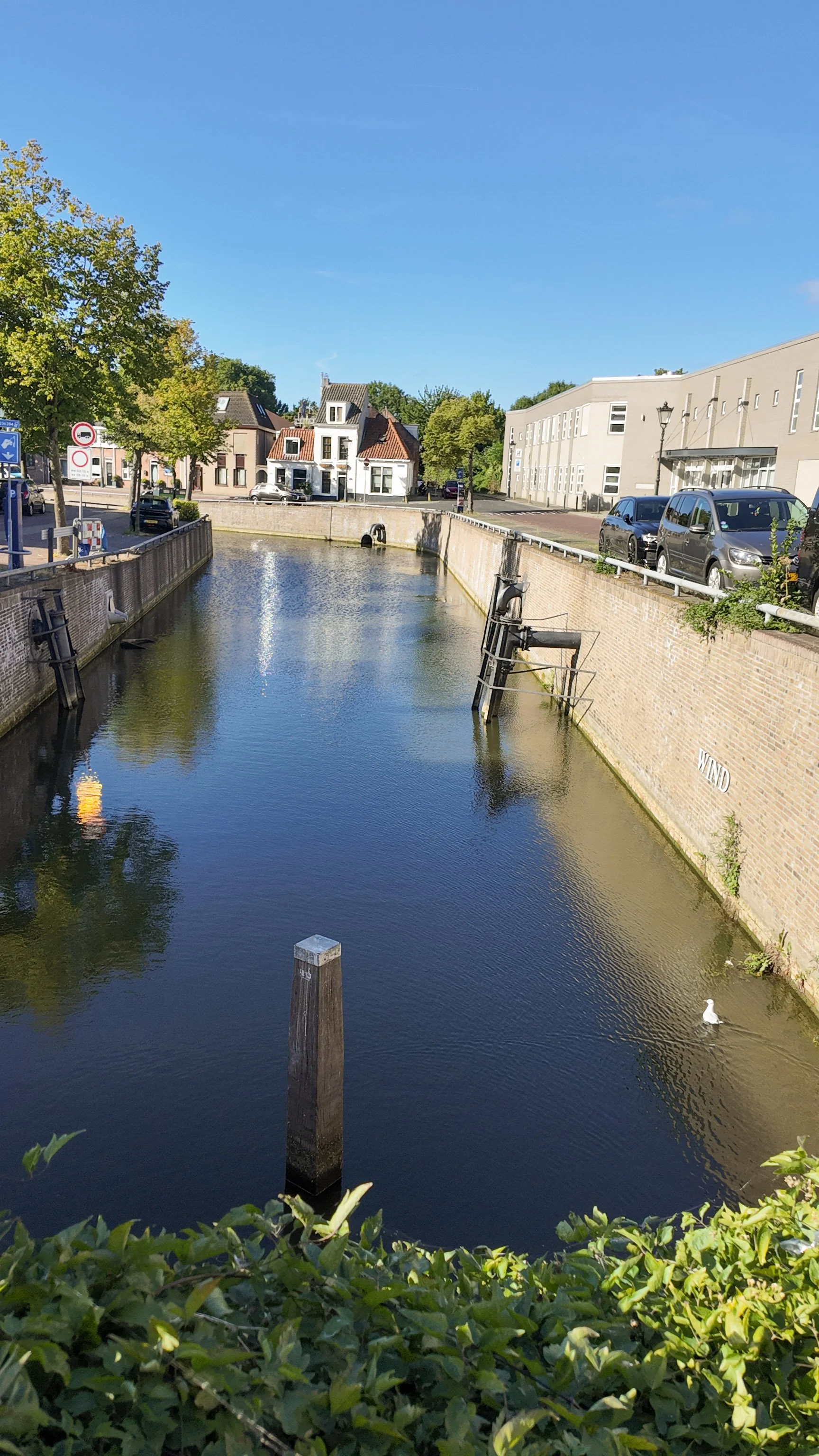
Kampen is one of those Dutch towns that seems to have been designed specifically for wandering. It sits on the banks of the IJssel River and has retained an extraordinary amount of its medieval character. First mentioned in 1227, Kampen received its city rights in the 13th century and grew rapidly thanks to its strategic position on the IJssel, which gave it access to the wider North Sea and Baltic trading routes.
Today, thankfully, things are a little quieter.
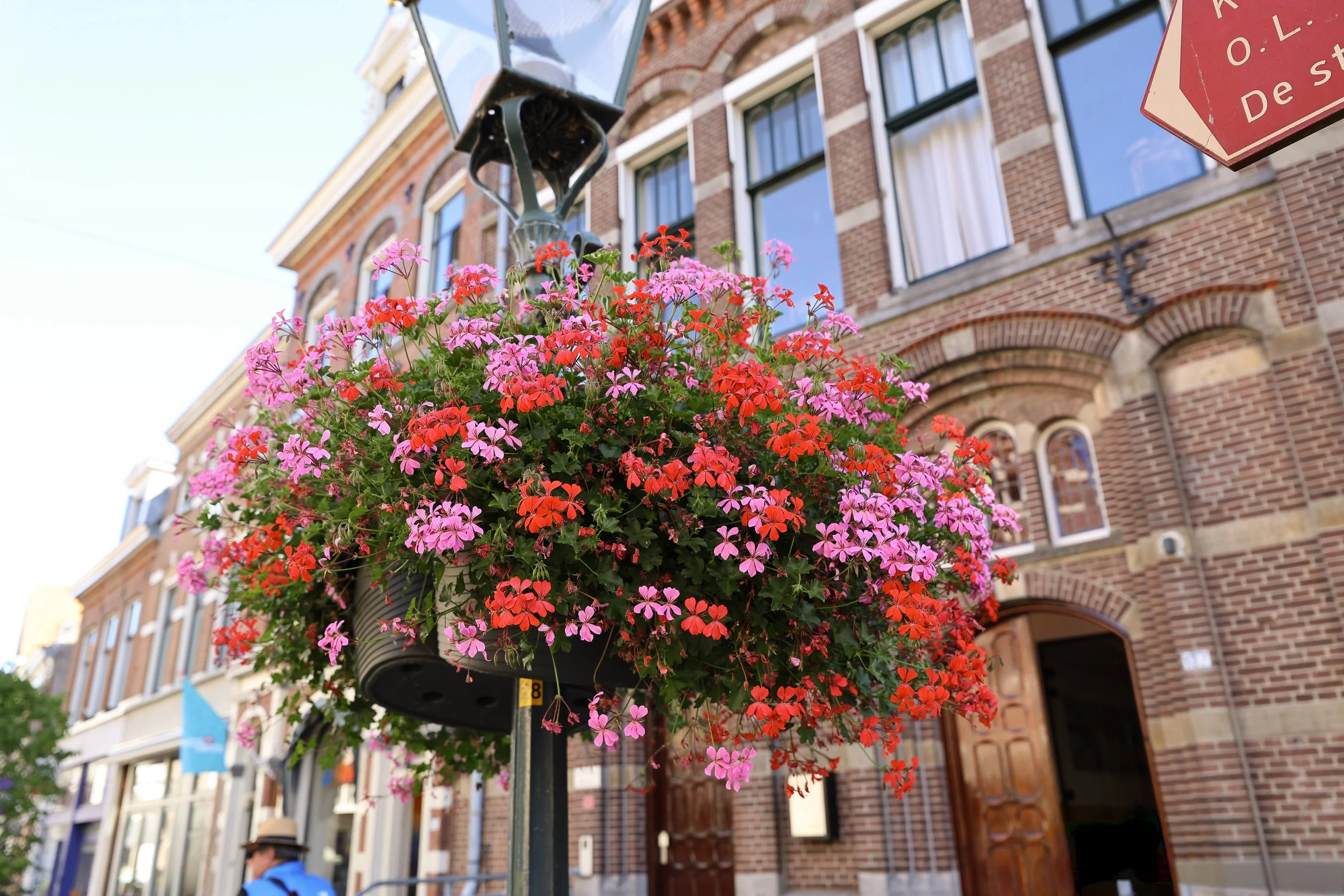
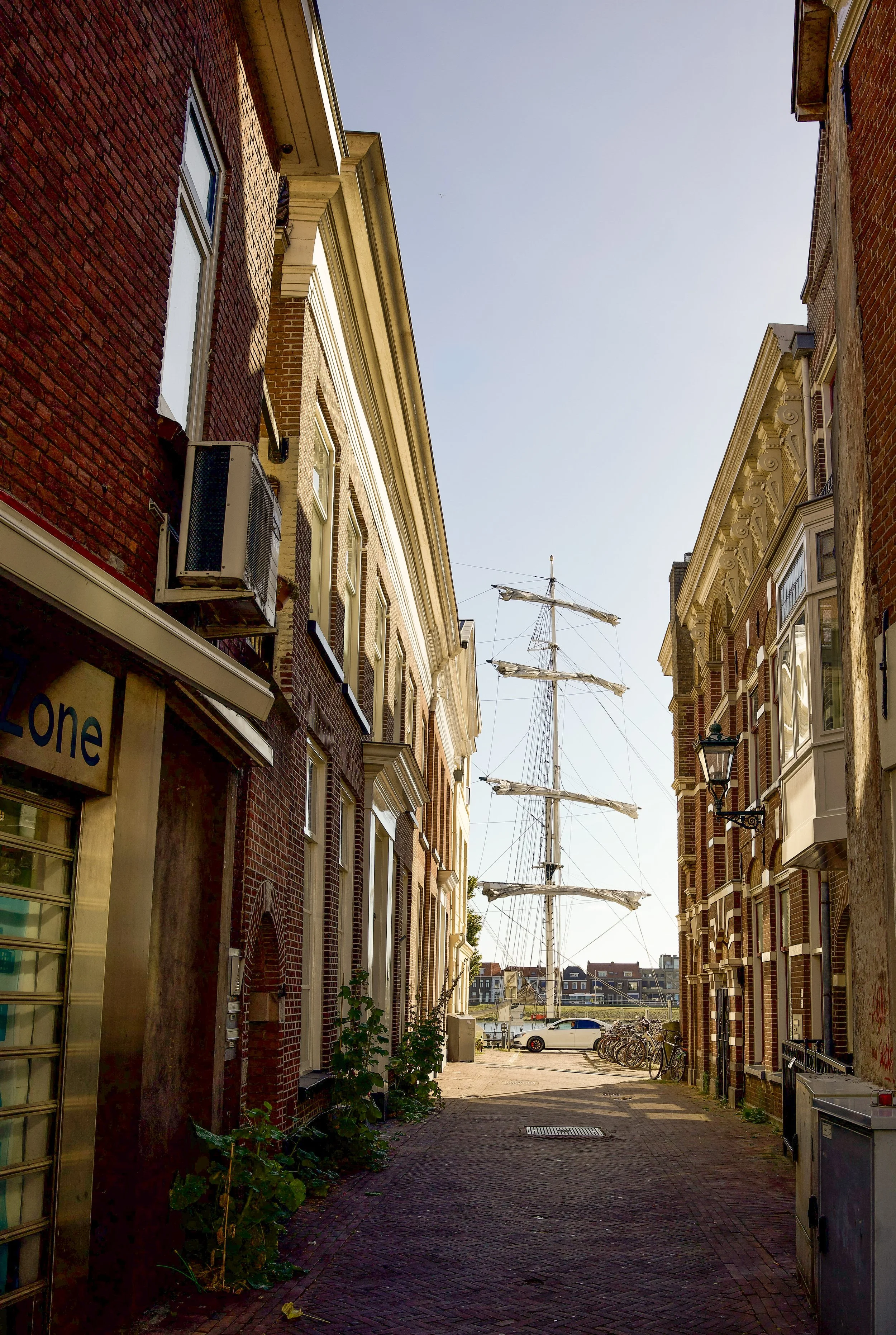
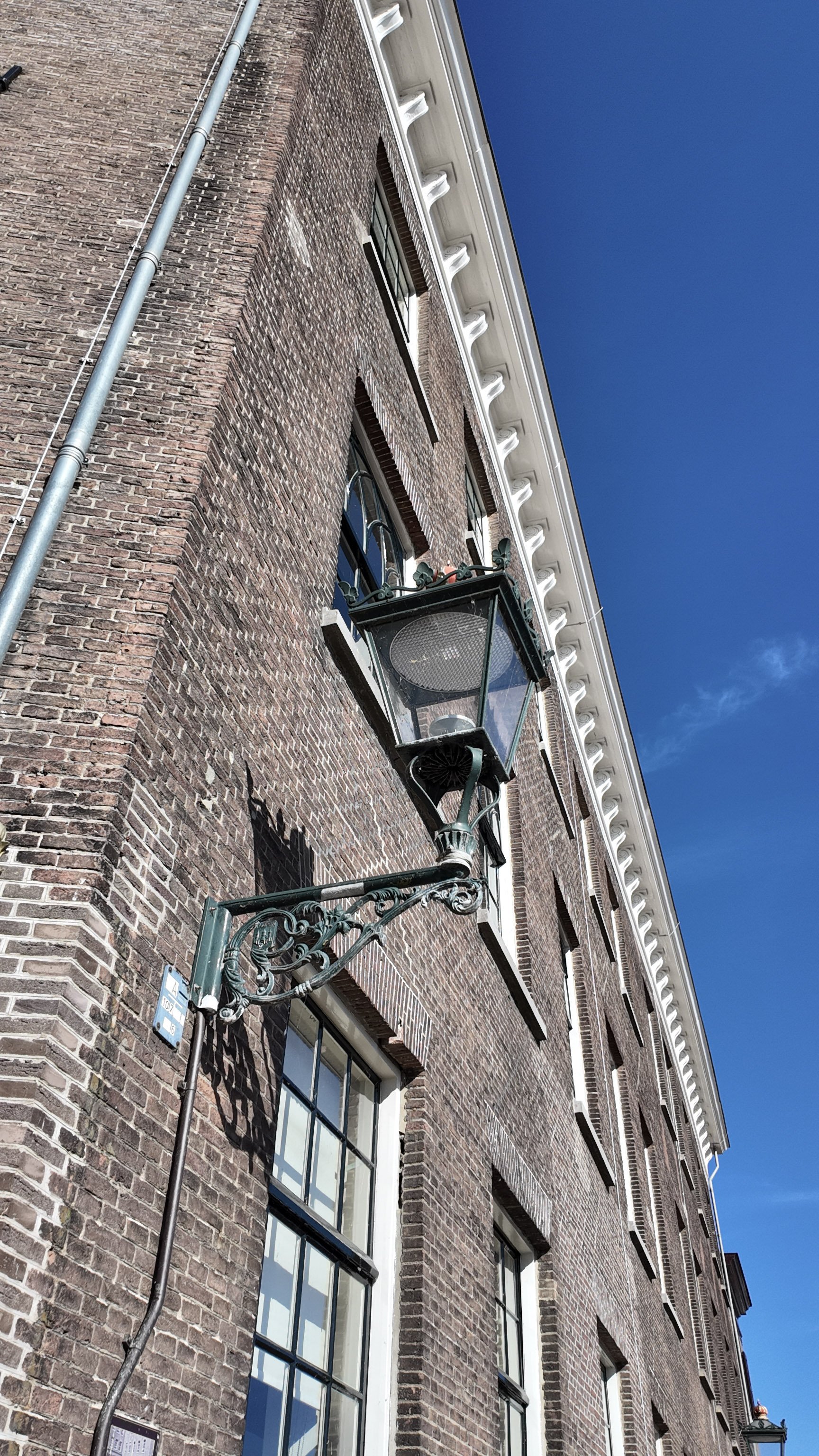
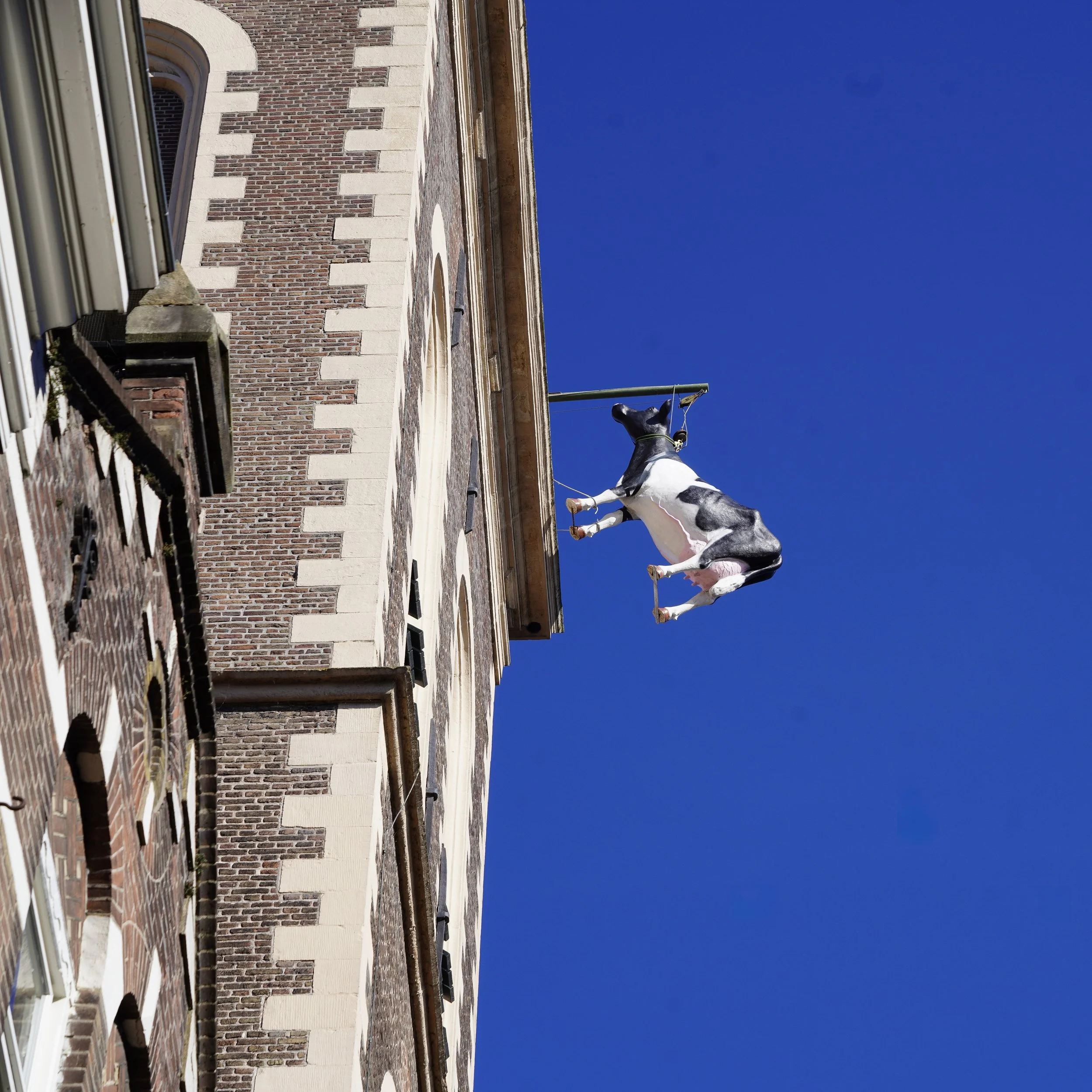
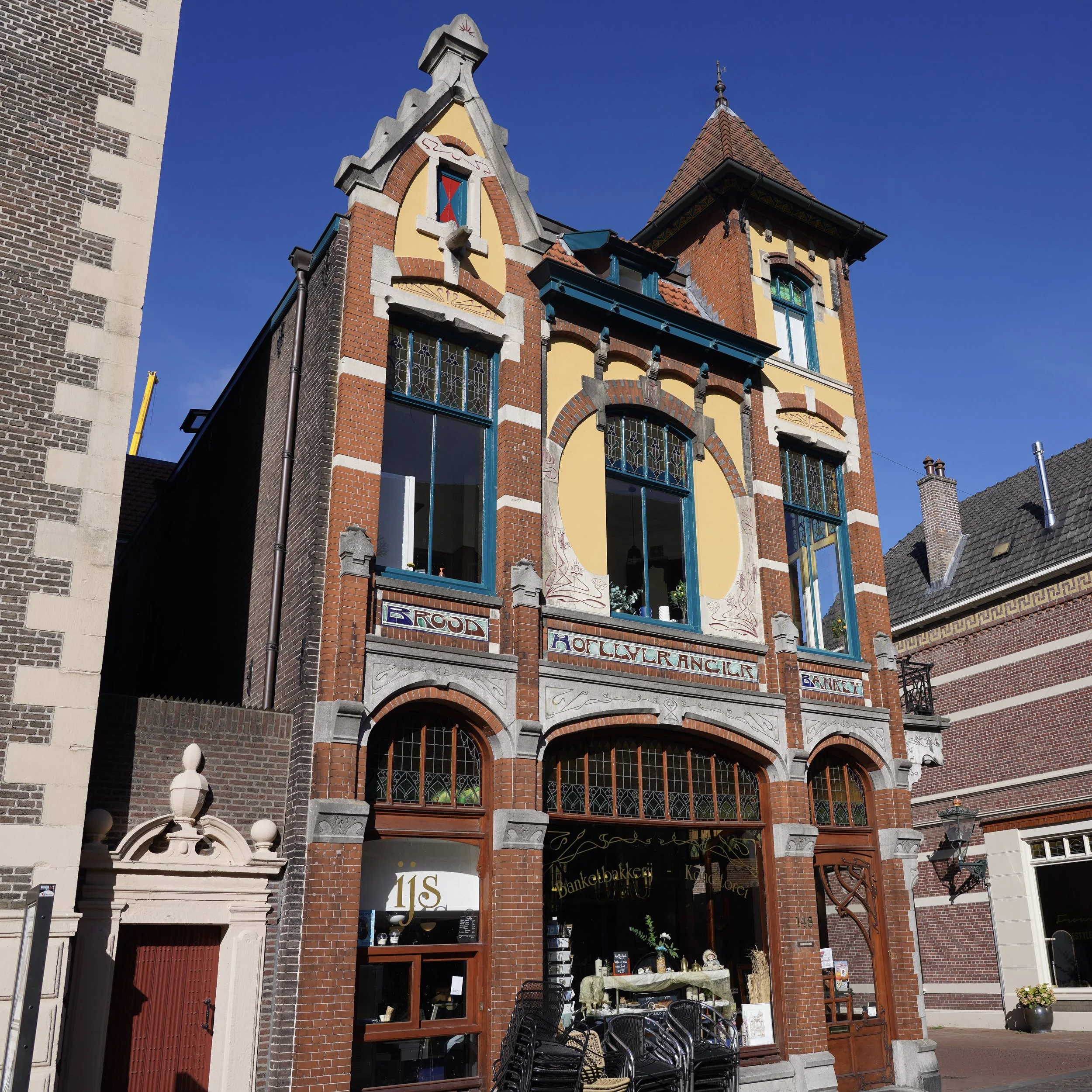
Kampen is a peaceful regional centre, but its medieval past is still very much on display. More than 500 historic buildings and monuments remain scattered throughout the town, making it one of the Netherlands' best-preserved medieval townscapes.
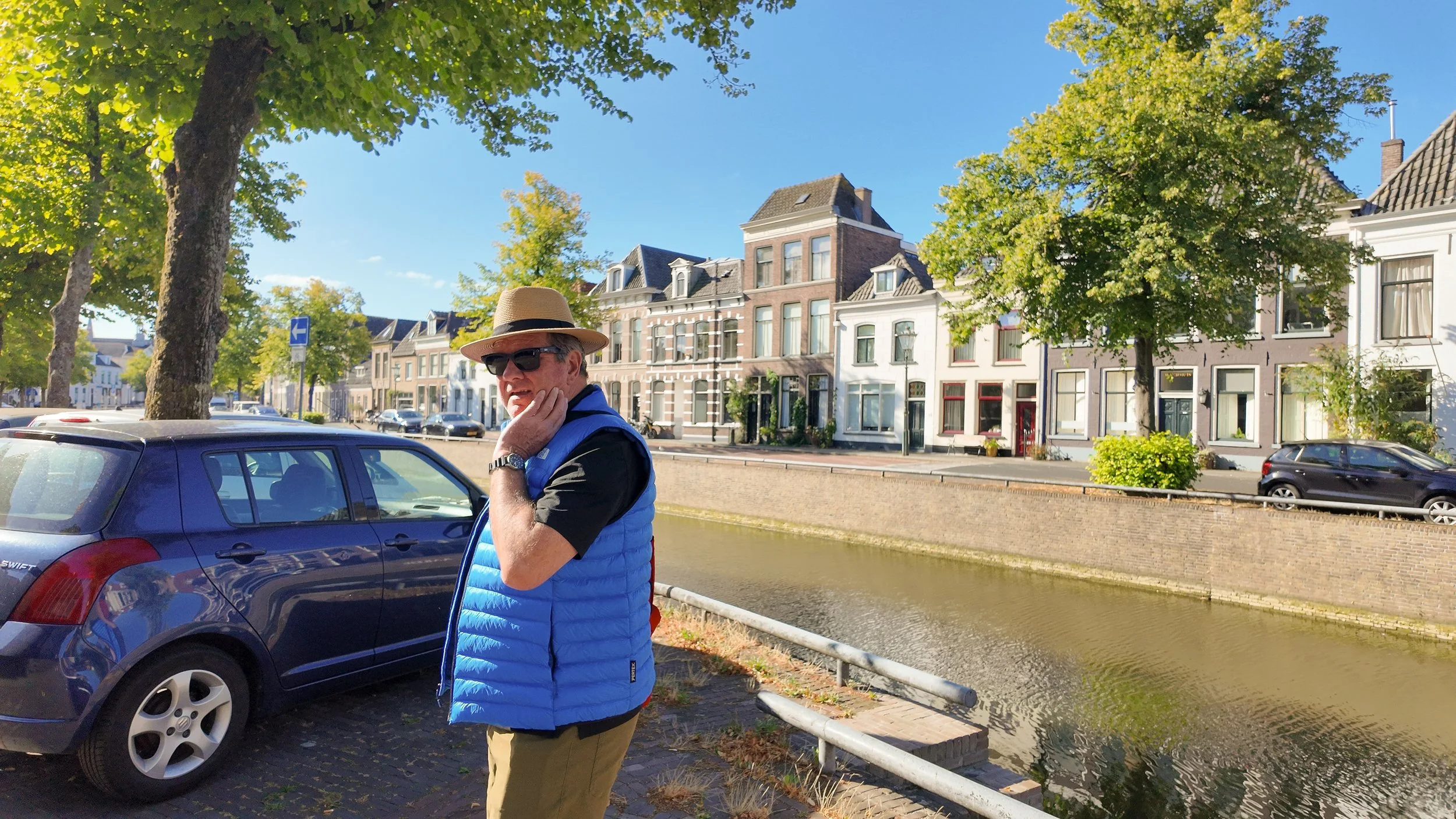
We set off with Concetta and Alan, our new travelling companions and, as it turned out, excellent wandering partners. There was no particular plan other than to see where the streets took us, which is generally our preferred method of sightseeing.
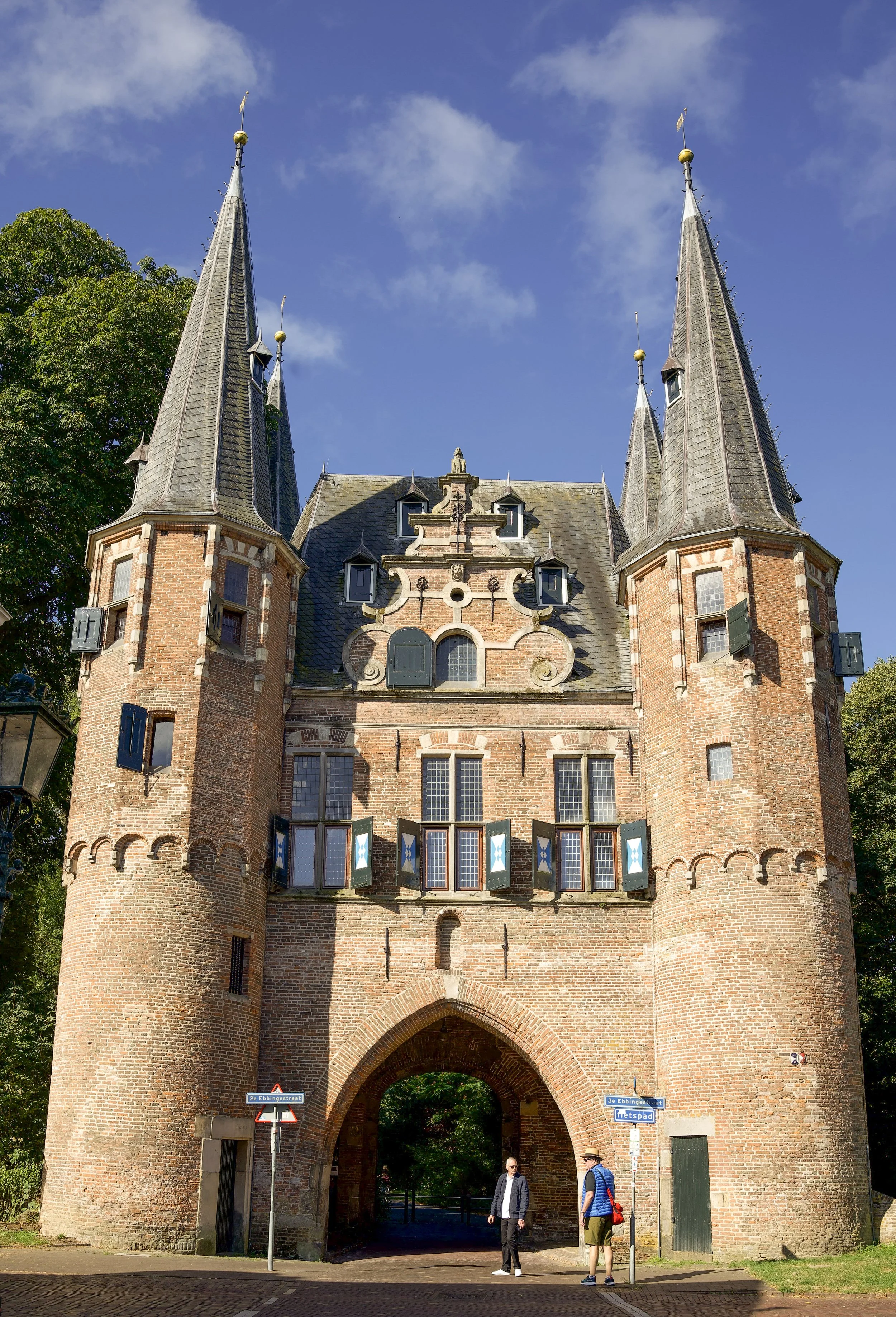
One of the first things we encountered were the old city gates. Kampen once had a substantial defensive wall and several gates, and
three impressive examples have survived. We passed through two of them — the Koornmarktspoort, dating back to the early 14th century, and the elegant Cellebroederspoort. The third, the Broederpoort, was also nearby.
It's hard not to imagine what the town must have looked like centuries ago, with merchants arriving from the river, goods being loaded and unloaded and the gates being closed at night to keep the town secure.
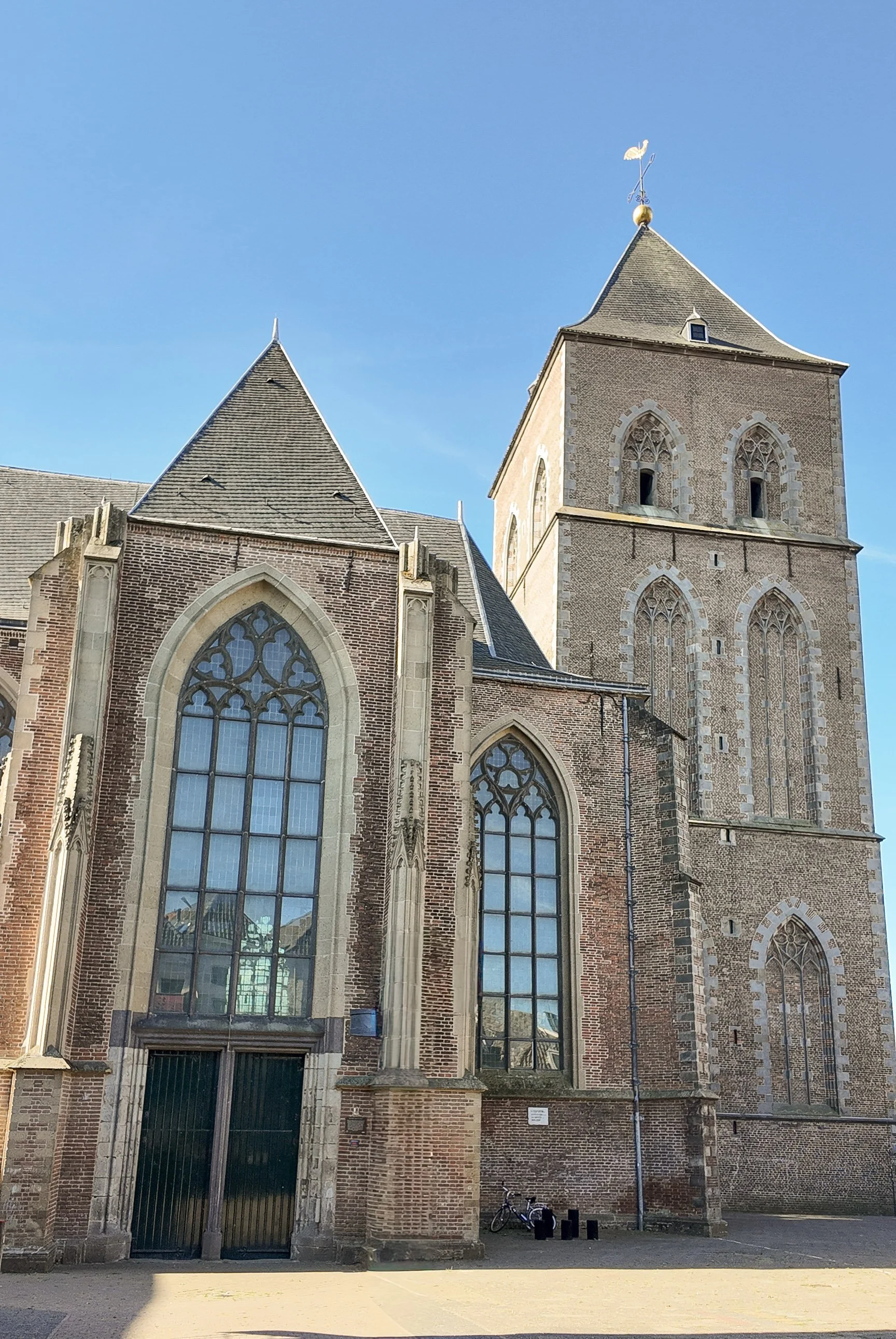
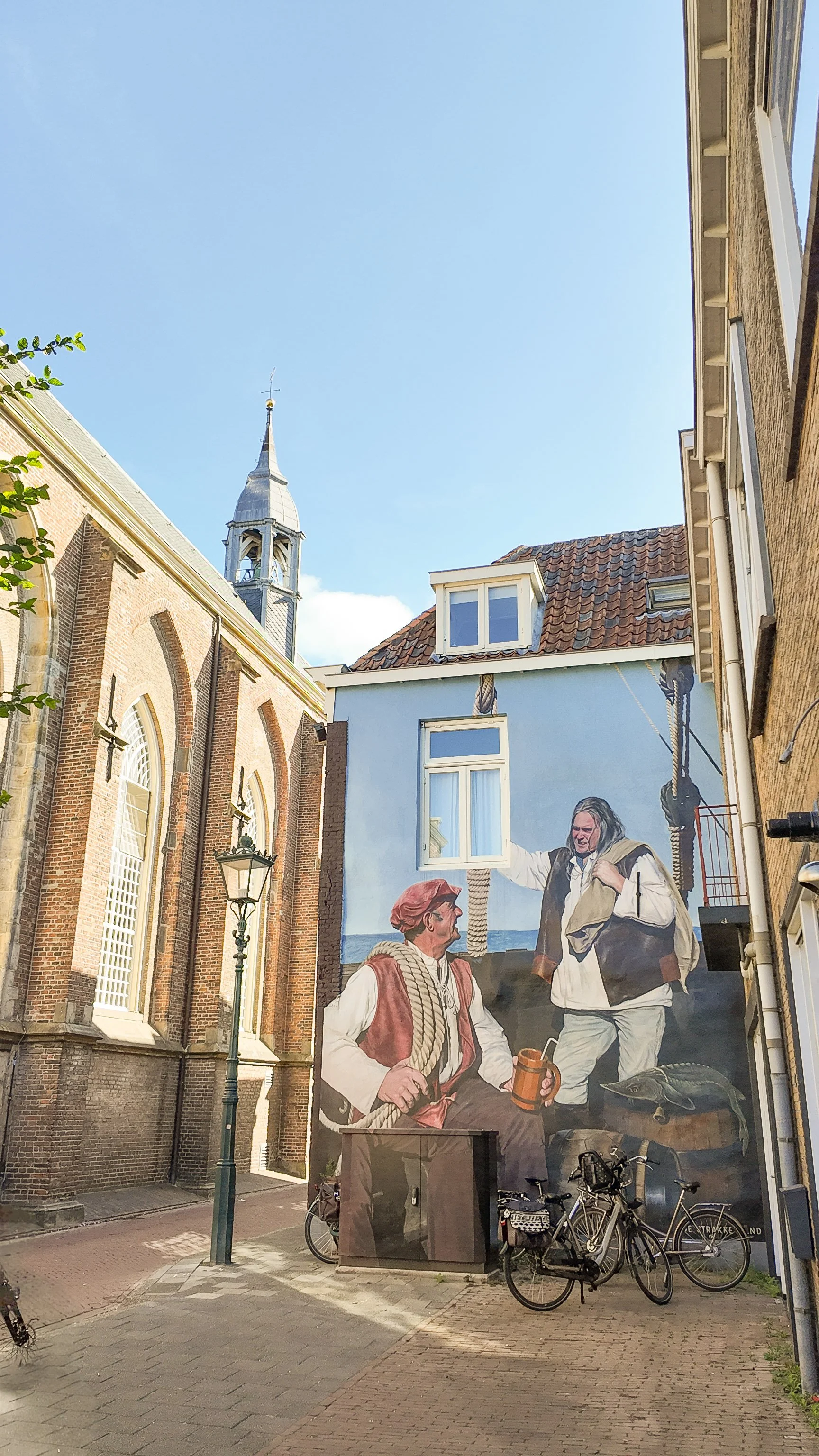
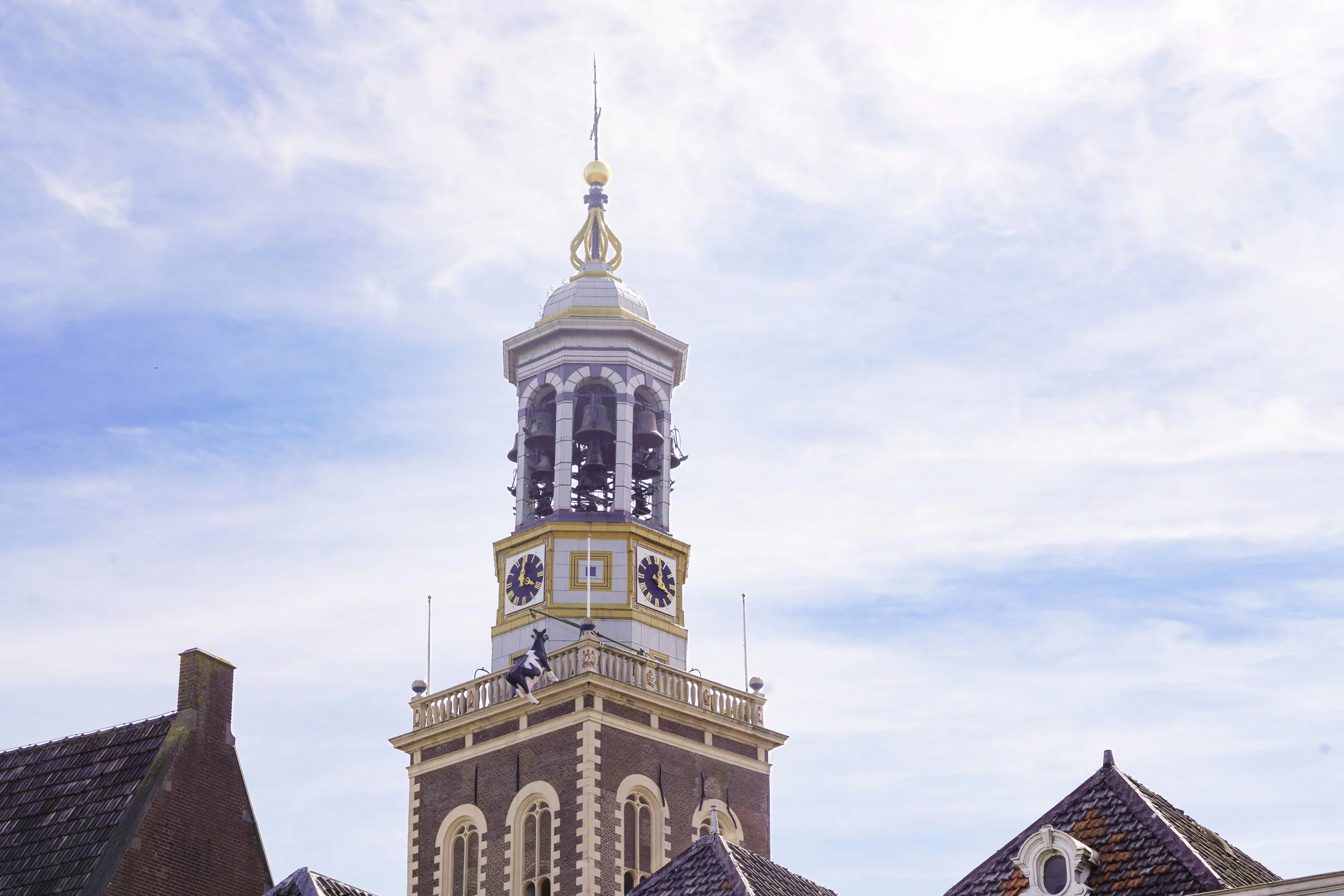
Dominating the skyline is the enormous Bovenkerk, or St Nicholas Church. This Gothic basilica is difficult to miss — and, after wandering through narrow streets and medieval alleyways, suddenly finding yourself looking up at such a huge building is quite something. We continued our wander through the town, stopping along the way for some very important research.
Cheese. Chocolate. More cheese. And, because this was clearly an educational trip, some additional chocolate.
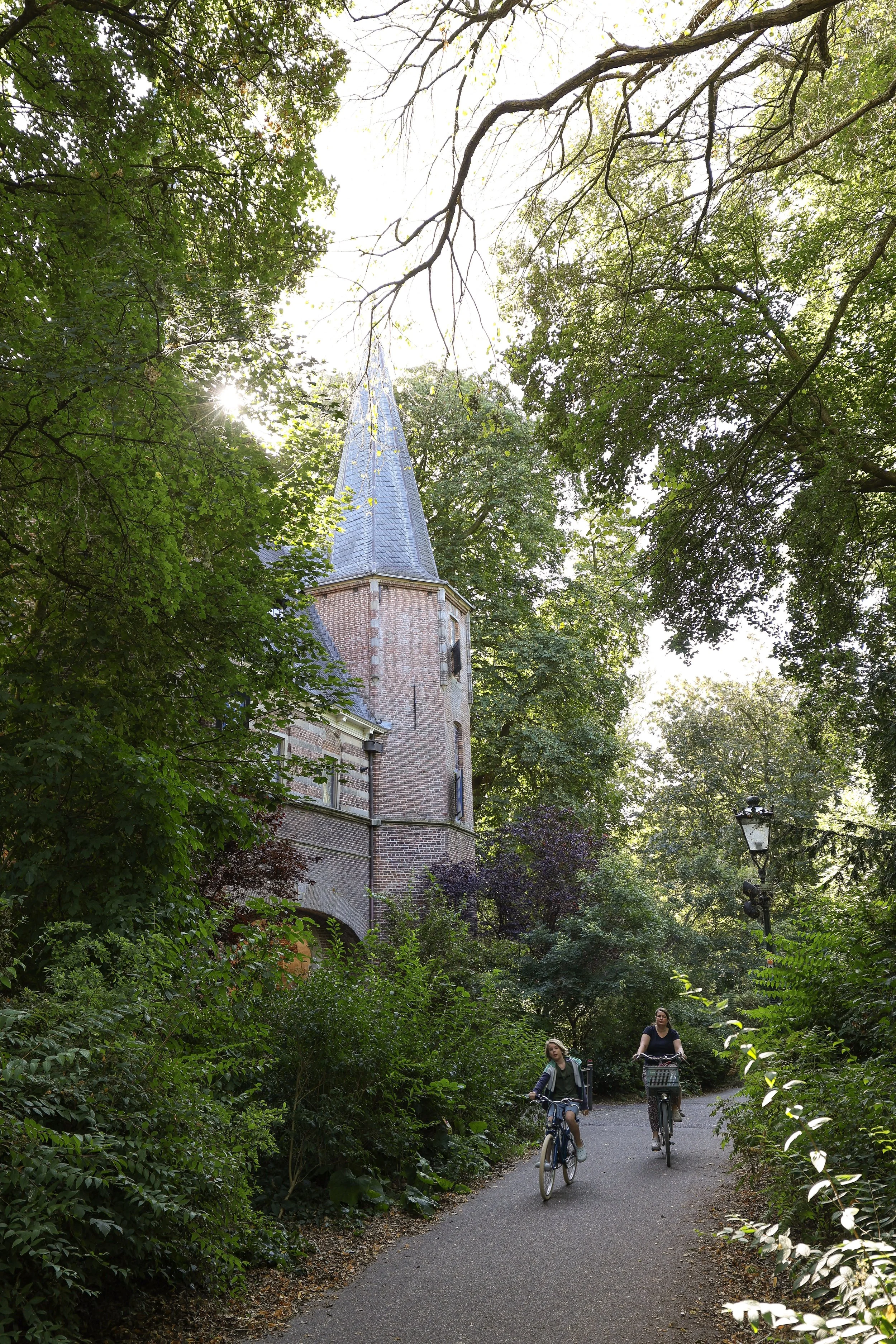
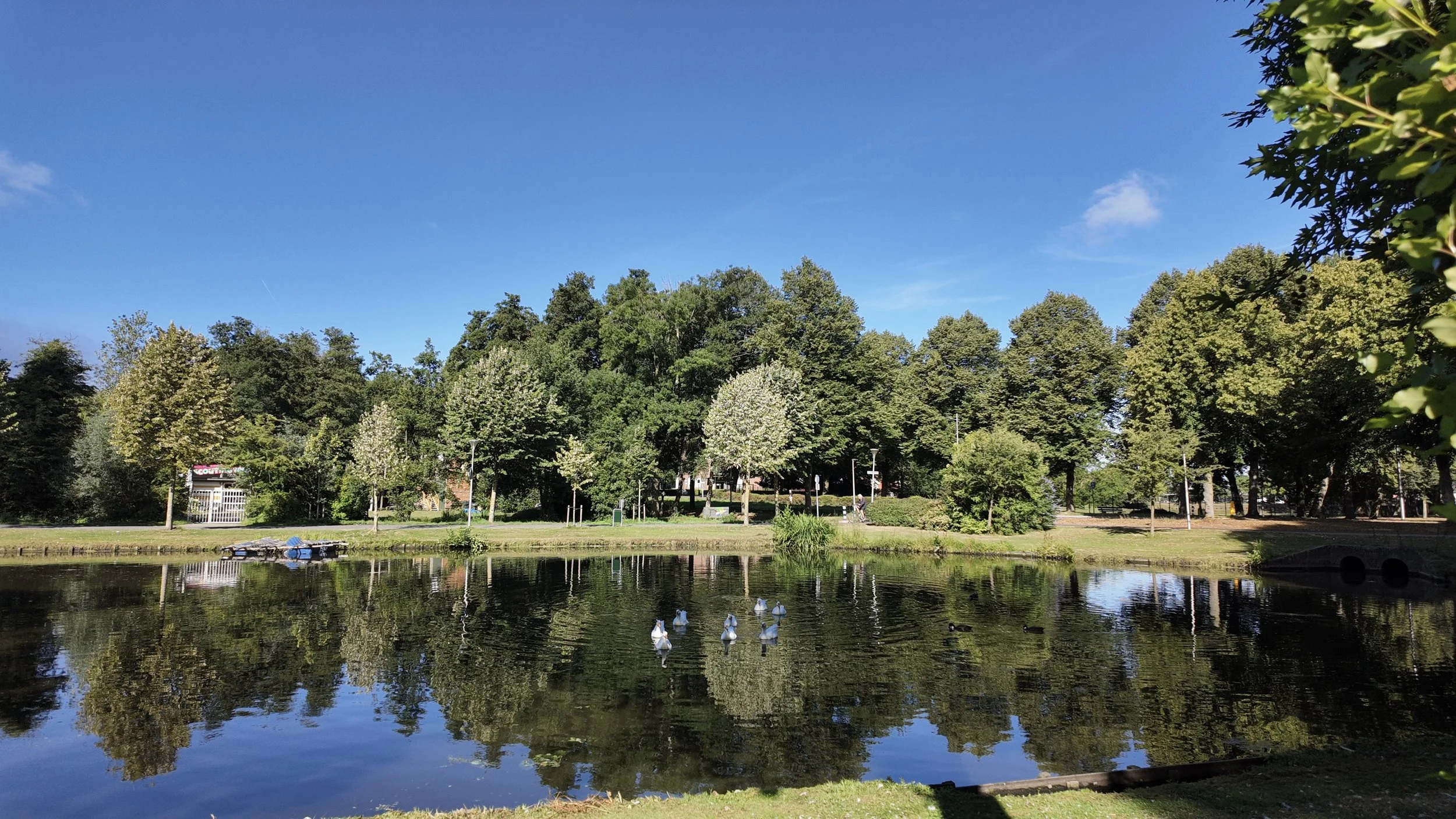
We wandered through the lovely Stadspark Kampen, enjoying a bit of greenery and shade before eventually finding ourselves in the shopping precinct.
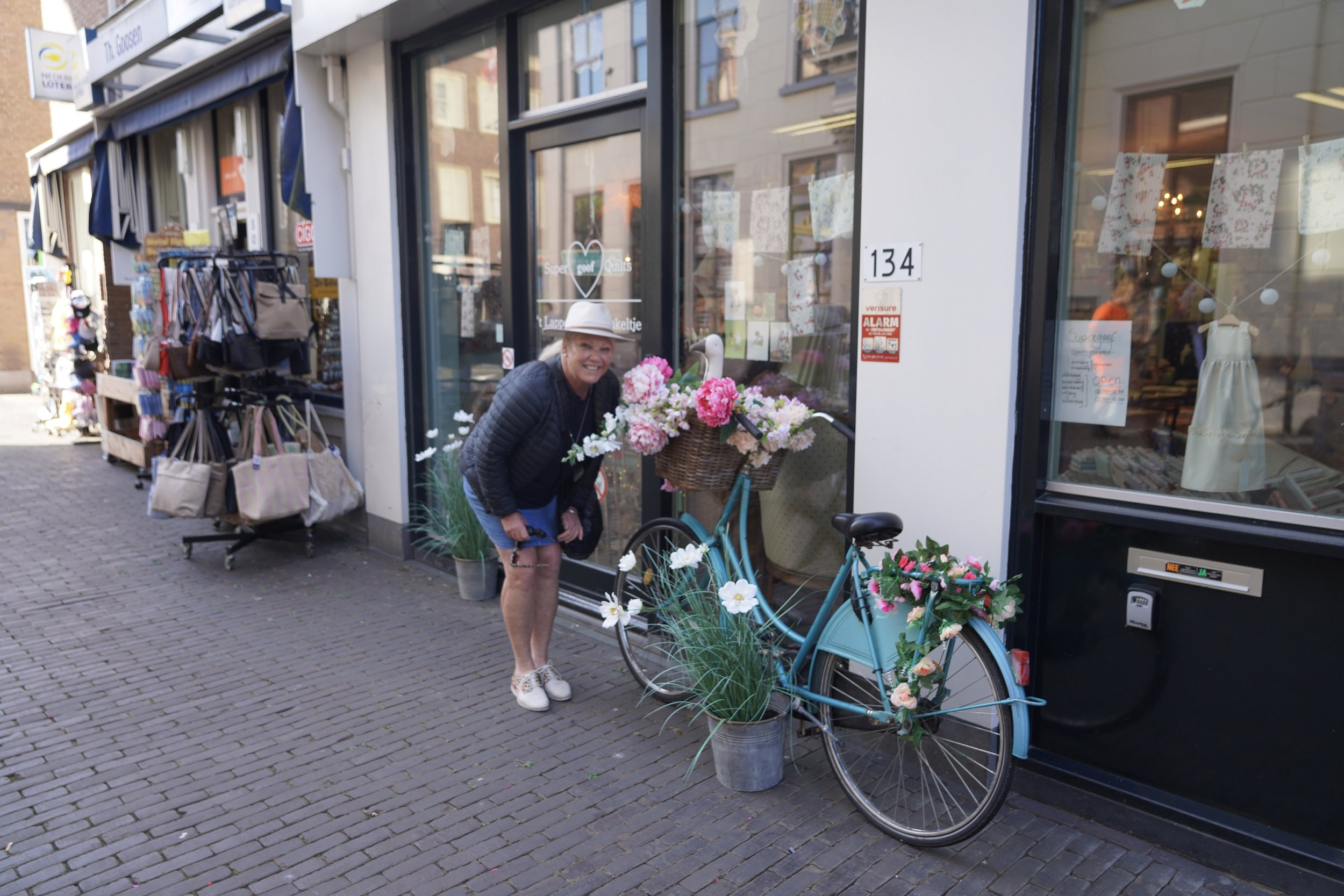
And this is where the Grand Tour took an unexpected turn. Shopping.
I bought a pair of shoes. And before anyone asks — no, they weren't clogs. There are limits to how authentically Dutch I am prepared to become.
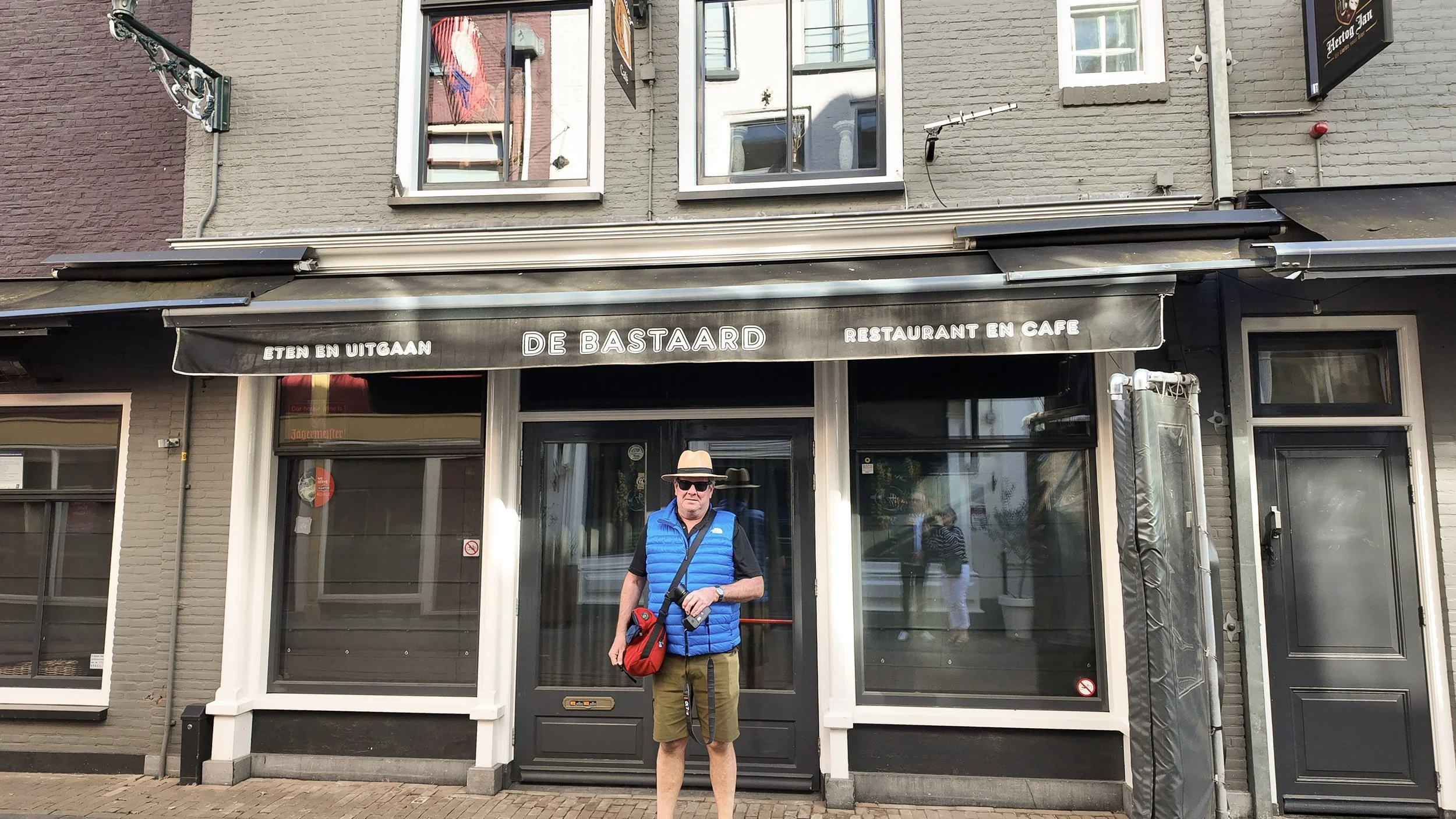
By now the temperature was climbing and the combination of walking, shopping and sampling our way through Kampen had made us thirsty. We began looking for somewhere shady to stop for a beer when we came across a beautifully restored historic building associated with Kampen's former military barracks, the Generaal J.B. van Heutszkazerne, now known as De
Stadskazerne. While admiring the building, we got chatting to the owner, who told us a fascinating — and much darker — story about the area. He explained that some of the historic buildings had rear exits and connections to the town centre, including routes that were reportedly used as escape routes during the Second World War. According to the story he shared with us, hundreds of Jewish children were helped to escape Nazi custody and avoid deportation to concentration camps.
It was one of those unexpected moments that can completely change the character of a sightseeing walk. One minute you're admiring beautiful old Dutch architecture; the next you're being reminded that these same streets have witnessed some extraordinarily difficult chapters of European history.
It also brought home something we'd increasingly notice throughout our travels: history here isn't confined to museums and
monuments. It's built into the streets, houses and buildings around you.
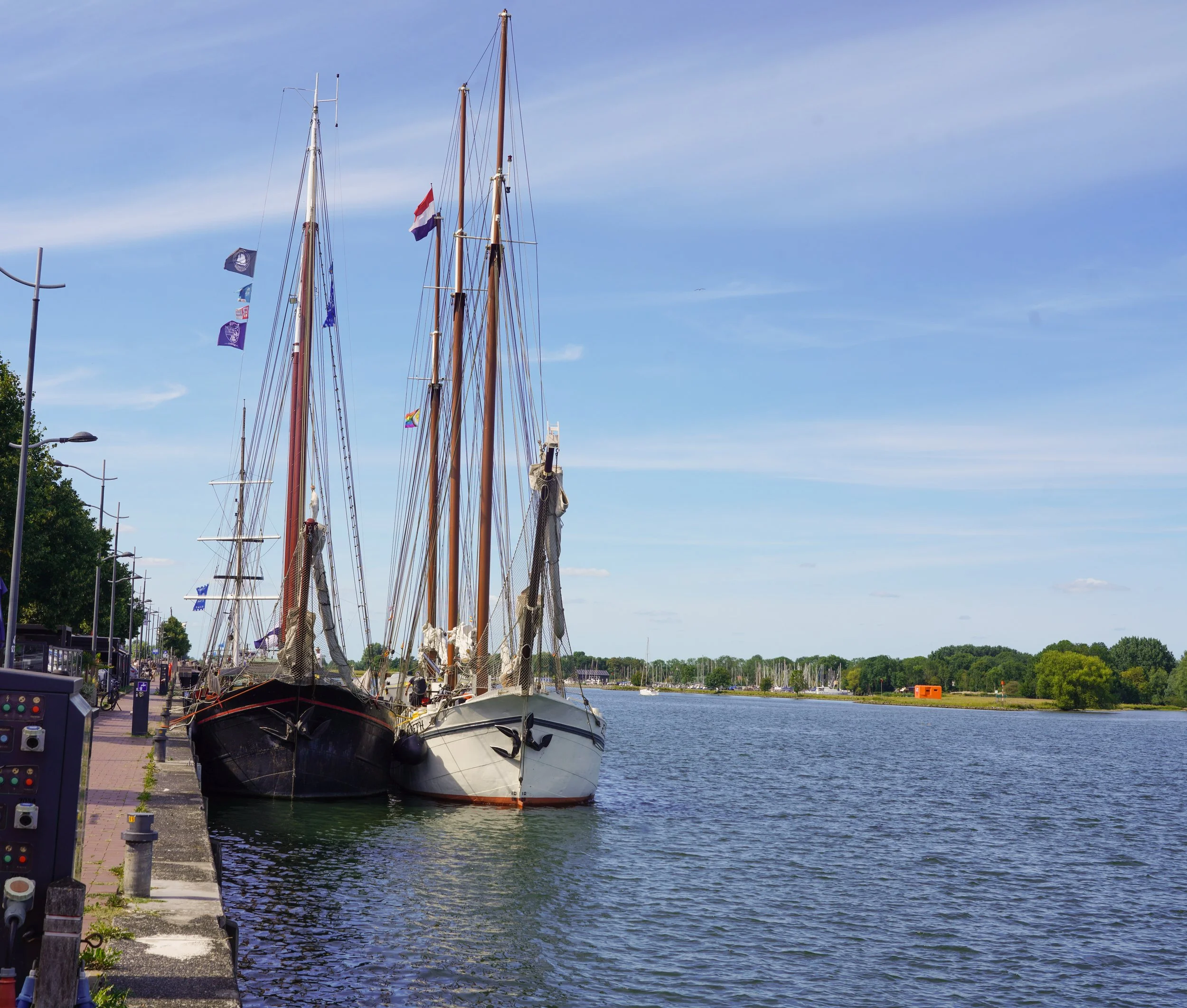
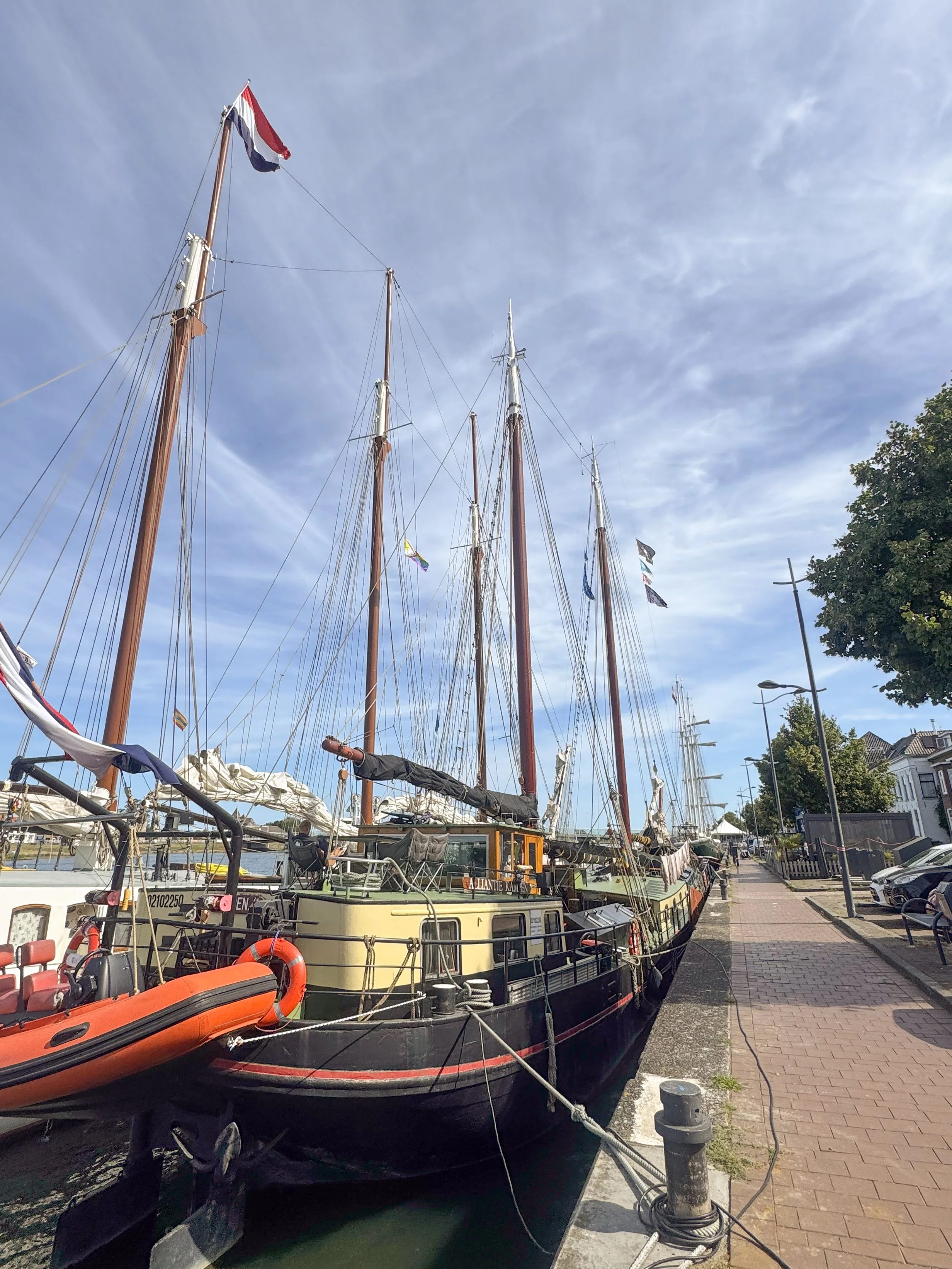
We continued along the waterfront, where the scenery changed again. The river was lined with historic buildings, working docks and a collection of magnificent old sailing ships. These beautifully restored vessels are a reminder of the days when Kampen's prosperity depended on trade and the river was its highway to the rest of Europe.
The ships were impressive, the waterfront was beautiful and the weather was now decidedly warm. Very warm.
In fact, we'd reached that point in the day where appreciating historic architecture became considerably easier when viewed from
somewhere serving cold beer. So we found a local pub, took refuge in the shade and ordered a couple of well-earned refreshments.
Kampen had turned out to be a wonderful first stop on our river journey — picturesque, steeped in history and small enough to explore on foot without requiring a detailed spreadsheet.
Although I'm fairly sure Concetta had one anyway.
Eventually, suitably refreshed, we wandered back to the boat. The afternoon had given us medieval gates, Gothic churches, Hanseatic history, cheese, chocolate, a pair of non-clog shoes, sailing ships and a story that made us stop and think.
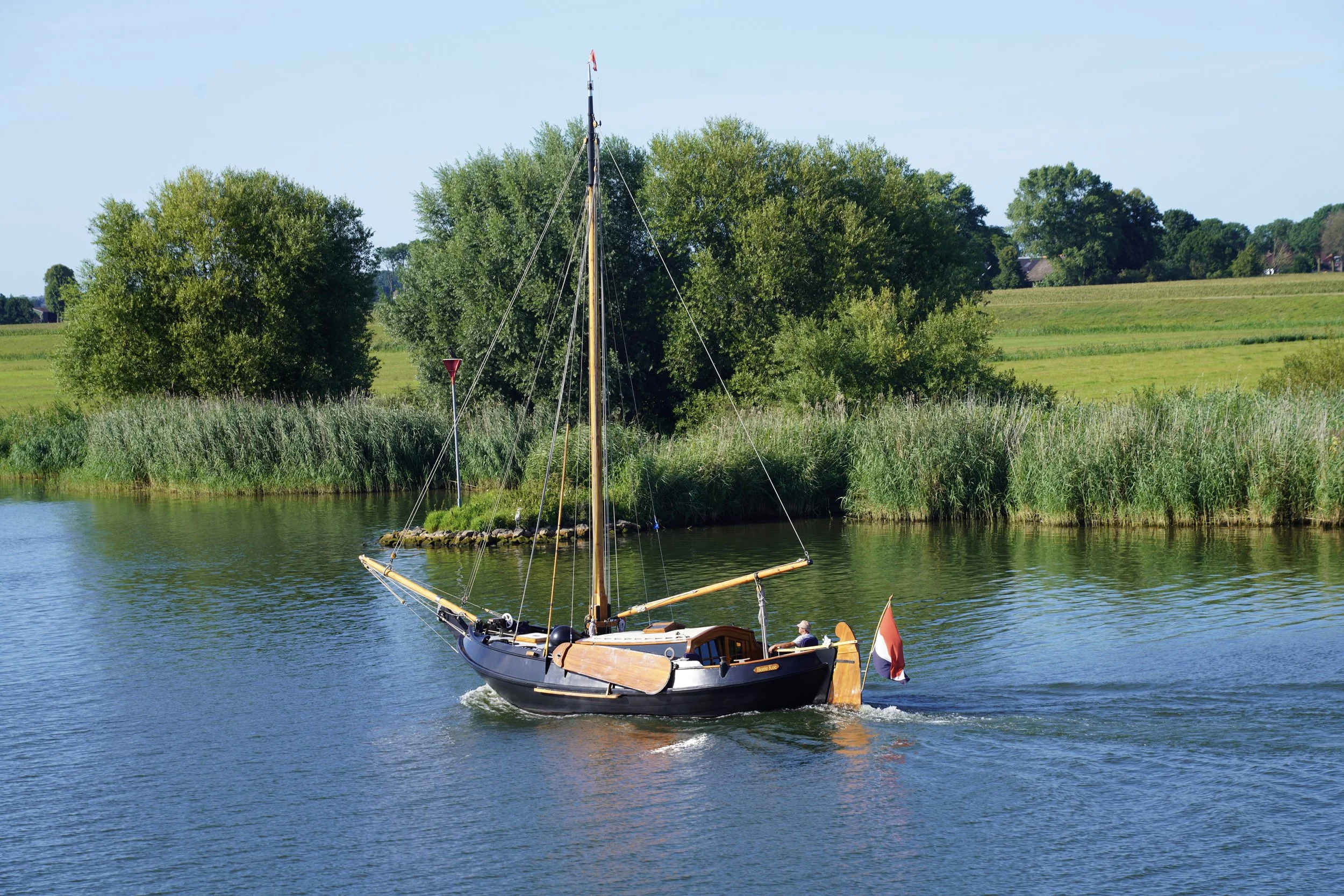
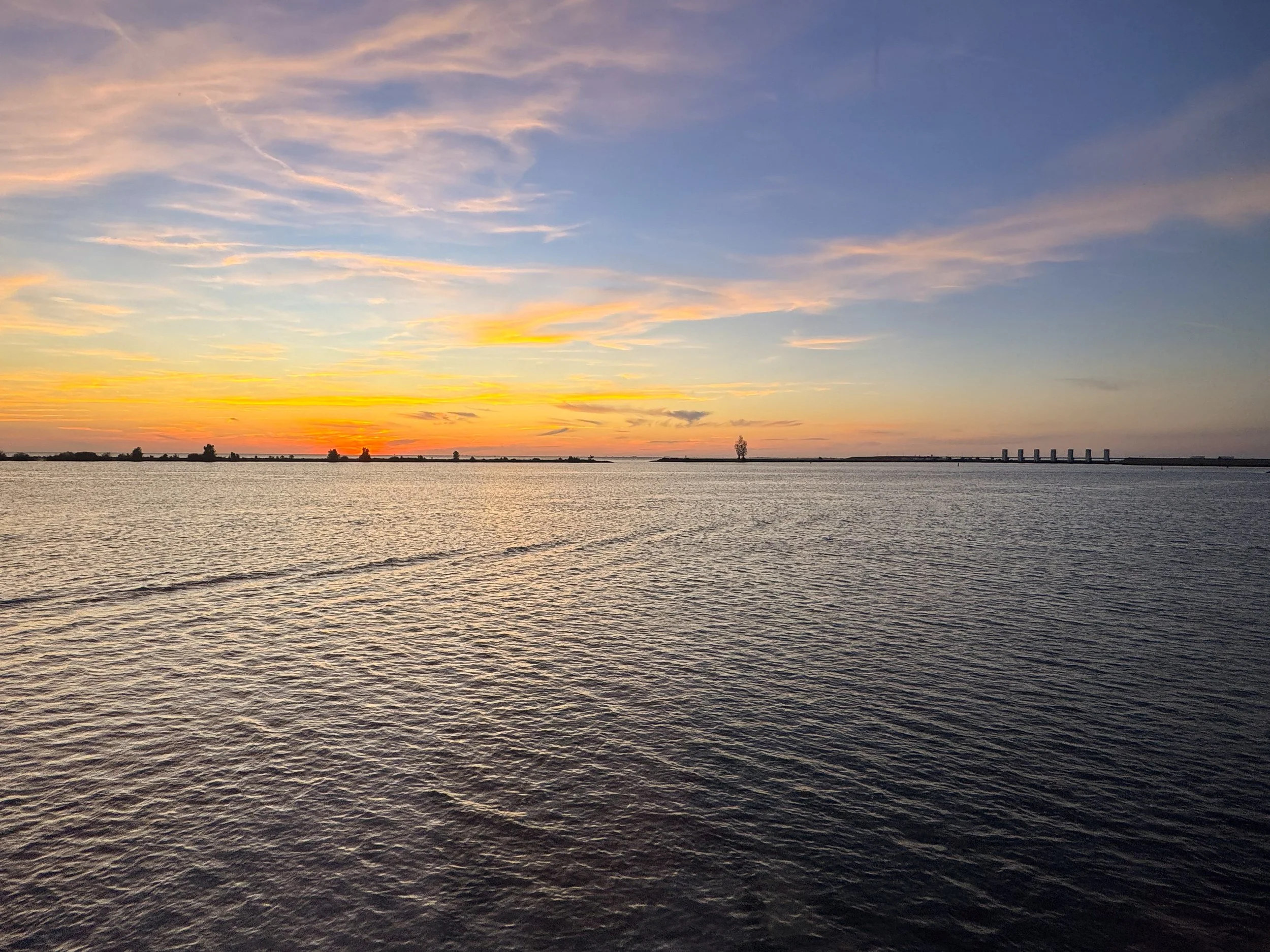
We said goodbye to Kampen in the late afternoon and headed south along the IJssel River towards Arnhem, with another spectacular sunset providing a rather impressive backdrop to our departure.
The IJssel is one of the principal branches of the Rhine, splitting from the Rhine near Arnhem and eventually flowing north into the IJsselmeer. Unlike some of the waterways we'd encounter later, this section of the IJssel is a free-flowing river, so there were no locks to negotiate. We could simply sit back, relax and watch the Dutch countryside slowly slide past.
And what countryside it was.
The Netherlands is remarkably flat — so flat that you can sometimes feel you're looking at the edge of the world — but the landscape is anything but boring. Green fields stretched towards the horizon, waterways criss-crossed the countryside and, inevitably, there were wind turbines standing like giant sentinels across the landscape. Then, somewhere around Lelystad, things got a little more surreal.
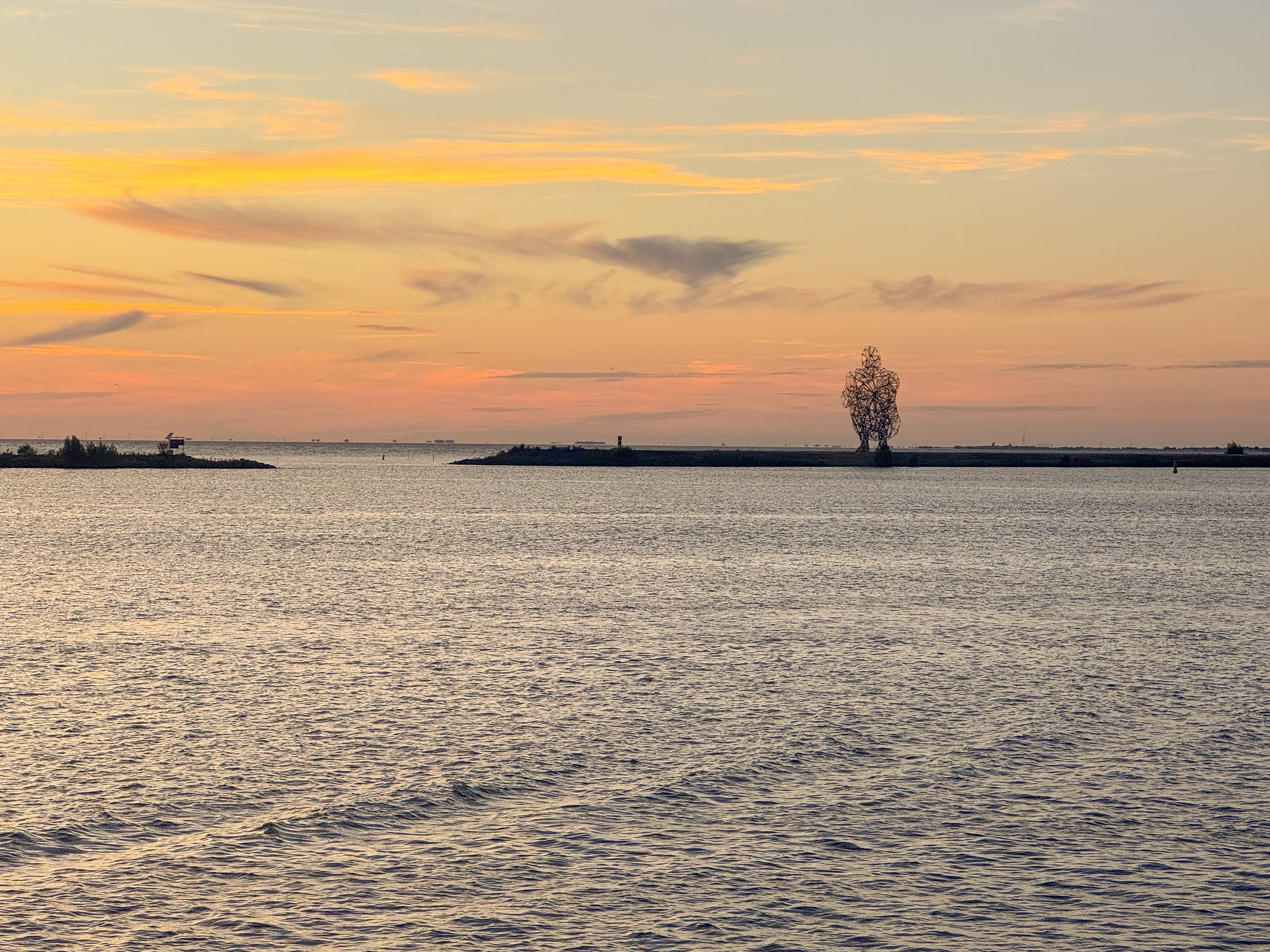
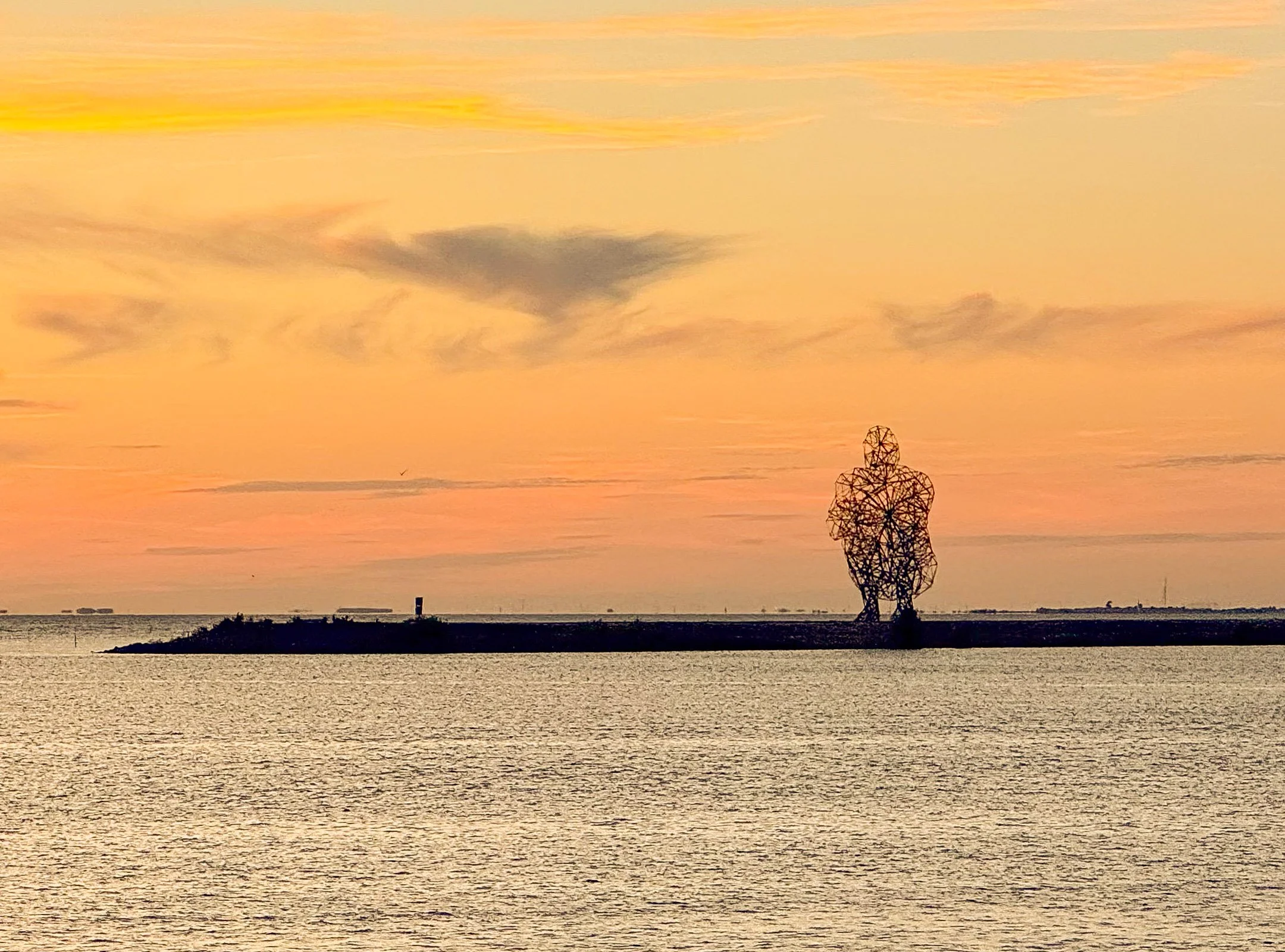
Out in the middle of the fields stood a huge human-shaped sculpture known officially as Exposure, created by British
artist Antony Gormley. The enormous crouching figure is made from stainless steel and stands about 25 metres high. From a distance, it looks almost as though a giant has wandered into the Dutch countryside and decided to take a rather long rest.
The sculpture has several nicknames, including “Crouching Man” and, somewhat less politely, “The Shitting Man.” Naturally, we preferred the last one. It's difficult not to see why. Perched on the edge of the polder landscape, the enormous figure looks particularly strange as you glide past on a river boat. It was one of those completely unexpected sights that you don't put on a European travel itinerary but which ends up being one of the things you remember.
The setting sun made the whole scene even more dramatic. The sky changed from brilliant gold to orange and pink, the water reflected the fading light and the turbines became silhouettes against the horizon.