Kotor
Lyndall woke before dawn, partly because she wanted to see their arrival into Kotor and partly because her body clock had apparently decided that sleeping in was no longer an option on this holiday.
It was worth getting up.
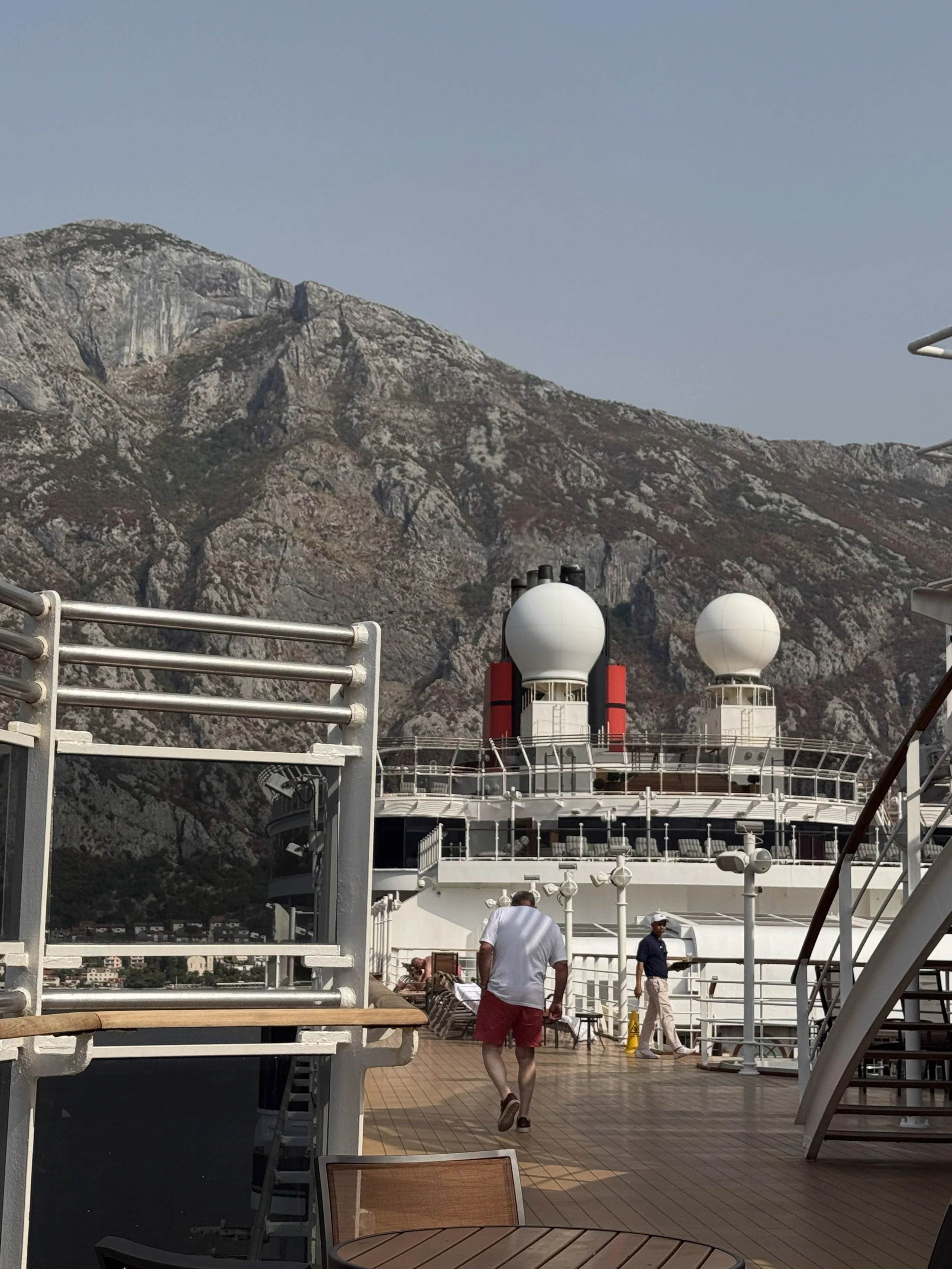
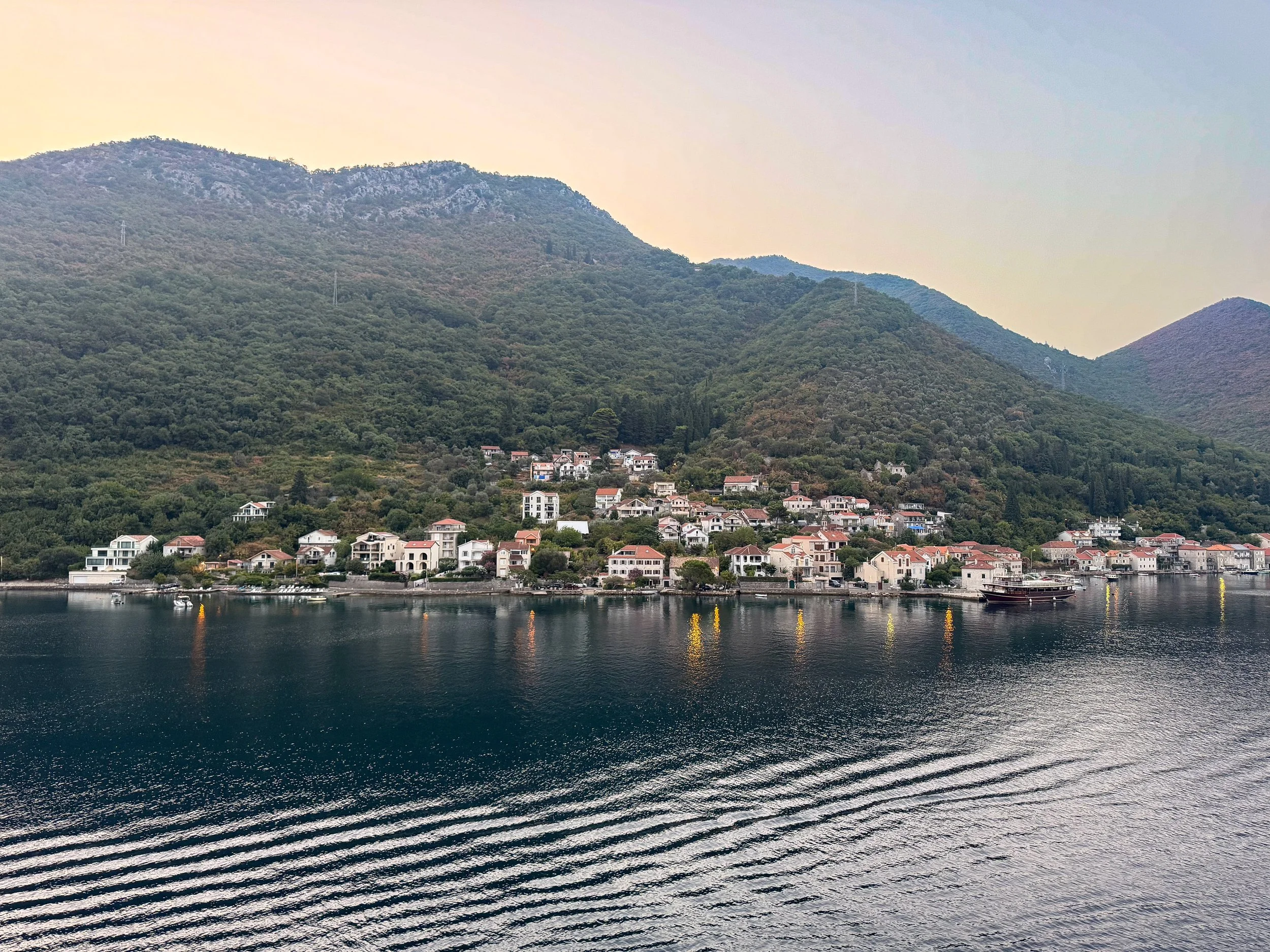
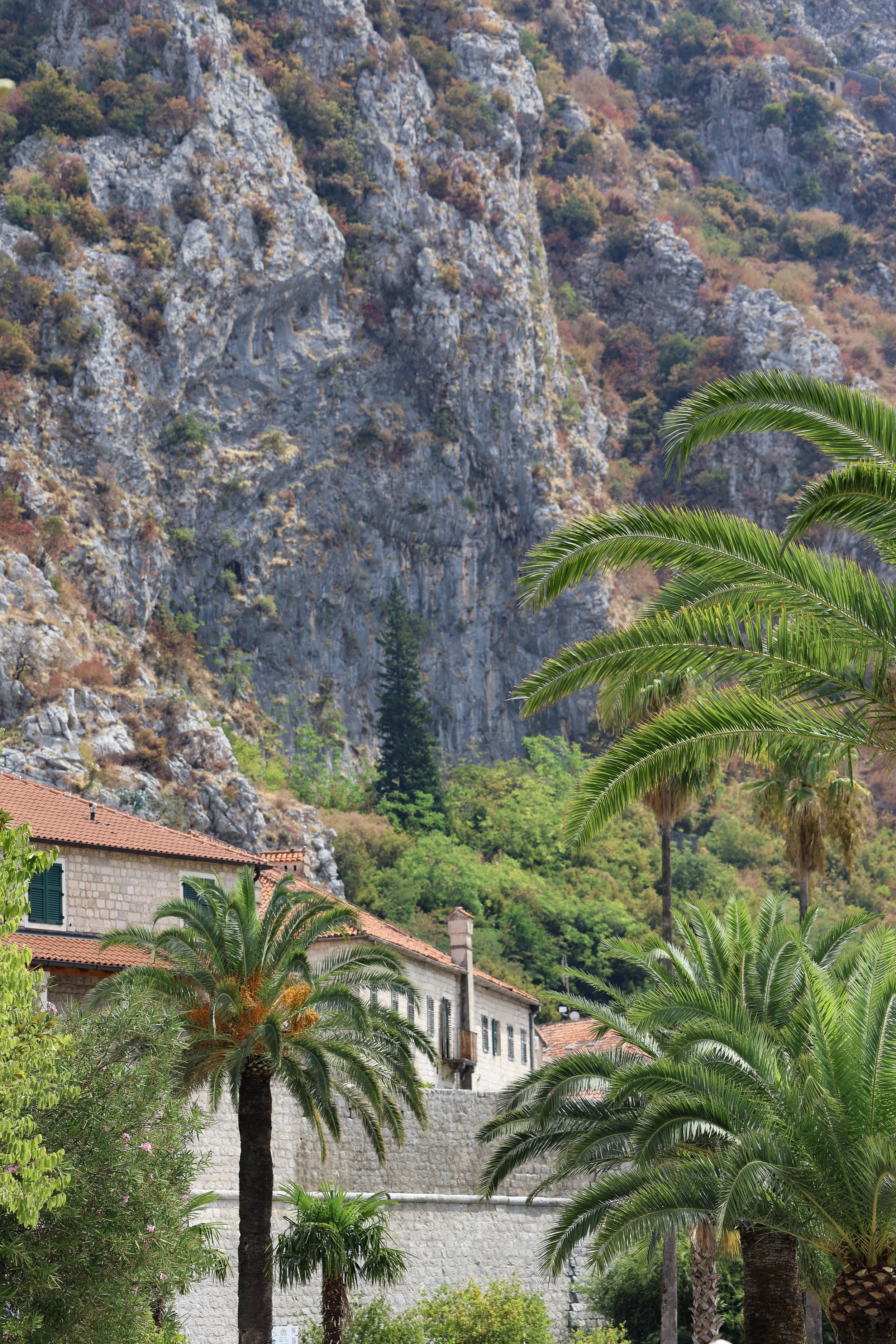
The ship was creeping into the breathtaking Bay of Kotor at a positively leisurely one knot — apparently there is no point rushing when you have scenery like this to look at. In the early light, the enormous mountains rose almost vertically from the water on either side of us, making the ship feel very small indeed. The Bay of Kotor, or Boka Bay, is actually a series of interconnected bays winding deep into the Montenegrin coastline. The steep limestone mountains surrounding it are part of the Dinaric Alps and rise
dramatically to more than 1,700 metres around the wider region. As the sky gradually changed from dark blue to pink and gold, little villages began to appear along the shoreline. Stone houses, red-tiled roofs, tiny churches and old waterfront buildings seemed to cling to every available piece of land between the mountains and the water. It was incredibly peaceful, with hardly a ripple on the bay, and I spent the entire approach glued to the railings, camera in hand, convinced that the next bend couldn't possibly be any prettier than the last.
It was.
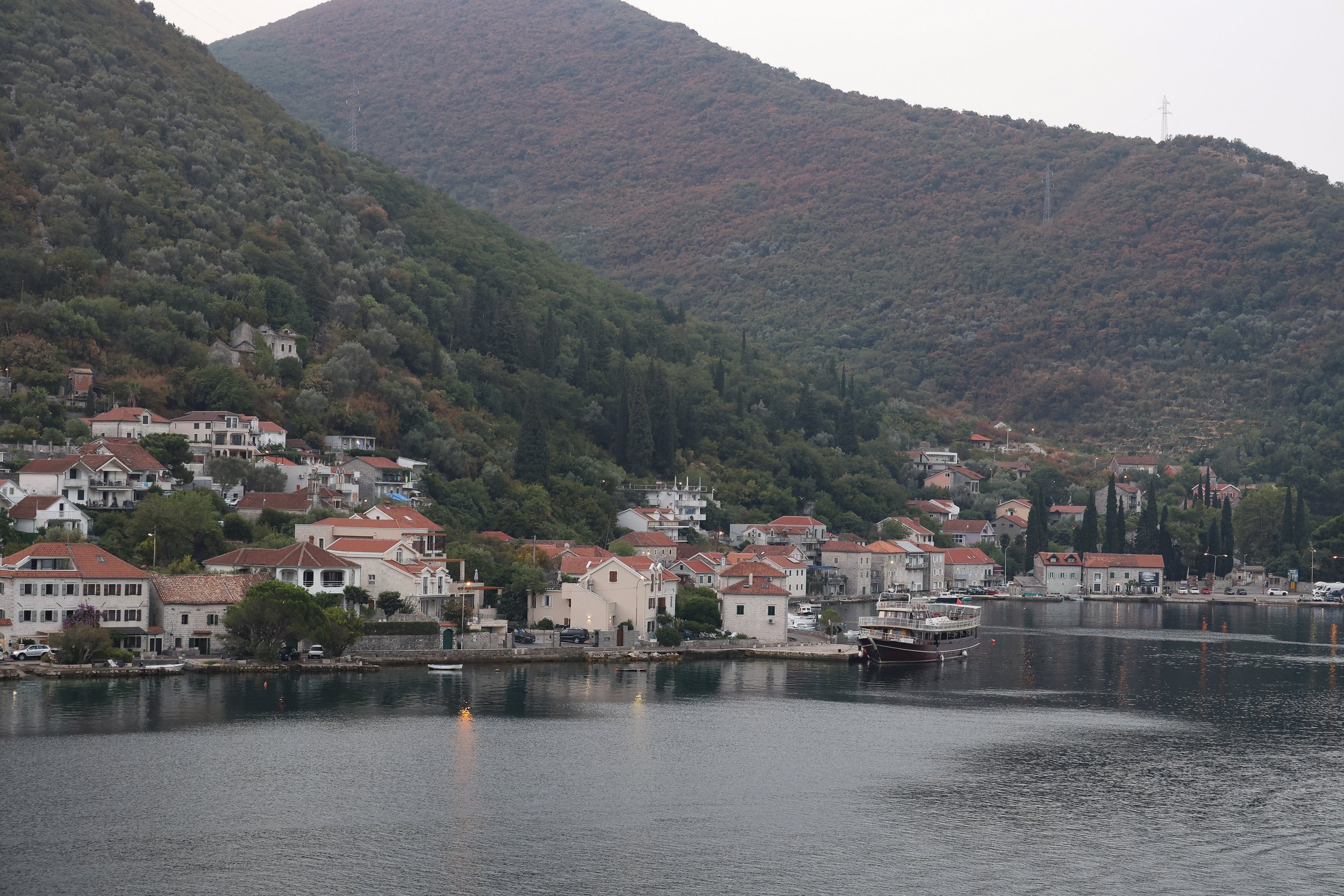
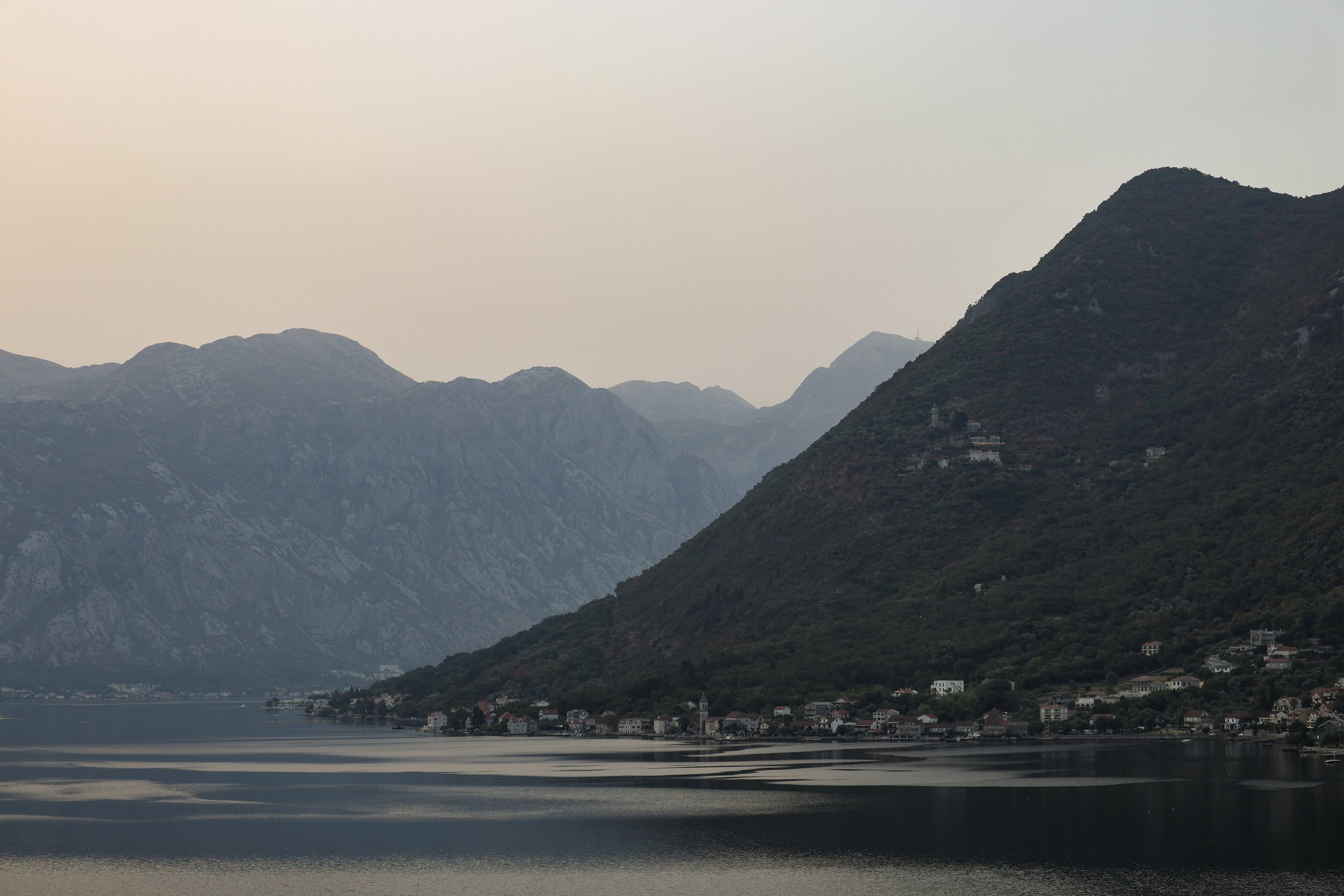
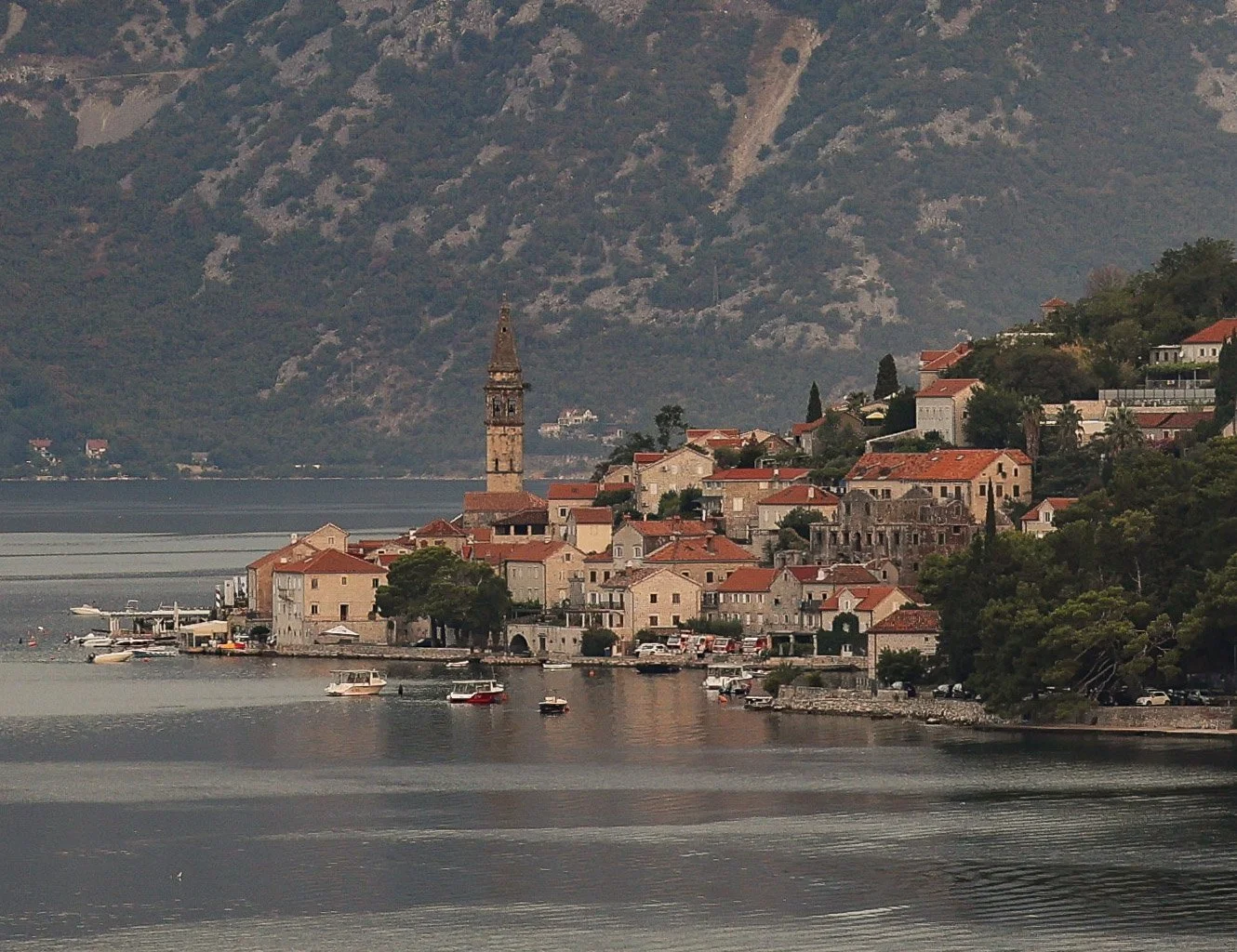
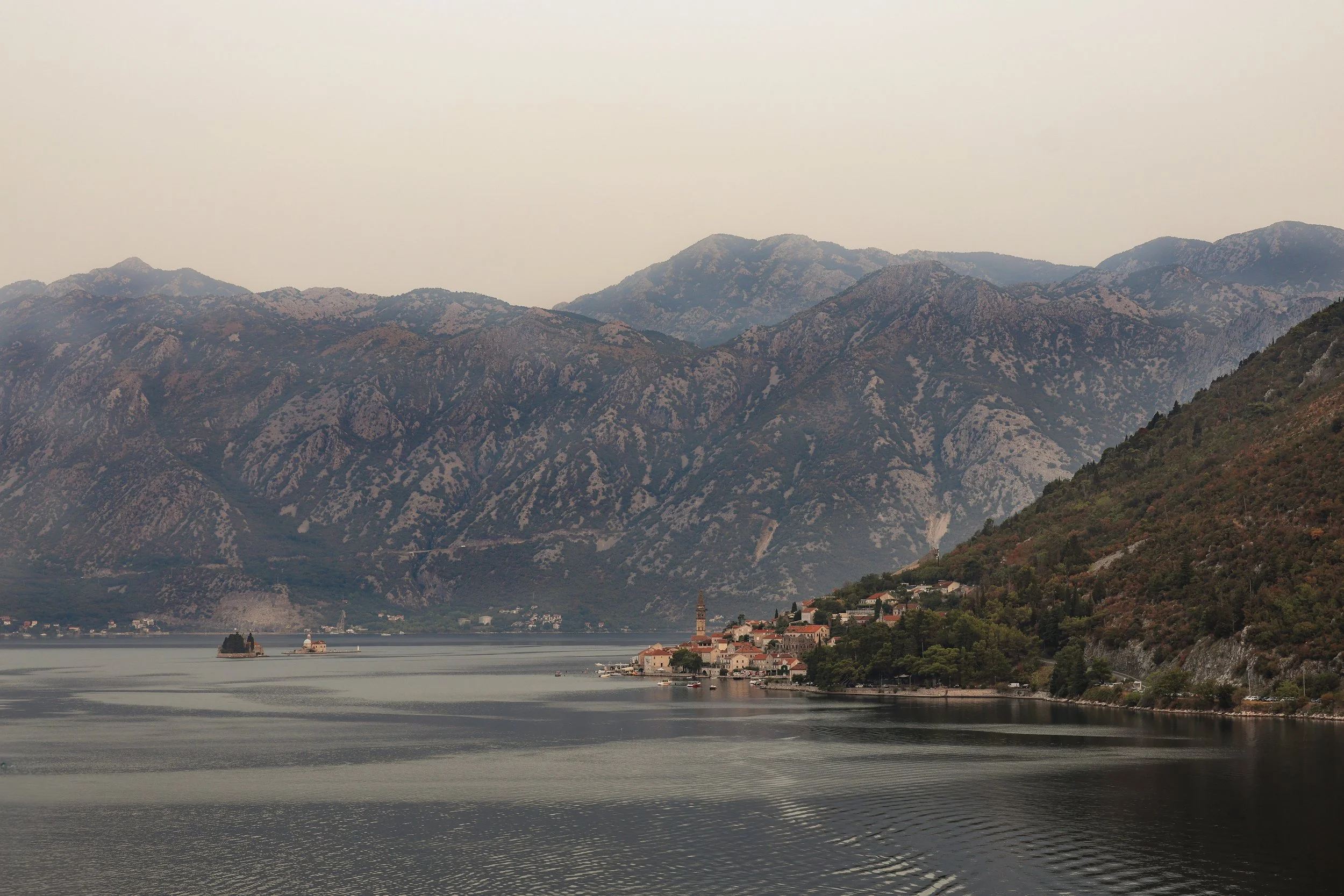
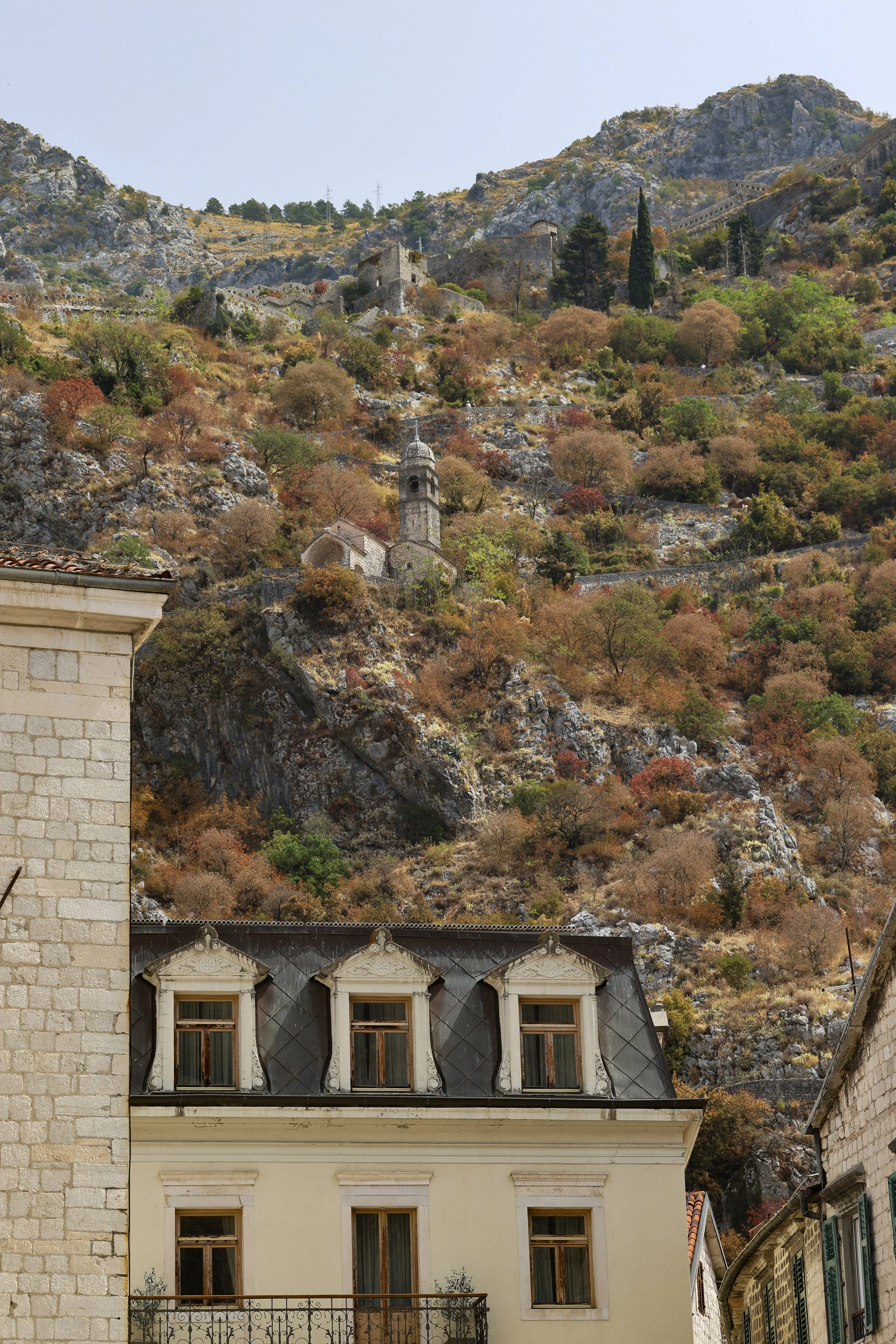
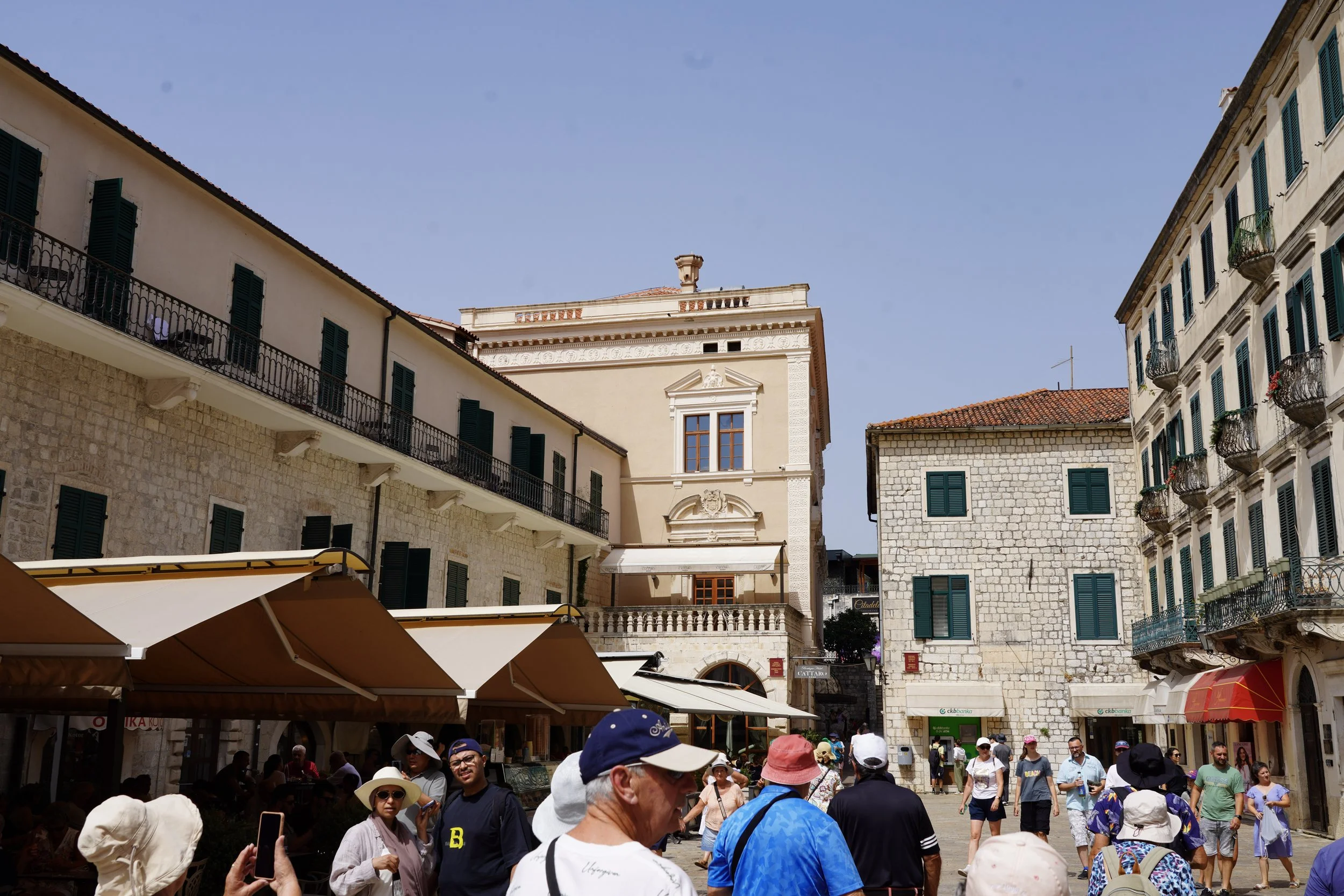
The Bay of Kotor and the historic town of Kotor are UNESCO-listed, and it isn't difficult to see why. This is a landscape where nature and history seem to have been deliberately arranged for maximum dramatic effect. Kotor has been an important maritime centre for centuries, and its sheltered position made it an incredibly valuable port. The old town, with its medieval walls, churches and Venetian-influenced architecture, sits right at the head of the bay beneath the formidable mountains.
By the time the sun had fully risen, we were anchored in the bay.
Kotor is a small port and there is limited space for cruise ships, so only one large ship can anchor there at a time. And, naturally, someone had beaten us to it. So rather than simply strolling off the ship, we had to climb aboard a tender and make our way ashore. It wasn't exactly a hardship, though. The short ride across the sparkling water gave us yet another spectacular view of the mountains and the old town.
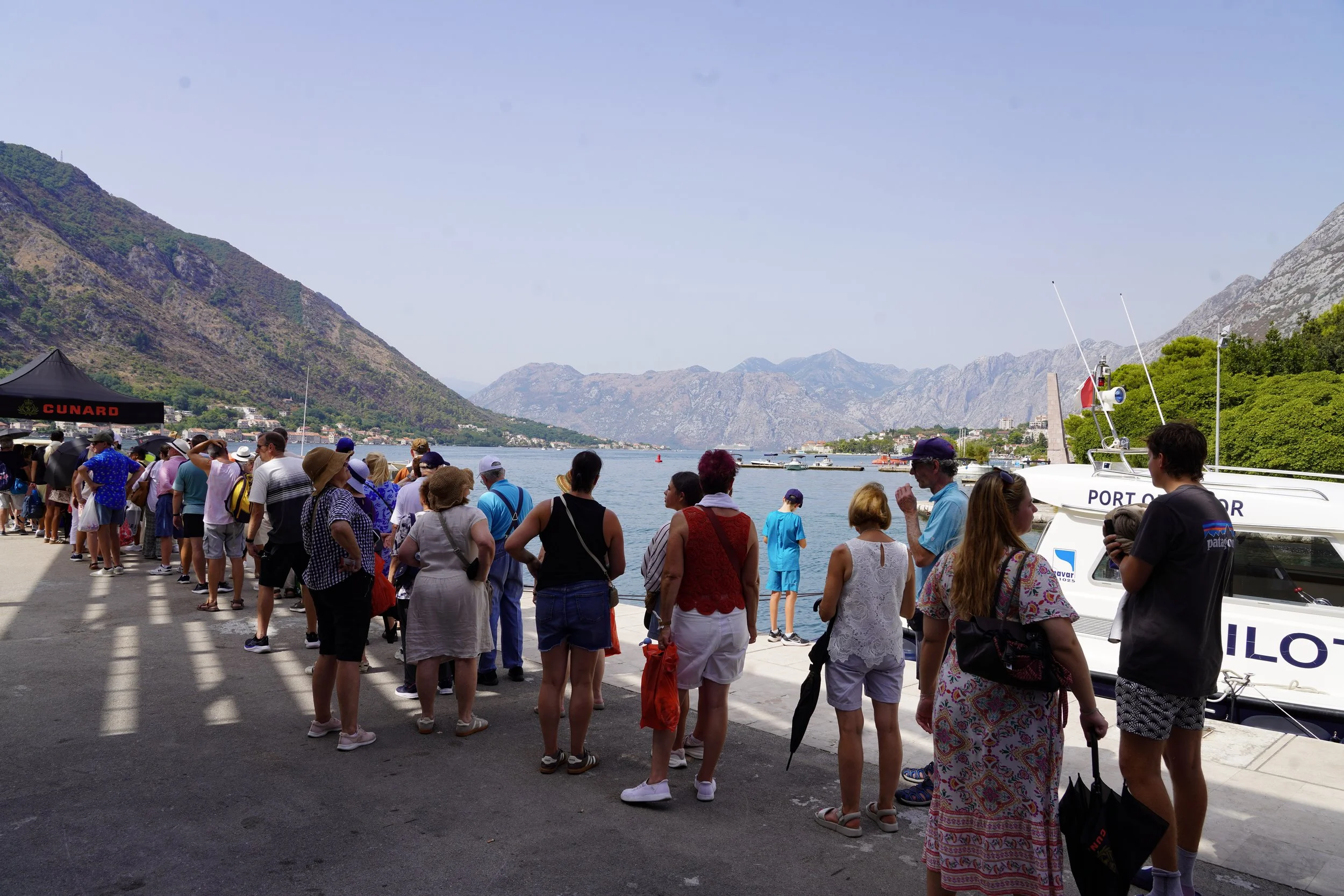
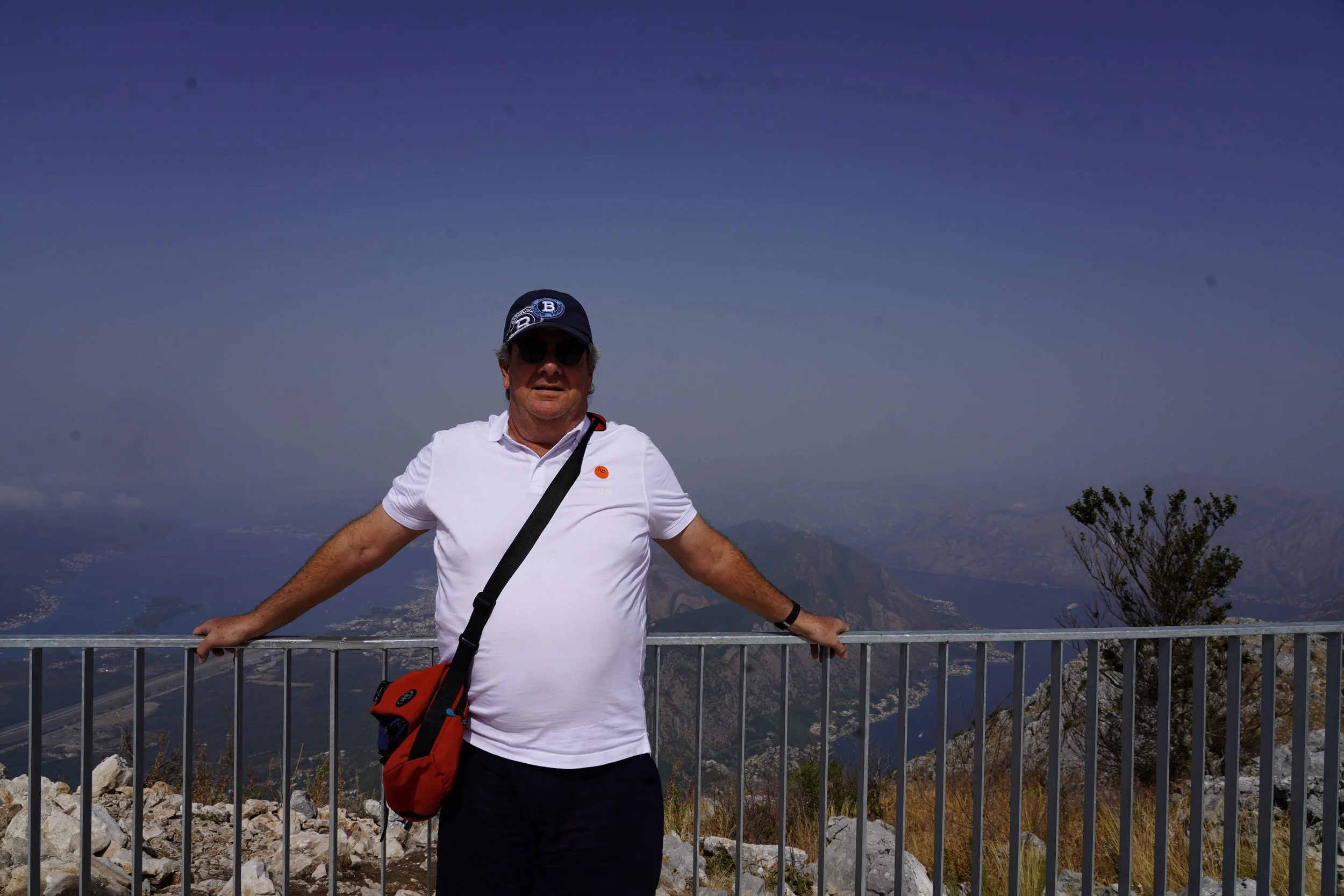
We had a planned excursion today, so John, Connie, Alan and Lyndall jumped on a bus and headed for the Kotor–Lovćen cable car. This was a relatively new attraction when we visited and sounded like exactly the sort of thing we needed — especially after all the walking and sightseeing we'd been doing.
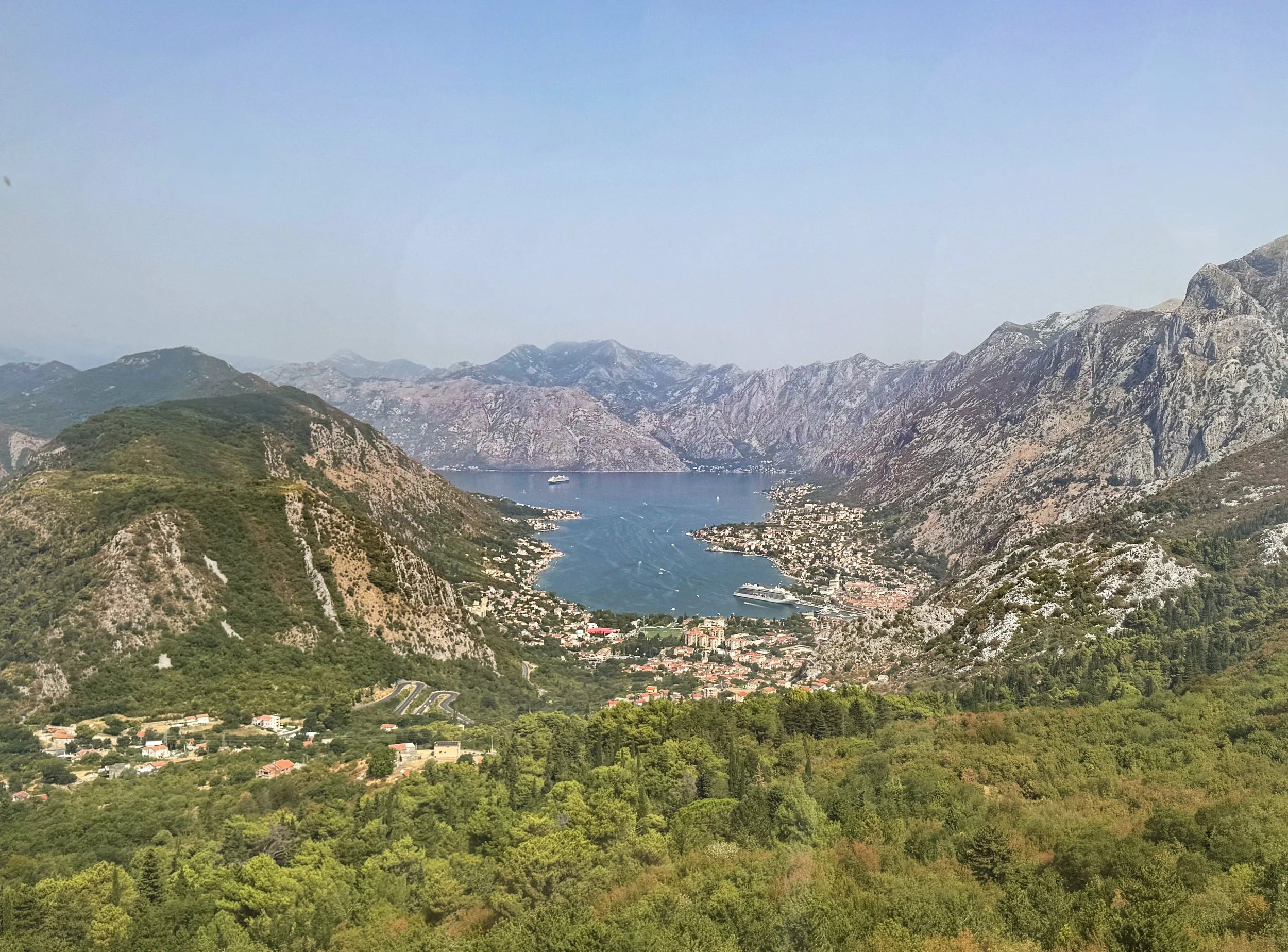
The cable car climbs an extraordinary 1,316 metres from near Kotor to the slopes of Mount Lovćen, travelling almost four kilometres in about eleven minutes.
And what a ride it was.
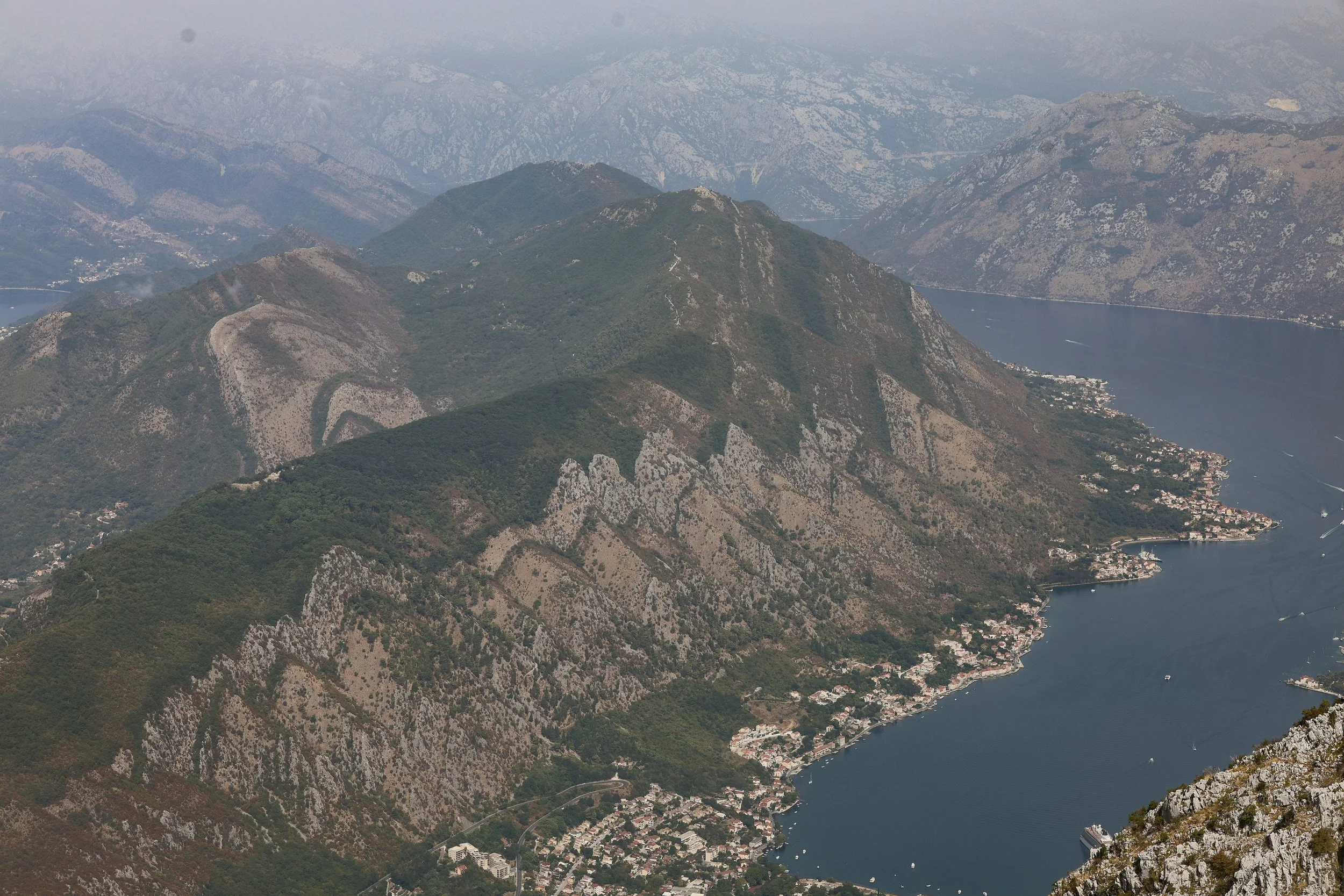
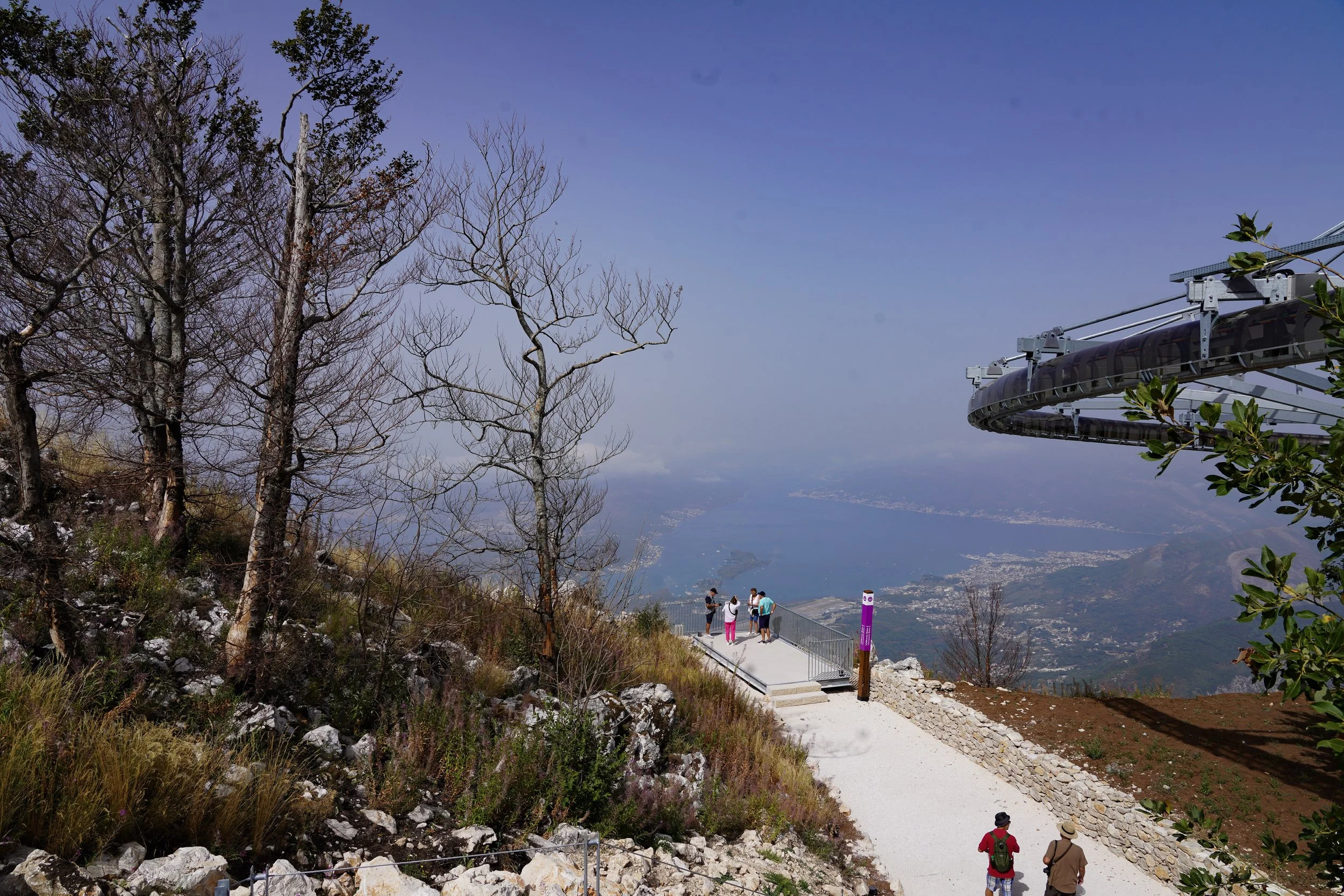
As our little gondola rose higher and higher, Kotor and the bay gradually shrank beneath us. The view became more spectacular with every metre we climbed. From the top, the whole of Boka Bay stretched out below, with the mountains appearing to tumble down into the water. The combination of deep blue sea, rugged grey limestone and tiny settlements dotted along the shoreline was simply extraordinary.
Lovćen is much more than just a pretty mountain, too. It is regarded as a symbol of Montenegrin identity and has been a place of importance to the country for centuries. The mountain is now a national park, and its highest peaks rise to 1,749 metres. And it was gloriously cool up there.
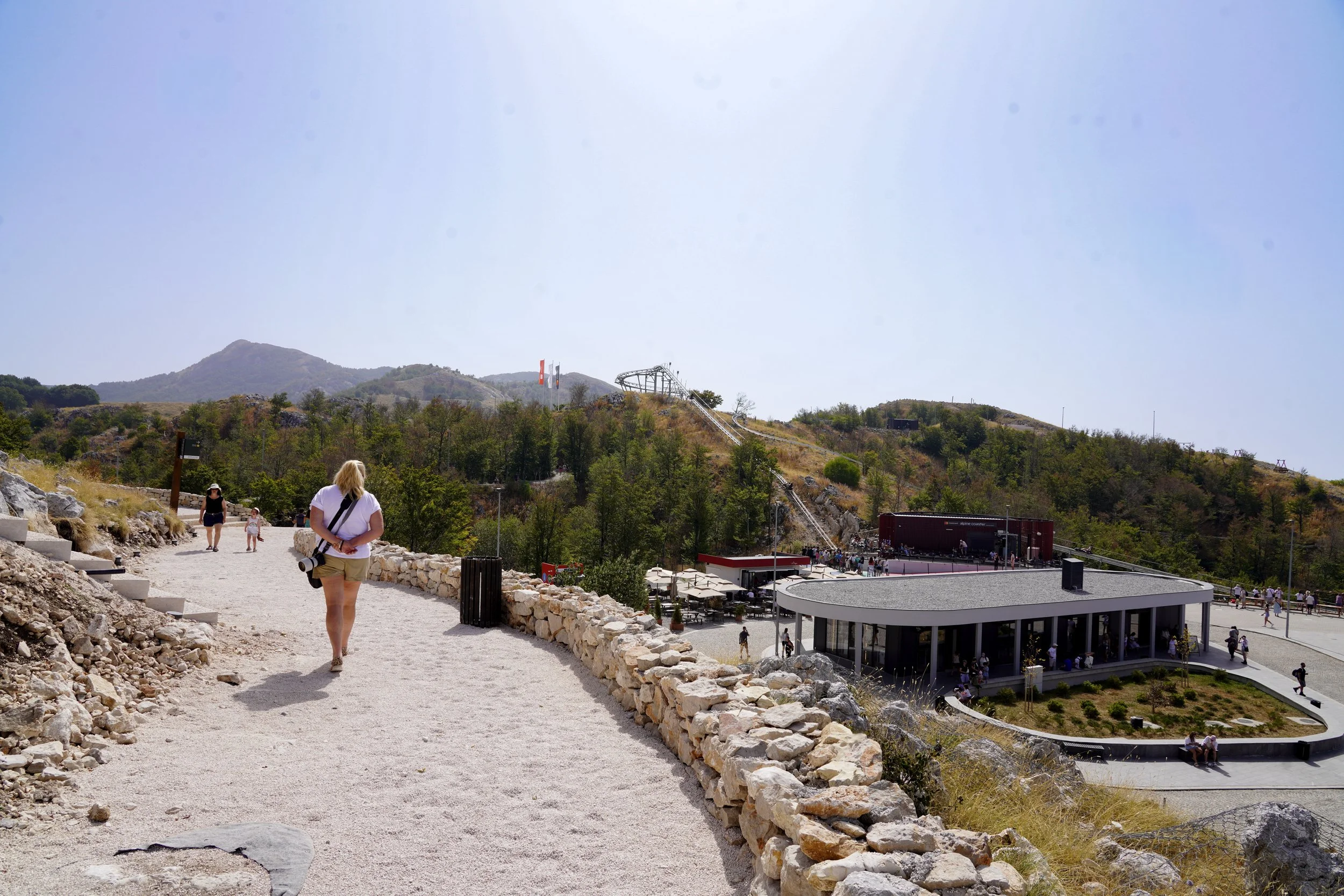
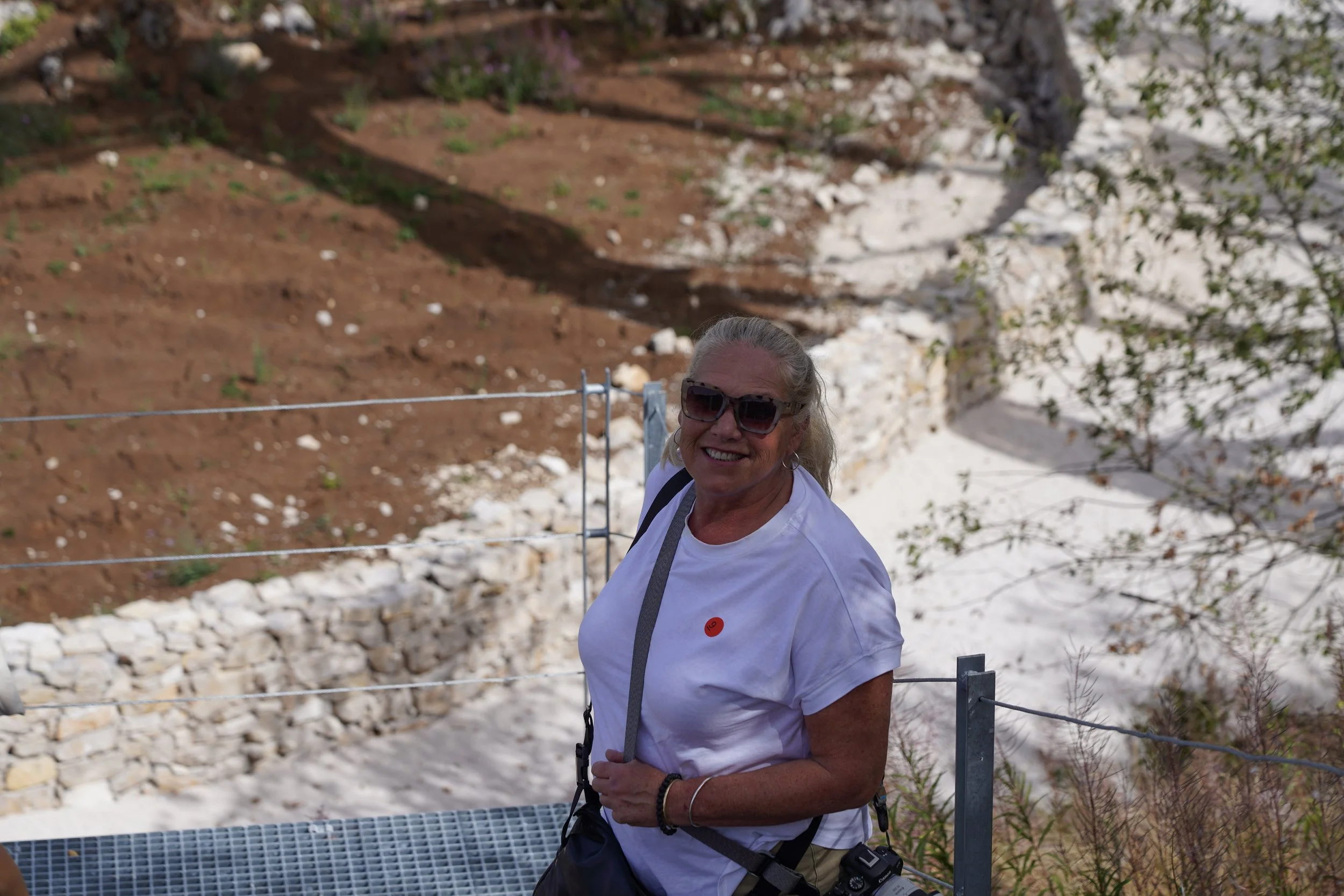
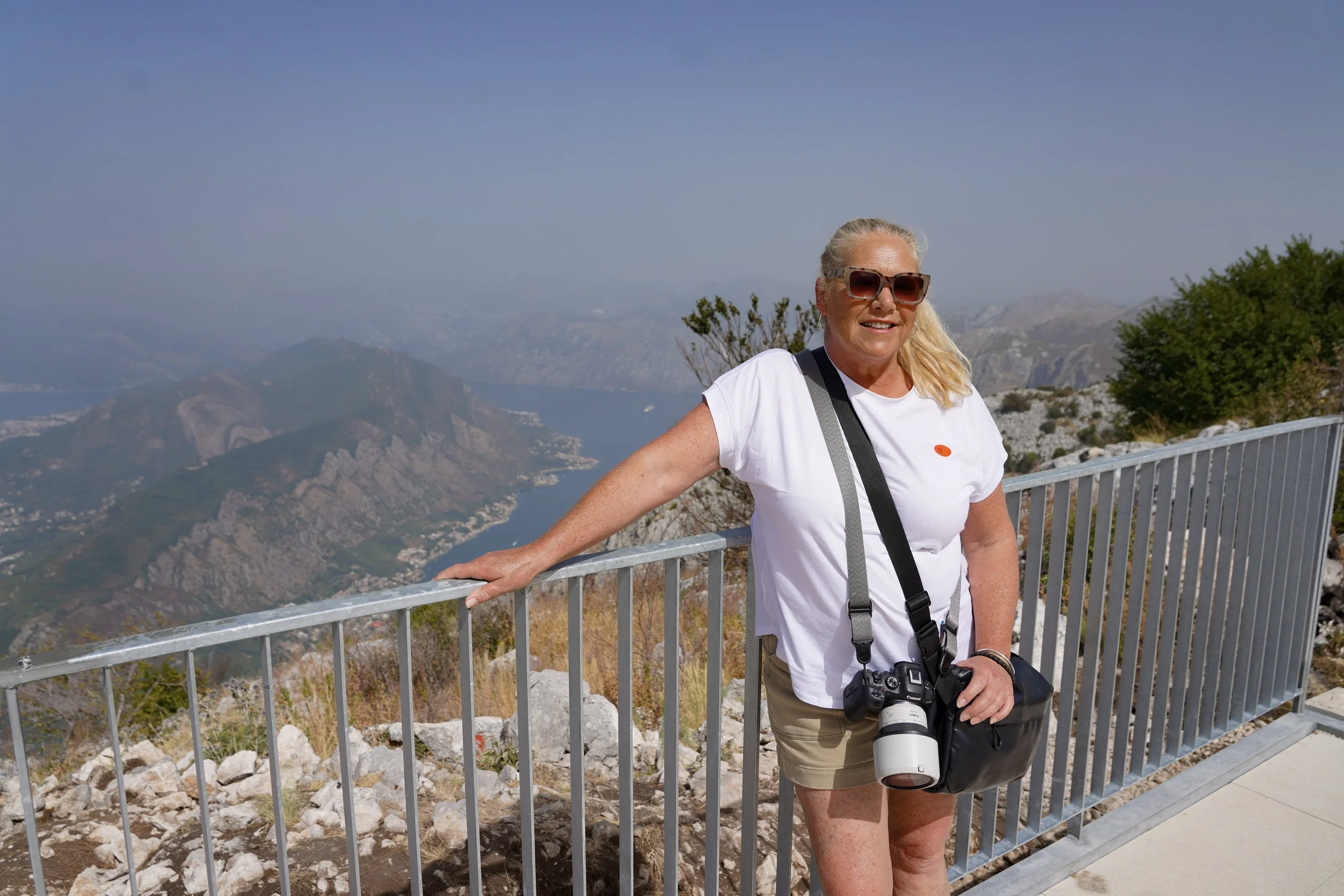
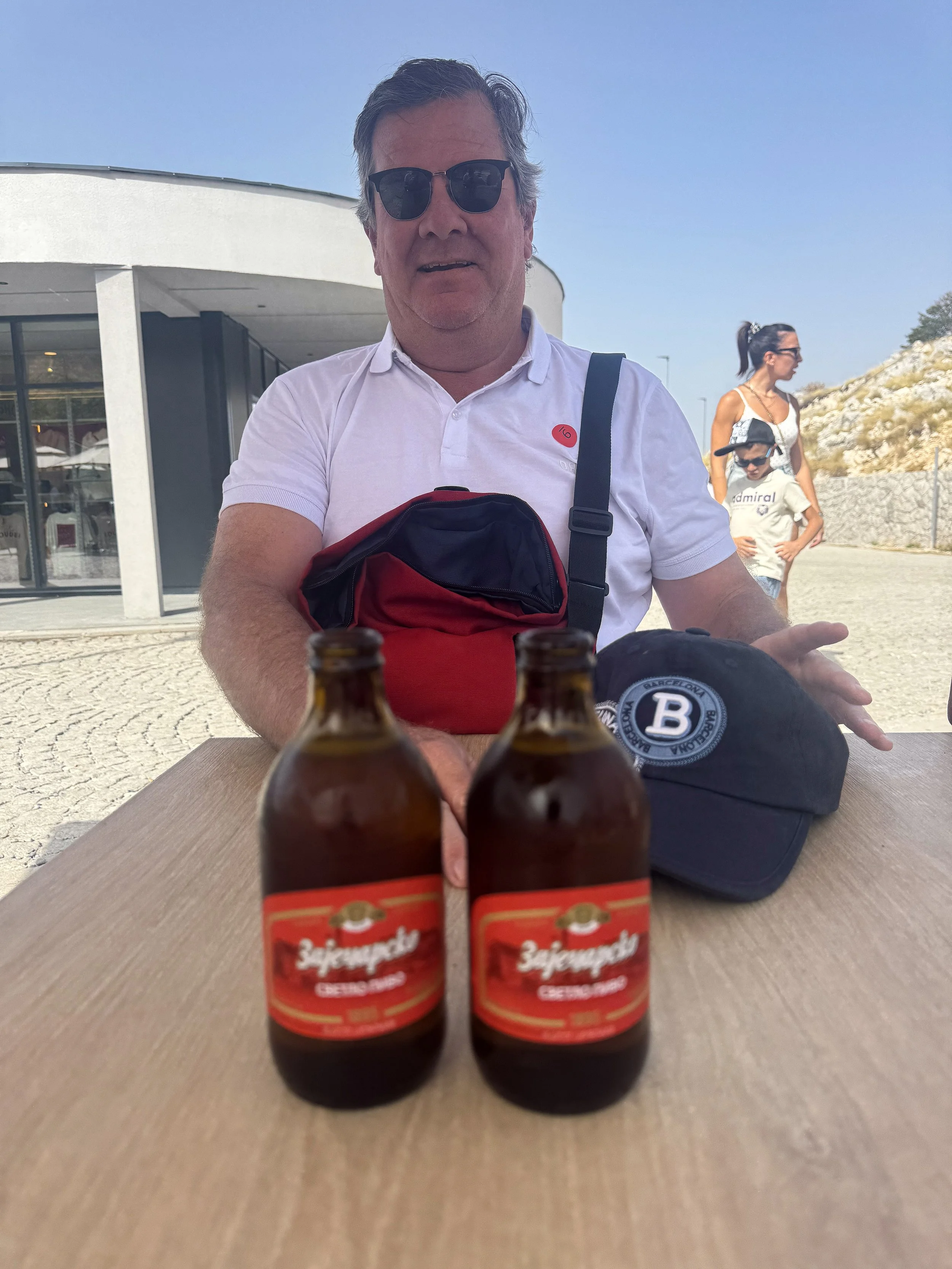
After days of baking in the Mediterranean heat, stepping out into the cooler mountain air was absolute bliss. We weren't quite ready for jumpers, but it was certainly chilly enough to make a cold Montenegrin beer feel like an appropriate reward for our mountain adventure. Naturally, we accepted that responsibility.

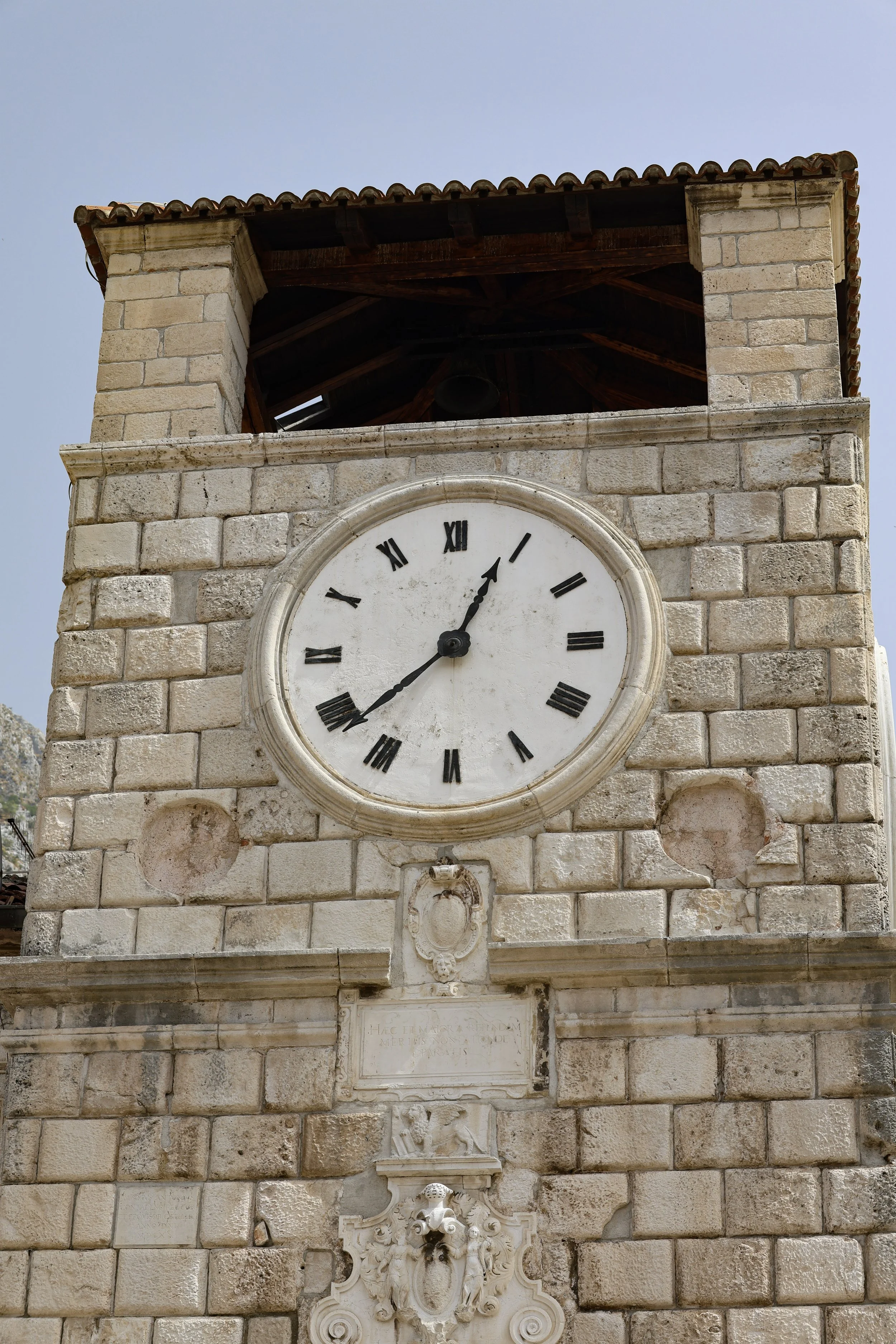
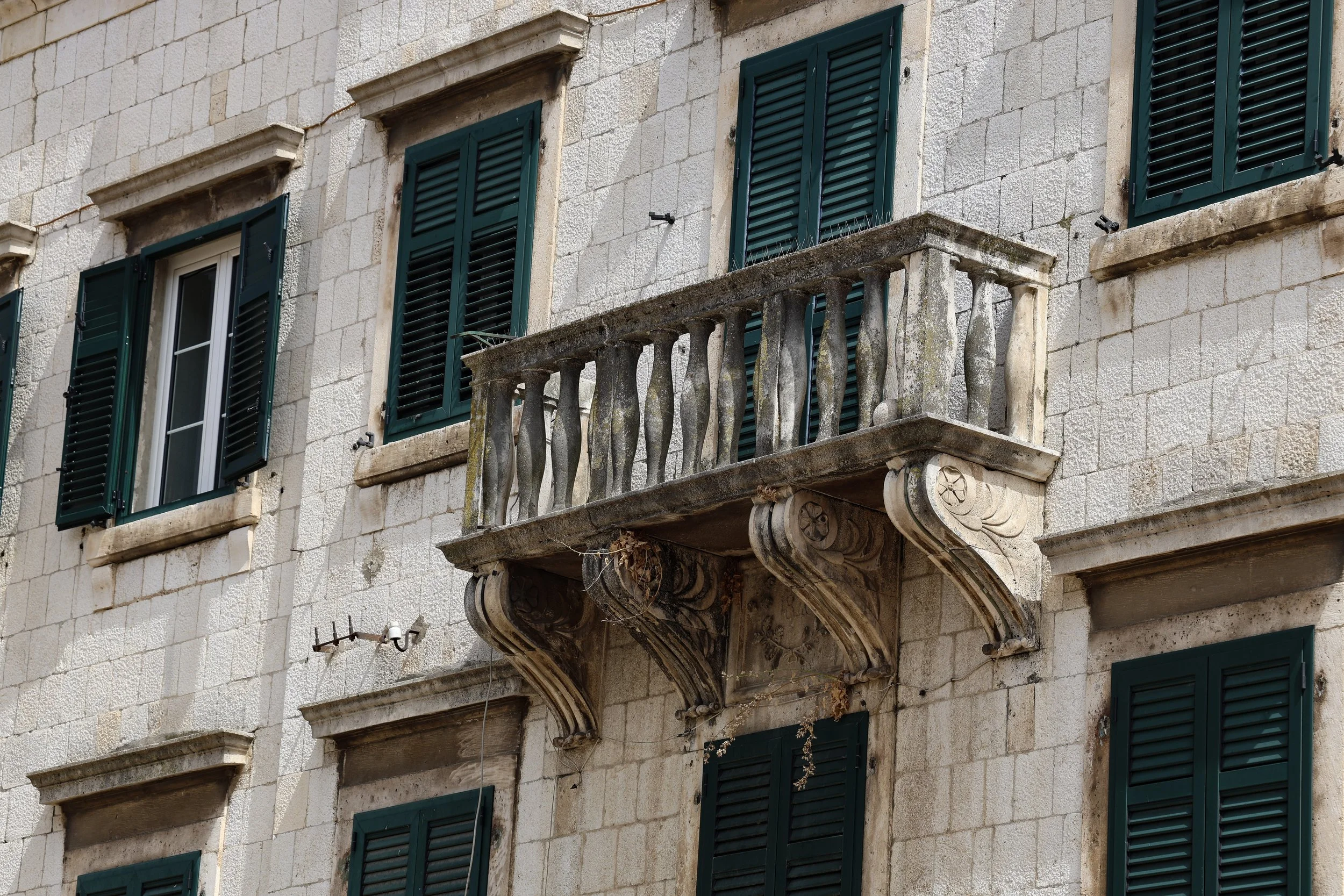
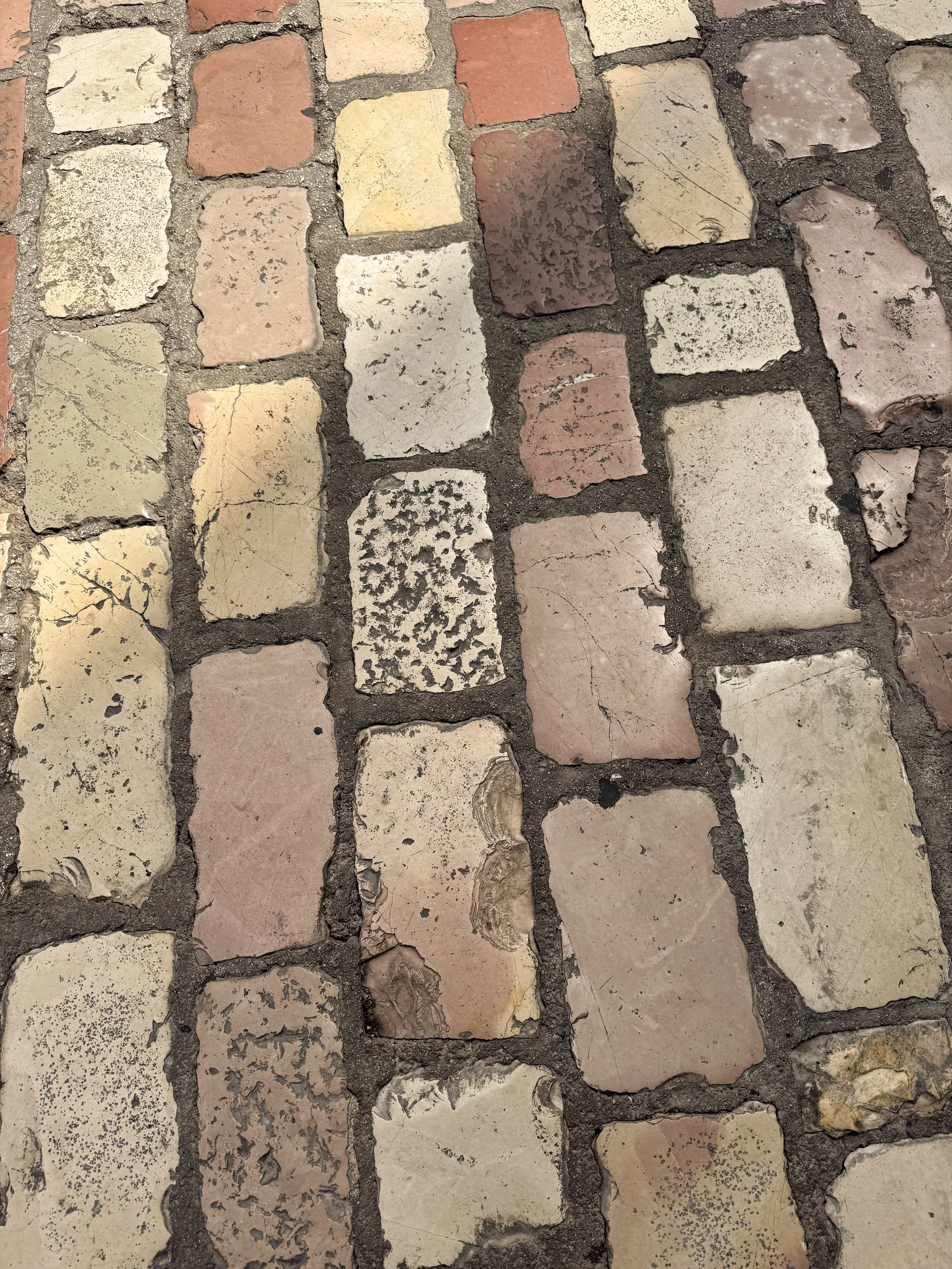
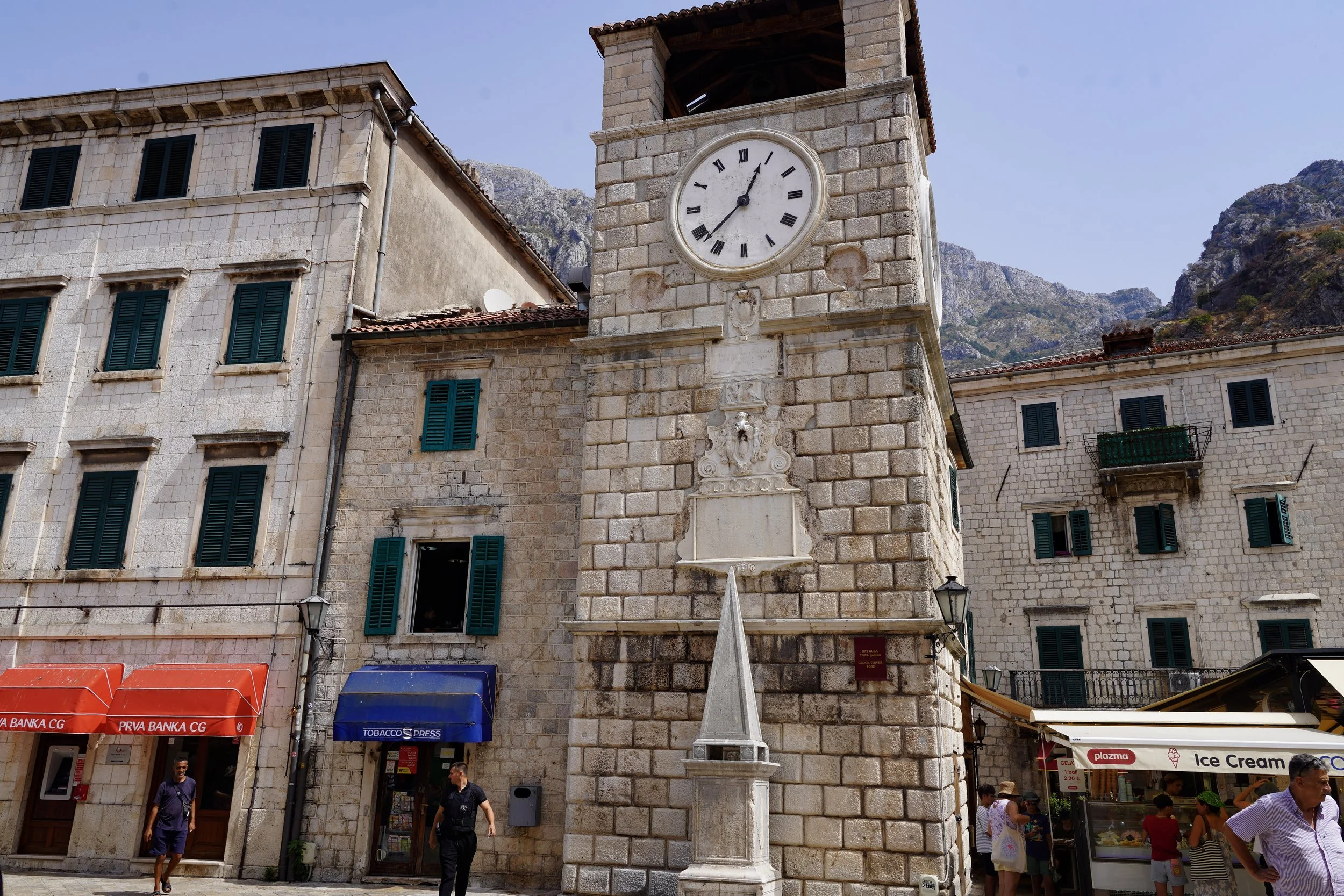
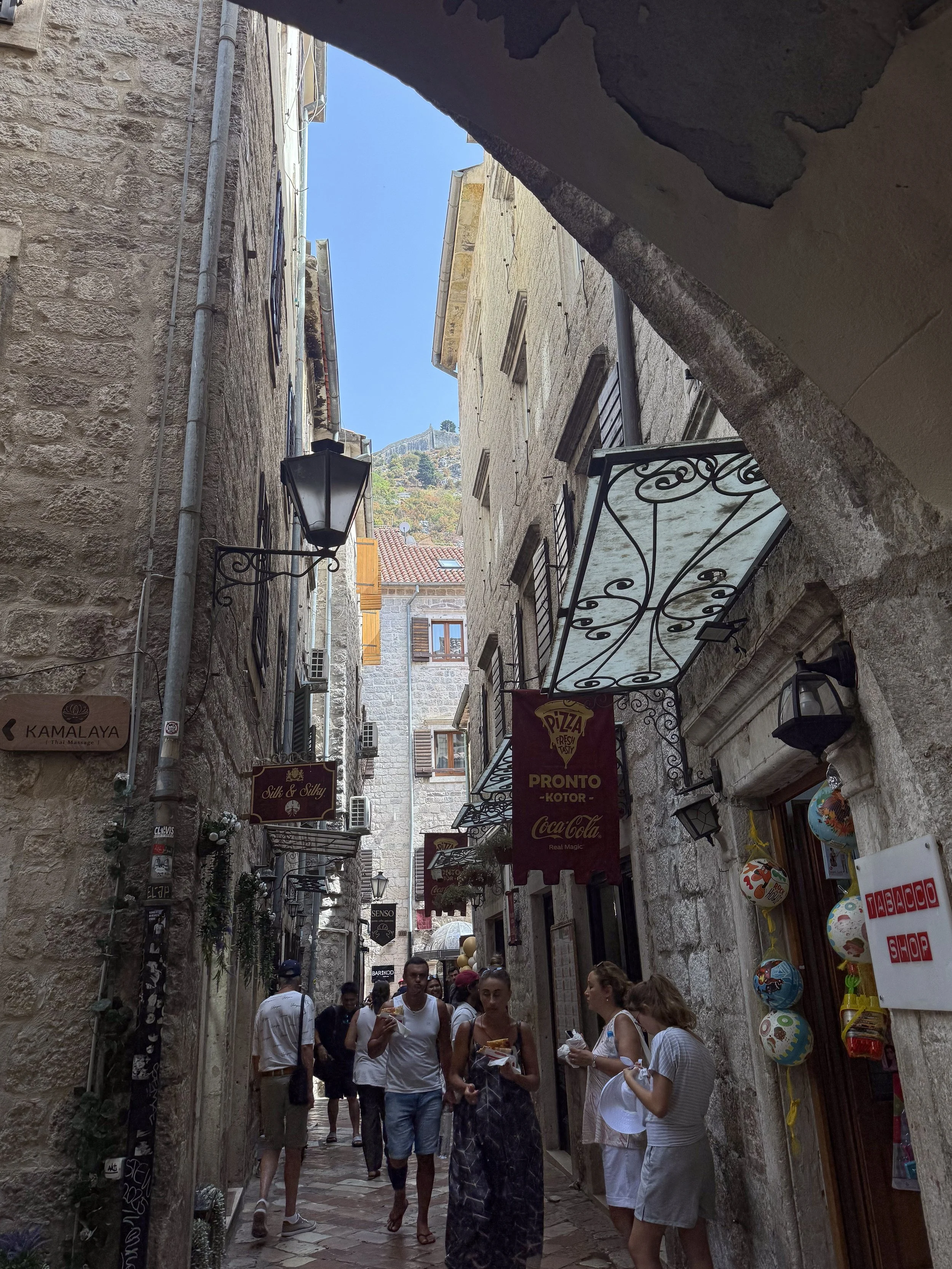
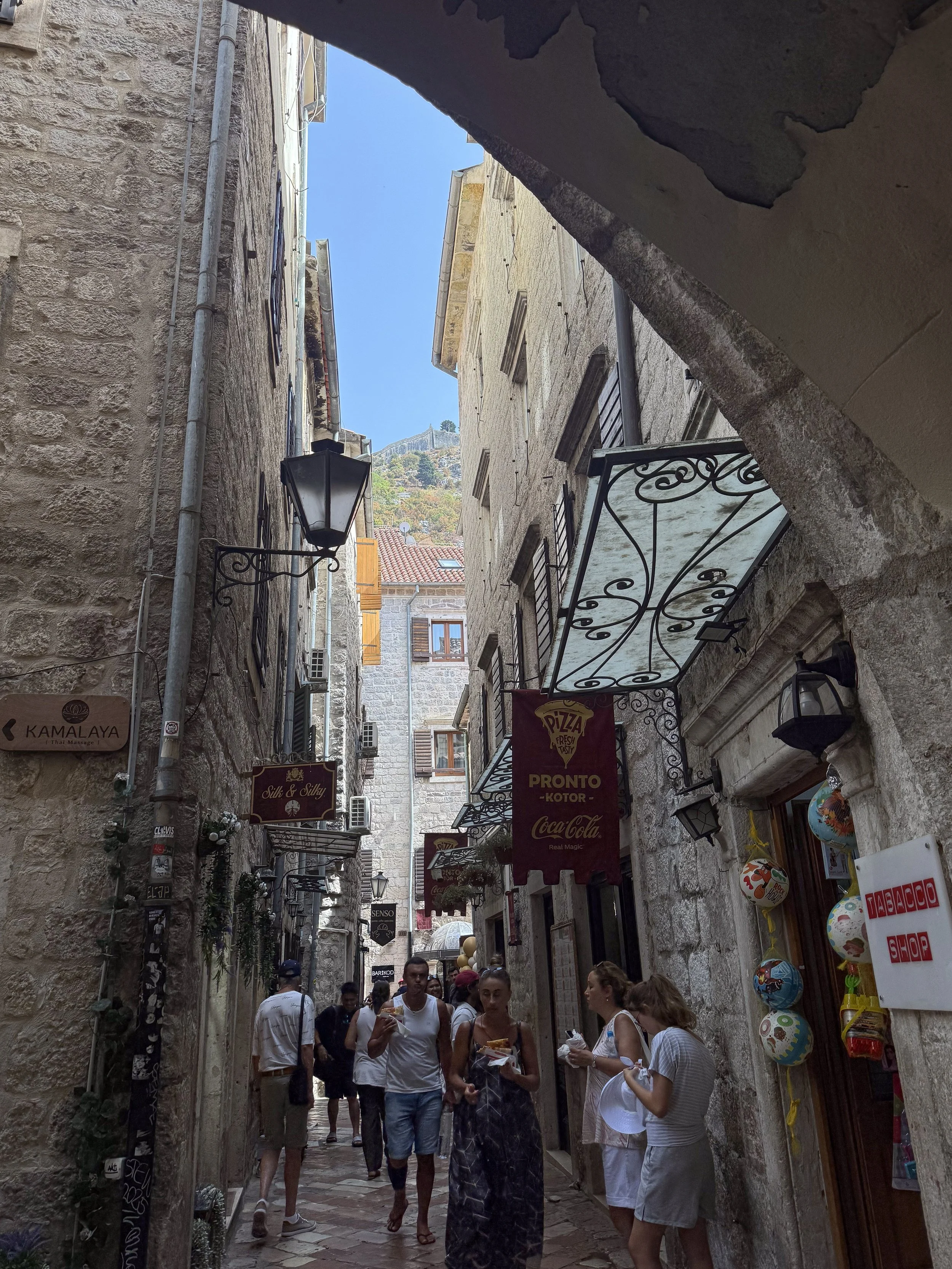
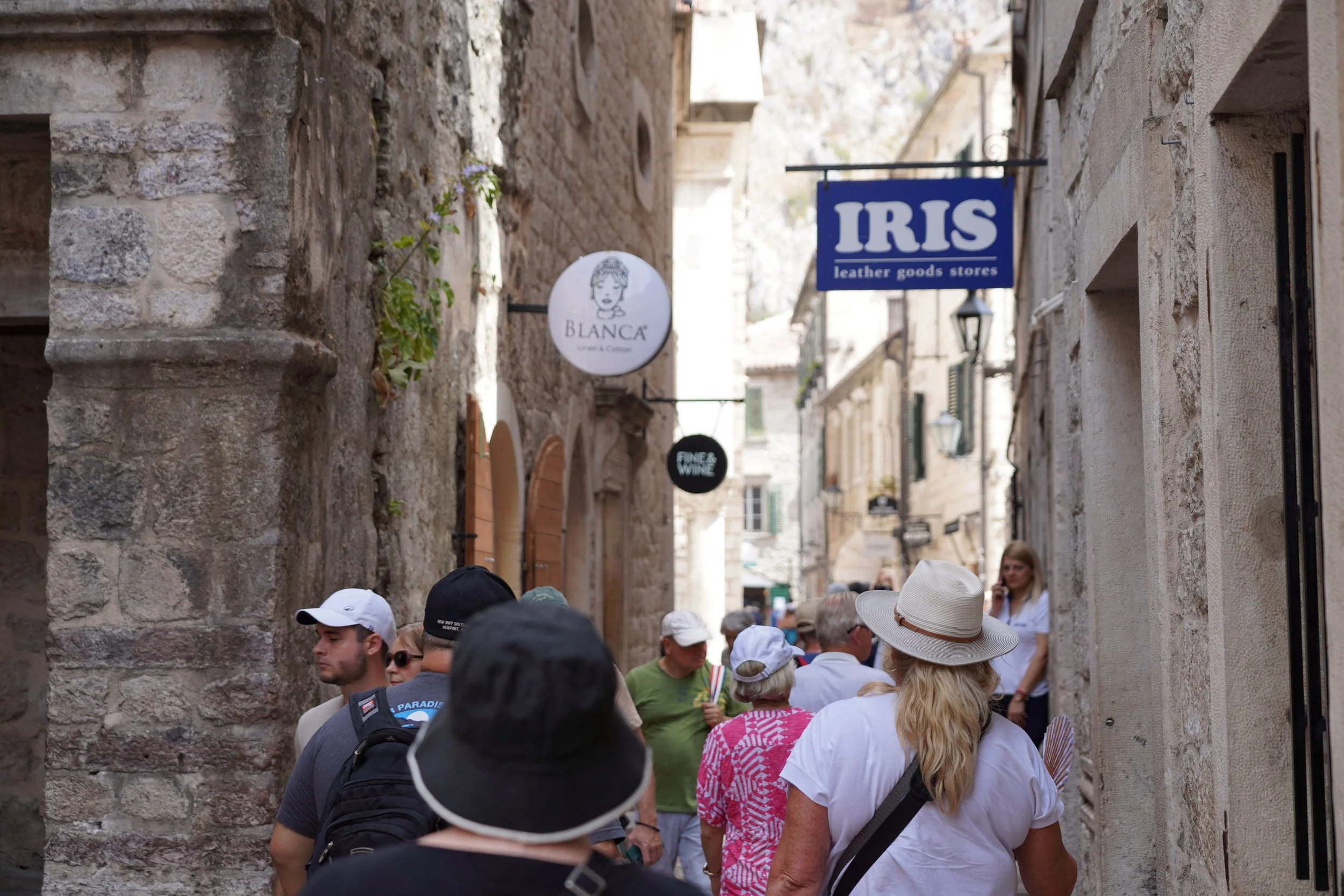
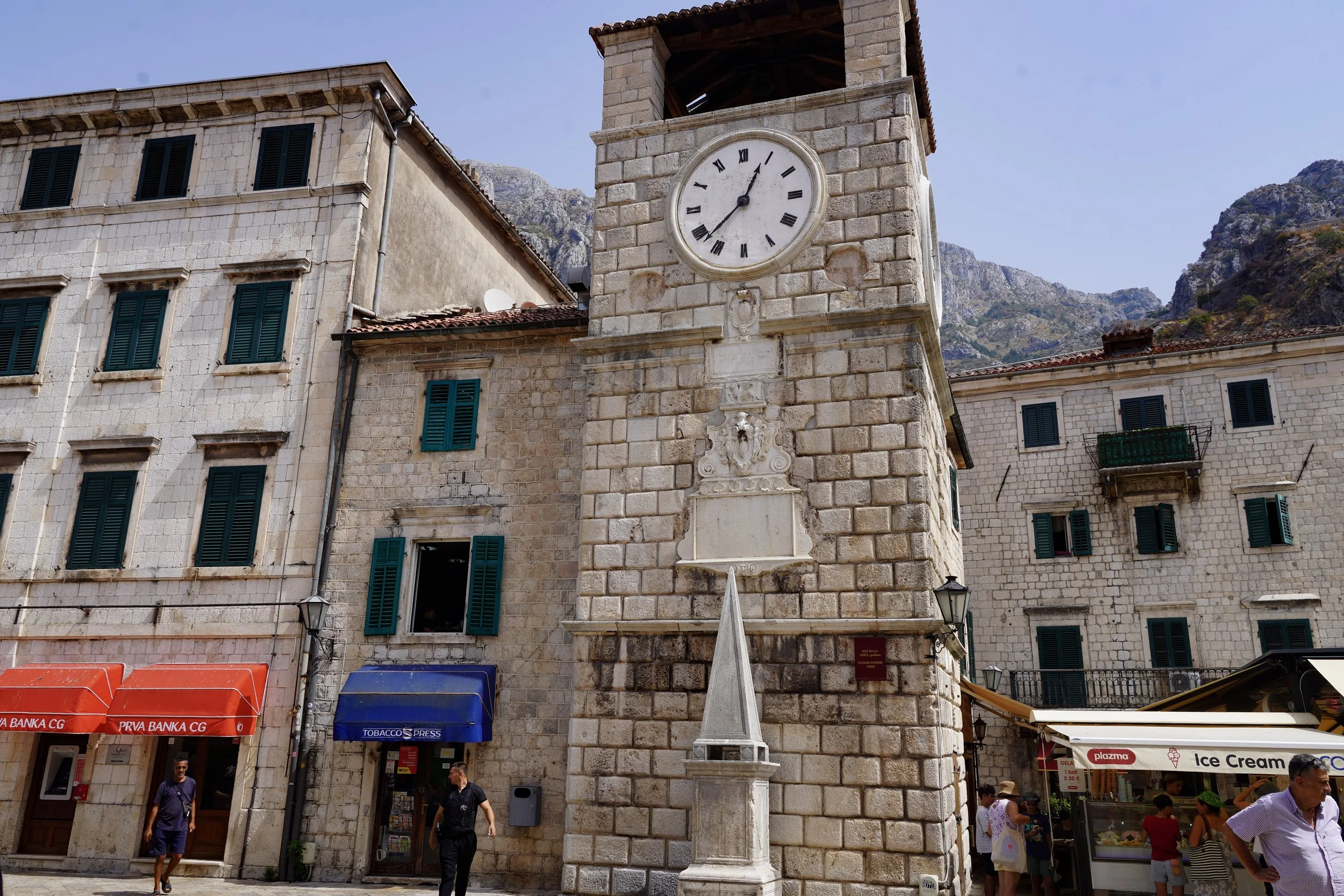
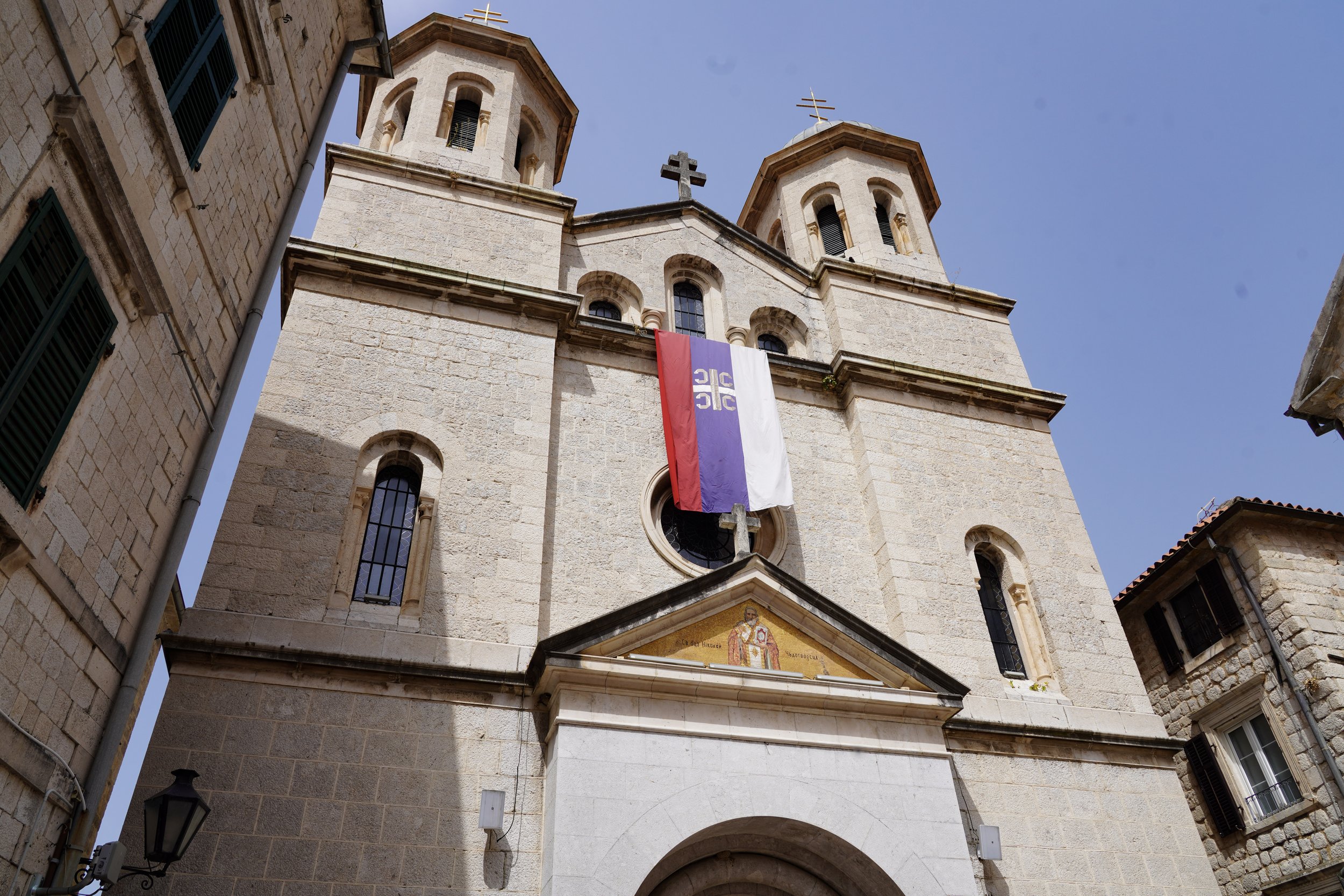
Back down in Kotor, we wandered into the Old Town, which is enclosed by impressive medieval walls and has a wonderful maze of narrow cobbled streets. The town has a long Venetian history, and you can see the influence everywhere — in the architecture, the squares, the churches and the elegant old stone buildings.
But there was something else we noticed almost immediately. Cats. Lots and lots of cats.
Kotor is famous for its cats, and unlike some tourist attractions, these furry residents haven’t had to work particularly hard to earn their celebrity status. They’re everywhere — lounging in doorways, stretched out on ancient stone steps, or surveying the passing crowds with the air of someone who owns the place.
There’s a practical explanation for how they got here. Kotor was once an important maritime trading port, and sailors routinely took cats aboard their ships to keep rats and mice under control in the cargo holds. When ships sailed into the bay, some of these four-legged pest controllers apparently decided that life on dry land, with regular meals and considerably less rocking about, was a better proposition. Over the centuries, they settled in, multiplied and became part of the fabric of the Old Town.
But, as with the cow on the church steeple in Kampen, the locals have a rather more colourful story to tell.
According to legend, Kotor’s cats helped save the town from the Black Death. The theory goes that by keeping the rat population in check, they helped limit the spread of the plague. Whether the cats genuinely deserve the credit is another matter — the historical evidence is a little less convincing than the legend — but it makes for a cracking story.
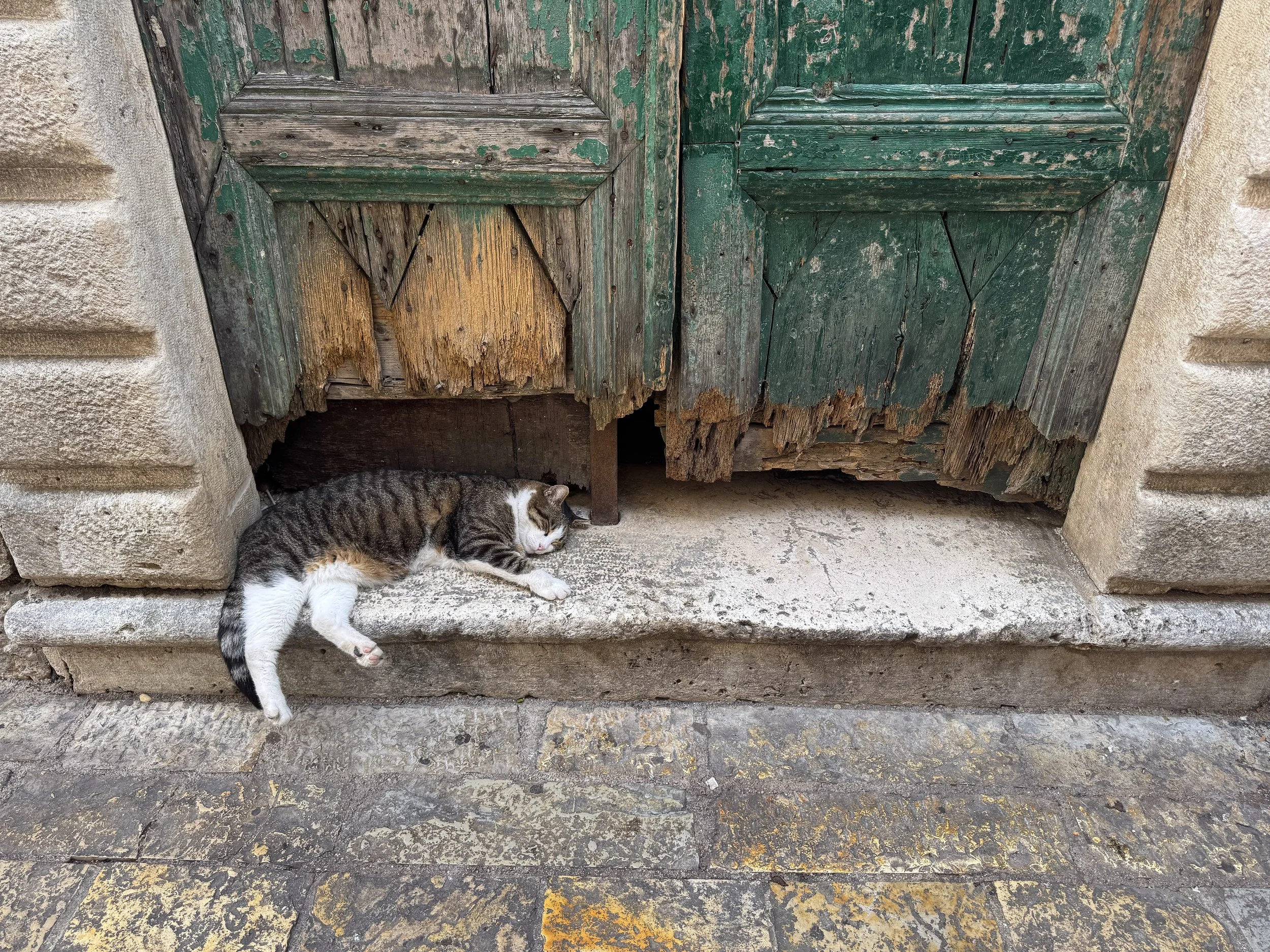
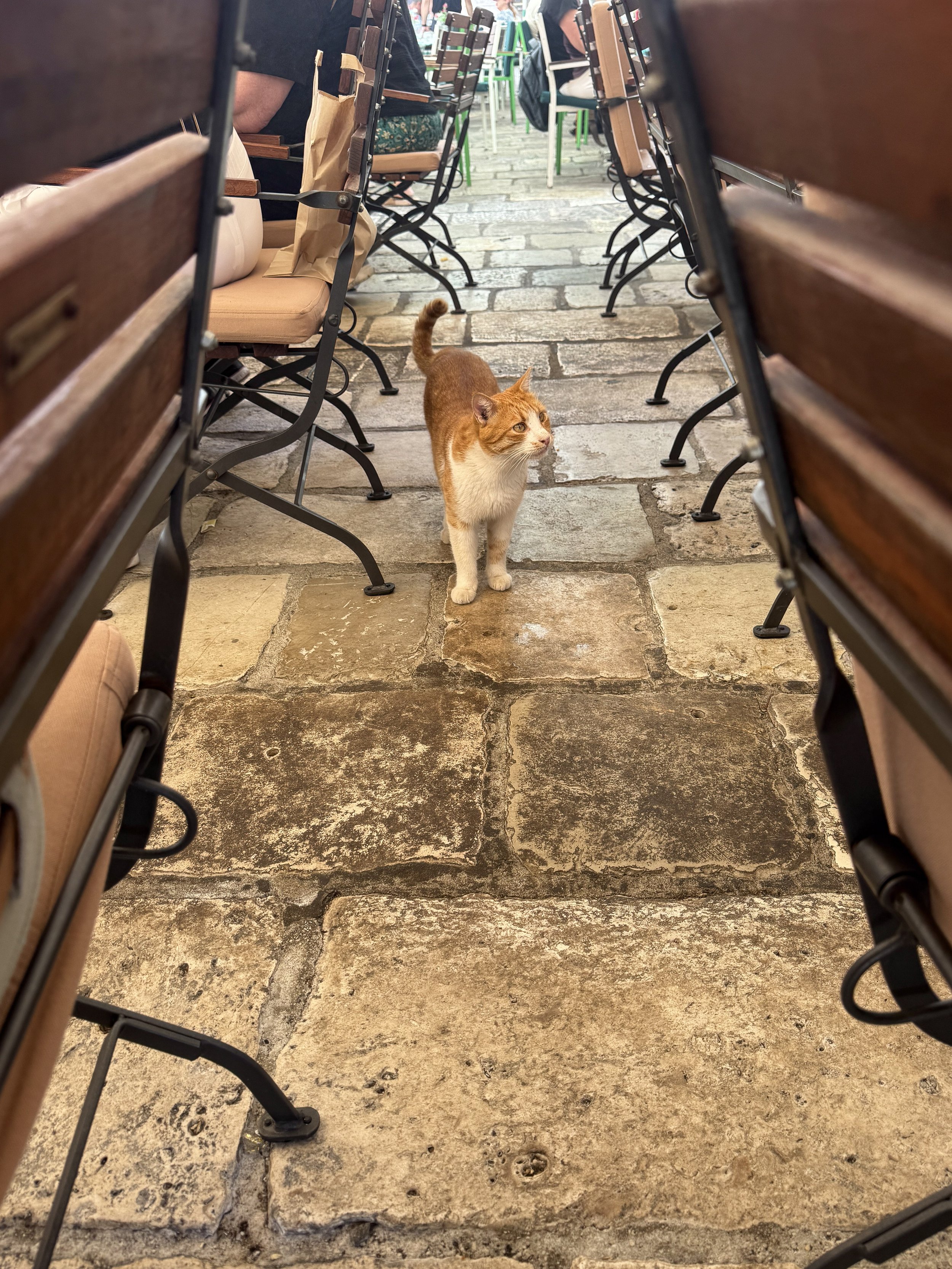
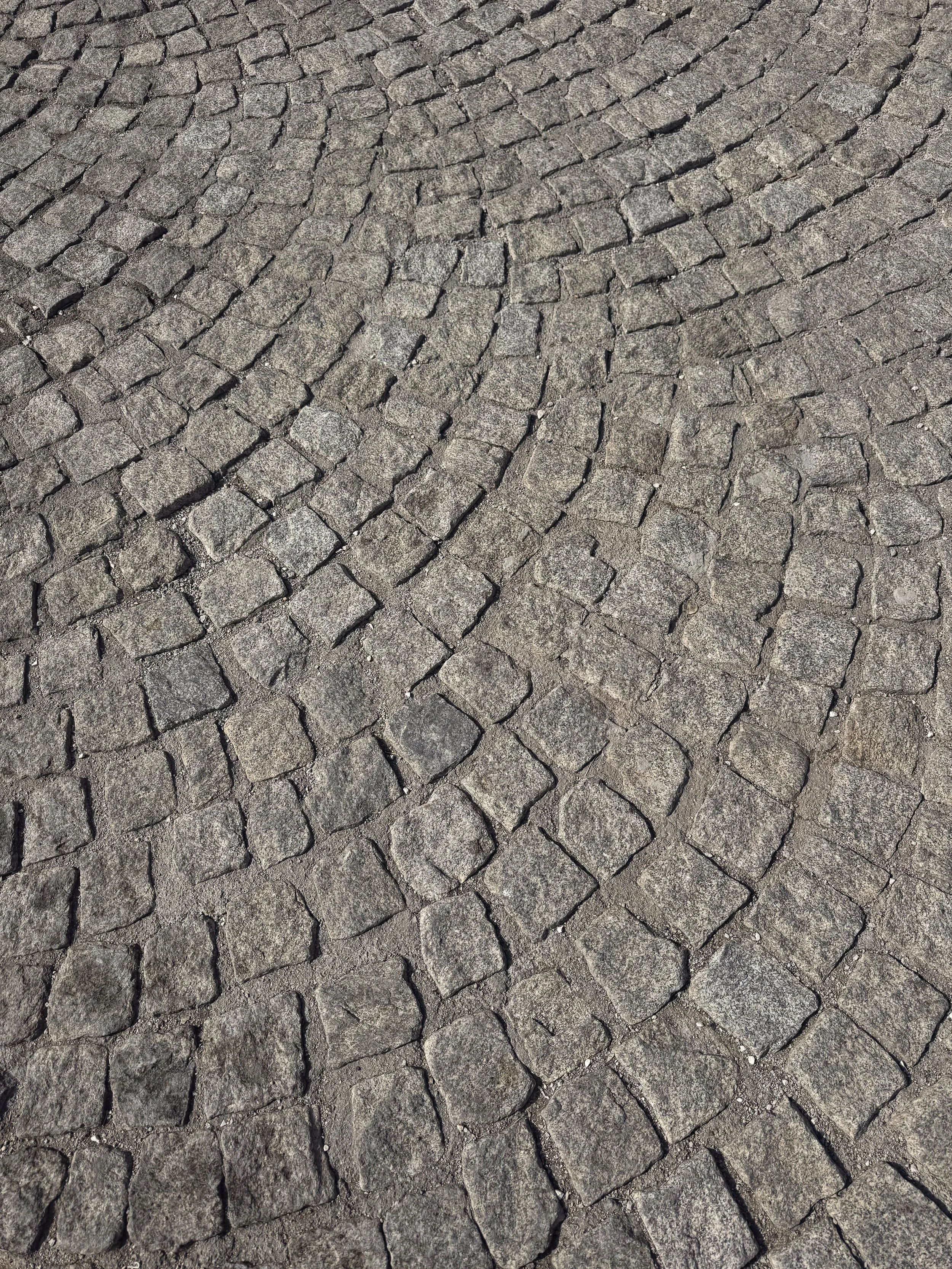
Today, the cats are so much a part of Kotor’s identity that they have their own shops, souvenirs and even a museum. Not bad for a bunch of former ship's mousers who simply decided to jump ship and stay for dinner. And judging by the number of them still draped across the town’s sun-warmed cobblestones, they’ve never had much reason to regret the decision.
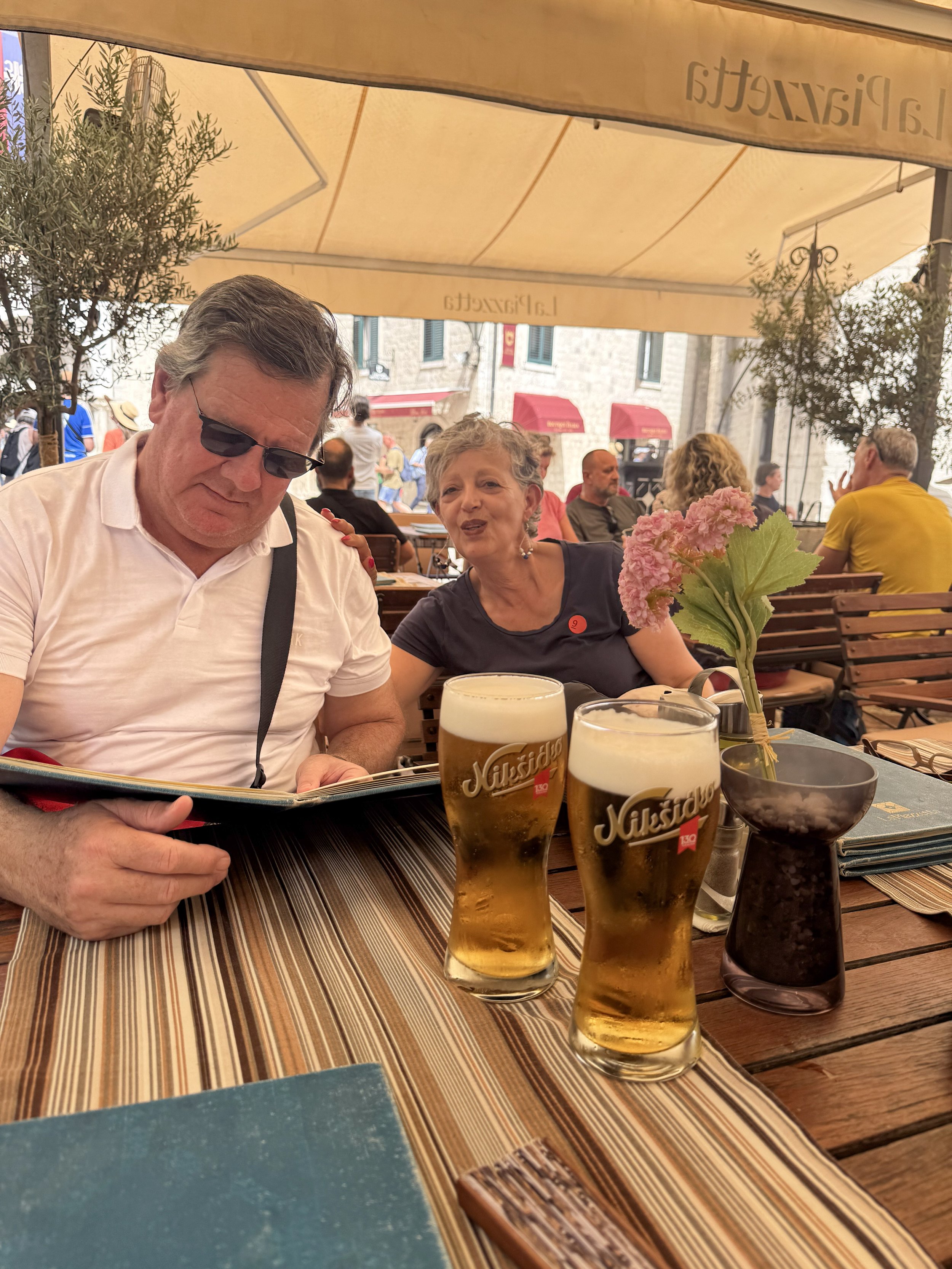
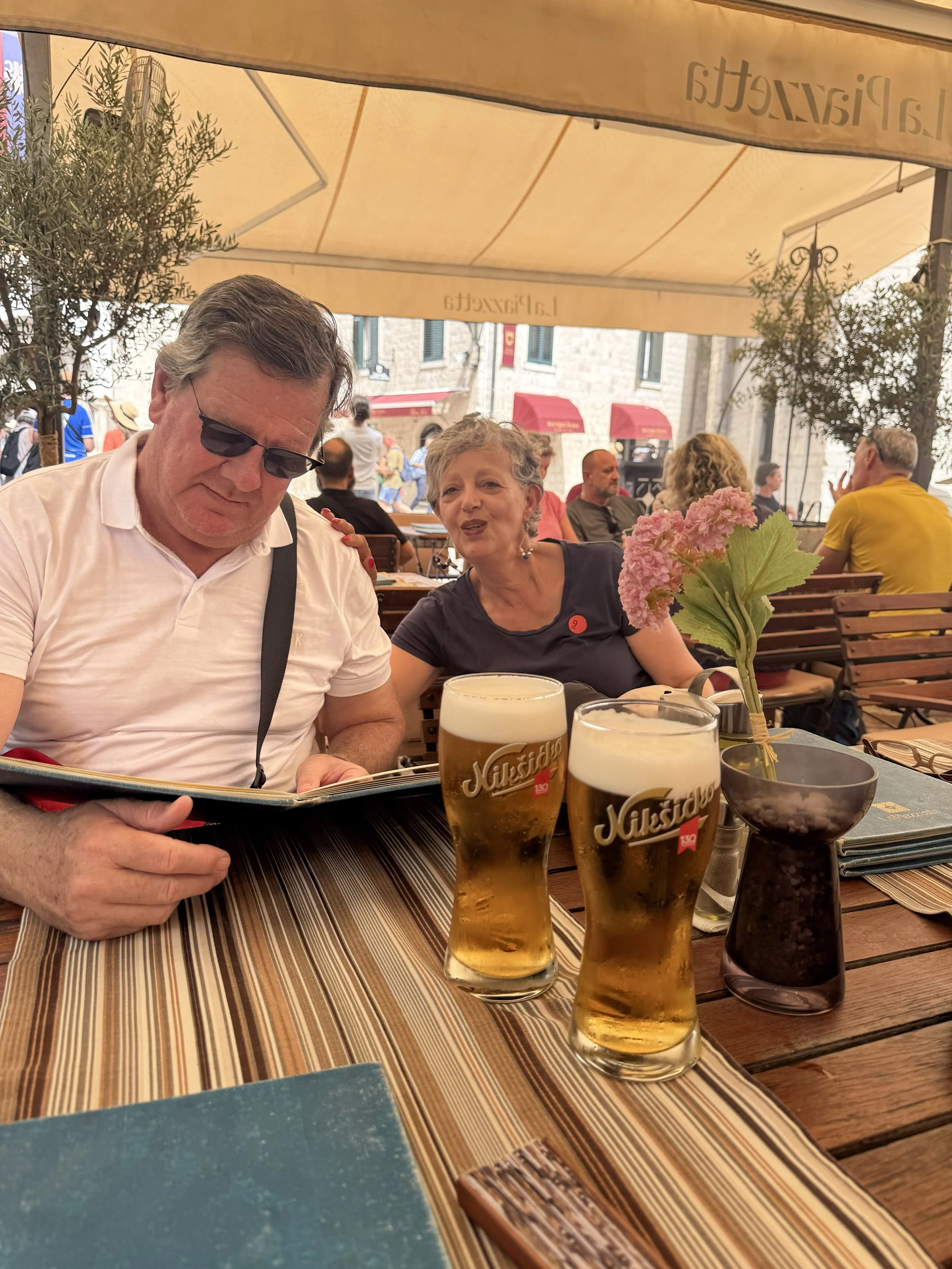
After wandering through the cobbled streets, admiring the old stone buildings and dodging the occasional cat who clearly expected us to get out of its way, we eventually succumbed to one of the oldest and most reliable forms of sightseeing — sitting down somewhere pleasant.
We found a little restaurant, settled ourselves in, ordered another local beer and watched the world go by.
By this stage we had learnt that Montenegro was very good at scenery, very good at beer and exceptionally good at providing somewhere beautiful to sit and admire both.
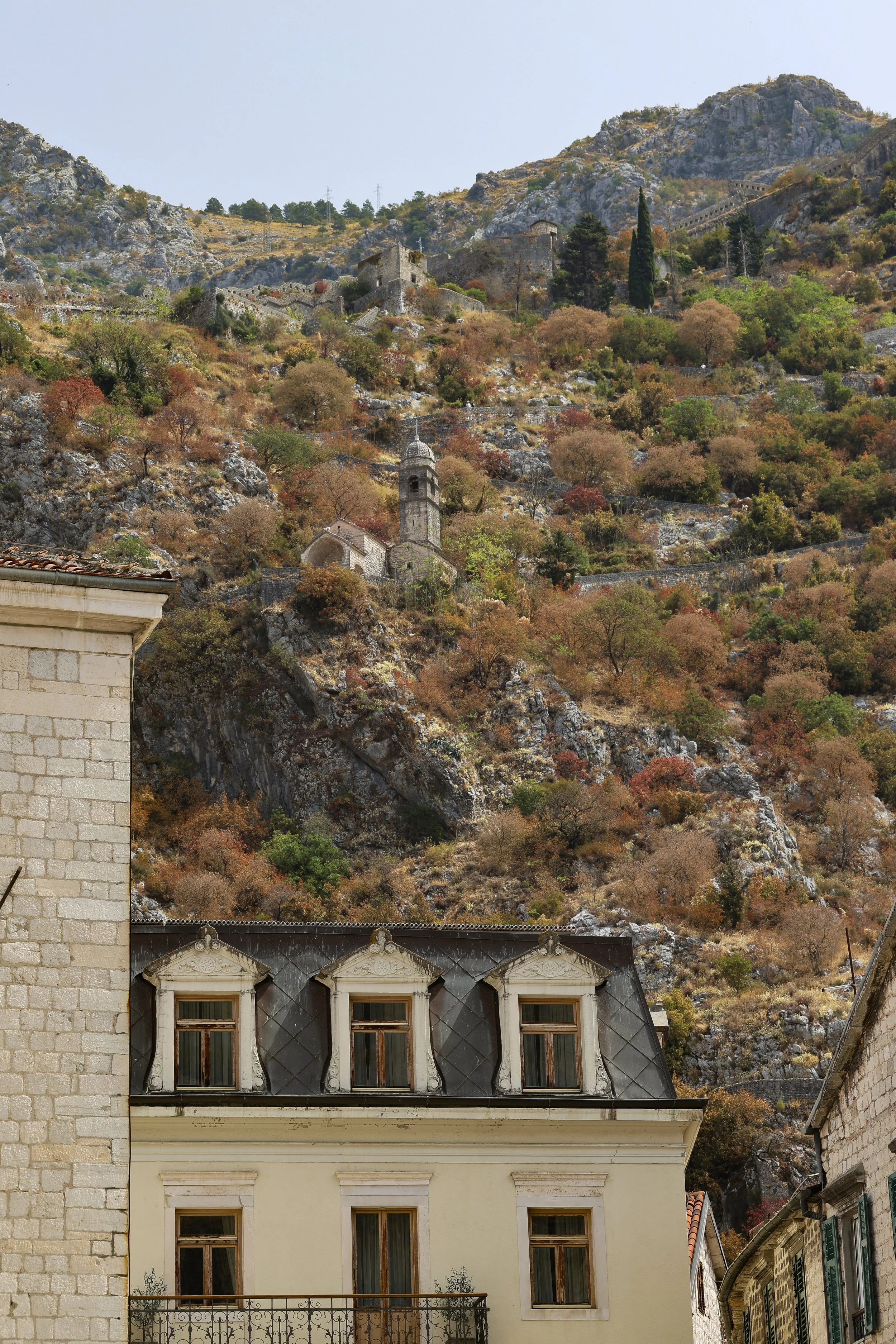
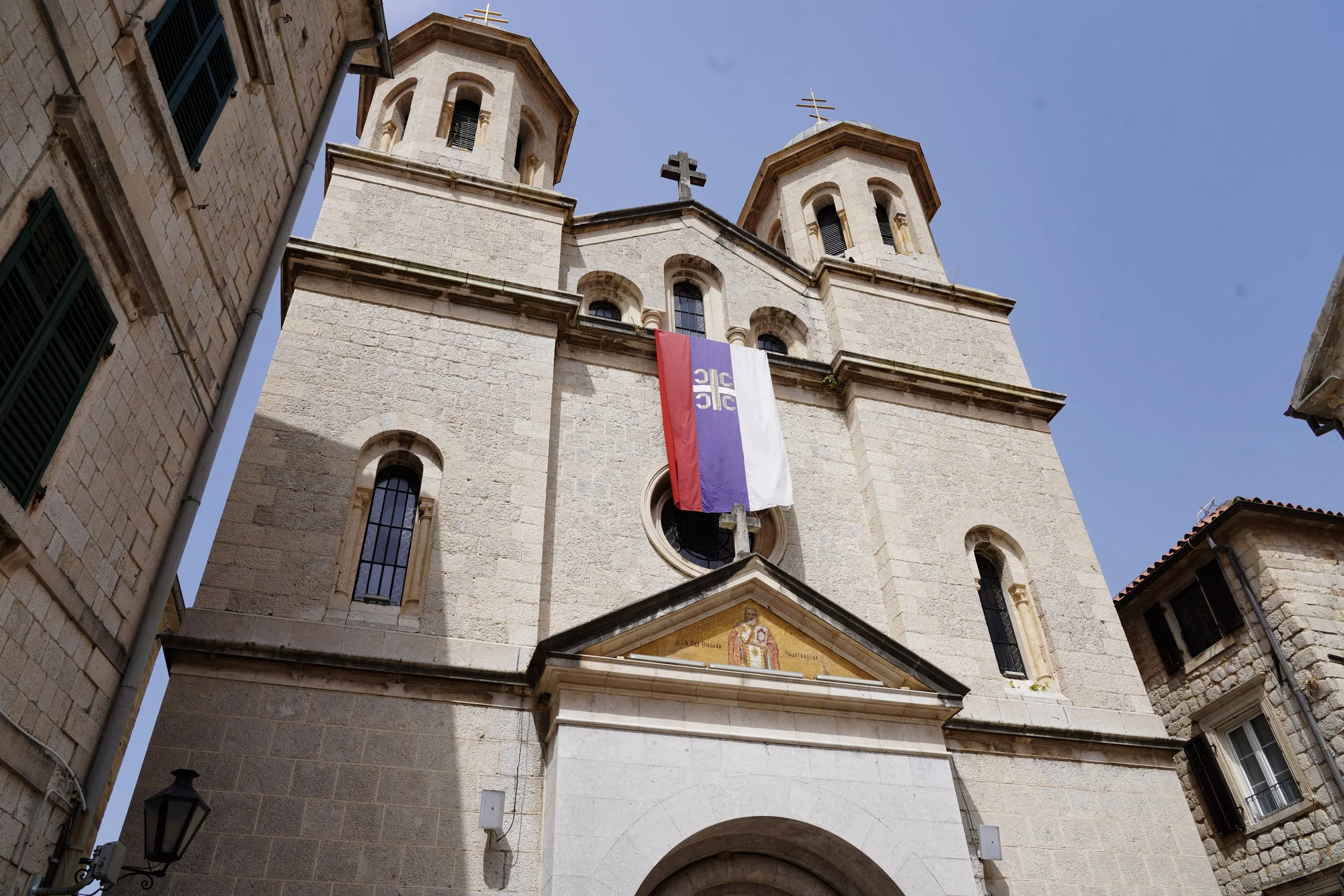
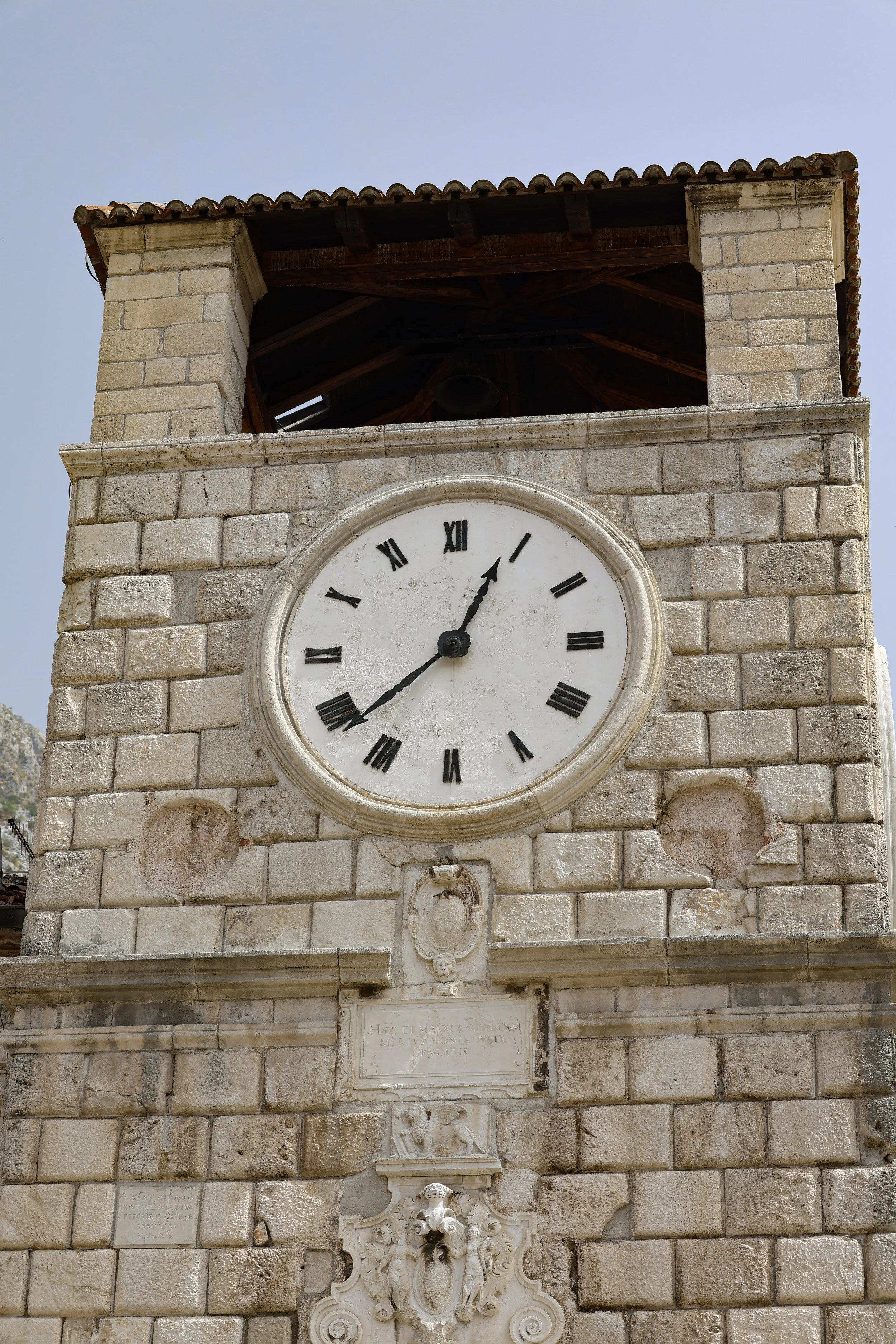
Eventually, it was time to head back to the Mothership. But Kotor had certainly delivered. From creeping into the bay at one knot before sunrise, surrounded by enormous mountains, to standing high above it all on Lovćen and then wandering through a medieval town full of cats, it had been one of those days where you kept thinking, surely the next view can't possibly be any better.
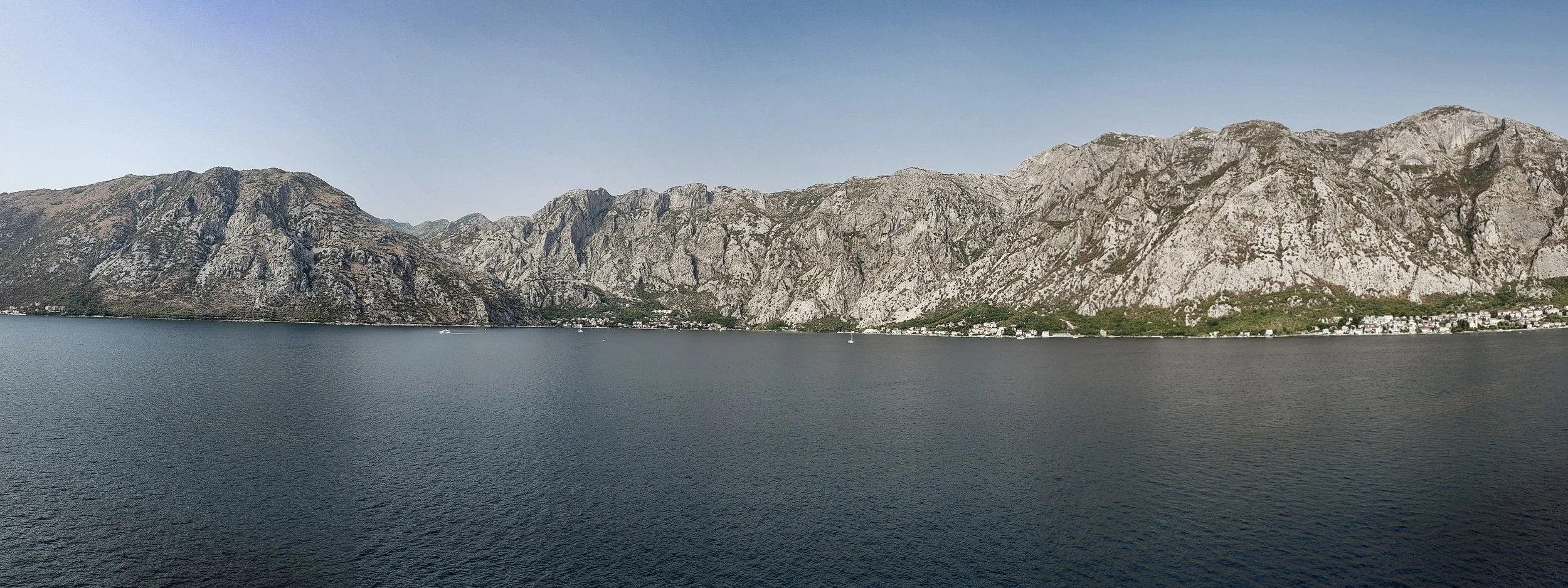
And, somehow, it always was.