Civitavecchia & Rome
We docked in Civitavecchia, the port city that serves as Rome’s gateway to the Mediterranean, and were bundled onto buses for the roughly 1½-hour journey into Rome.
By 8.30 in the morning it was already sweltering. This was becoming a bit of a theme.
As we looked out of the bus window at the increasingly busy roads, we were beginning to dread the thought of being stuck in Rome until 4.30pm with nowhere sensible to escape the heat. We had only one day in Rome, which meant there was absolutely no chance of doing justice to the inside of the major attractions. The queues alone would have eaten up most of the day, particularly as it was a Sunday and Rome was absolutely heaving. So, after some discussion, we decided the Hop-On Hop-Off bus was probably our best option.
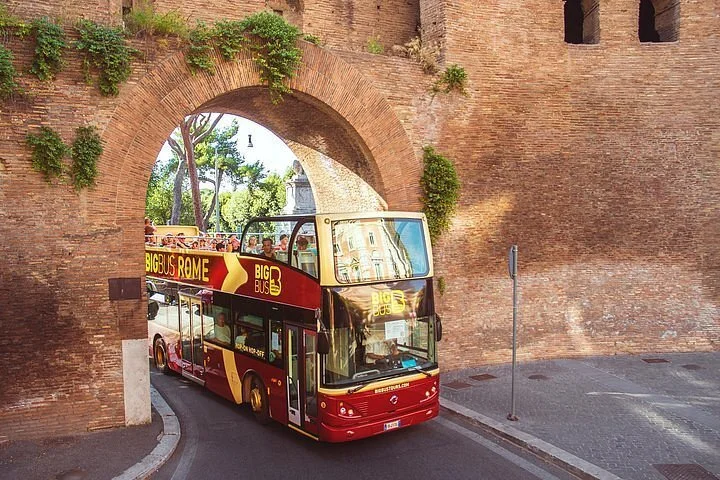
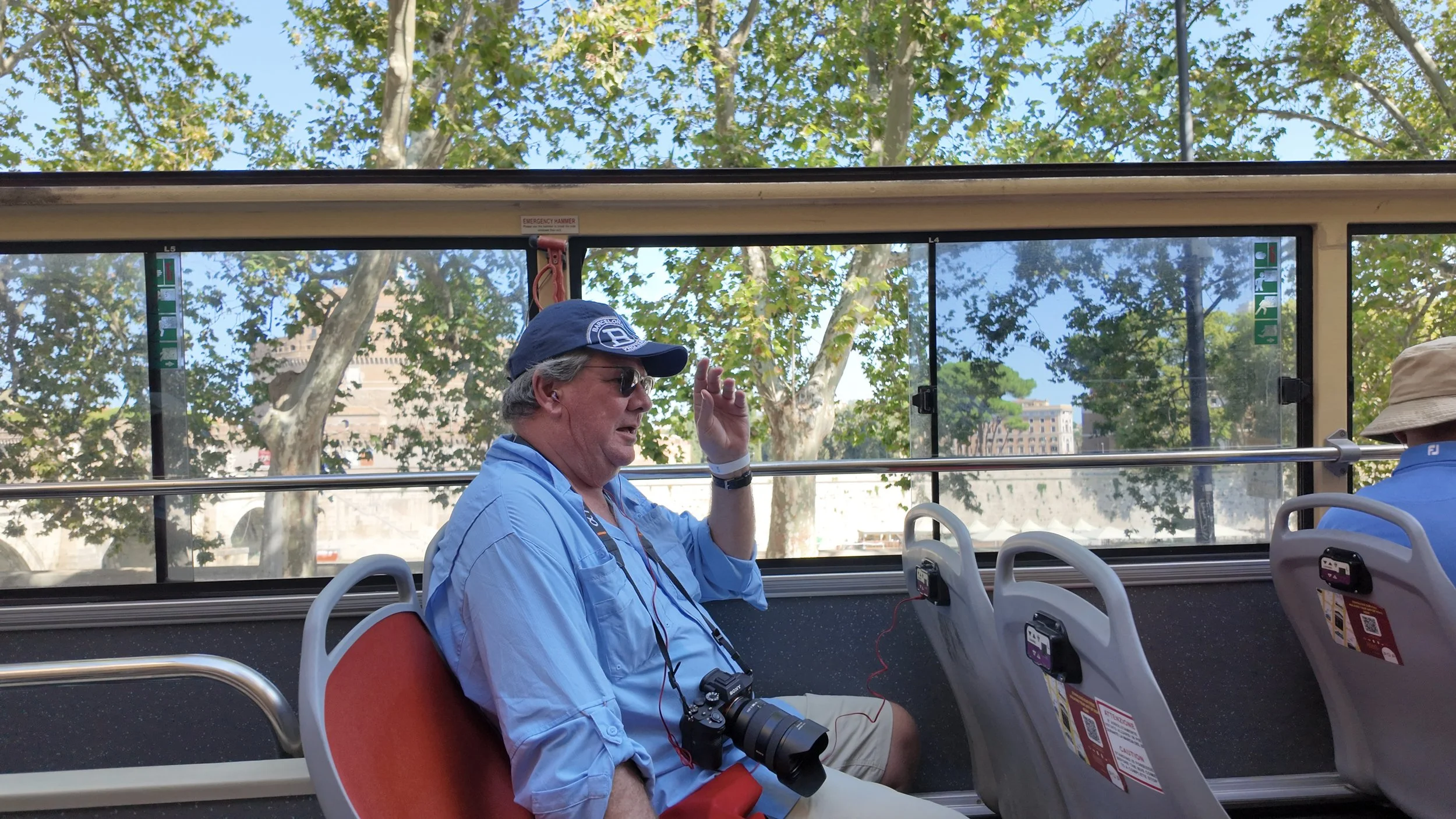
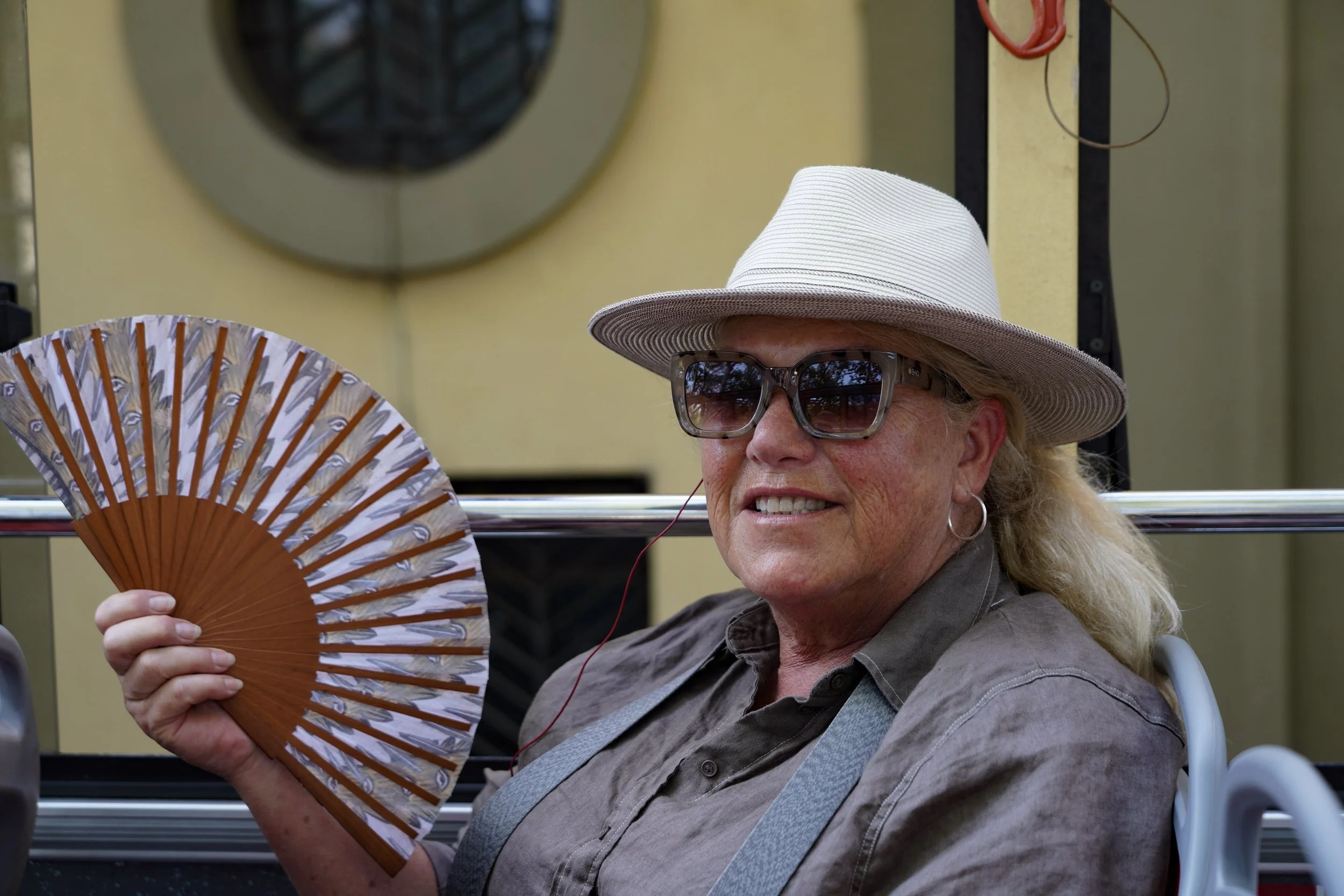
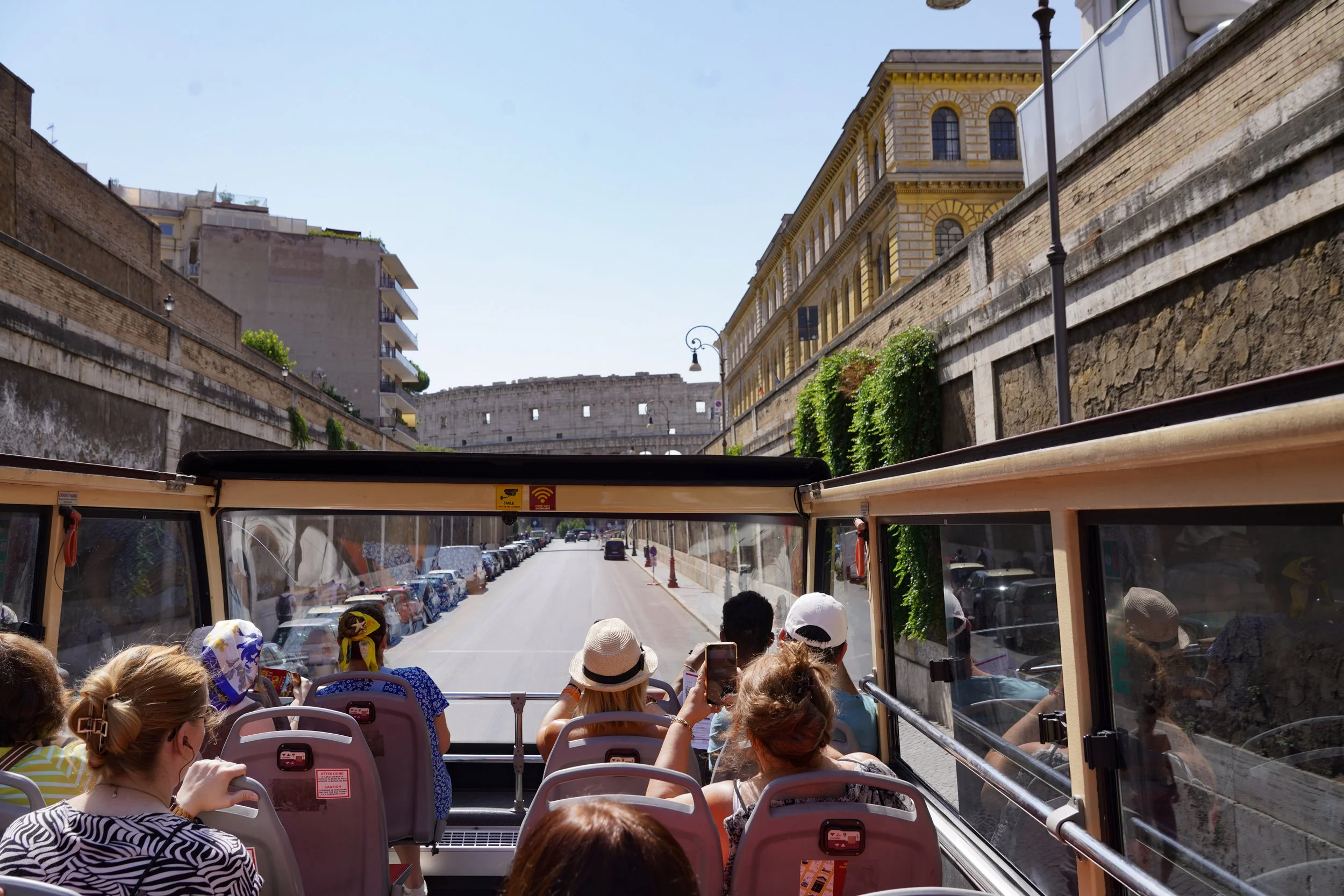
The theory was sound.
We could sit in the shade, get an overview of the city, hop off when something particularly caught our attention and, most importantly, avoid spending six hours trudging around Rome like two slightly overheated tourists who had made a terrible decision.
We were right. And we were wrong.
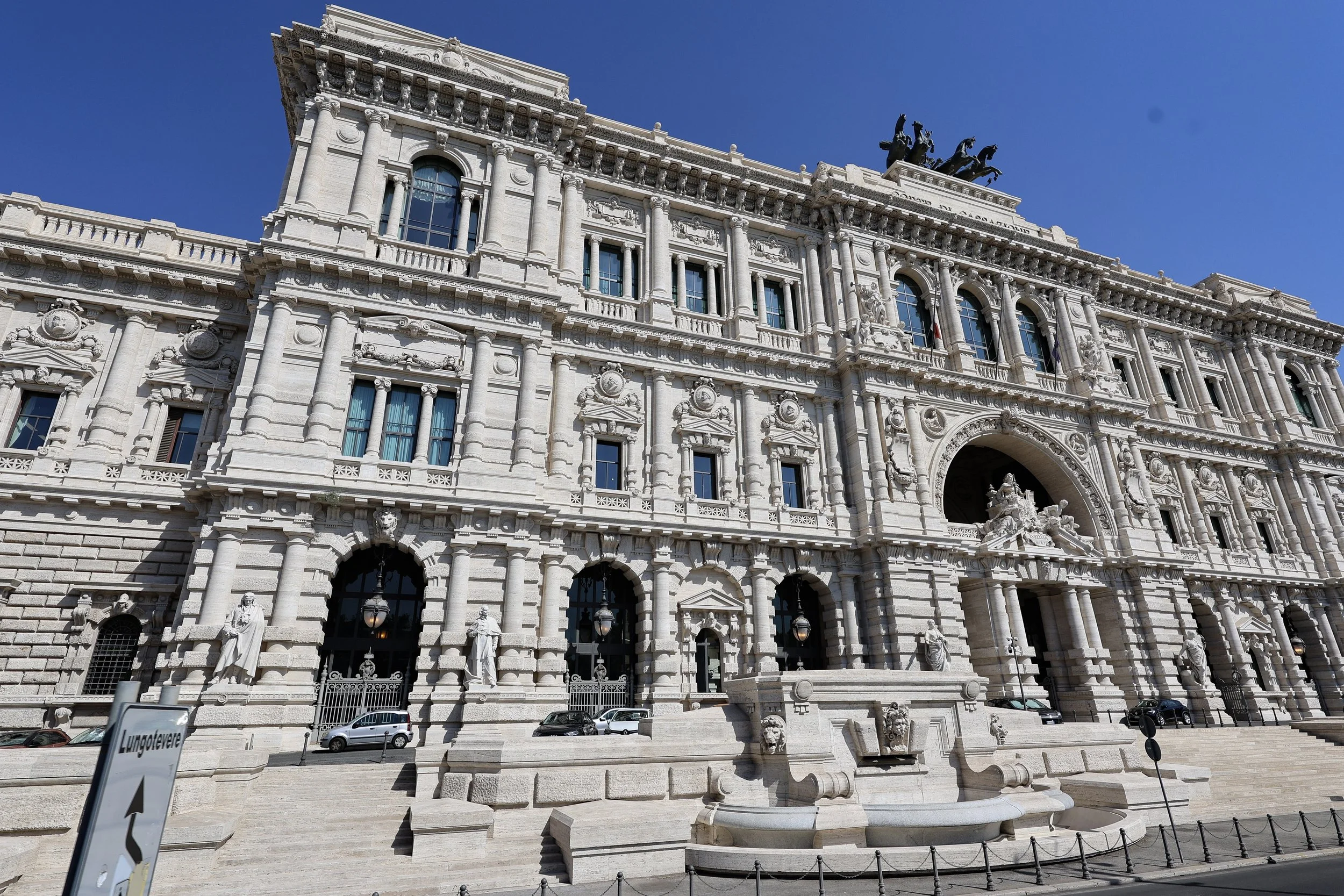
The bus turned out to be a brilliant way to see an enormous amount of Rome in a relatively short time. It took us past pretty much every sight on our bucket list — often close enough to get a really good look without having to fight our way through the crowds.
Rome is one of those cities where history is almost impossible to escape. You don't have to go looking for it. It is simply there —
around every corner, underneath modern buildings and sometimes right in the middle of the road.
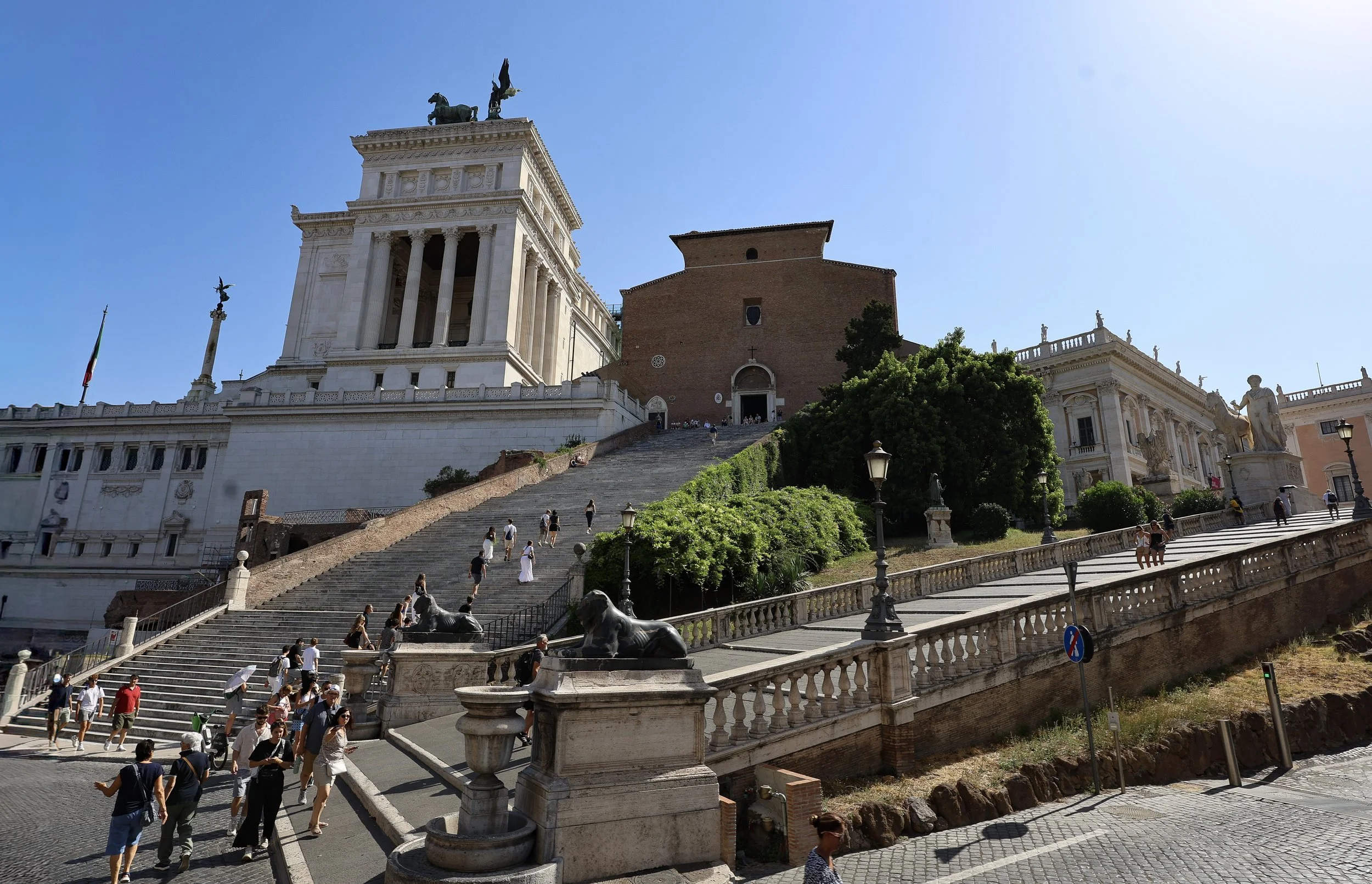
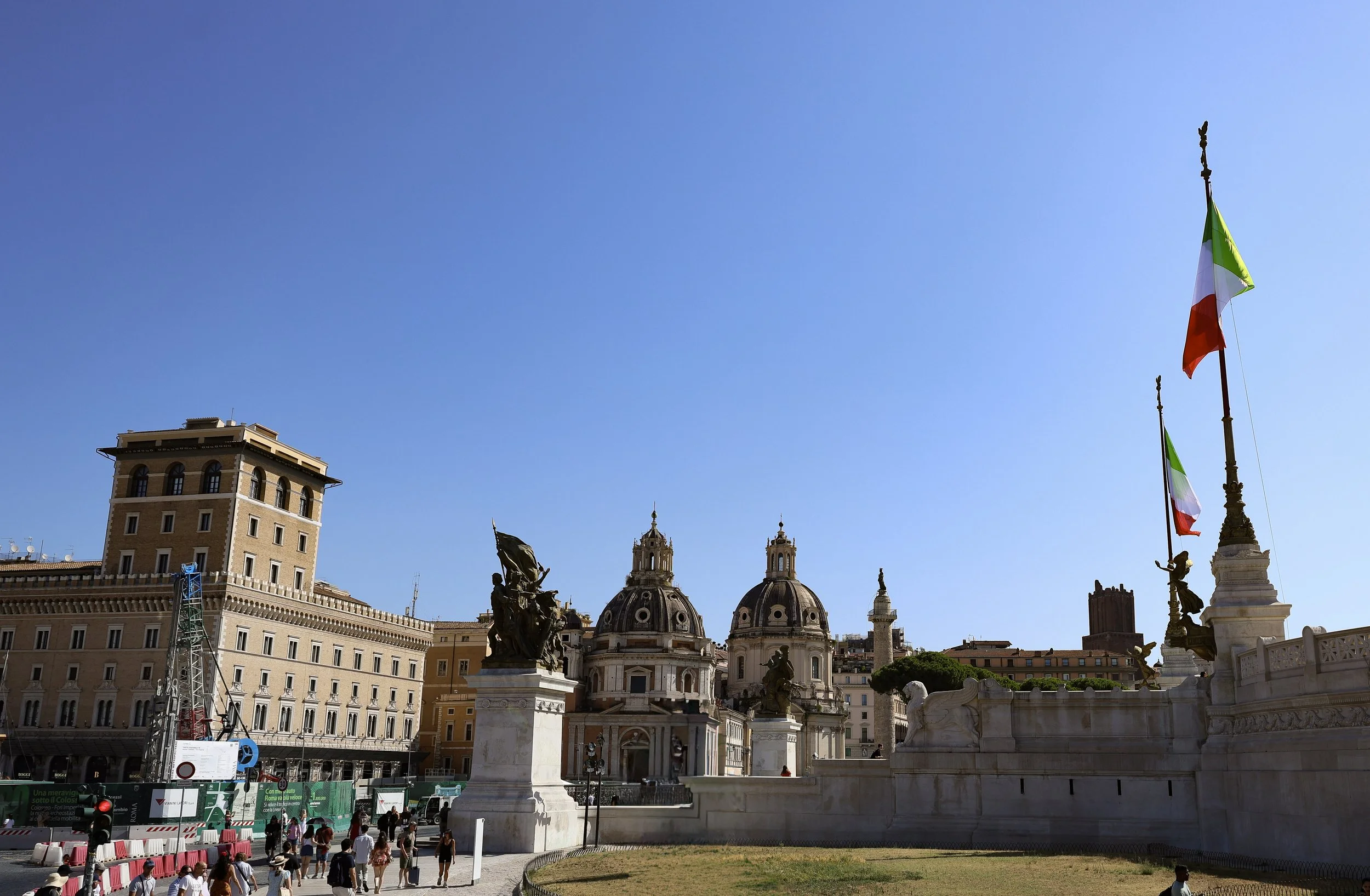
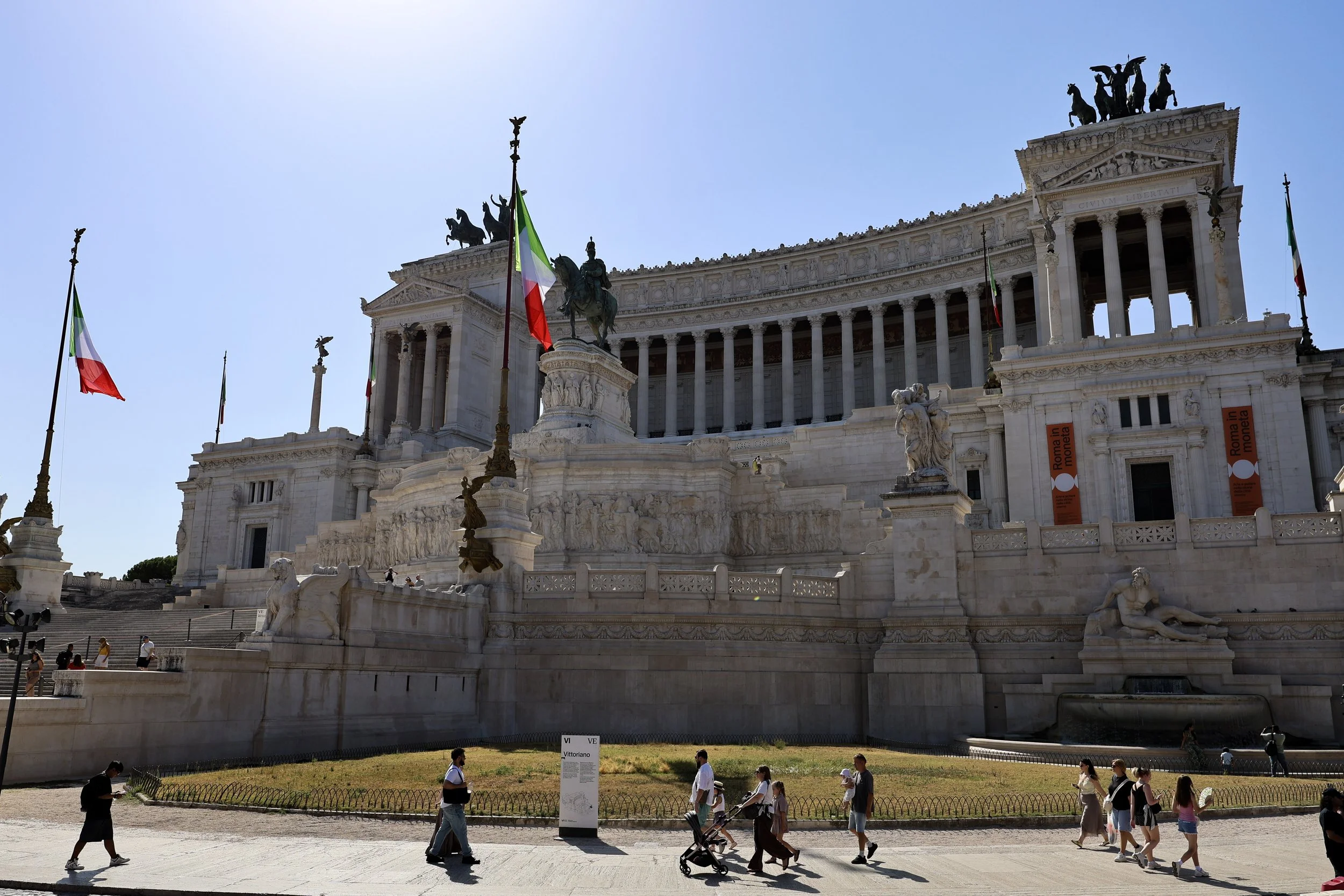
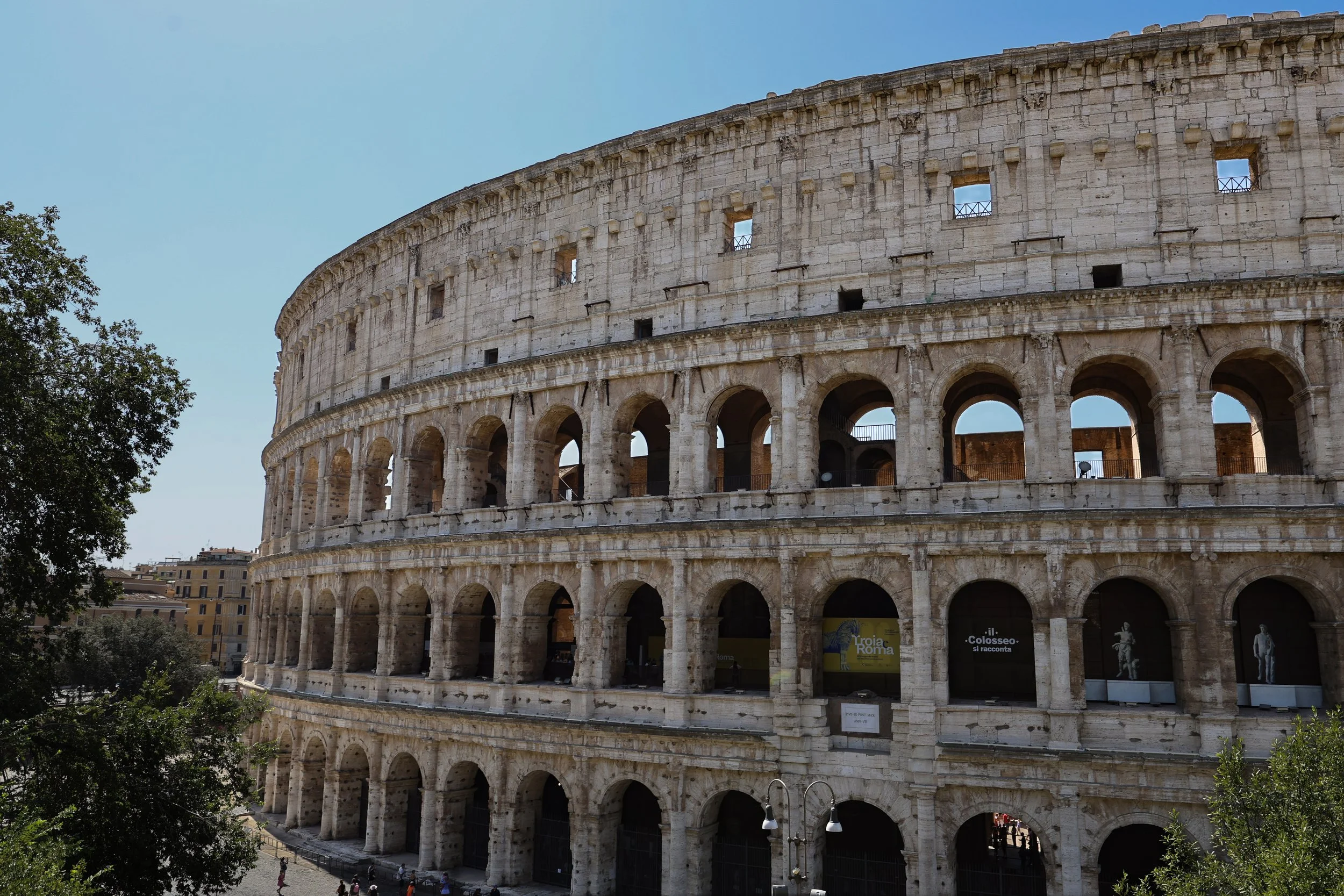
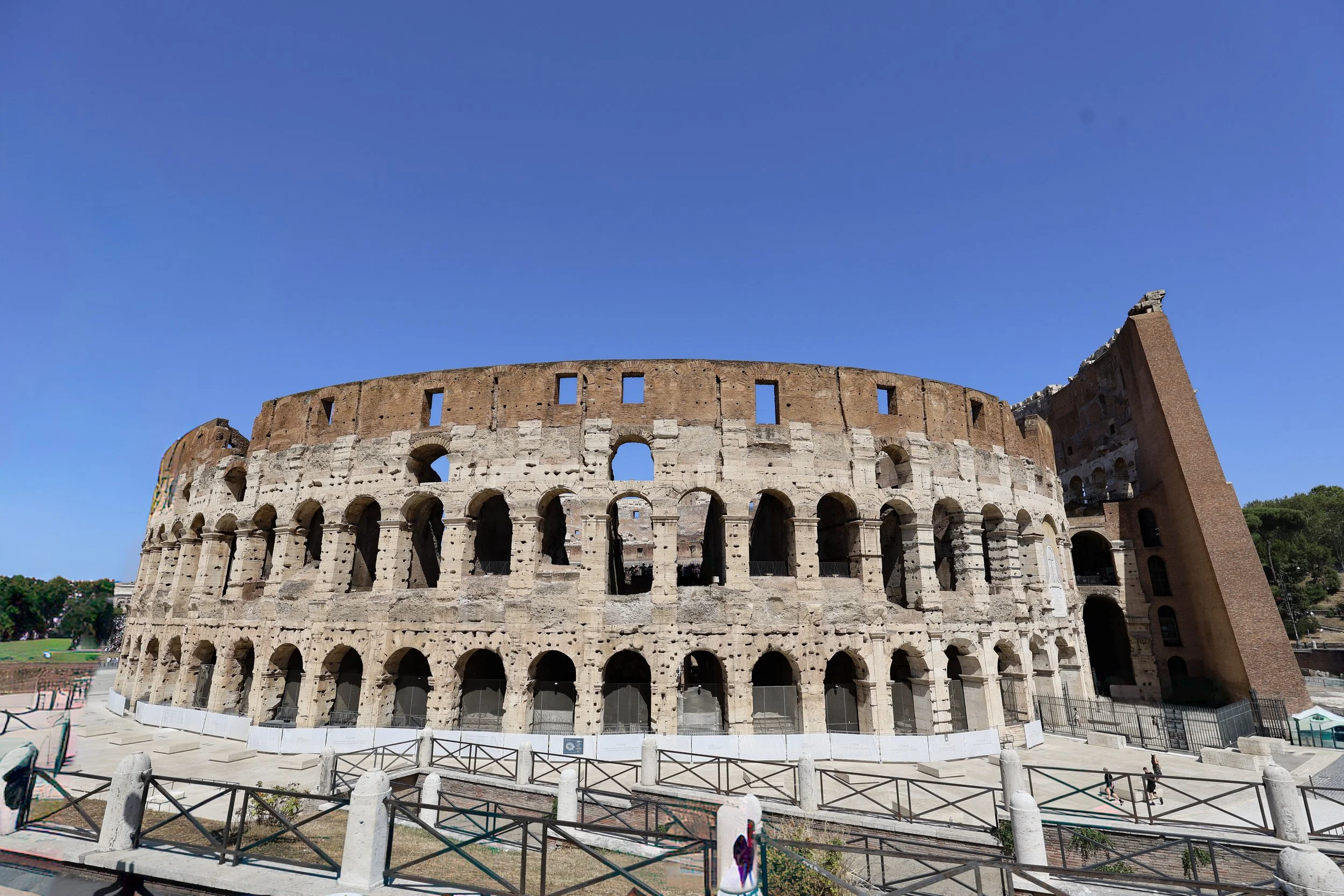
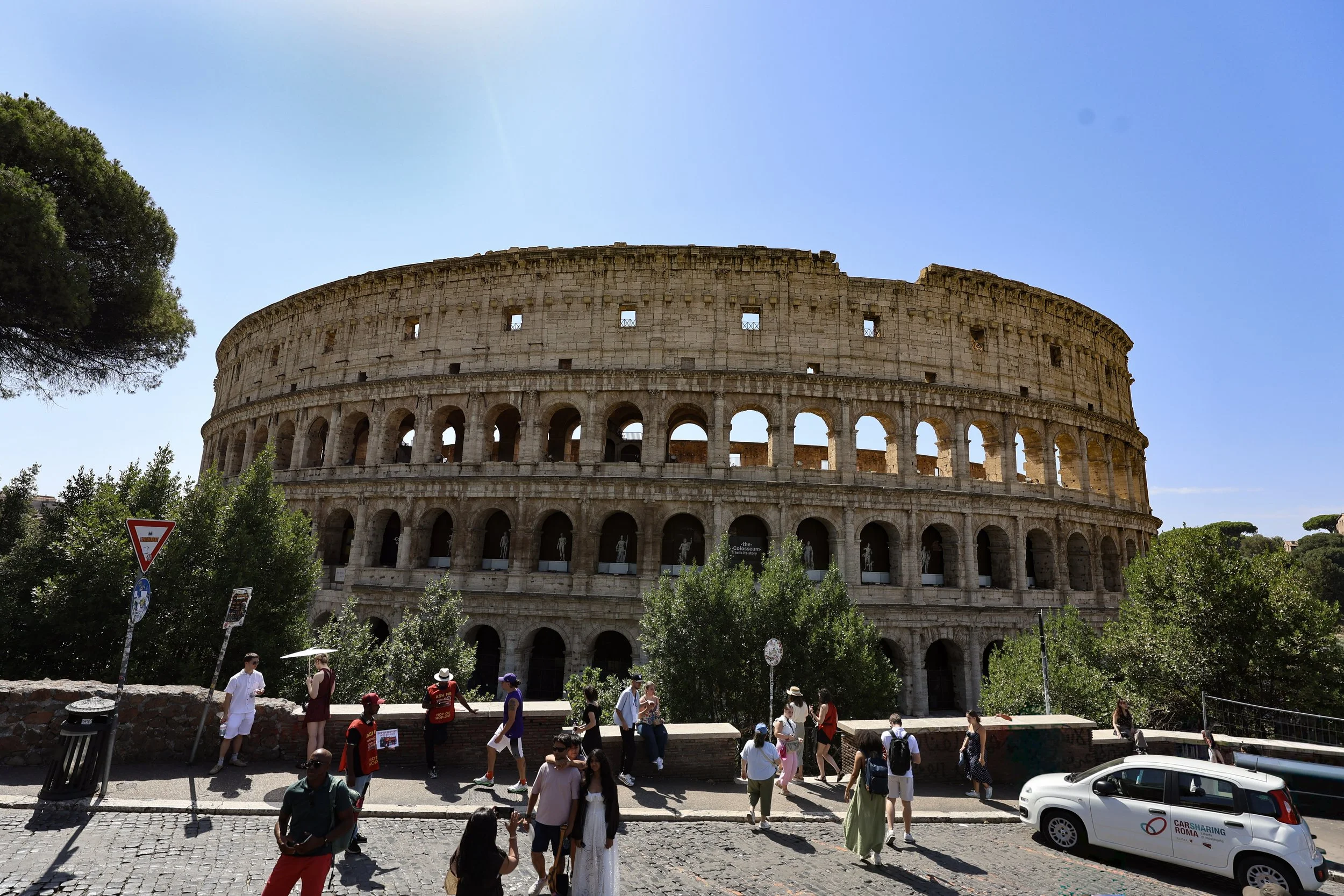
And then there was the Colosseum. The bus took a wonderfully slow seven-minute-or-so circuit around it, which turned out to be one of my favourite parts of the entire day. Sitting on the top deck, with the Colosseum gradually appearing from different
angles, was spectacular. It is difficult to comprehend just how enormous it is until you're actually sitting beside it.
Construction began under Emperor Vespasian around AD 72 and the amphitheatre was completed under his son Titus in AD 80. It could accommodate tens of thousands of spectators and was used for gladiatorial contests, animal hunts, executions and all manner of spectacular entertainment designed to keep the Roman population amused. Nothing says family day out quite like watching a gladiator fight a lion.
The Colosseum was built primarily of concrete and stone and, despite earthquakes, fires, stone robbers and nearly 2,000 years of weather, parts of the enormous structure are still standing. Looking at it from the top of the bus, it was easy to imagine the crowds pouring through its arches and filling the tiers of seats.
The view from the top deck was outstanding.
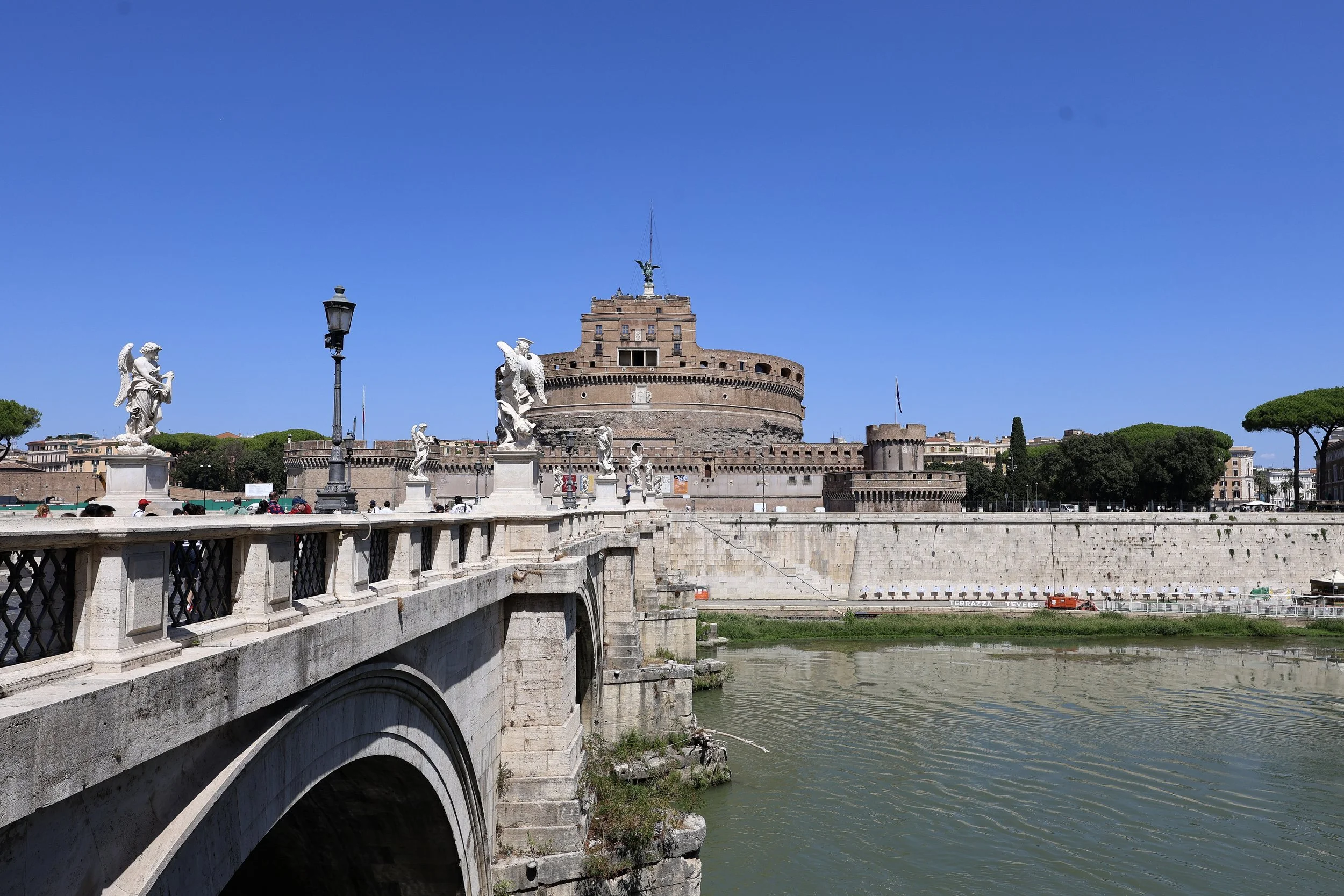
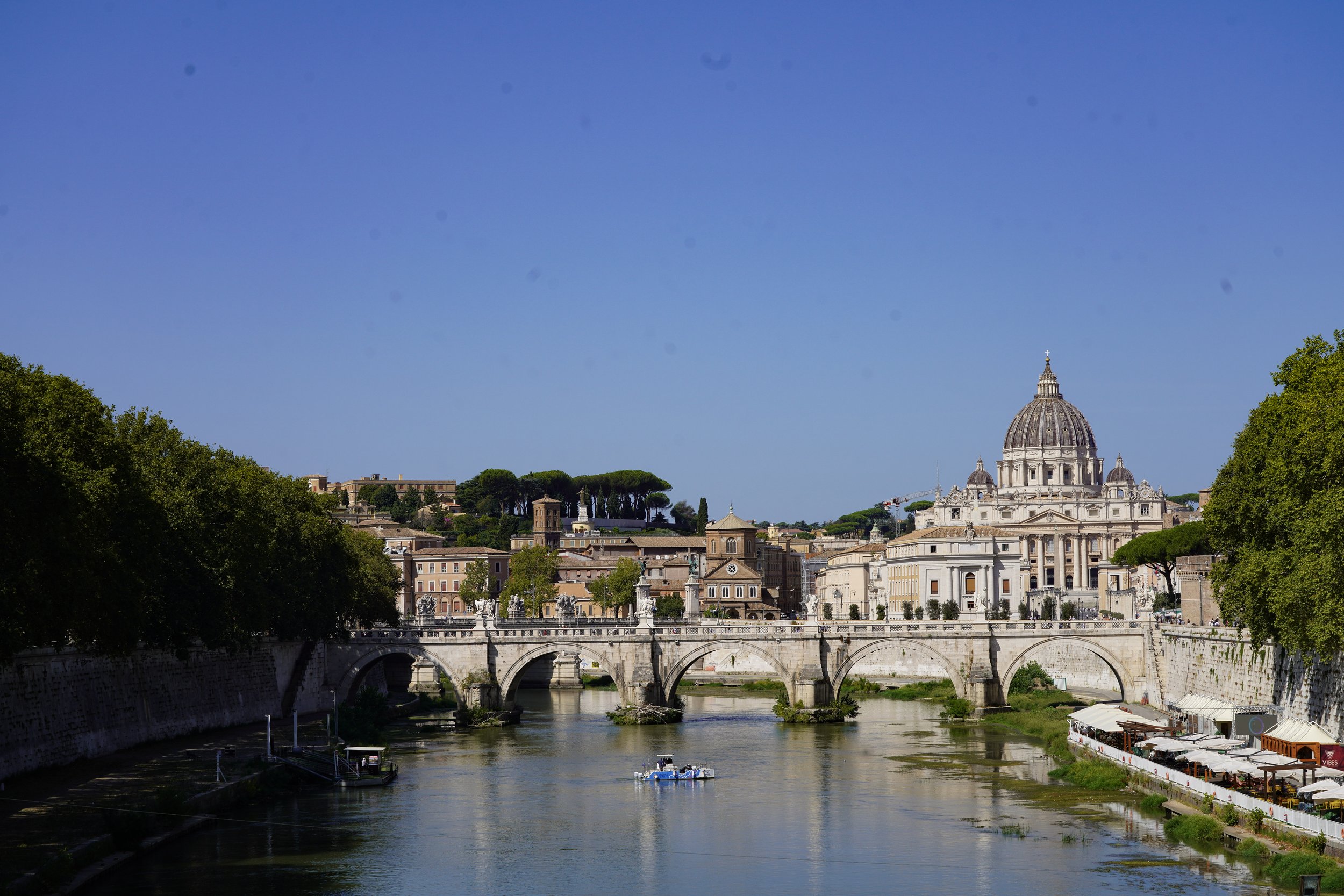
We did another partial loop and eventually hopped off near the Tiber River, close to the bridge leading towards Vatican City. We would have absolutely loved to spend the day exploring the Vatican, St Peter’s Basilica and the Vatican Museums, but there was one small problem. Tickets. Or rather, the complete lack of them.
The Vatican Museums are hugely popular and advance booking is often essential, particularly at busy times. Our guide told us that tickets for the period we were there had effectively been snapped up months in advance — in some cases around nine months ahead. So, apparently, deciding you'd like to see the Vatican while you're already in Rome isn't quite how it works. Lesson learned.
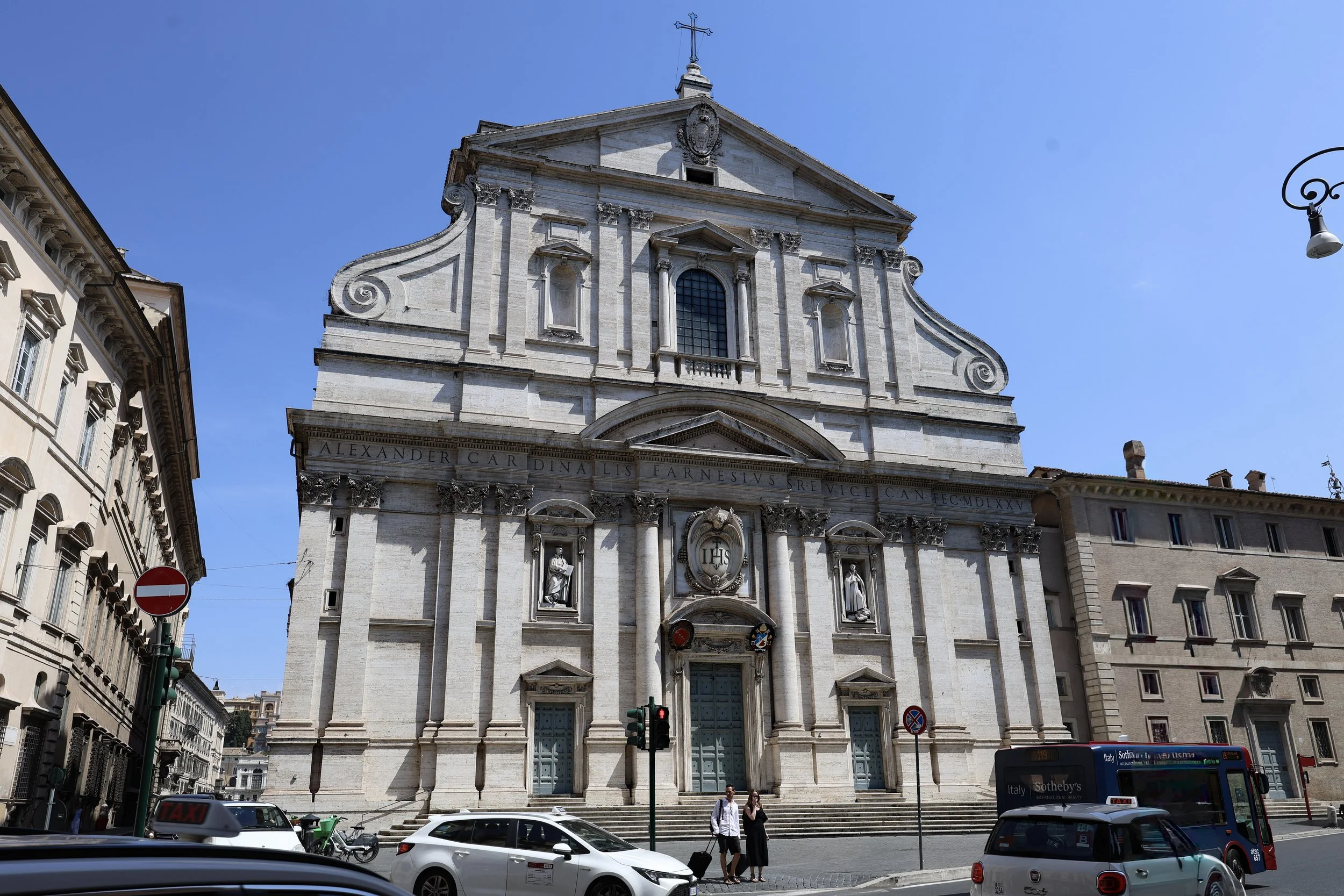
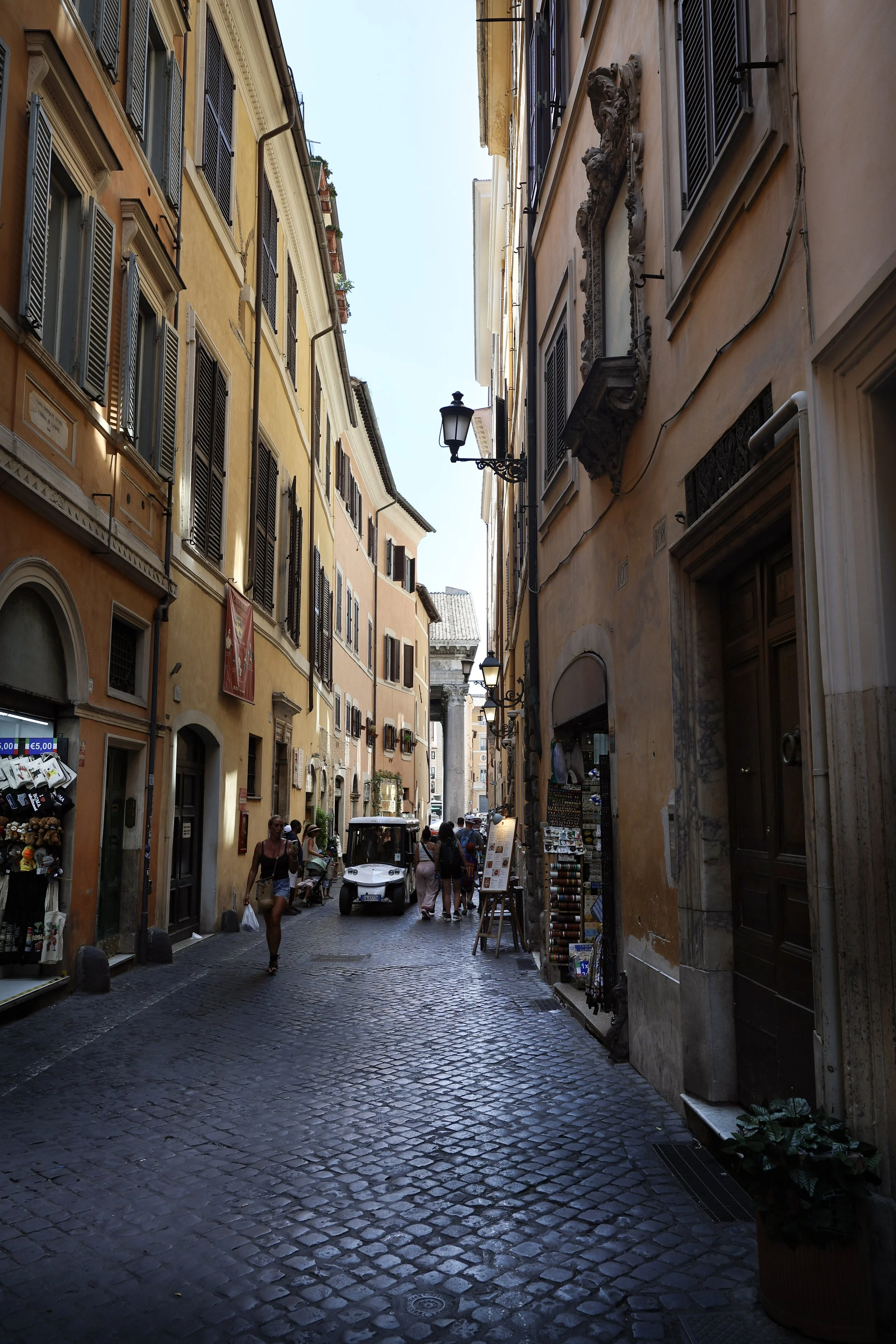
Also, a Sunday is probably not the day to discover this. We wandered instead towards the heart of Rome, although by this point the heat was becoming seriously oppressive. The ancient stone and basalt cobblestones seemed to be reflecting the sun straight back at us, turning the streets into something resembling a giant pizza oven.
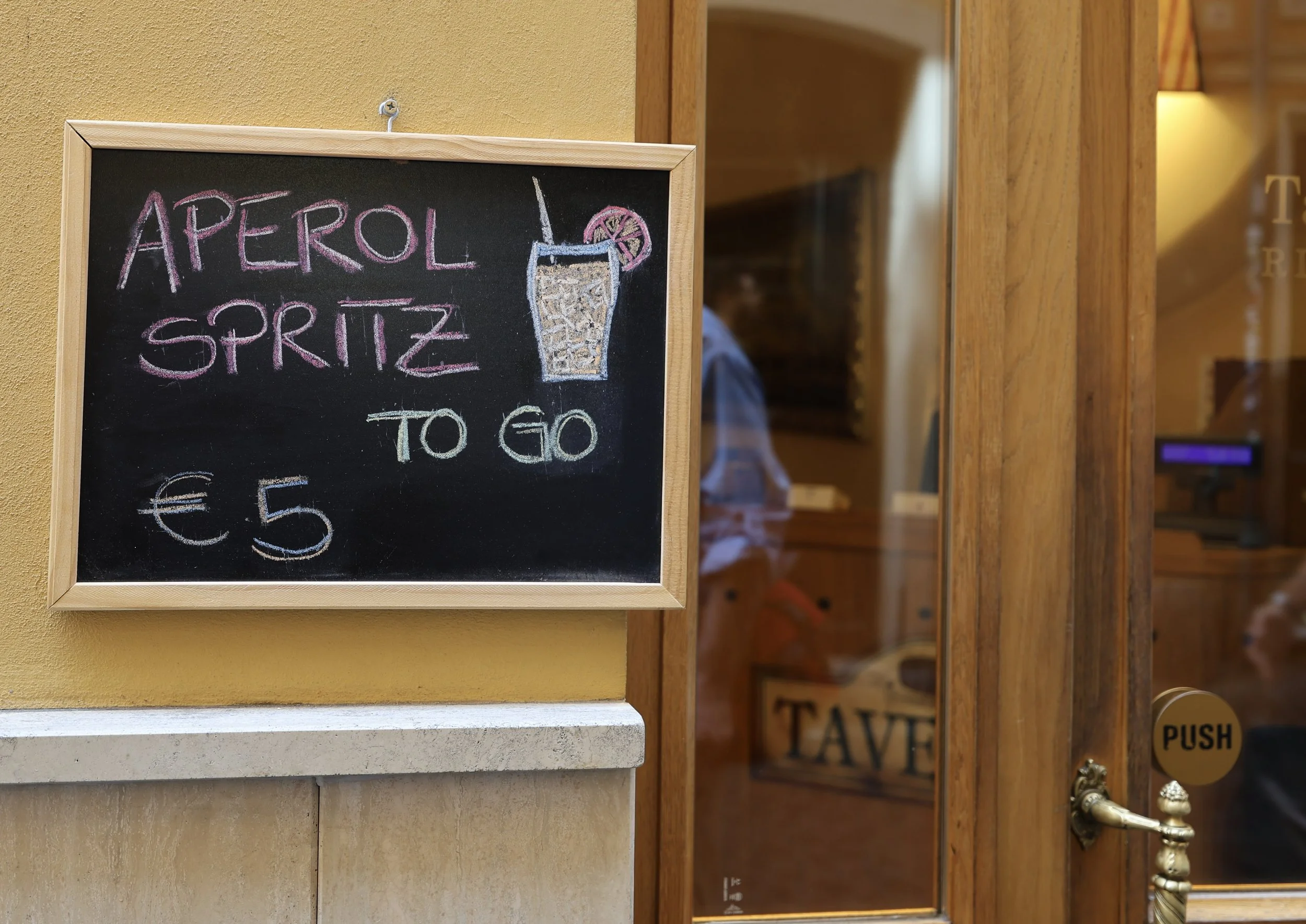
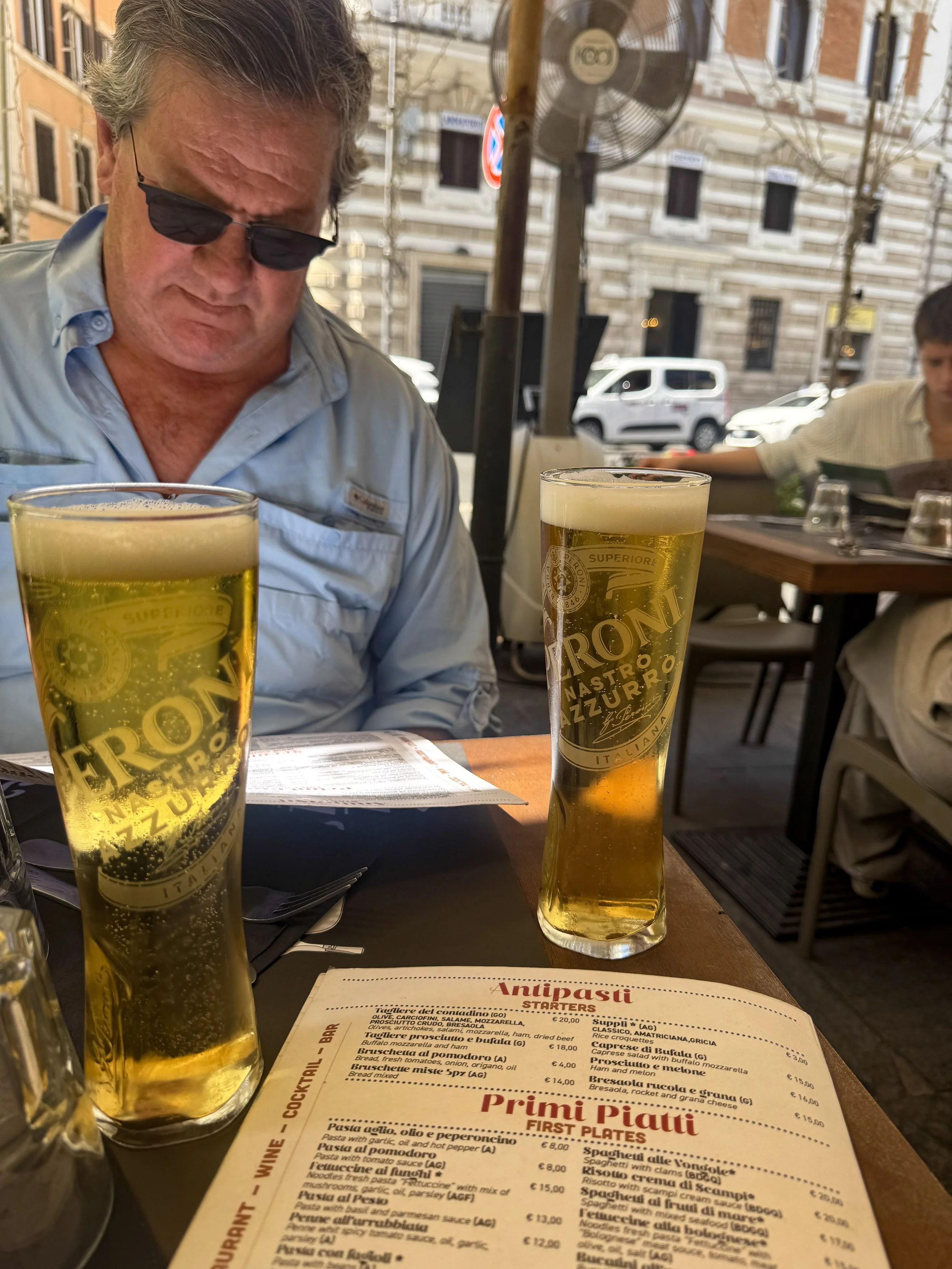
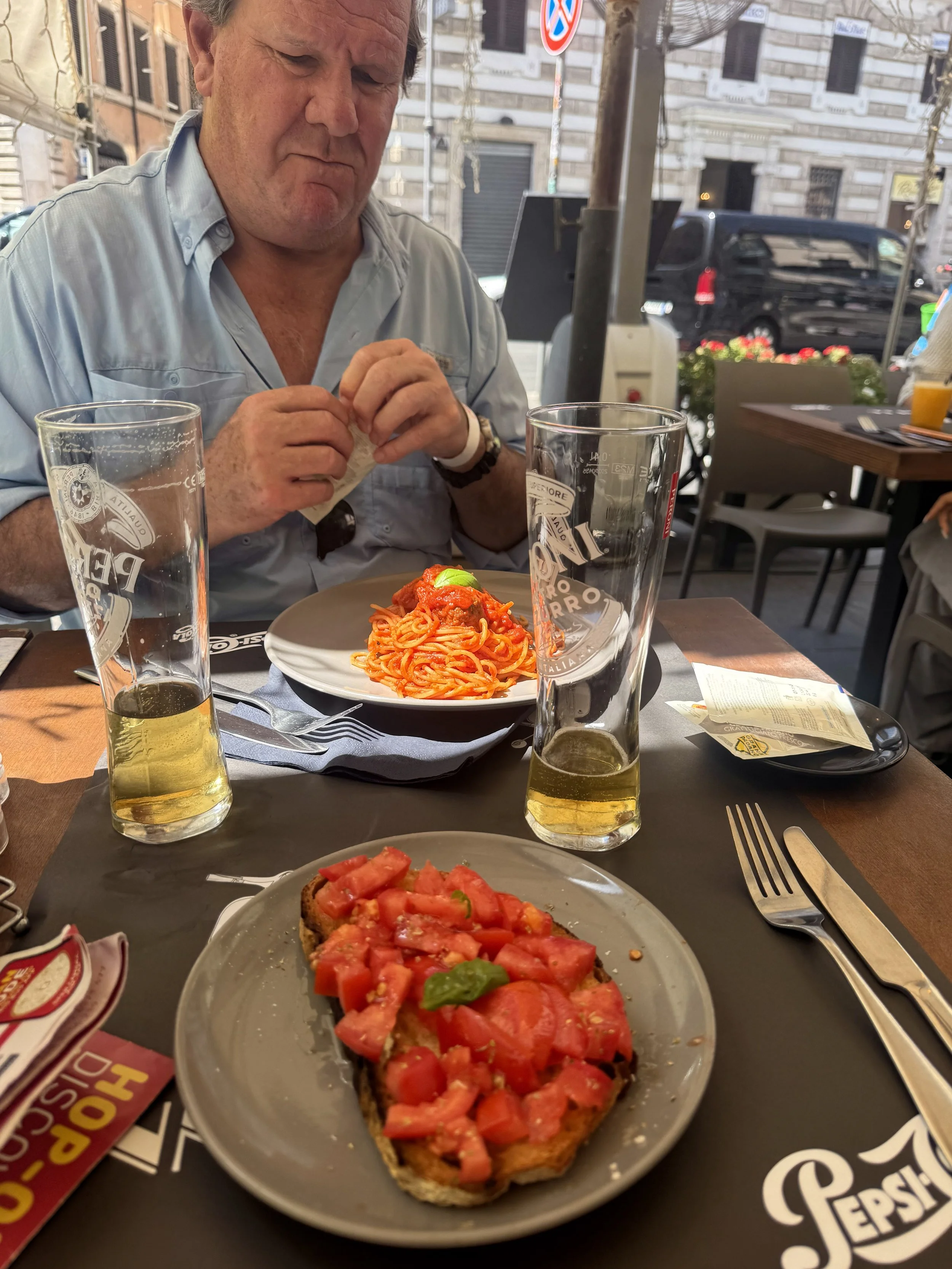
Eventually we spotted exactly what we needed — a restaurant with misting fans. It was love at first sight. We collapsed into chairs and ordered cold beer, spaghetti and meatballs and bruschetta. The beer arrived first, which was absolutely the correct decision.
The food was fantastic. The bruschetta was fresh and full of flavour, the spaghetti and meatballs was exactly what we needed, and the cold beer disappeared at an alarming rate. The misting fans were doing their best to keep us alive, and for a while we were perfectly happy to remain exactly where we were. But we had one more thing on our Rome bucket list.
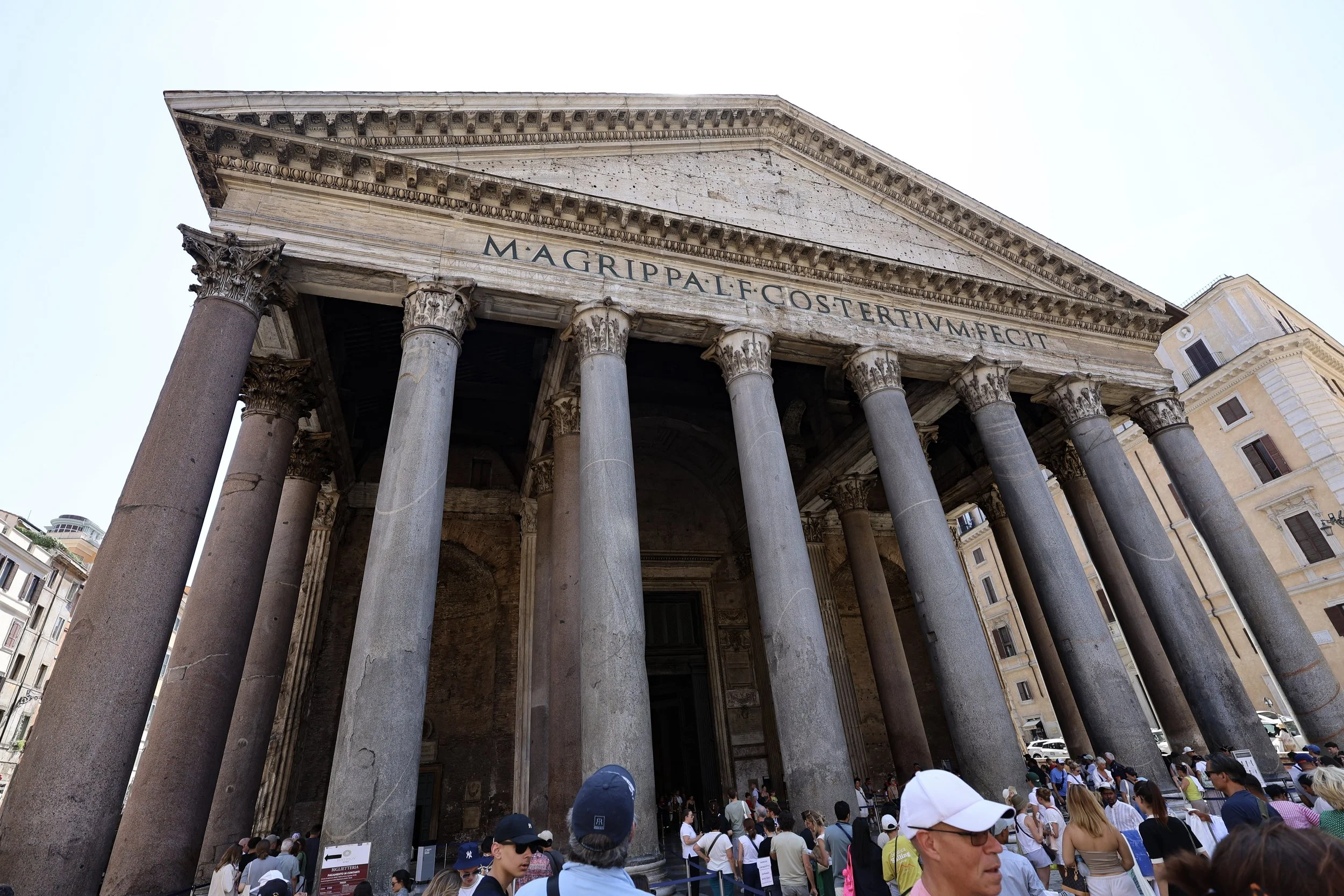
The Pantheon.
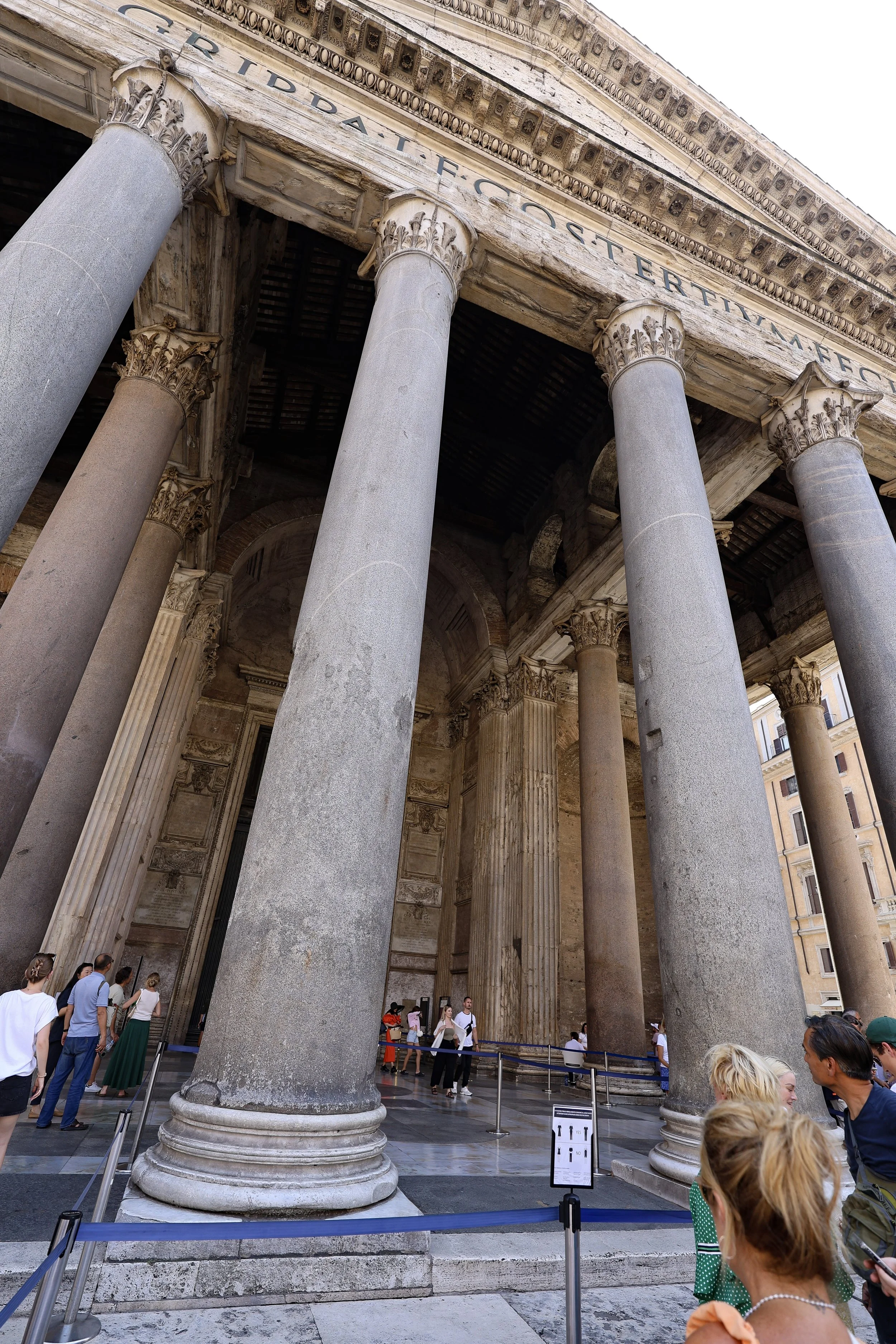
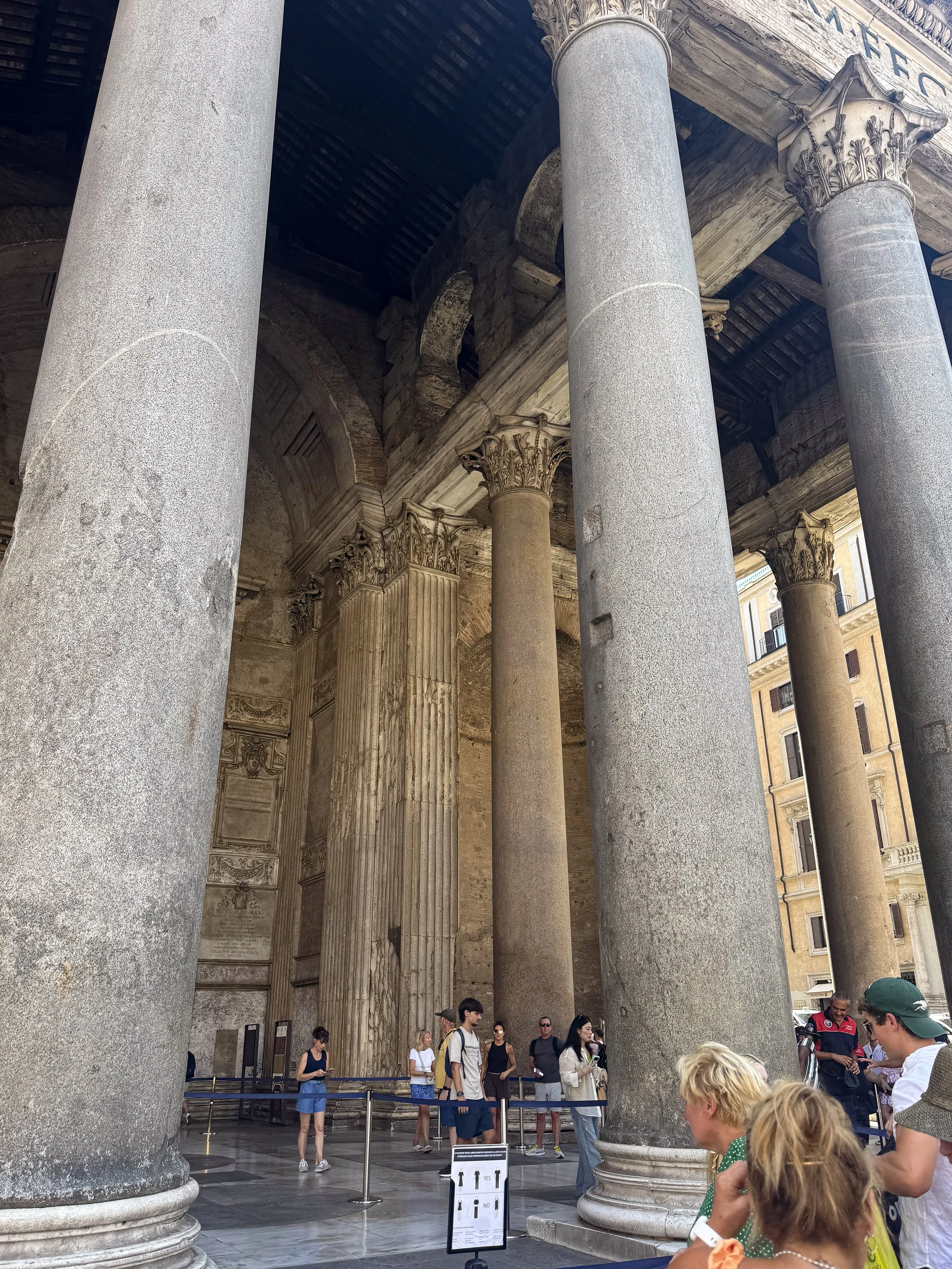
This was one place I really wanted to see, so we reluctantly left the sanctuary of the restaurant and headed back into the streets. The Pantheon is extraordinary. Originally commissioned by Marcus Agrippa during the reign of Augustus and later completely rebuilt under Emperor Hadrian around AD 118–125, it is one of the best-preserved ancient Roman buildings anywhere in the world. And the really remarkable thing is that it is still functioning as a building rather than simply being a ruin.
The enormous domed interior was an engineering masterpiece. At its centre is the famous oculus, a circular opening in the roof that is the building's only major source of natural light. There is no glass covering it, so when it rains, rain actually falls into the Pantheon. Roman engineering. Nearly 2,000 years old. Still showing off.
Sadly, we didn't have the time or energy to fully appreciate the interior on this visit, but even approaching the building and standing beneath its enormous portico was impressive.
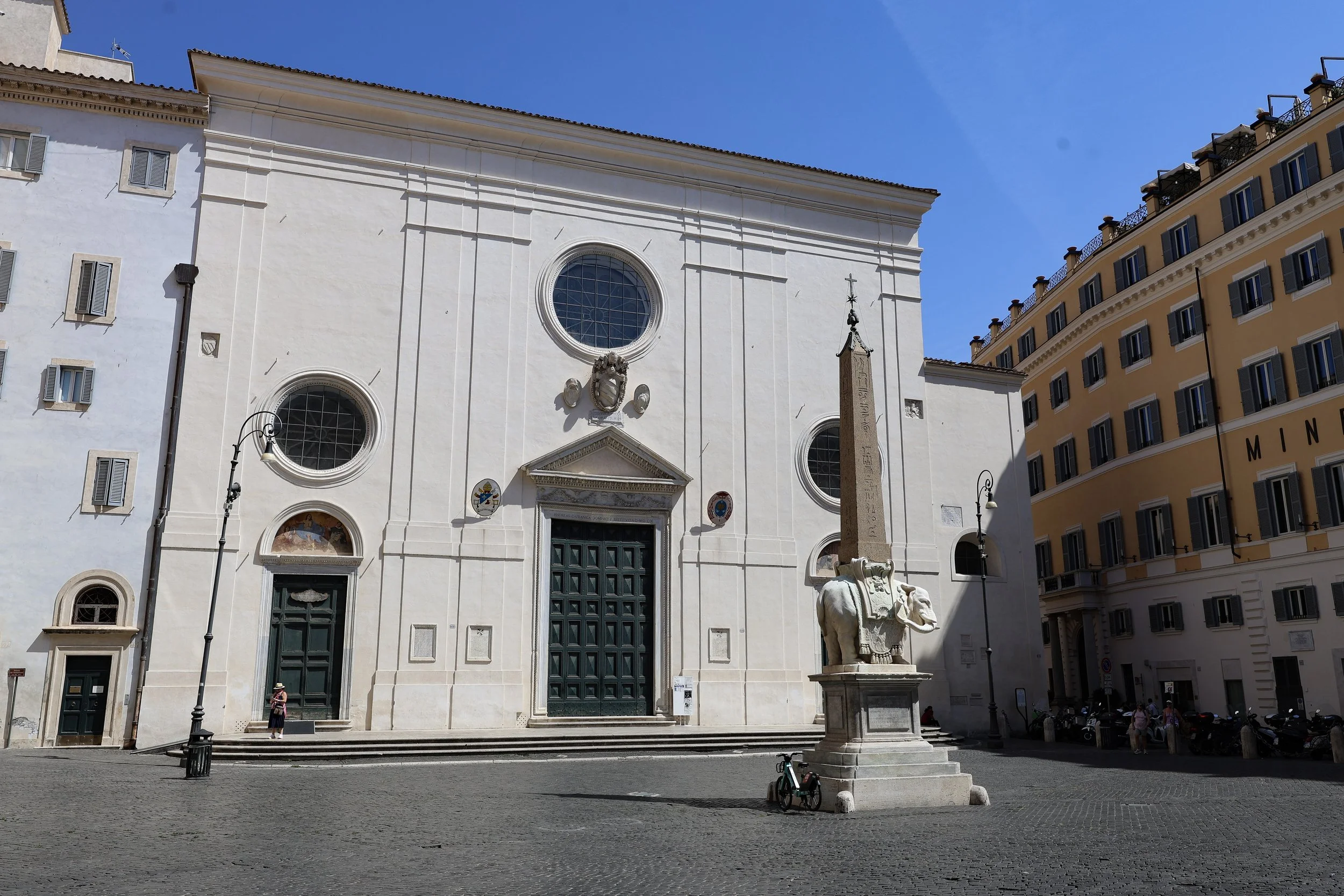
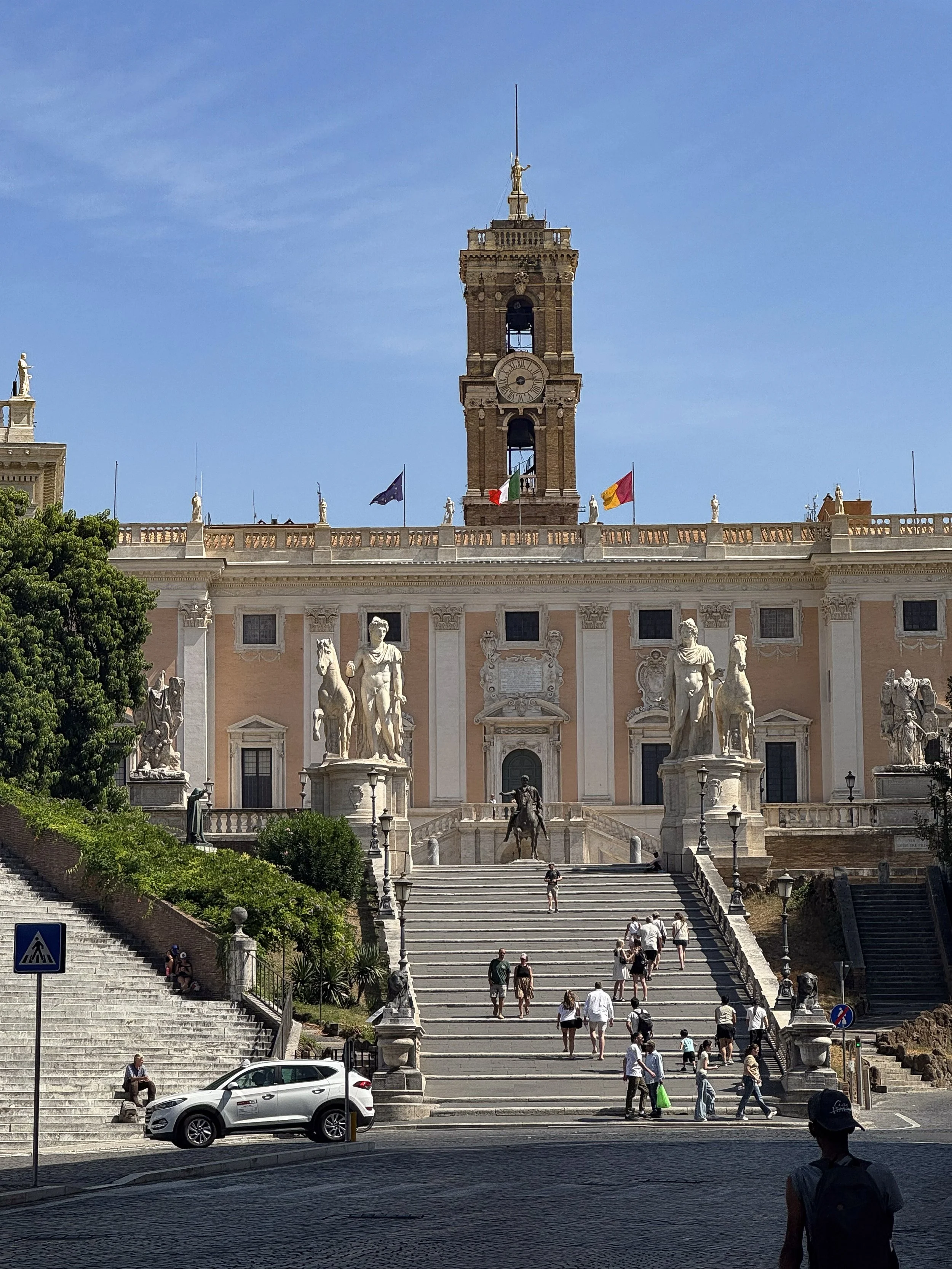
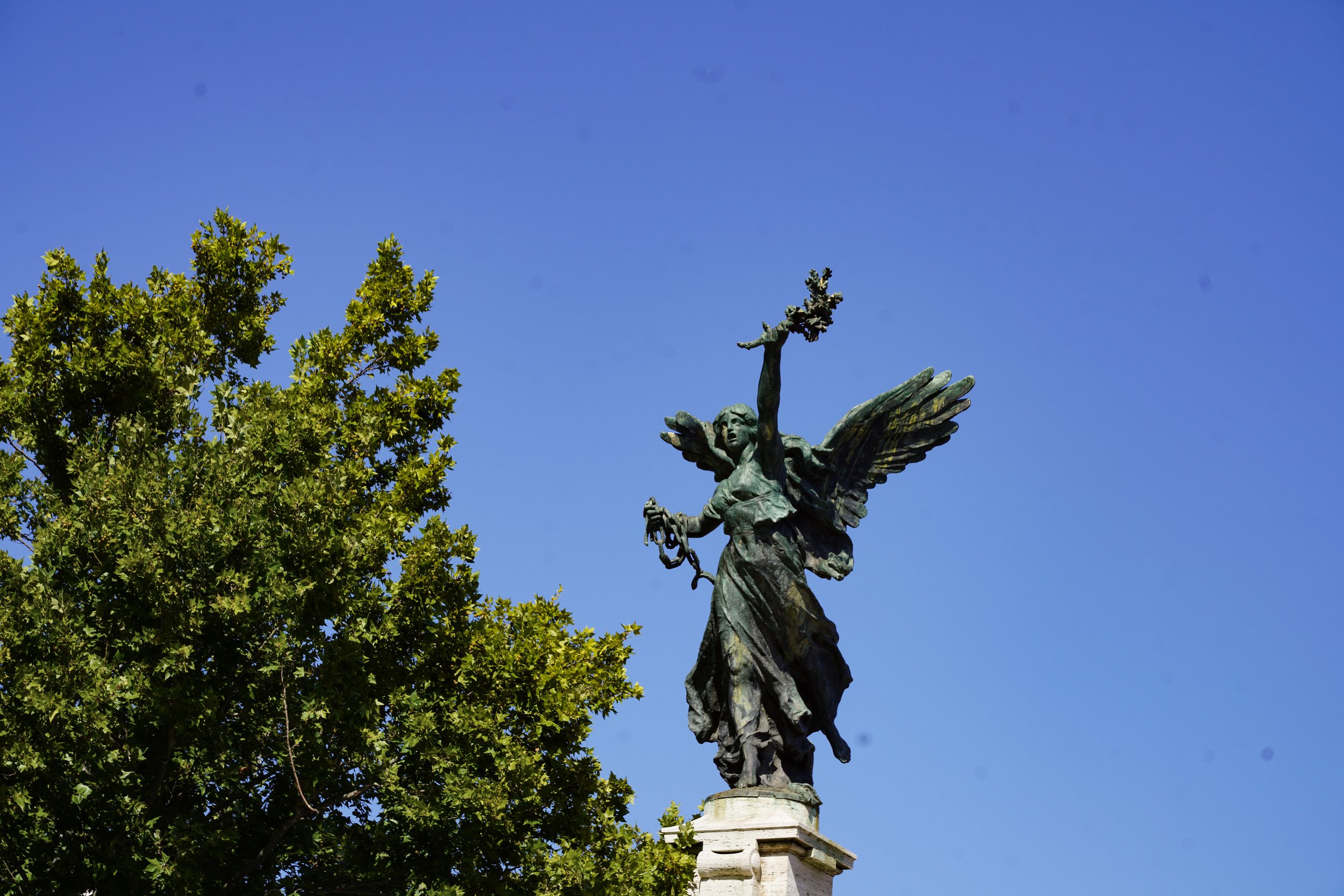
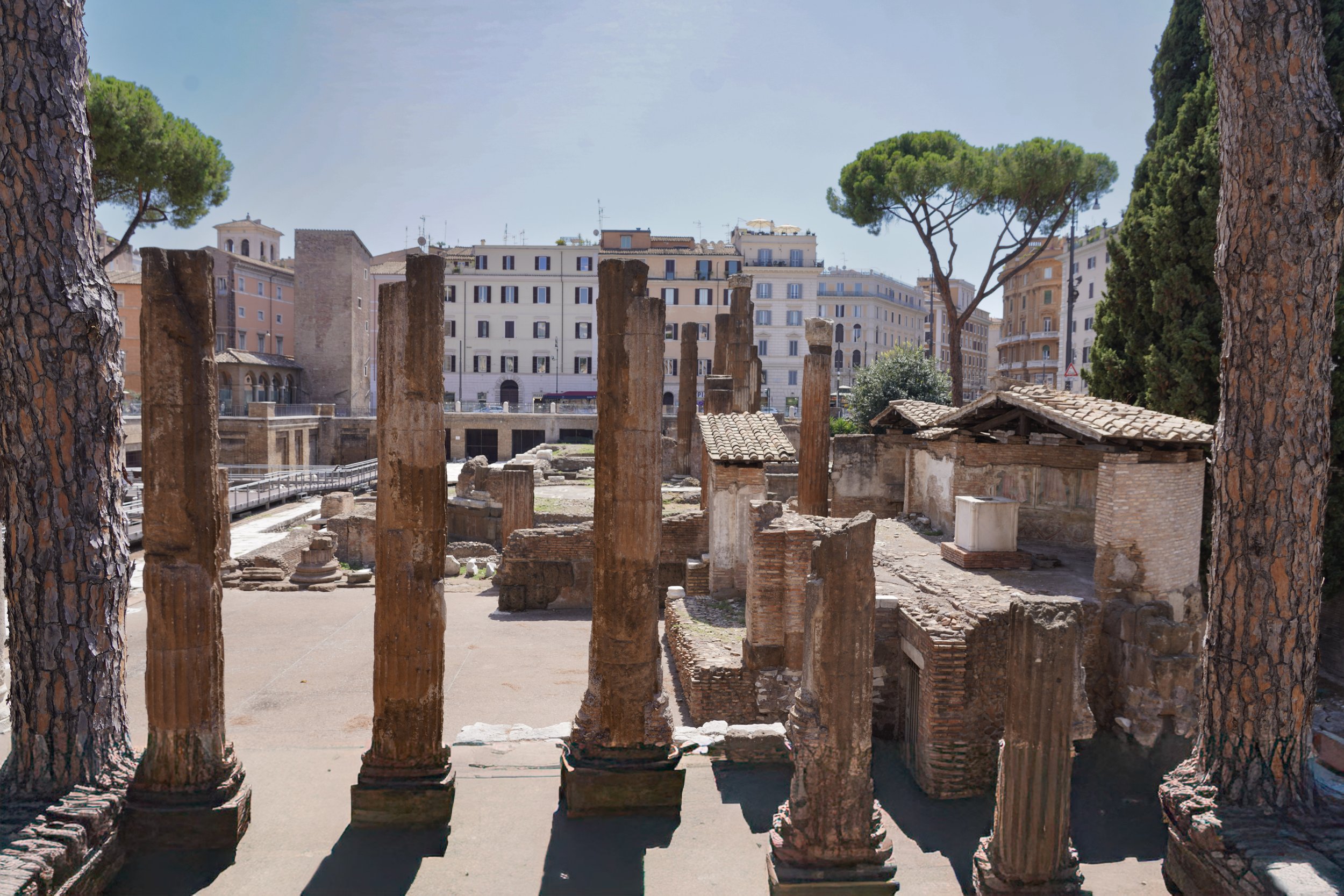
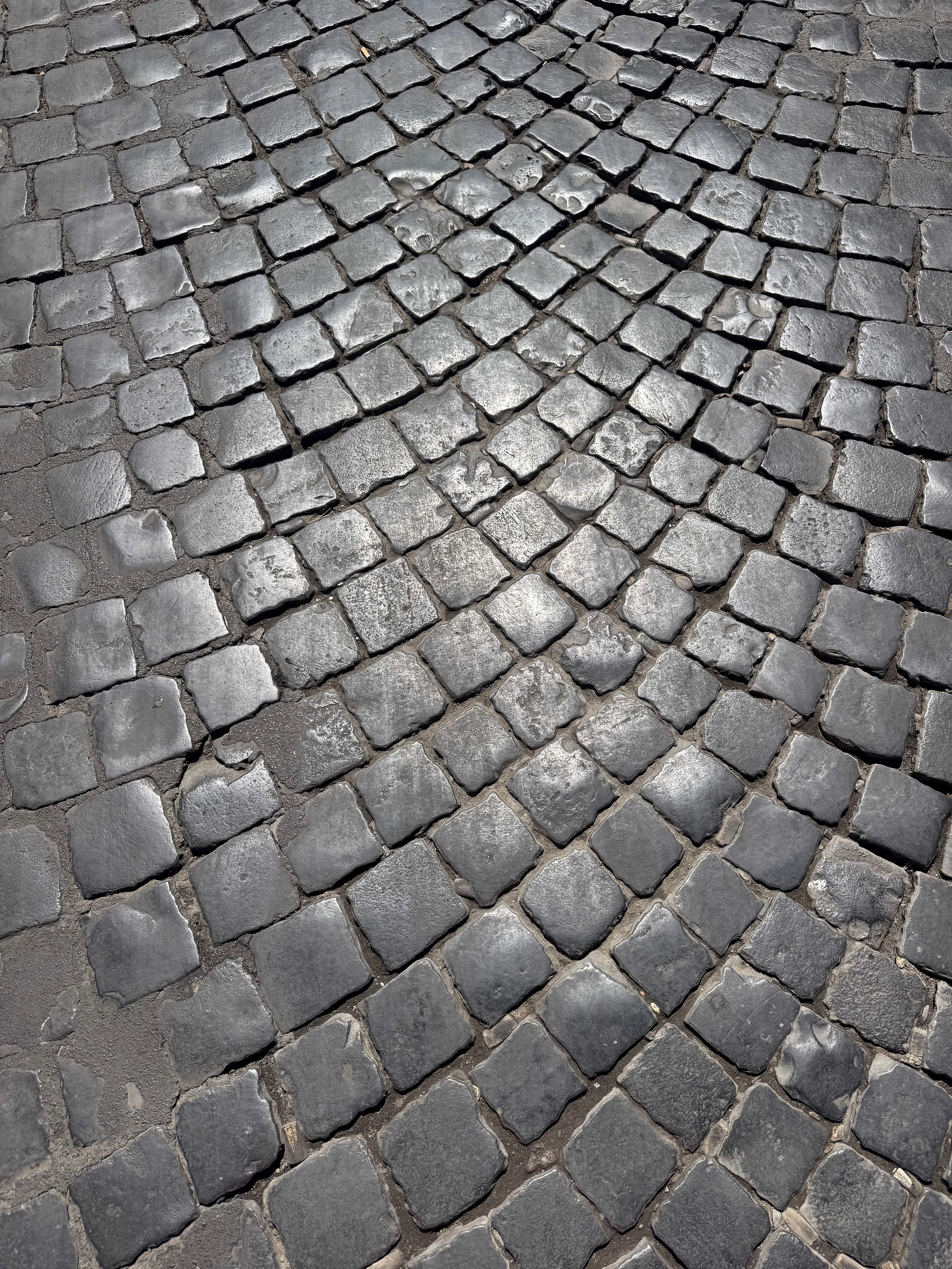
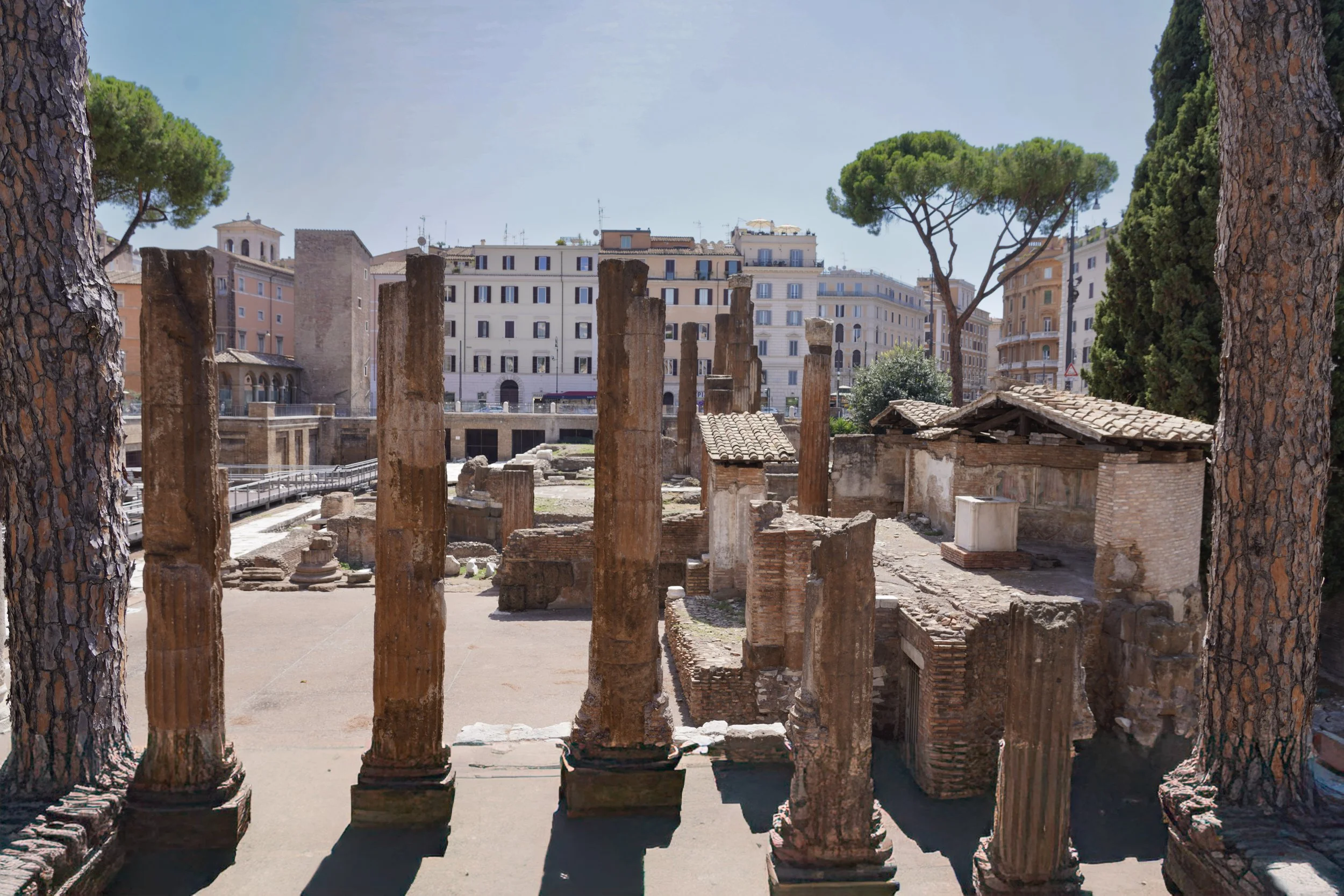
Getting there was another matter. Rome's historic centre is a glorious maze of narrow, winding streets, tiny piazzas, fountains and ancient buildings, and normally I would have loved every minute of it. That day, however, I was beginning to feel slightly delirious. The basalt cobblestones were radiating heat, the sun was relentless and my internal navigation system appeared to have stopped functioning somewhere between “turn left” and “where the hell are we?”
I may — and I stress may — have got us a little lost. For a moment. Possibly more than a moment. But eventually John took over the navigation and we found our way back towards the river and began the slow trek through the city towards our bus pickup point near the Circus Maximus.
The Circus Maximus is another reminder of just how spectacular ancient Rome must have been. This enormous site was once the city's great chariot-racing stadium, stretching for hundreds of metres between the Aventine and Palatine Hills. It is believed to have held well over 100,000 spectators at its peak.
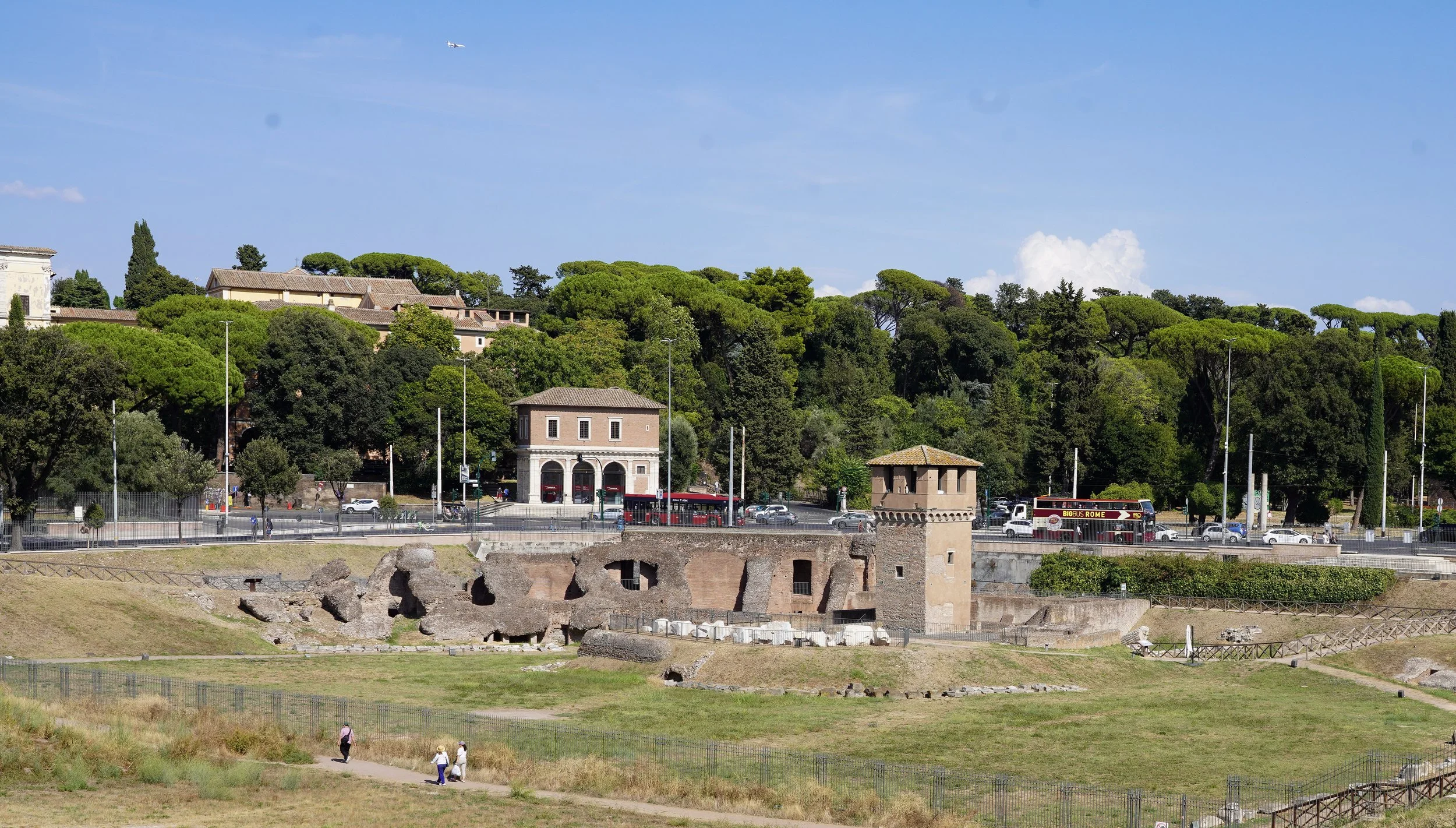
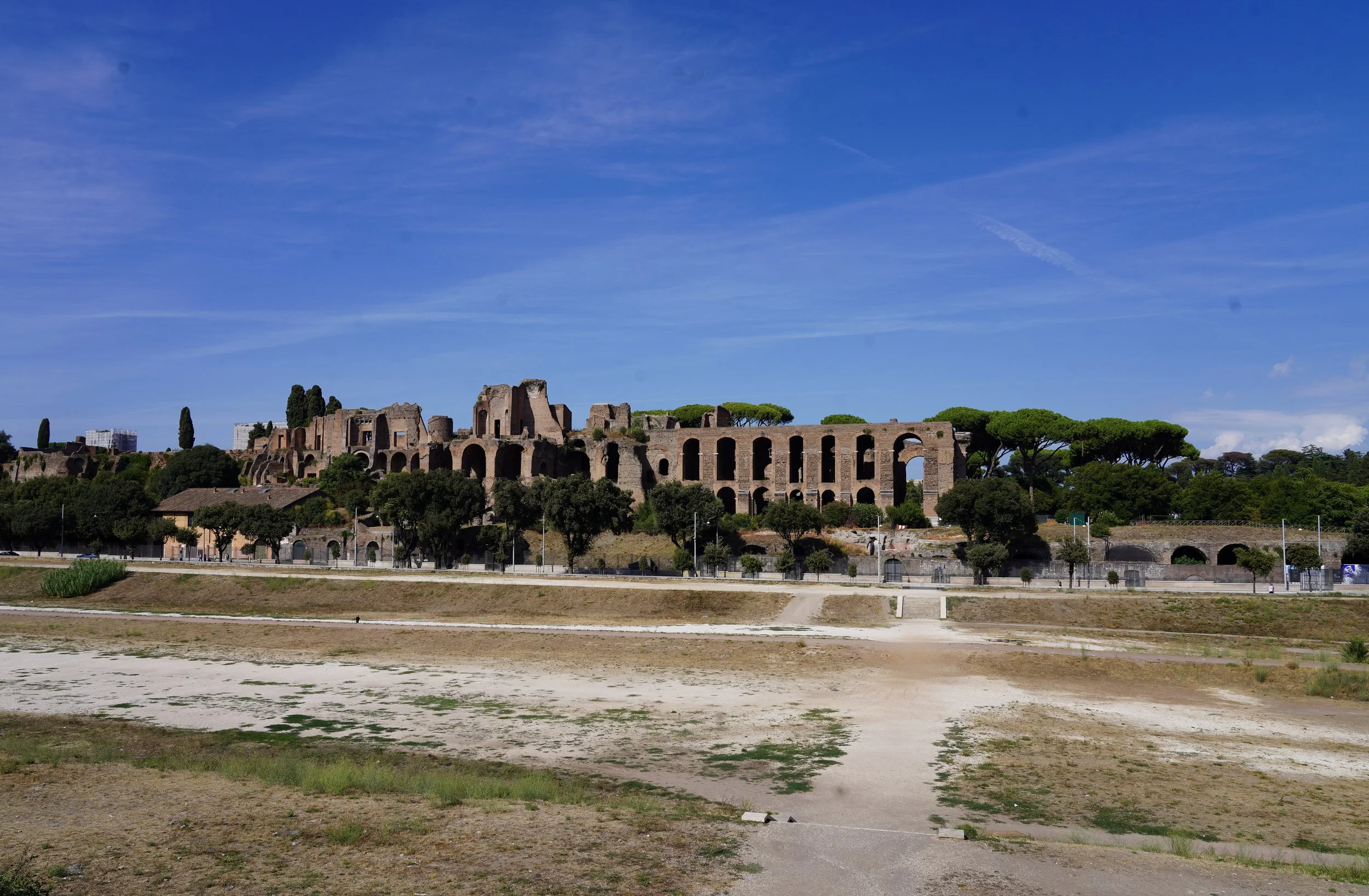
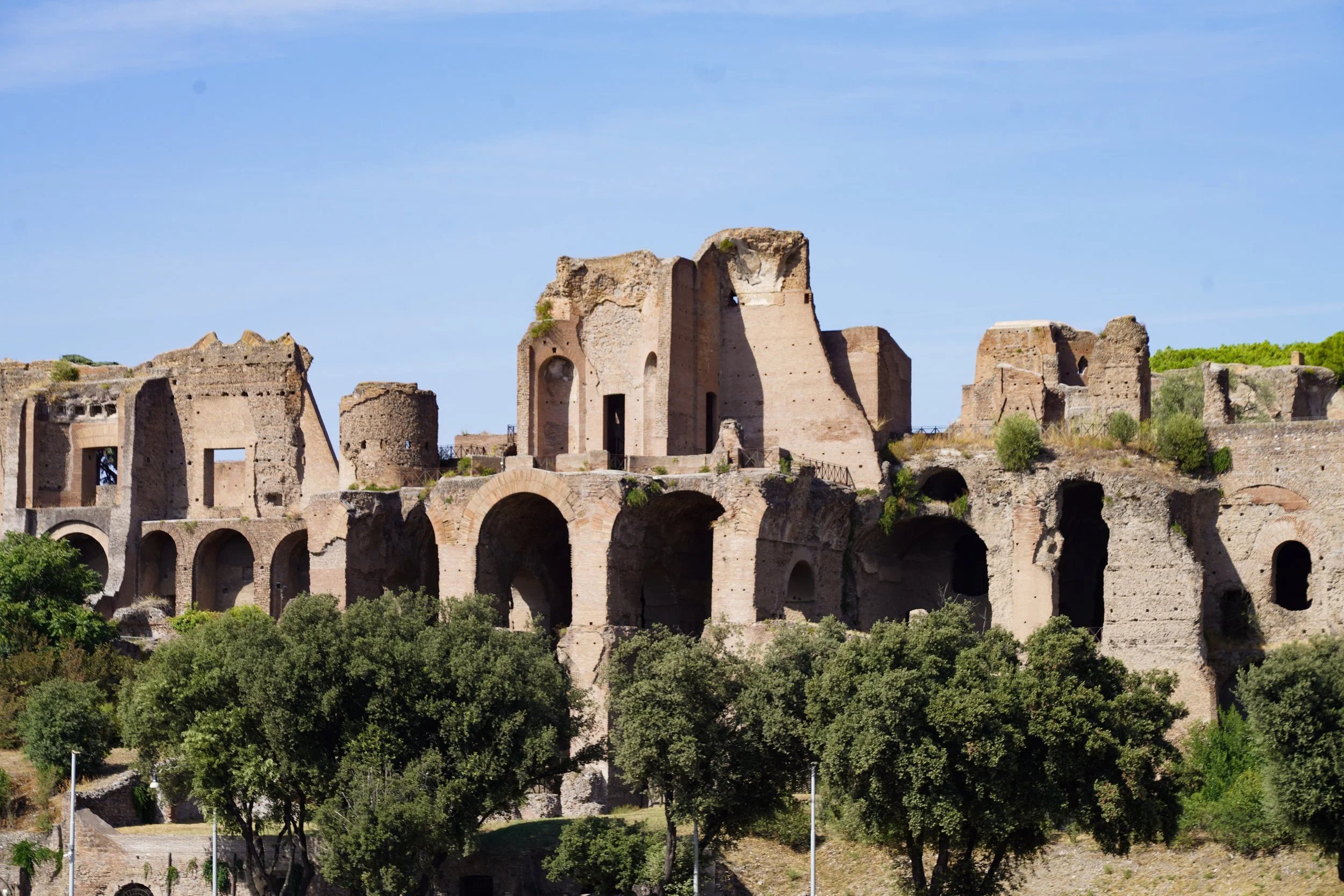
Today, much of what remains is an enormous open space, but standing there and imagining thousands upon thousands of Romans packed into the stands, screaming for their favourite charioteer, gives you some idea of the scale of ancient Rome.
By this stage, though, our interest in ancient civilisation was being overtaken by a much more immediate need. Air conditioning.
We had seen the Colosseum. We had seen the Pantheon. We had seen the Tiber, the Circus Maximus and plenty of other magnificent pieces of Roman history from the top of a bus. We had also consumed enough beer to make a Roman legion proud. and it was time to go home.
We climbed back onto the bus and settled into our seats for the journey back to Civitavecchia, watching Rome disappear behind us. It had been a wonderful day, but it had also reinforced one very important conclusion: Rome needs considerably more than one day. Preferably several days. Preferably in spring or autumn. And preferably when the temperature isn't trying to kill
you.
For this trip, though, the Hop-On Hop-Off bus had been absolutely the right decision. We had managed to see an incredible amount of the city without spending the entire day walking through the heat, and while we only scratched the surface, we got enough of a taste to know that Rome definitely deserves a return visit.
Eventually, we arrived back at the Mothership, where the air conditioning felt like a personal gift from the gods. After all, we'd spent the day exploring the greatest city of the ancient world. We were exhausted, slightly dehydrated and very sweaty.