Antwerp
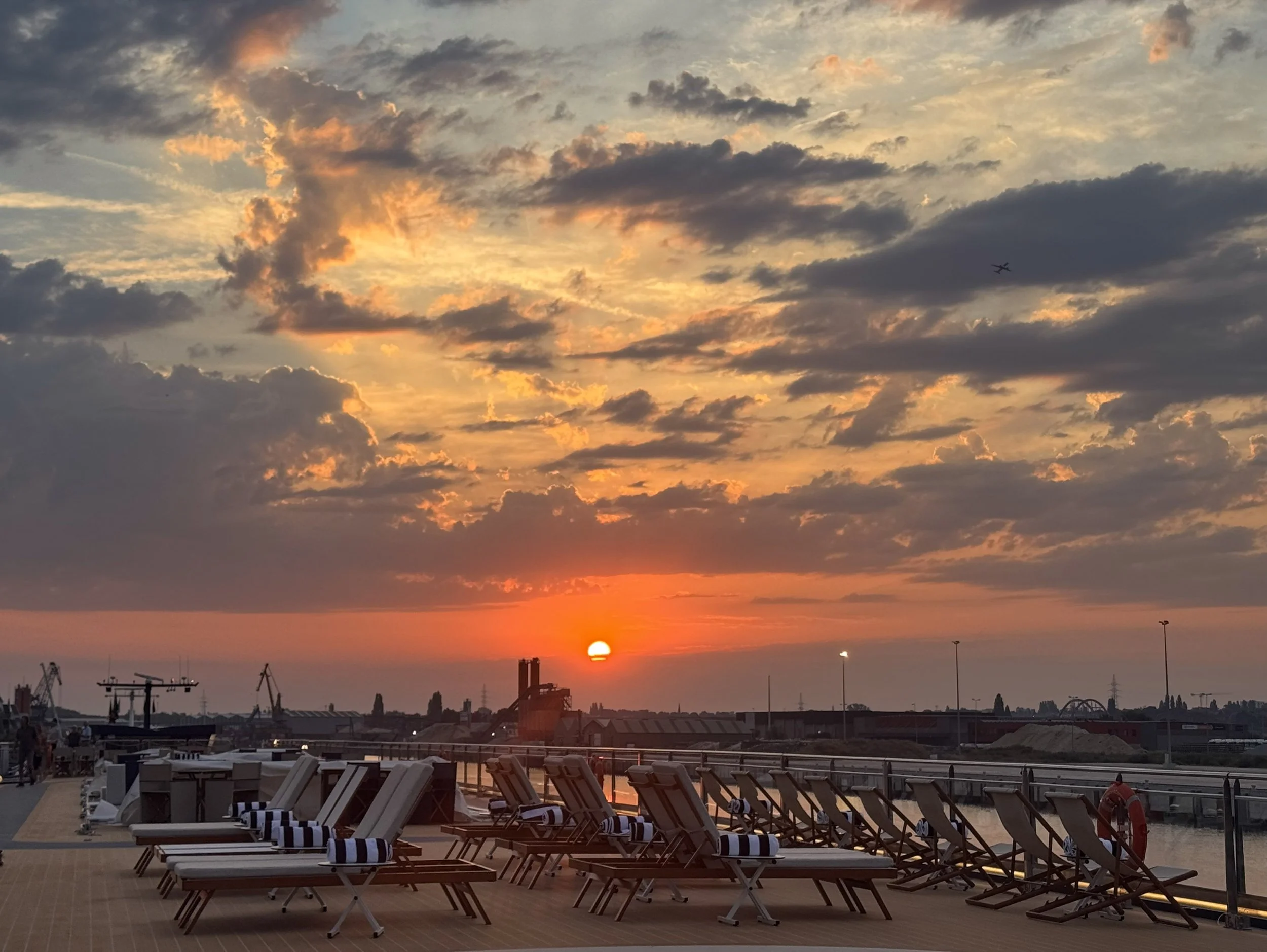
We woke the next morning to find the Transcend Connect neatly tied up directly on the dock beside the River Scheldt, with
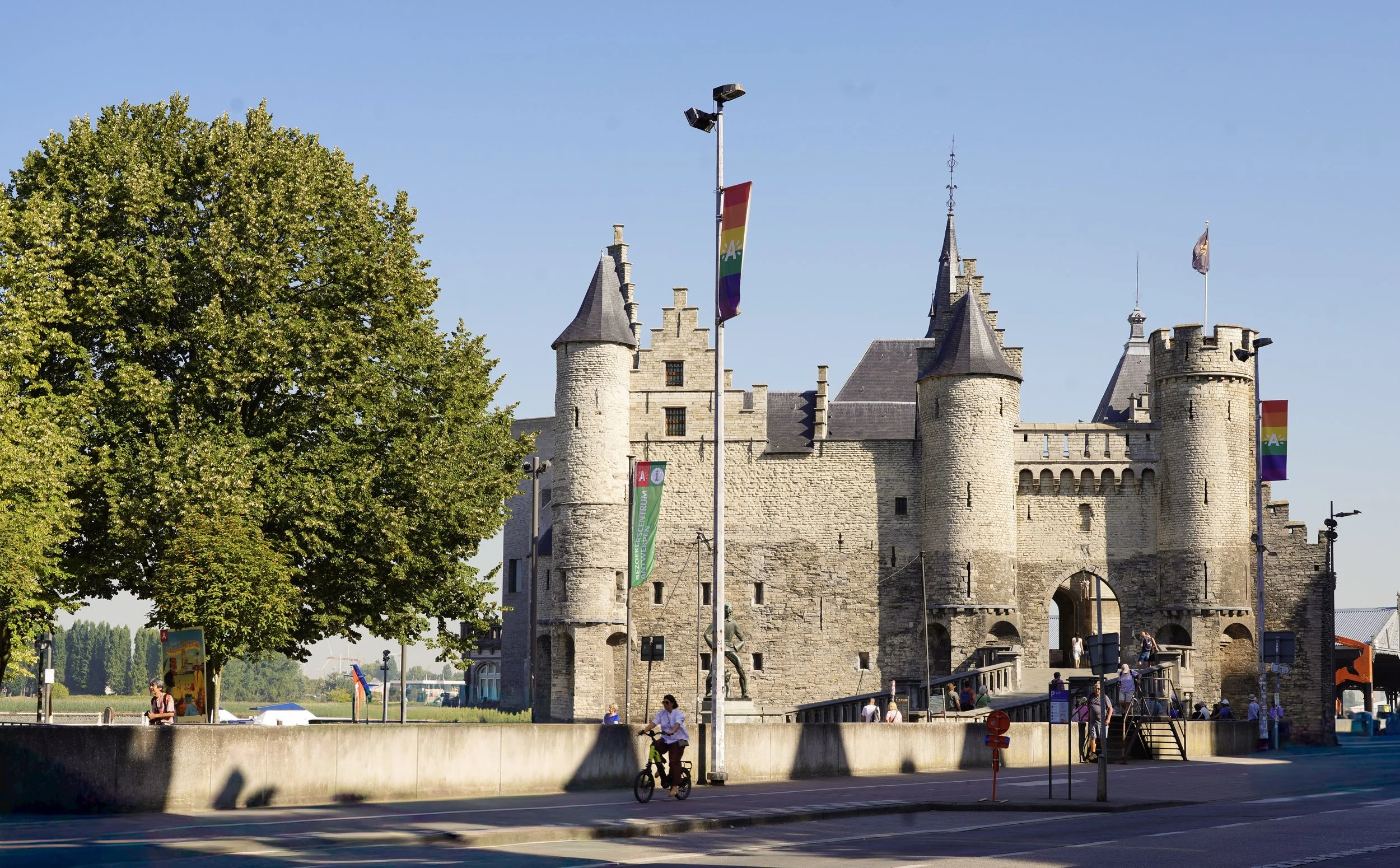
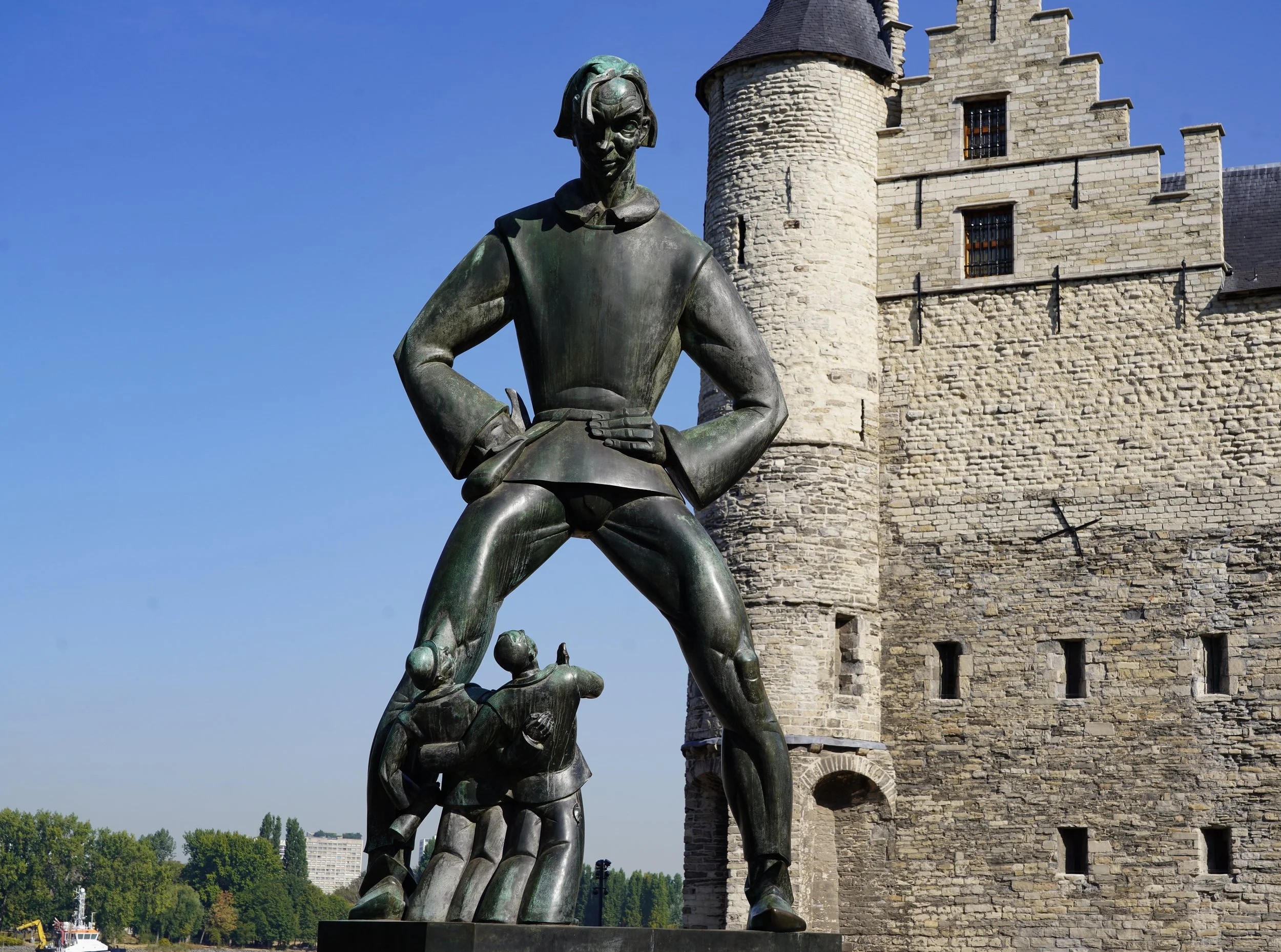
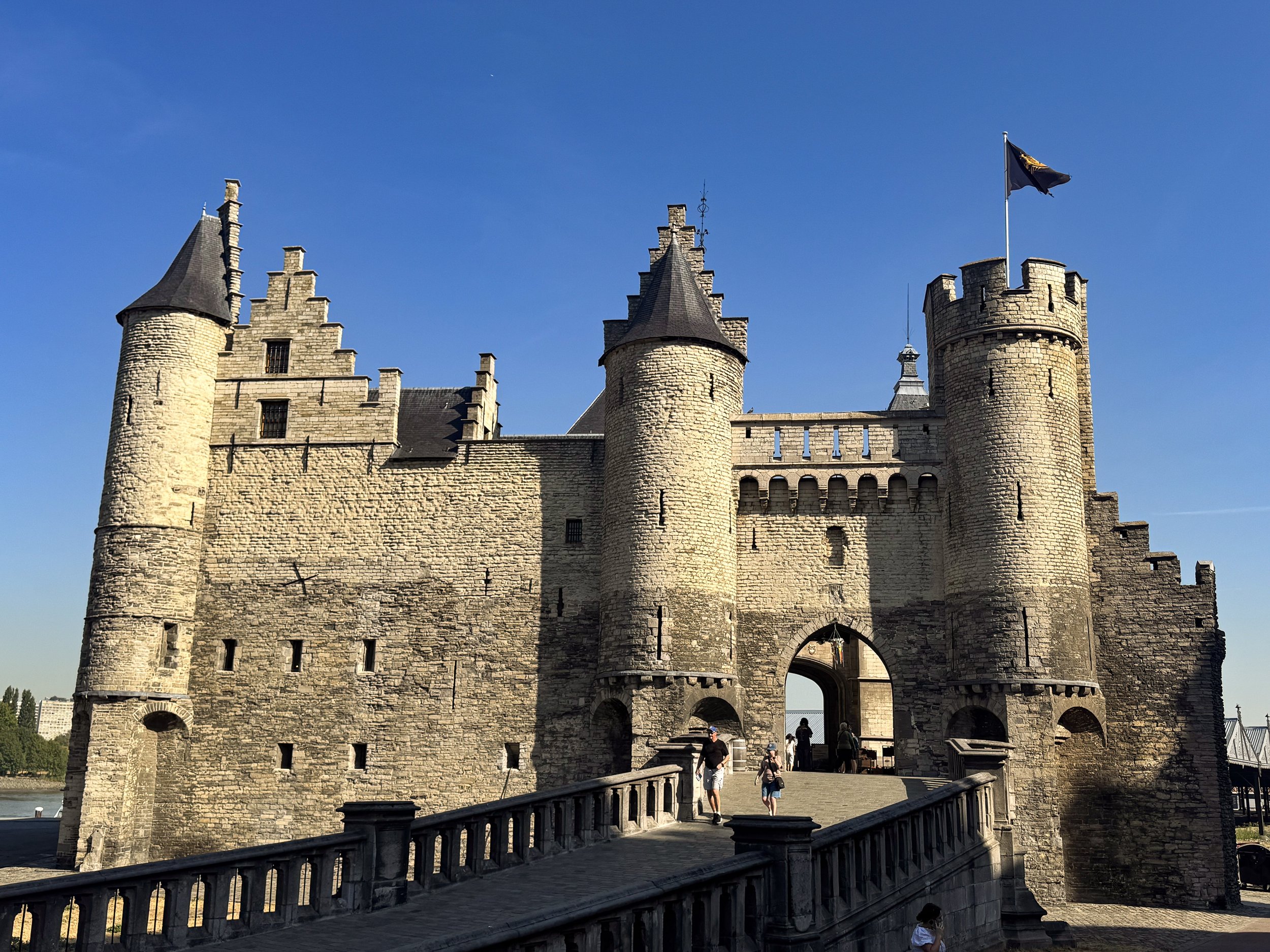
one of Antwerp's oldest and most recognisable landmarks virtually on our doorstep — Het Steen.
It was quite a way to start the day.
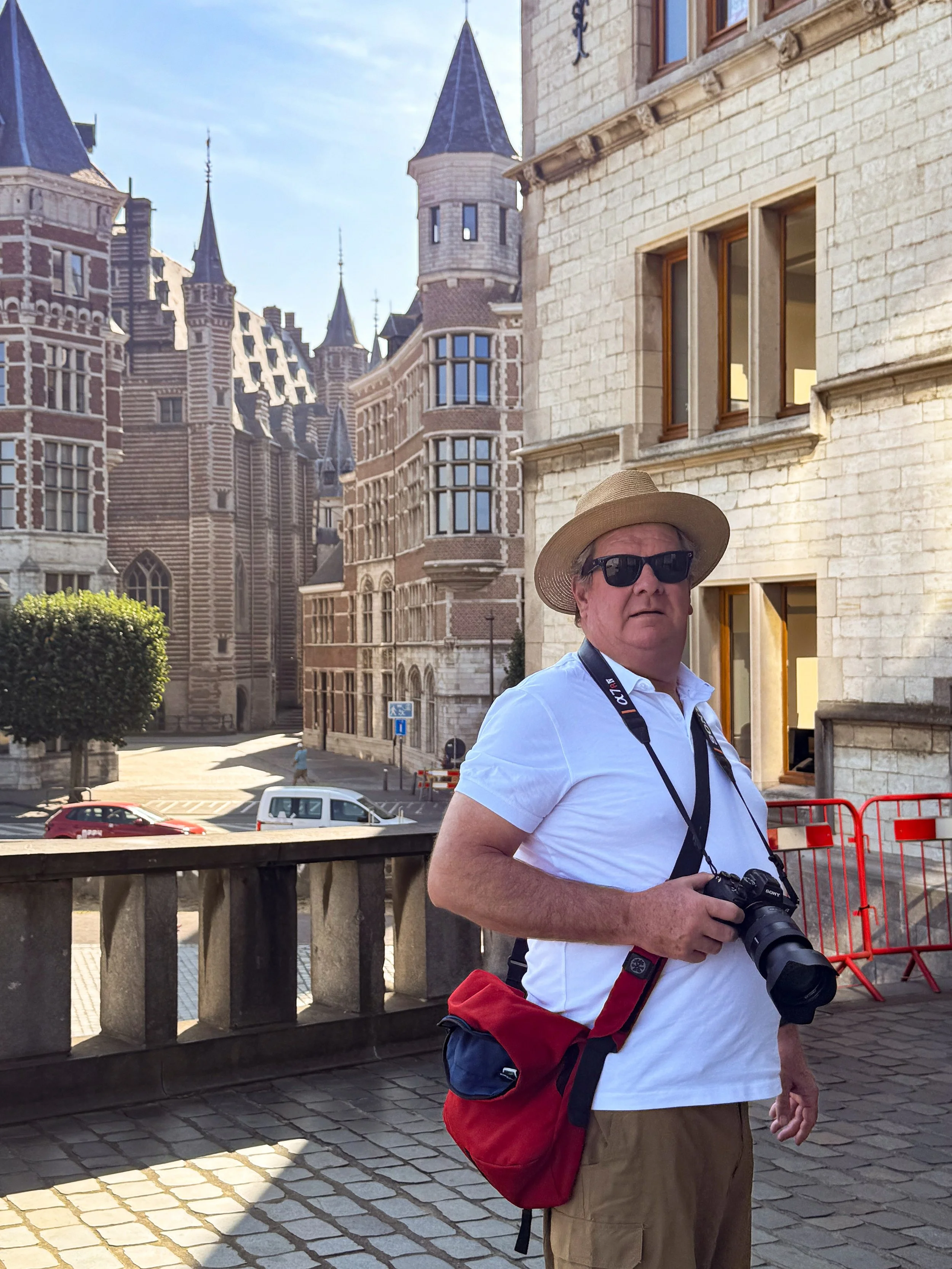
Het Steen is a medieval fortress dating back to the early 13th century, although parts of the present structure were rebuilt and modified over the centuries. Sitting right on the Scheldt, it was originally part of Antwerp's defensive fortifications and has had a remarkably varied life, serving as a fortress, prison and later a museum. We wandered straight through the old fortress, admiring the thick stone walls, towers and medieval architecture. And there was an added bonus that we weren't expecting: It was free.
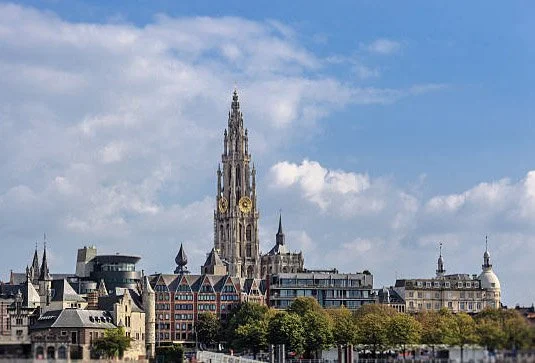
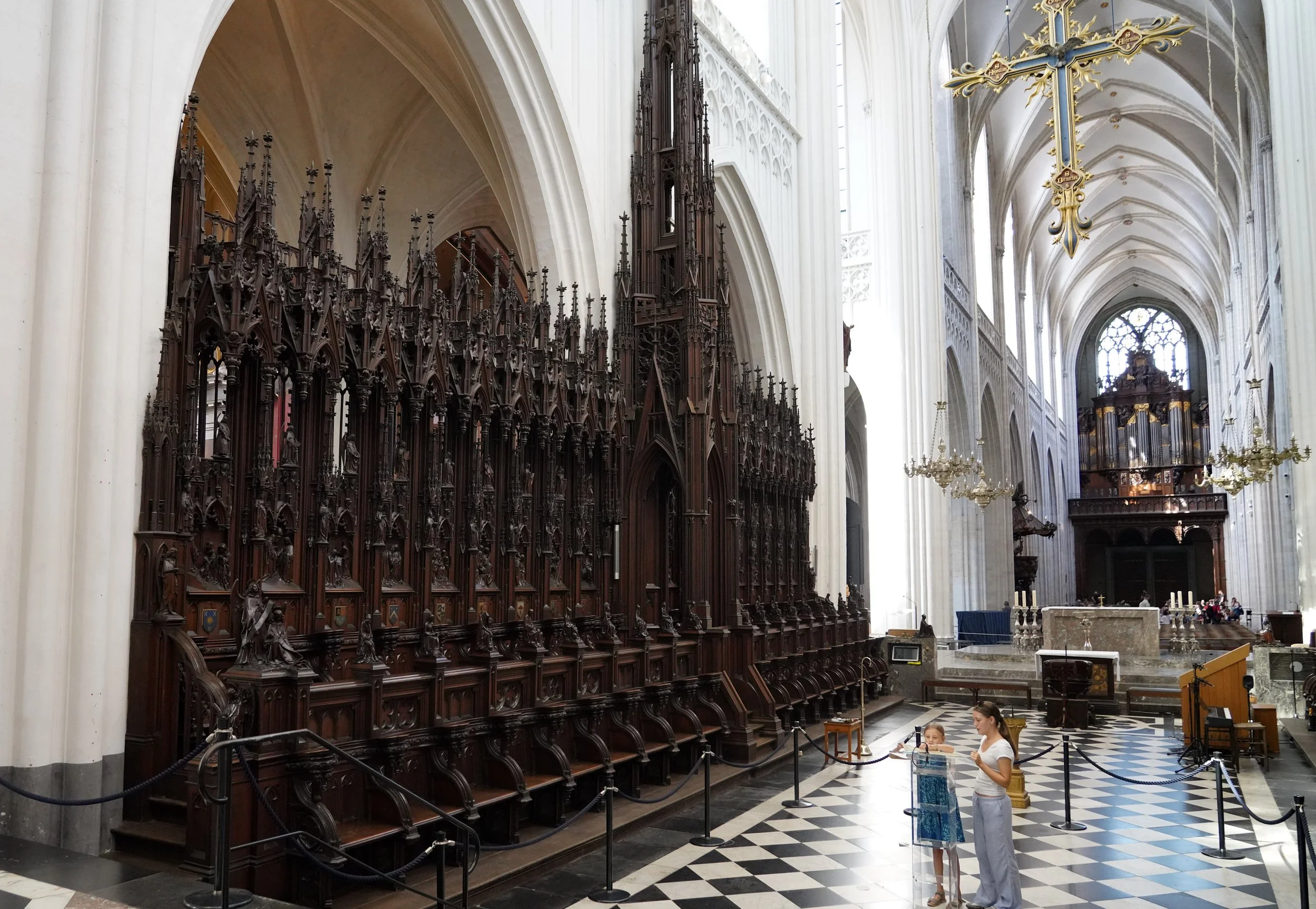
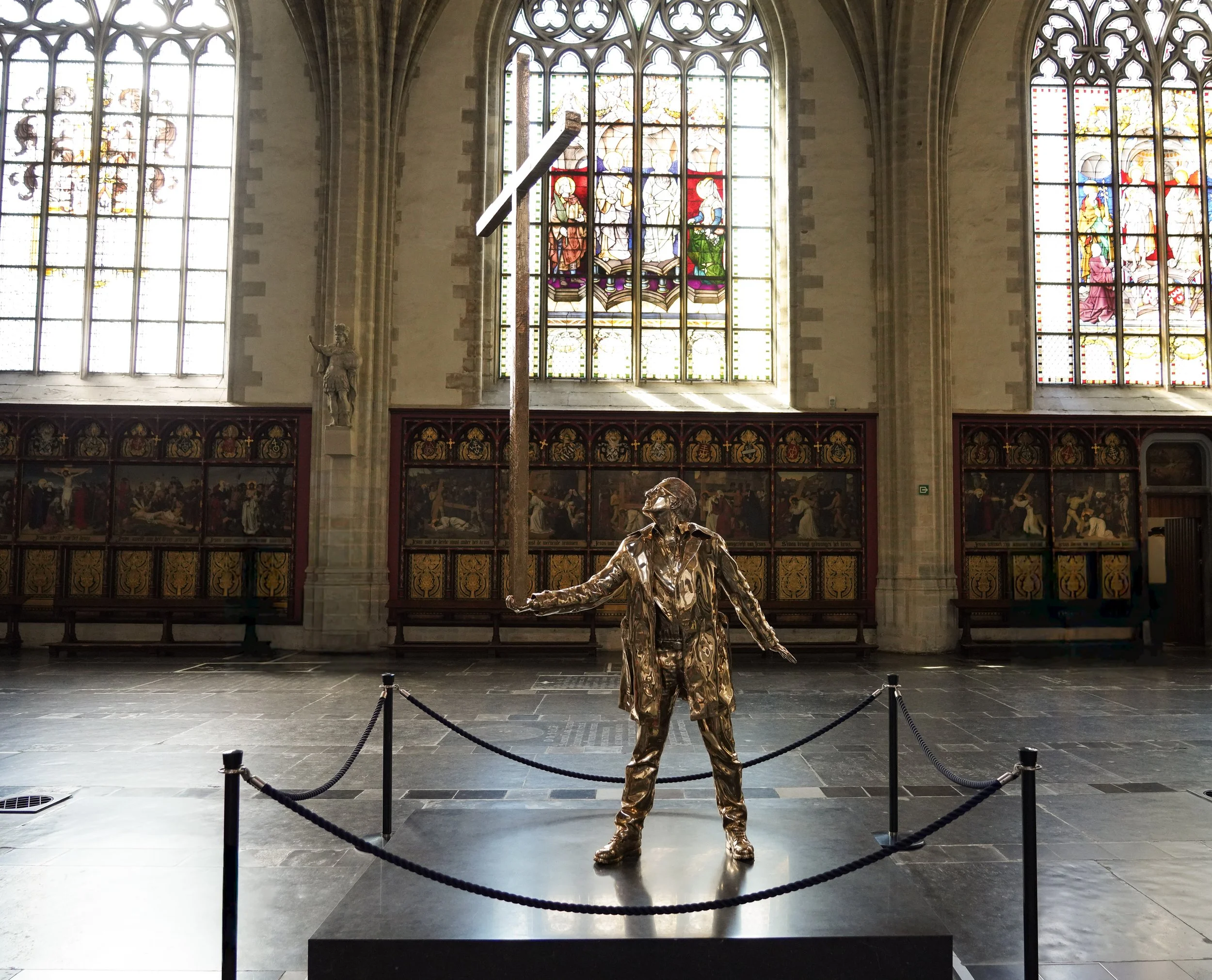
From Het Steen we made our way into the old city, heading towards the magnificent Cathedral of Our Lady (Onze-Lieve-Vrouwekathedraal). Unlike Het Steen, the cathedral wasn't free to enter, but this was one occasion where we were quite happy to hand over the admission fee. And it was worth every cent.
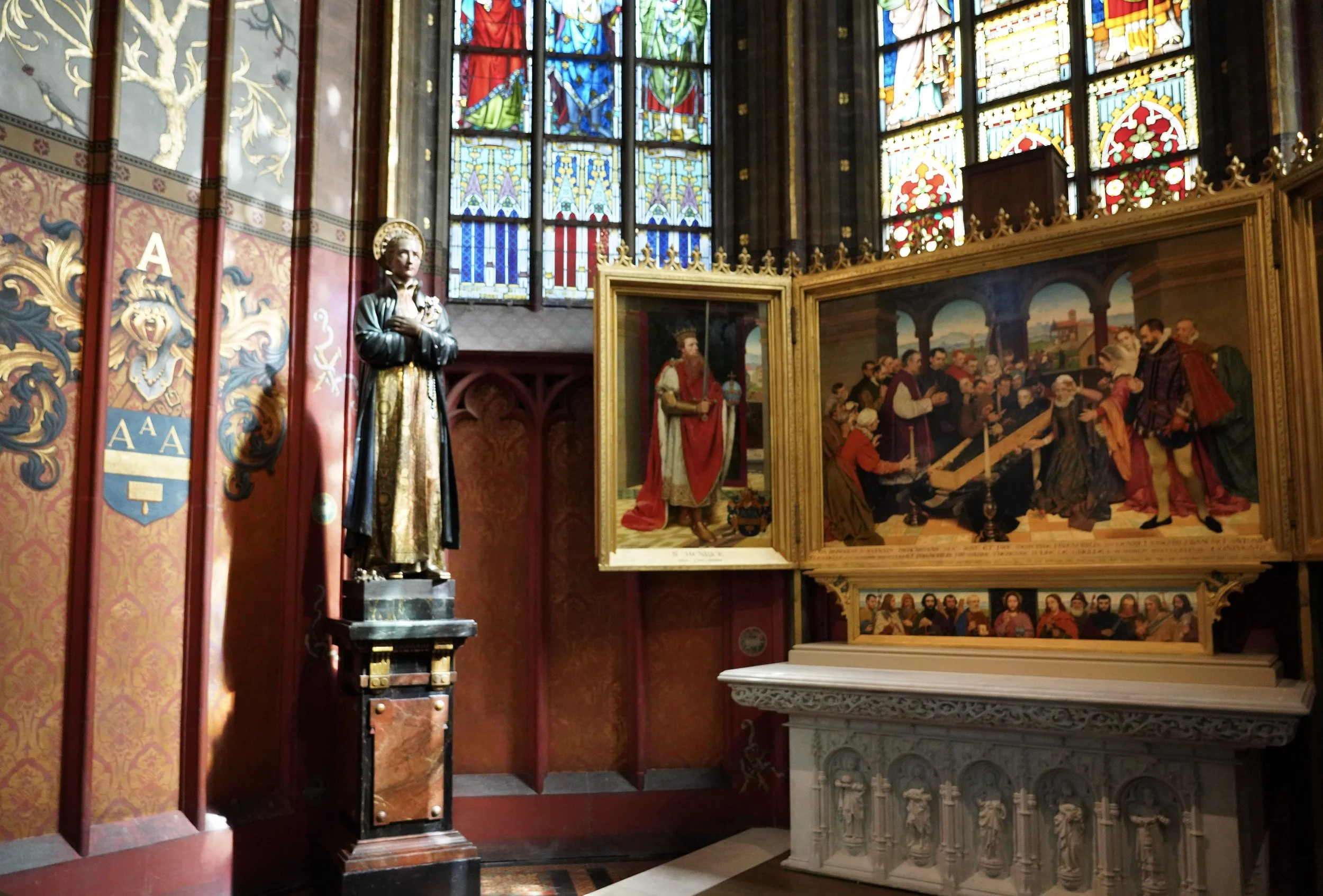
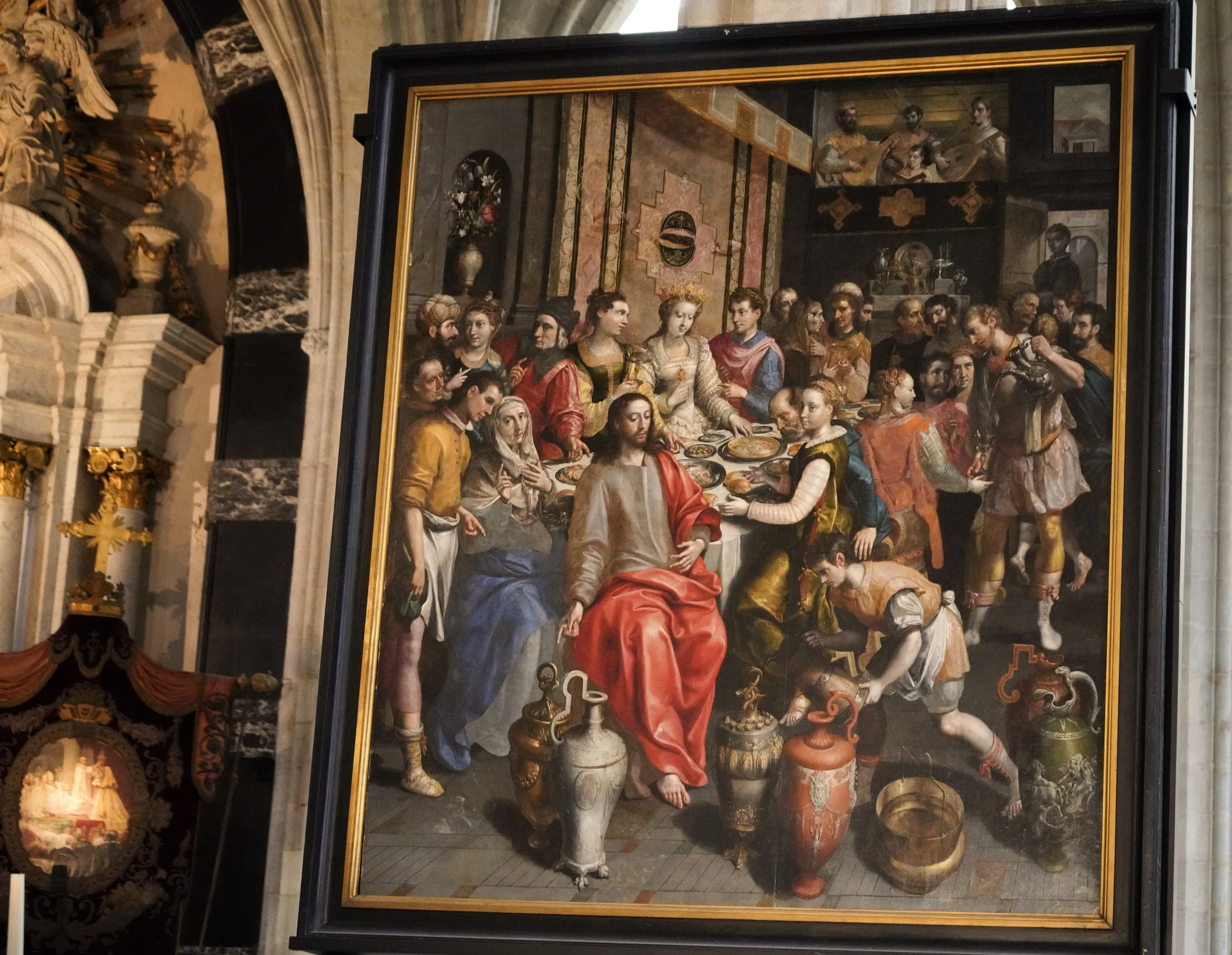
The cathedral is one of Europe's great Gothic churches, with an enormous interior, soaring arches and an impressive collection of artworks. Construction began in the 14th century and continued for almost 170 years, eventually producing the extraordinary building we see today. But the real attraction for us was Peter Paul Rubens.
Antwerp was Rubens' home for much of his life, and the cathedral contains several of his monumental paintings, including The
Raising of the Cross and The Descent from the Cross. Seeing these works in the setting for which they were created is very different
from seeing a painting hanging on a gallery wall. The scale is enormous, the colours are remarkable and the detail is astonishing.
Rubens was not exactly a man who believed in understatement. Neither, as it turns out, were the architects of the cathedral.
We spent quite a while wandering around, taking in the artwork and the sheer scale of the building before heading back outside into the sunshine.
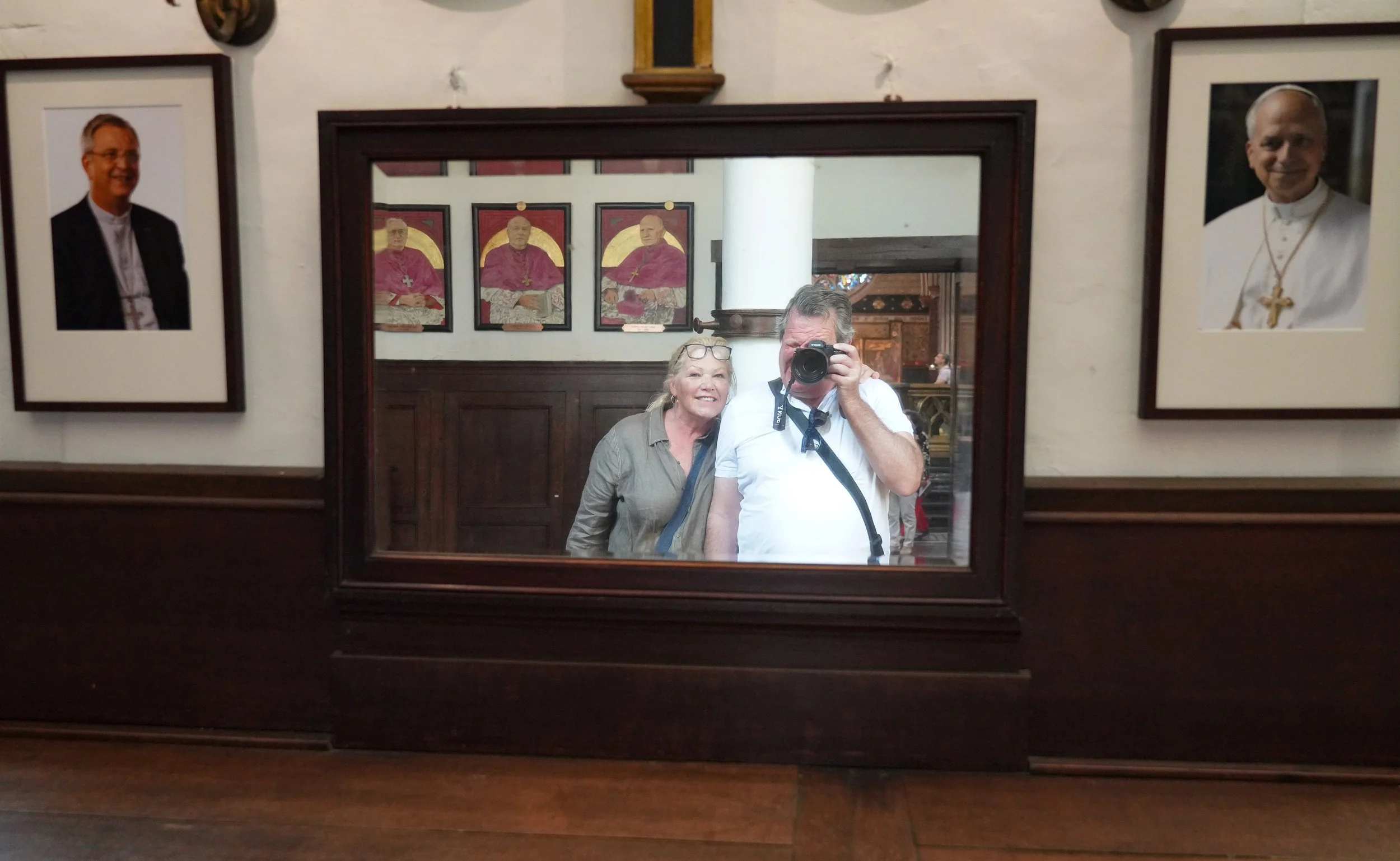
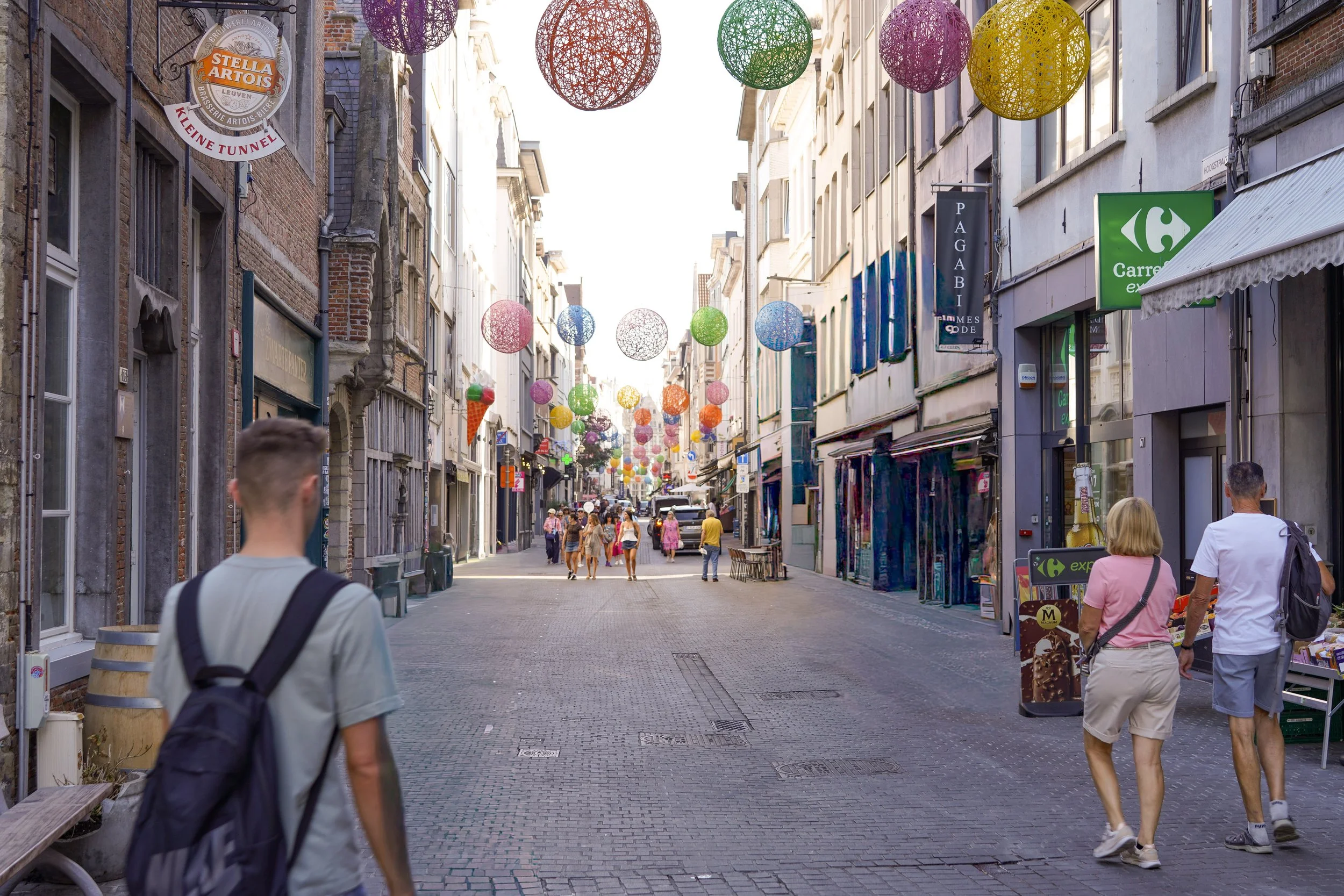
And sunshine it certainly was. It was hot. Very hot. The sort of hot where suddenly every shady street looks like a potential five-star resort.
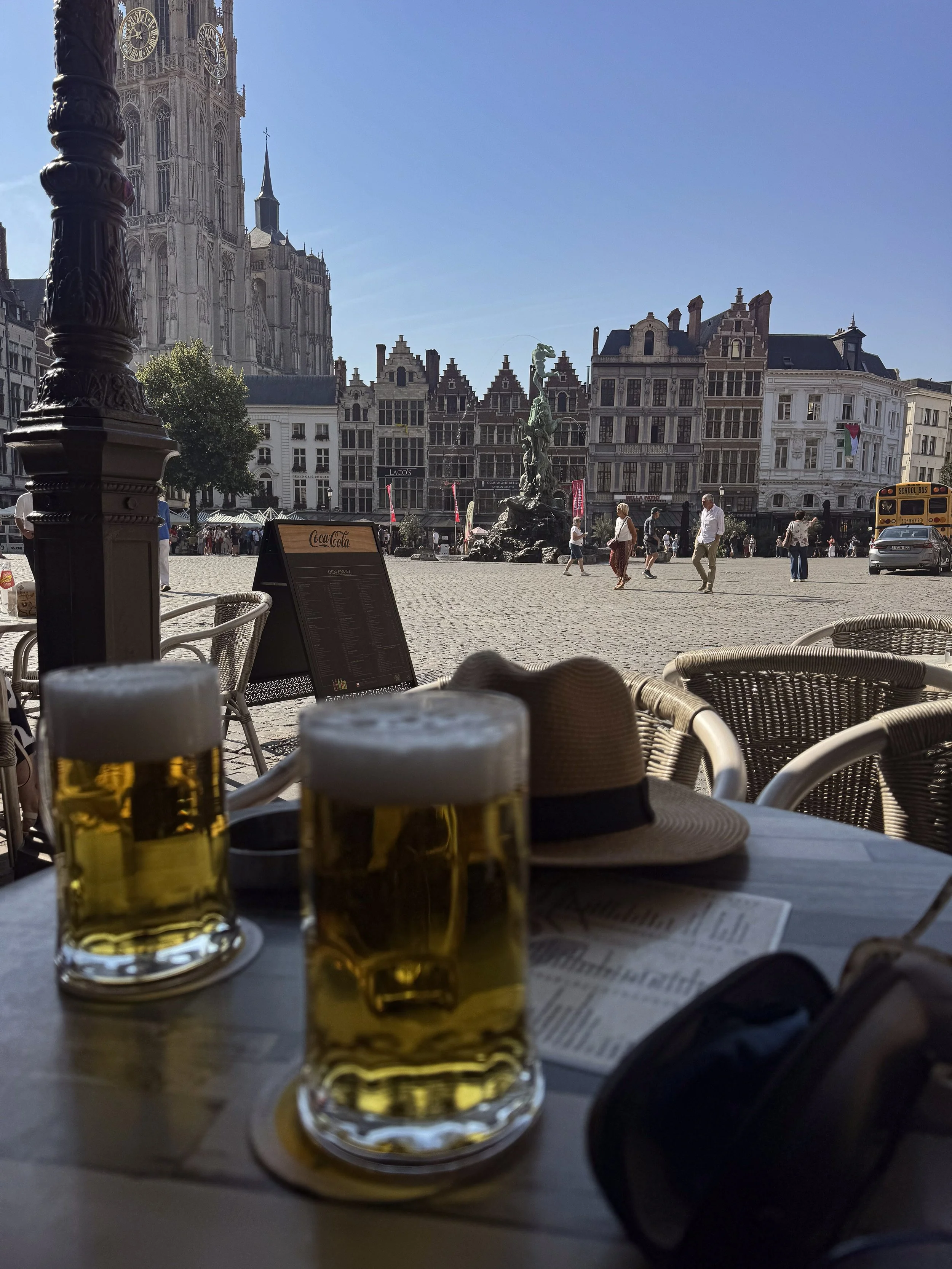
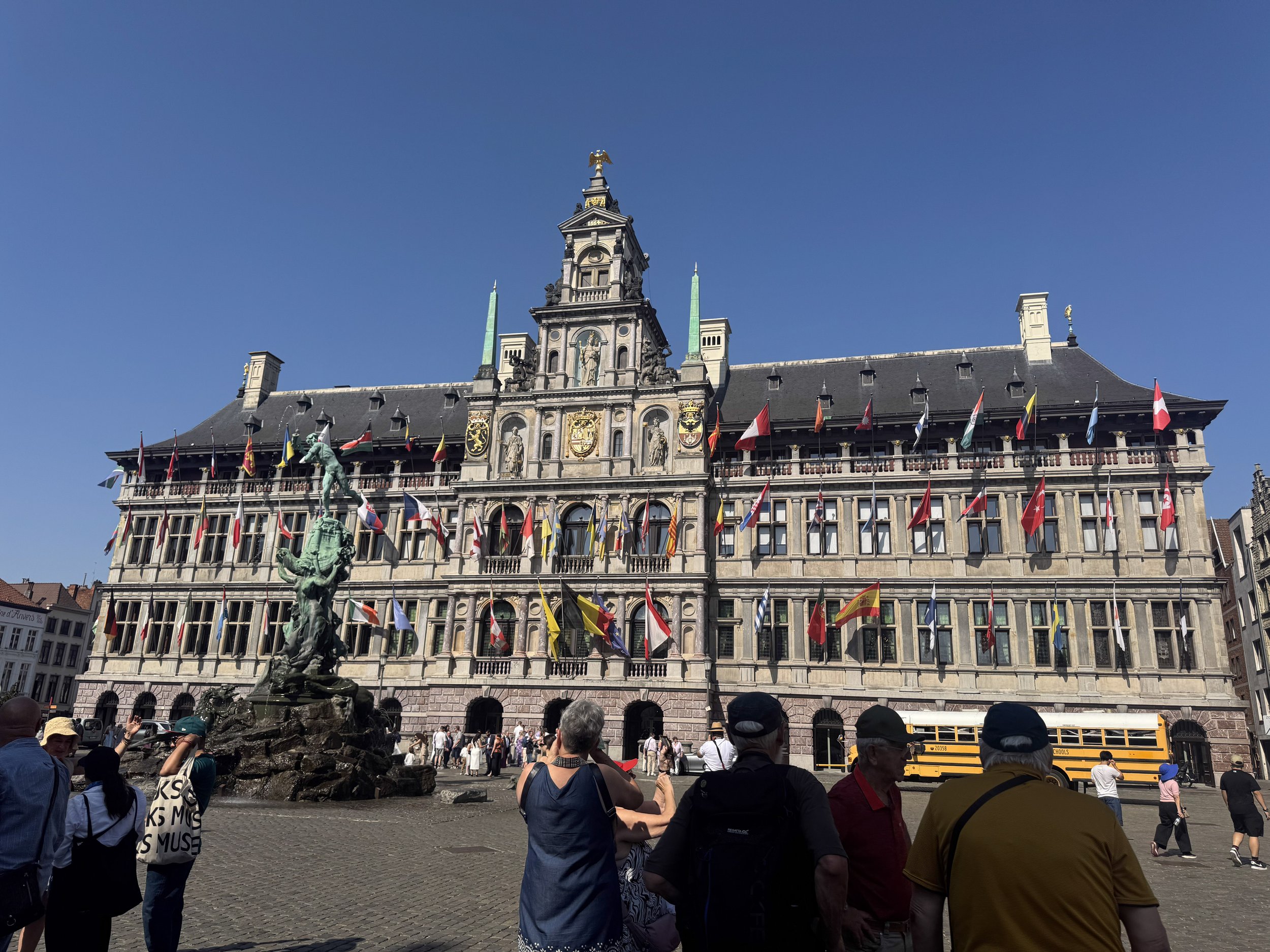
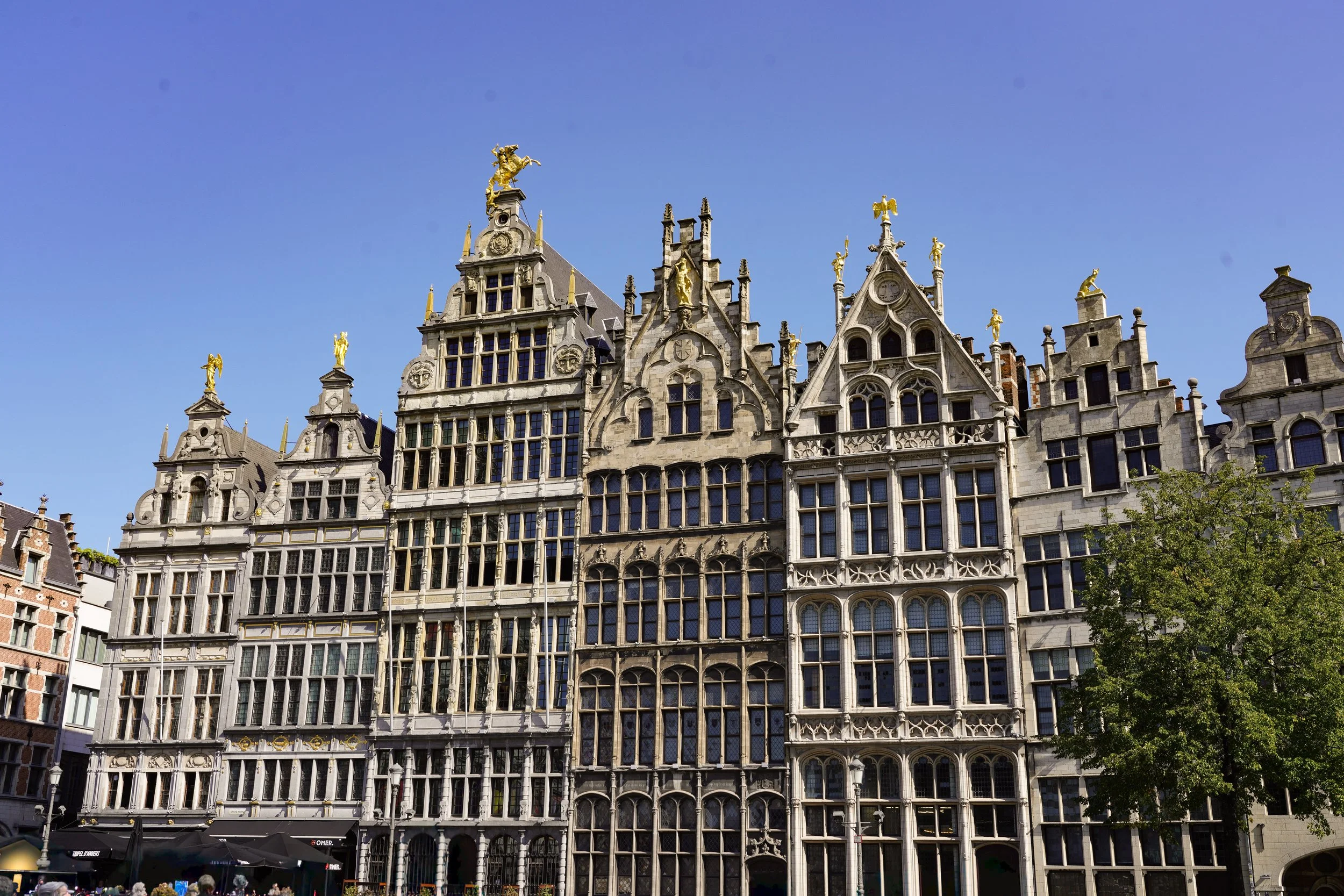
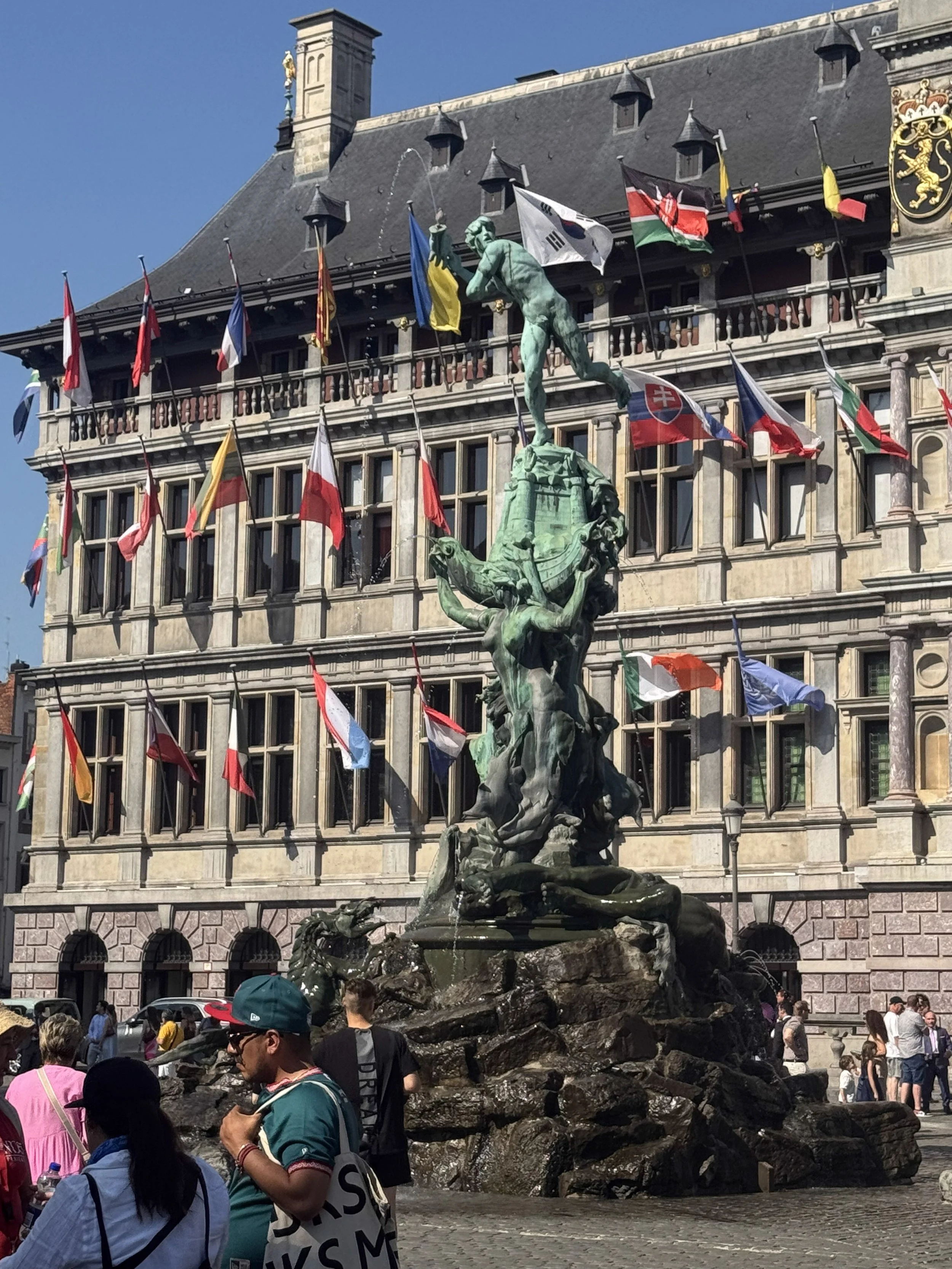
We made our way into the main square, Grote Markt, surrounded by the beautiful historic guild houses with their ornate façades and stepped gables. The square is one of Antwerp's most picturesque spots and is dominated by the impressive Town Hall and the famous Brabo Fountain. We admired the architecture from the only sensible position available — sitting down with a cold Belgian beer.
By this stage, we were discovering that there was a fairly consistent pattern to our sightseeing. See something historic → walk a lot → get hot → find beer. It was proving to be a very effective itinerary.
Before leaving Antwerp, there was one final cultural obligation. Belgian chocolate. We made a quick purchase — although “quick” is perhaps stretching the truth slightly when faced with a shop full of Belgian chocolates — and then reluctantly started making our way back towards the boat.
Antwerp had been another wonderful stop. It had given us medieval fortifications, magnificent Gothic architecture, world-class art, a beautiful old square and, importantly, chocolate. As we walked back along the Scheldt towards the waiting river boat, we agreed that we'd only really had a taste of Antwerp.
There was clearly plenty more to see, but with the heat increasing and our feet reminding us that they were not actually designed for European sightseeing marathons, we decided to call it a day. Besides, there was air conditioning waiting for us back on
board. And possibly another Belgian beer.
Some traditions are worth maintaining.