Rotterdam and Kinderdijk
By the time we reached Rotterdam, we were beginning to appreciate just how much variety there is in the Netherlands. After the
medieval charm of Kampen and Arnhem, Rotterdam felt like we'd sailed into an entirely different country.
Rotterdam began life as a modest fishing village around 1270, when a dam was built on the River Rotte where it met the Nieuwe Maas. That rather practical bit of engineering eventually gave the settlement its name — Rotte-dam — and set it on the path to becoming one of the world's great ports.
The city's history took a devastating turn during the Second World War. On 14 May 1940, German bombing destroyed much of central Rotterdam, of the historic city in ruins. More than a third of the port's facilities were also destroyed during
the war.
Rather than attempting to recreate the old city exactly as it had been, Rotterdam took a very different approach. The devastation
effectively provided a blank canvas for a new city, and planners embraced modernist architecture, broad streets, open spaces and some decidedly adventurous designs.
The result is a city that feels very different from most of the Netherlands.
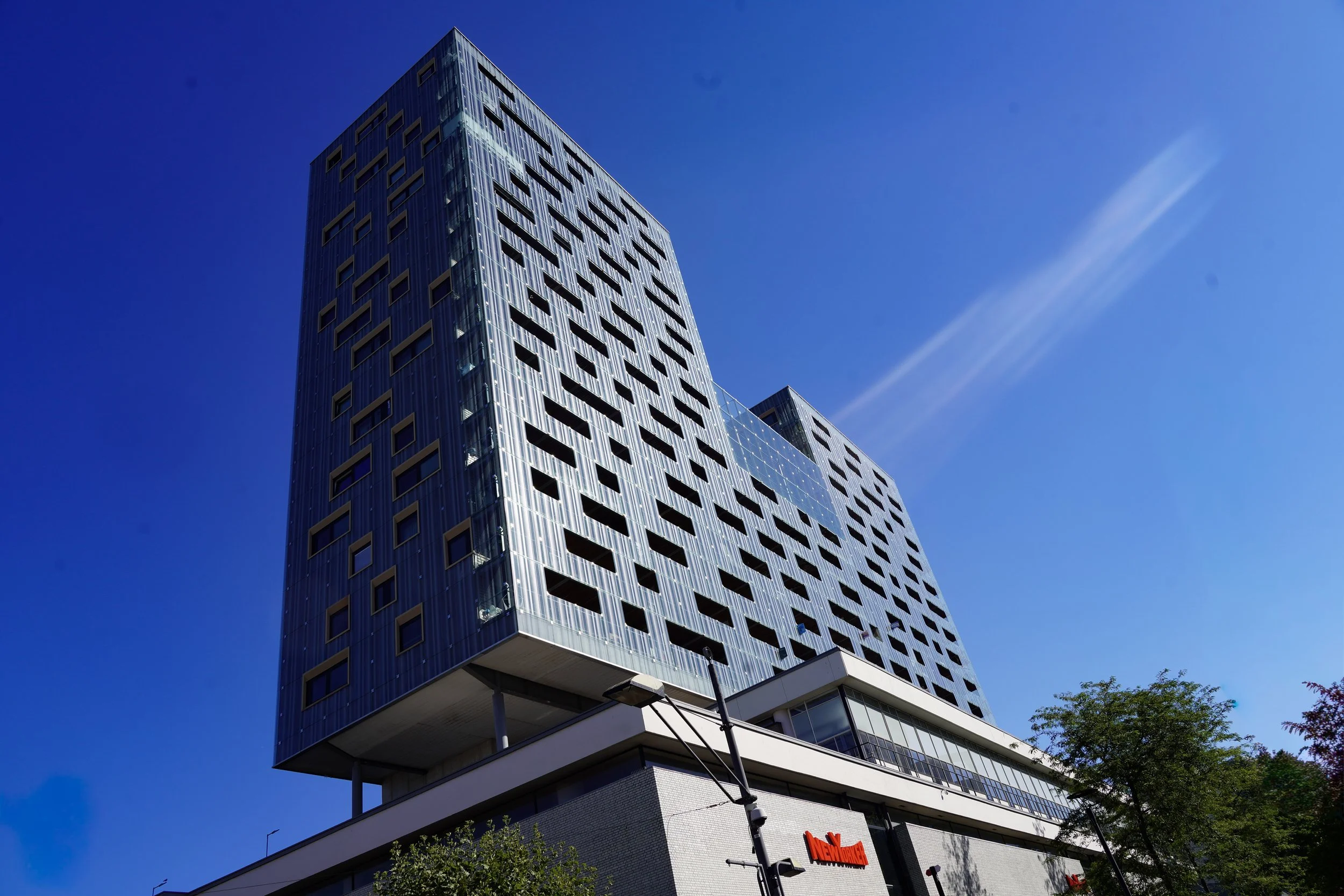
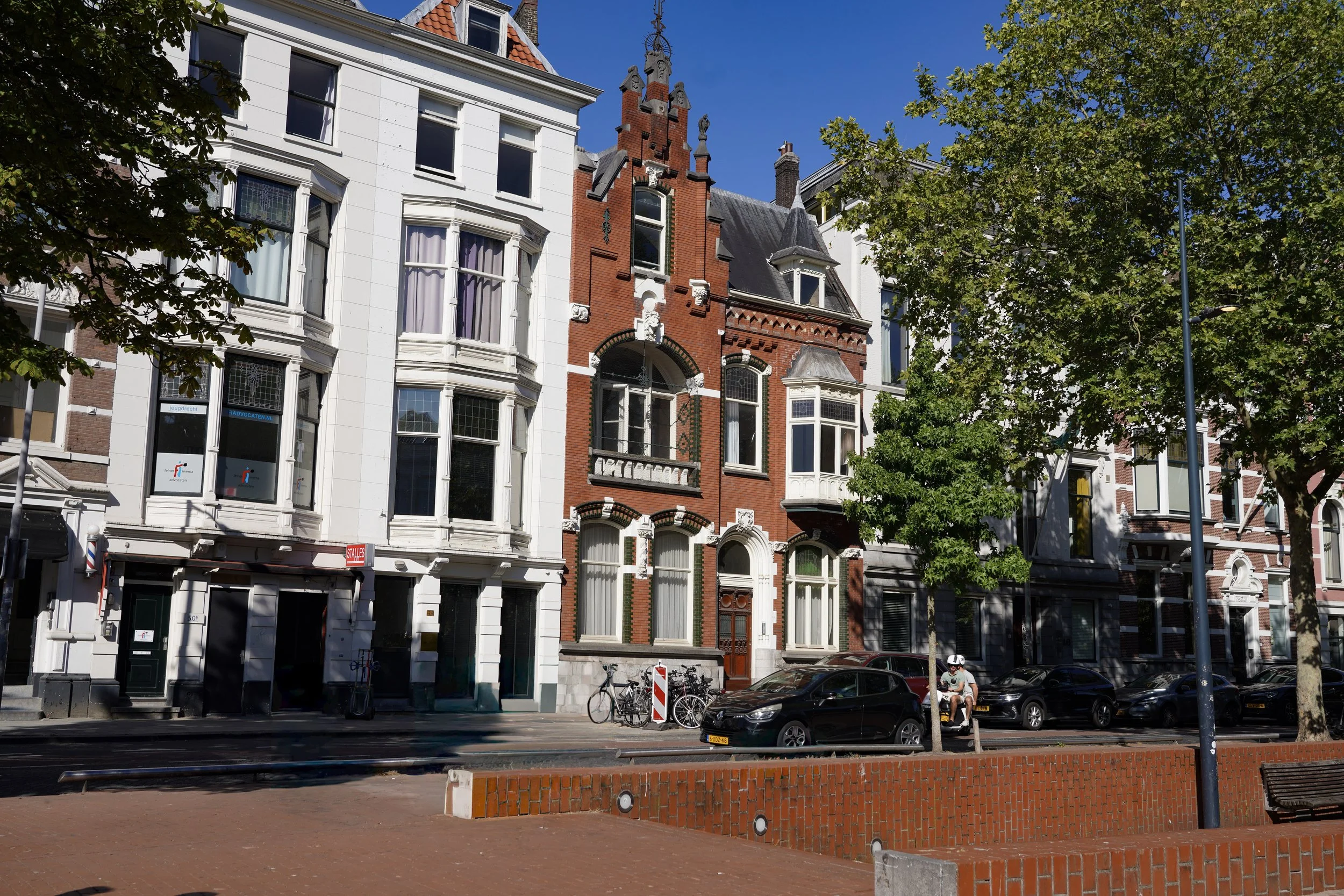
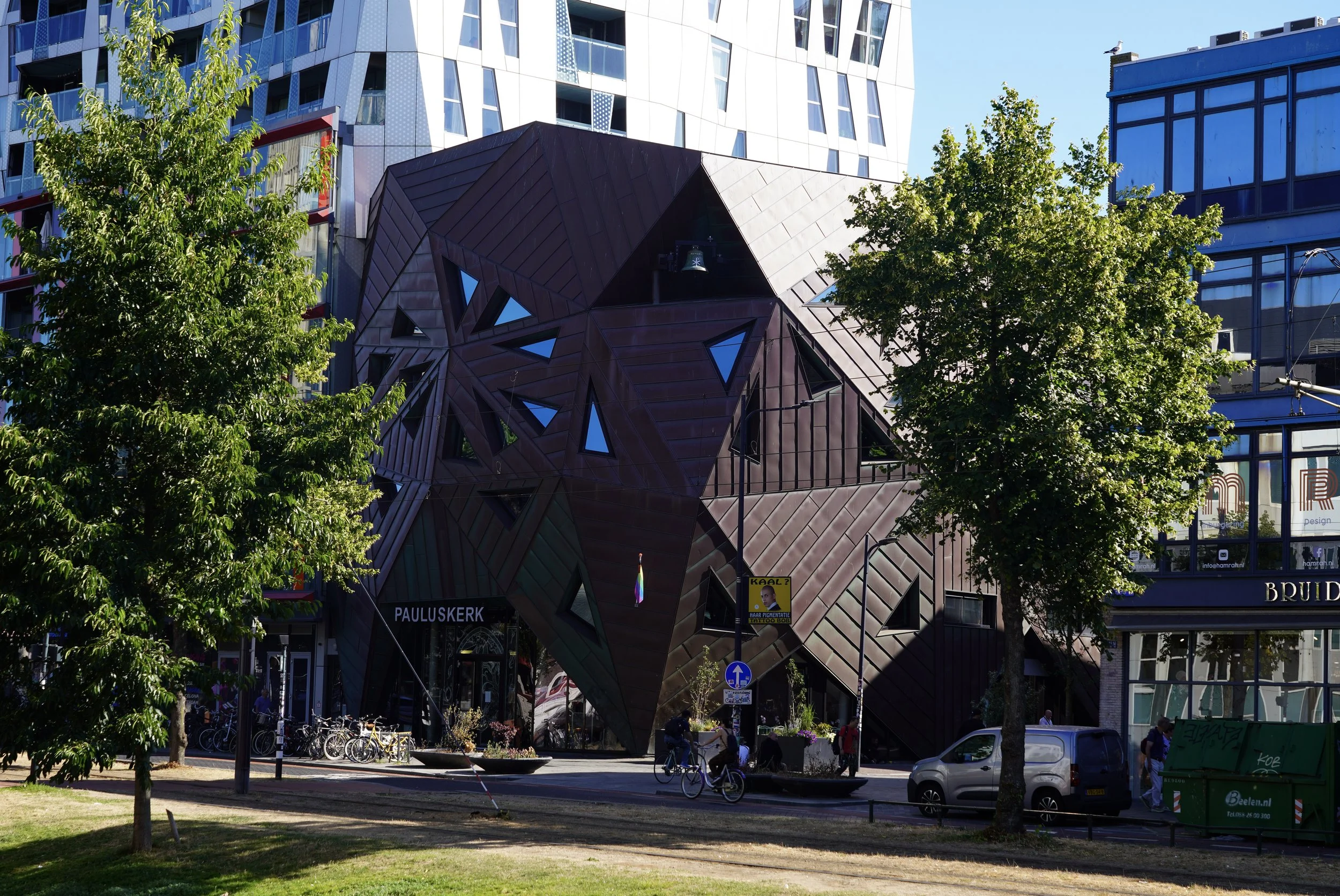
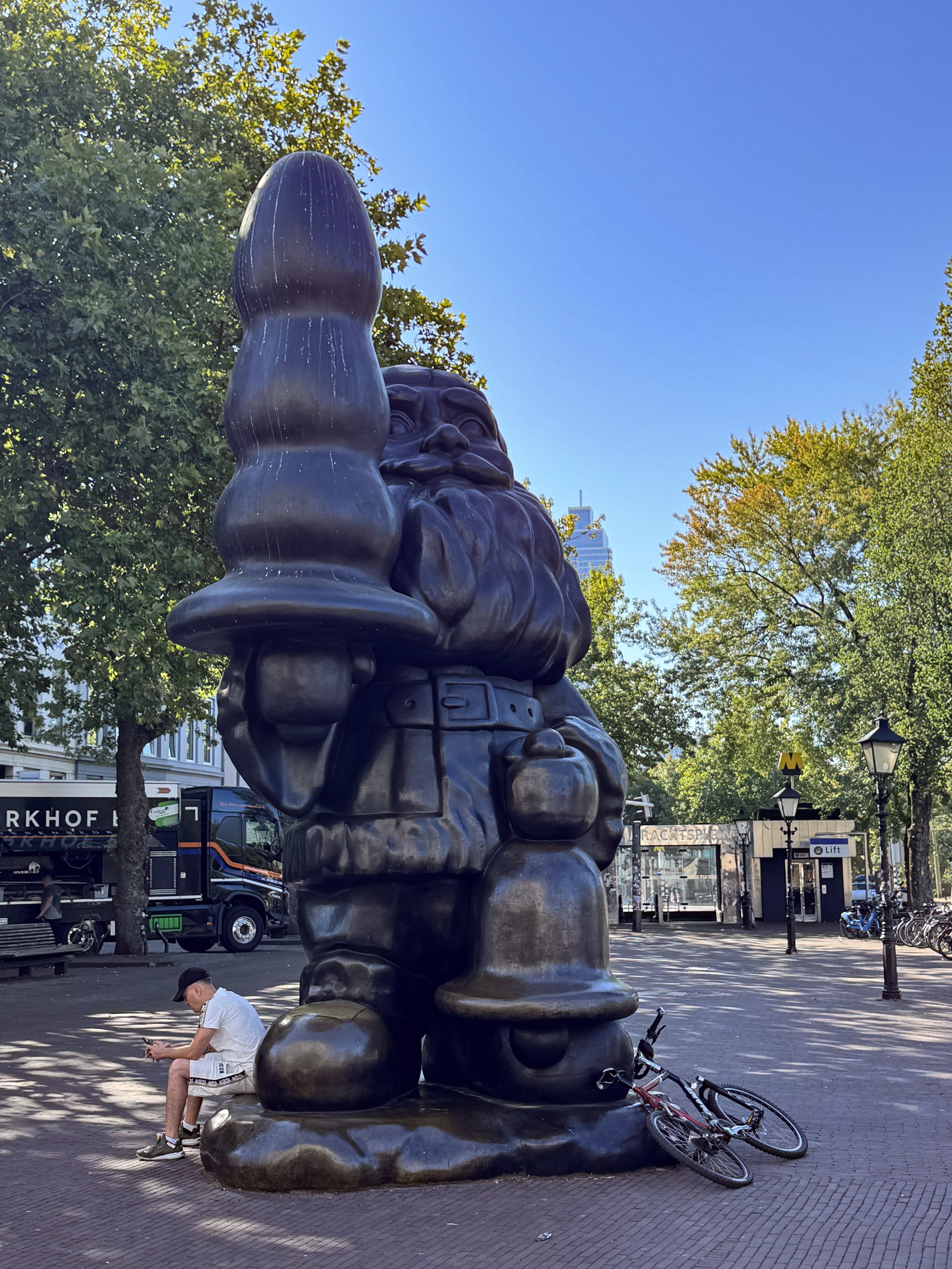
Instead of rows of perfectly preserved medieval buildings, Rotterdam is full of bold contemporary architecture, high-rise buildings,
unusual shapes and innovative urban spaces. The famous Lijnbaan, opened in 1953, was one of Europe's earliest purpose-built pedestrian shopping streets and became a model for modern pedestrian precincts around the world.
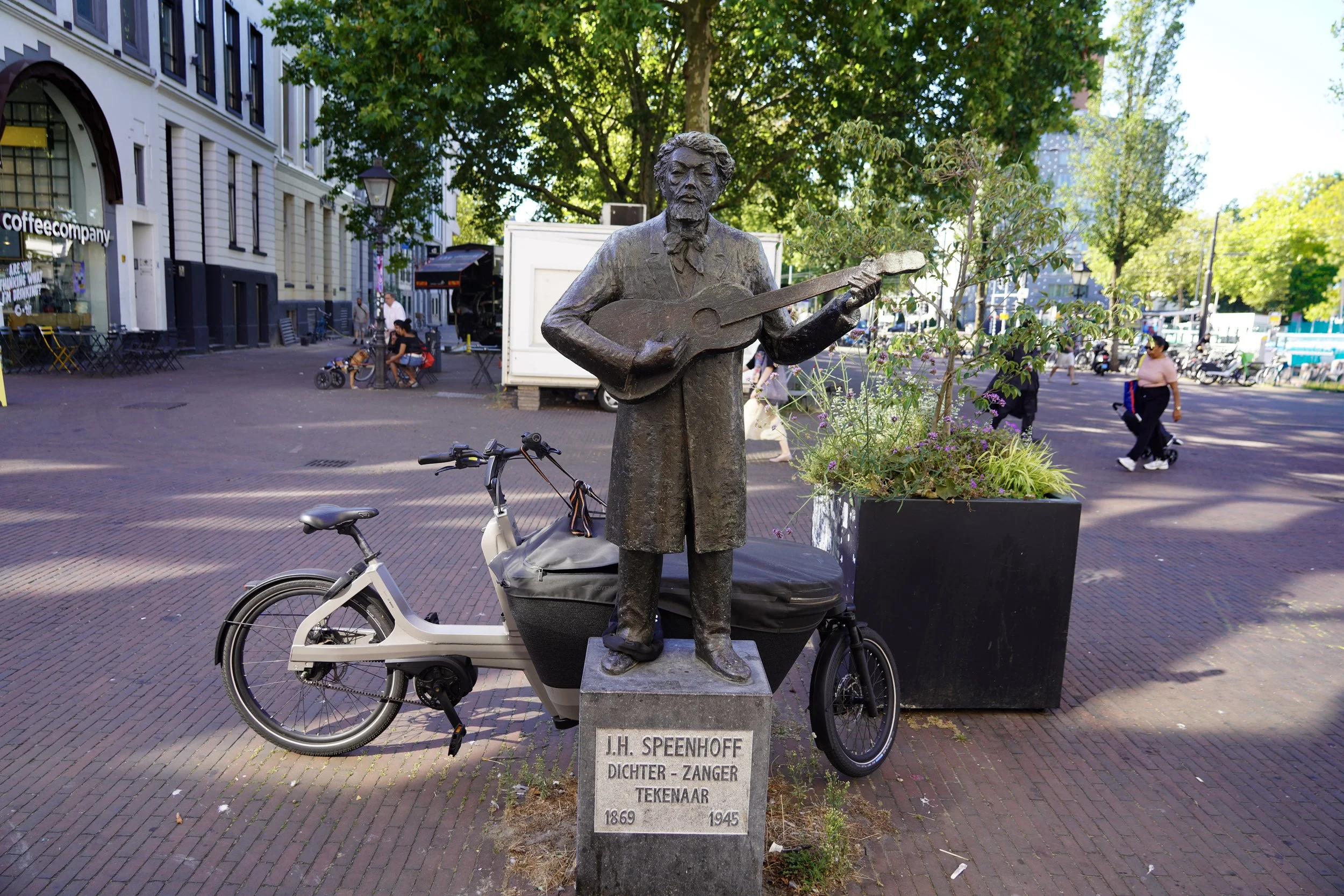
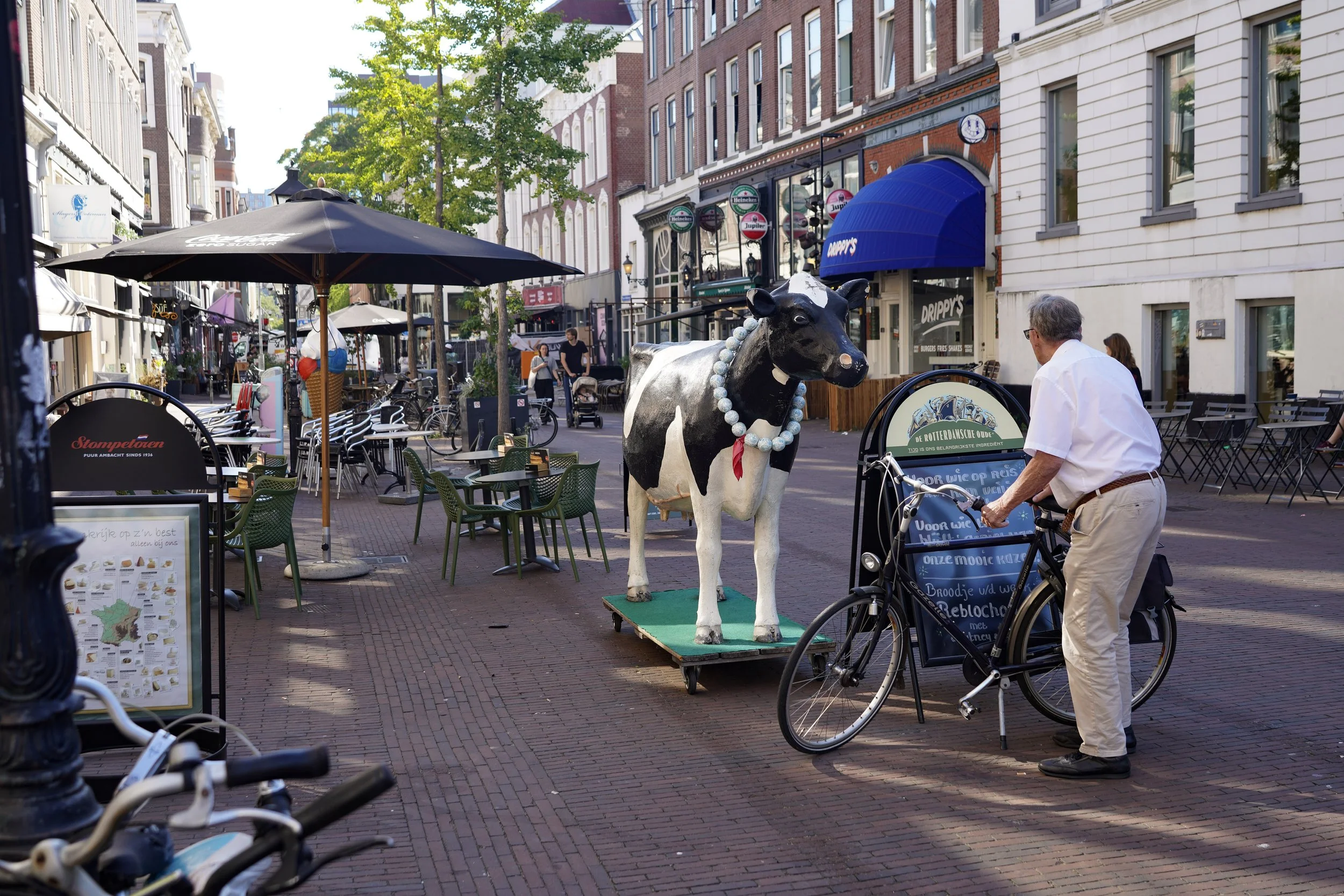
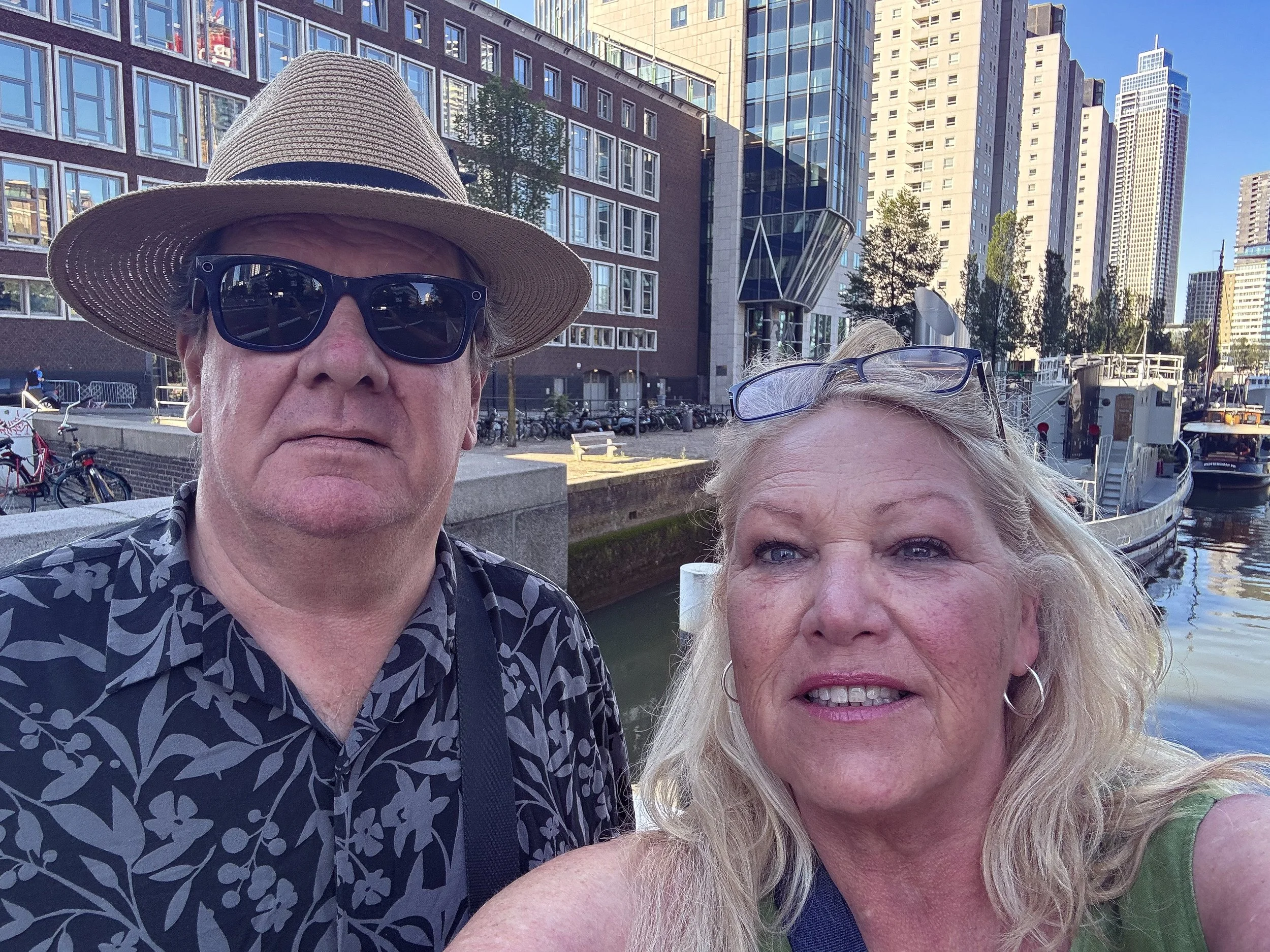
We spent our morning wandering around the city, taking in the architecture, exploring the streets and doing a little window shopping. Well, mostly window shopping. There was one notable exception.
The record store.
Apparently, window shopping has a different meaning when you're standing in front of a vinyl record you absolutely need to own.
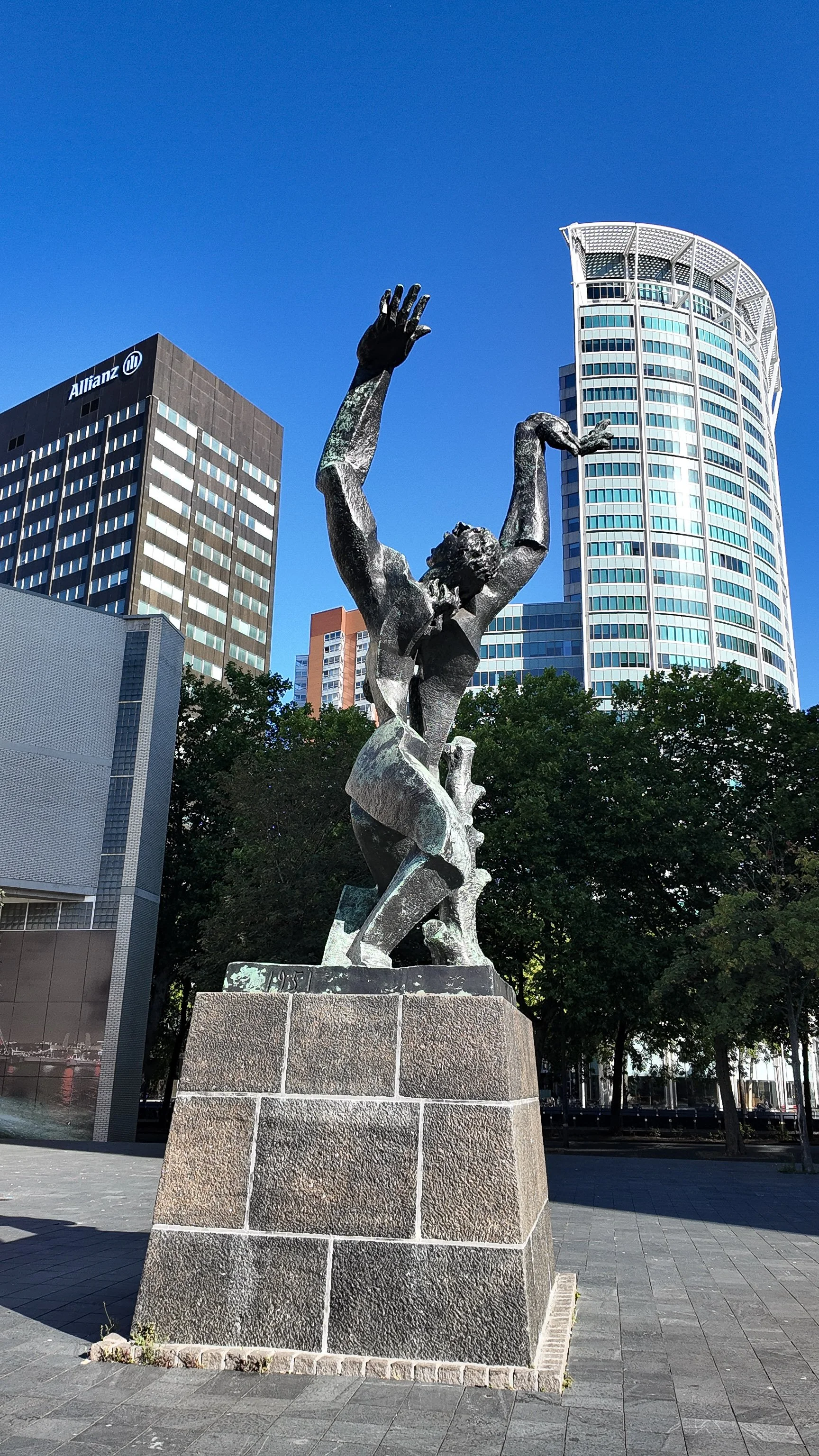
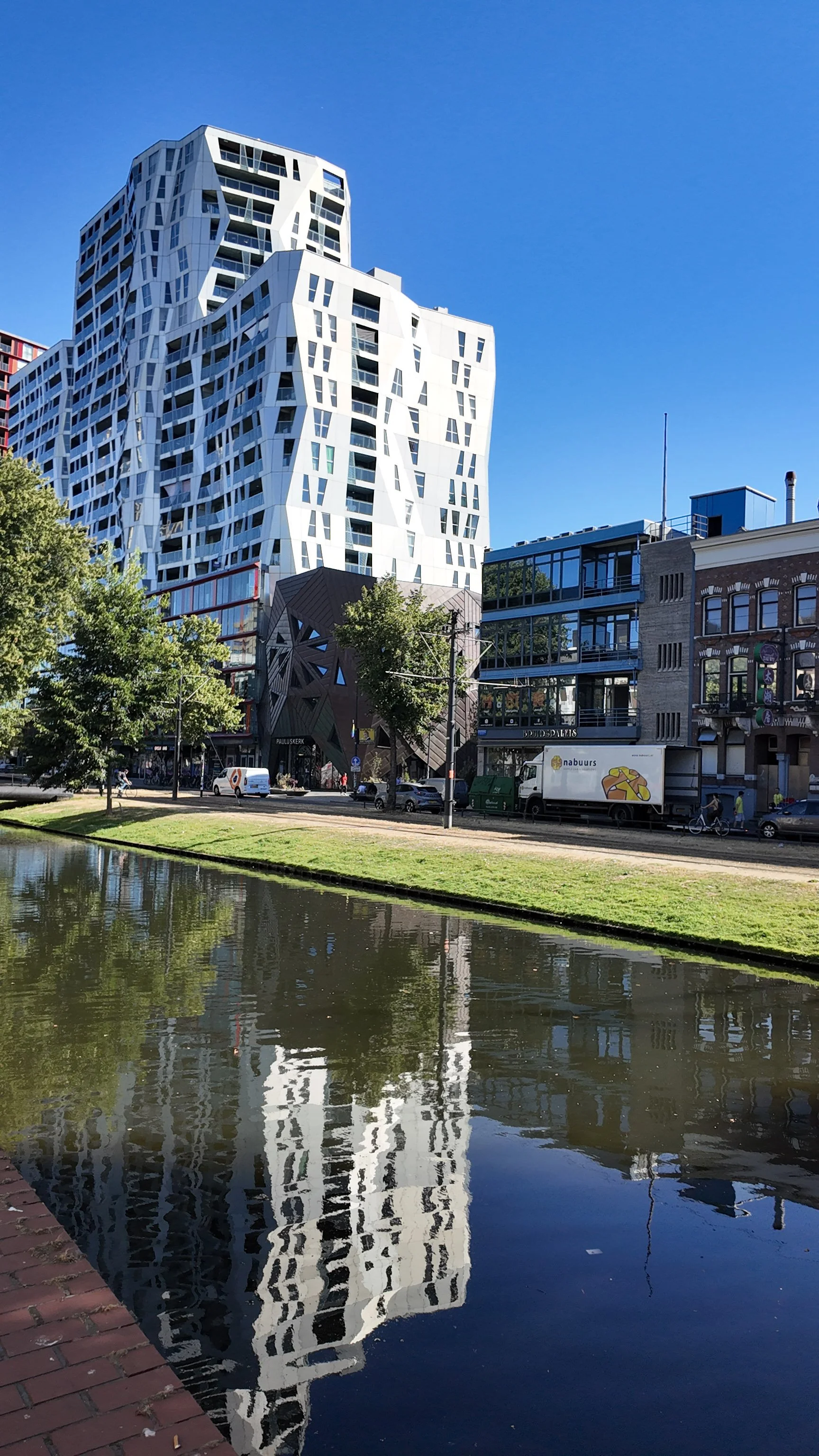
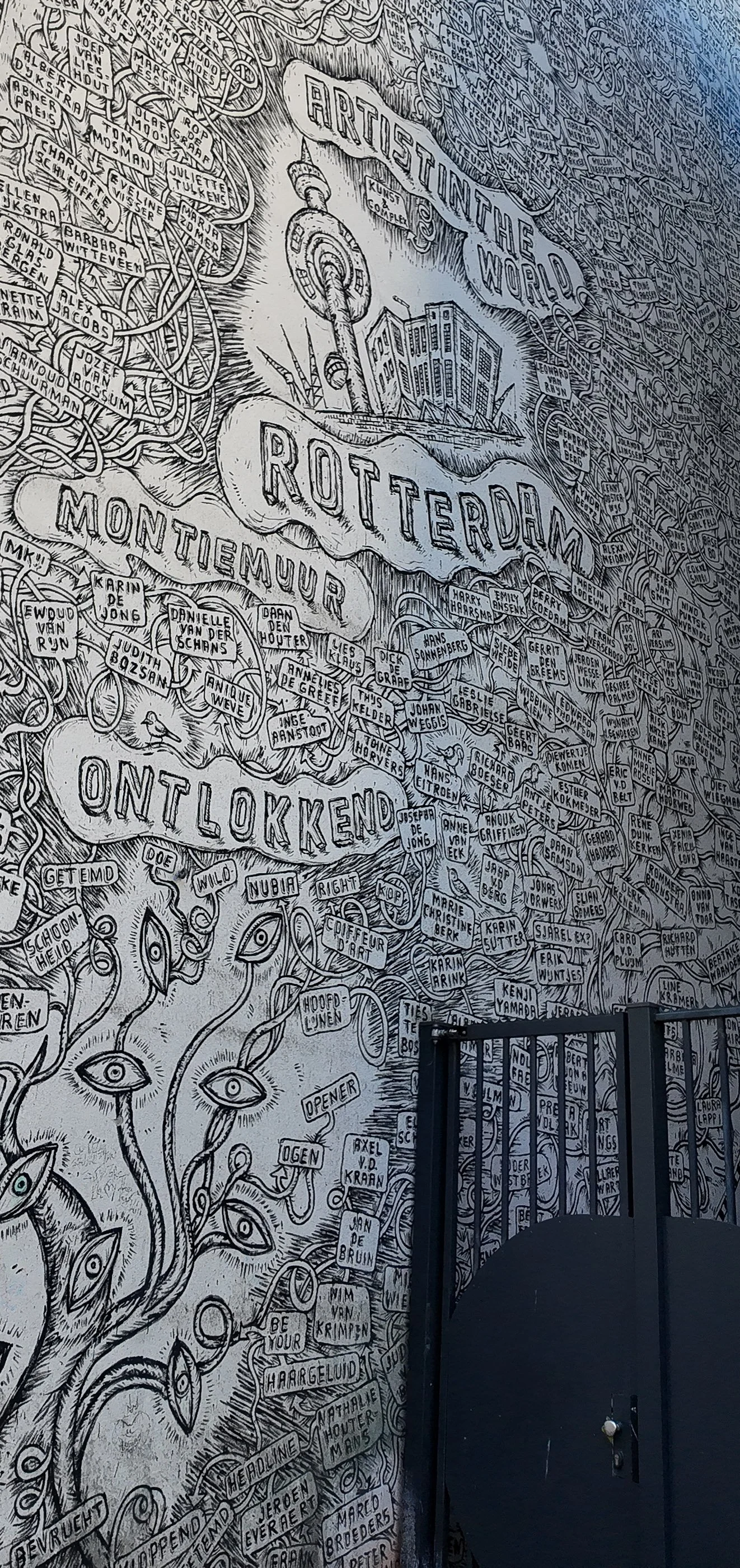
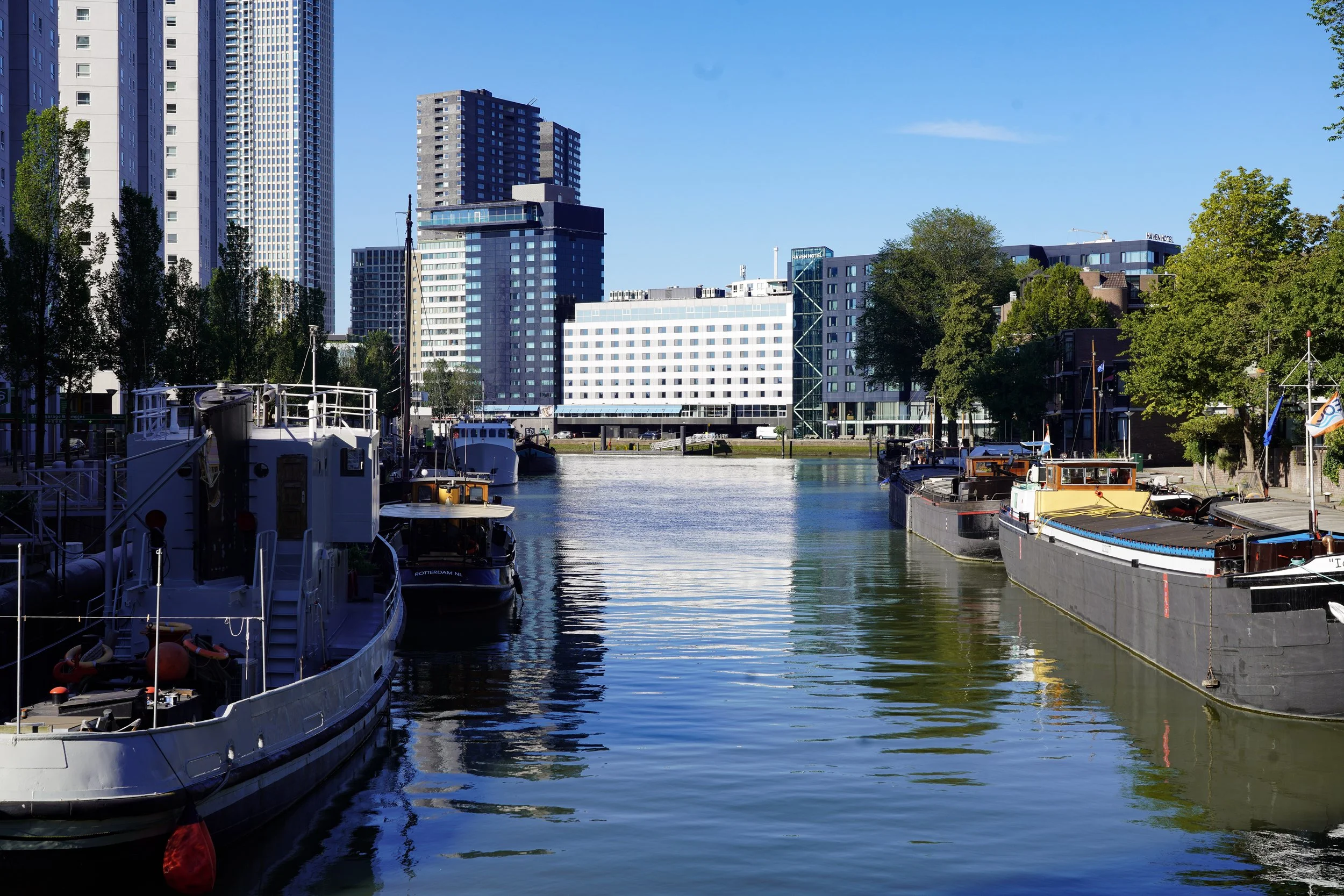
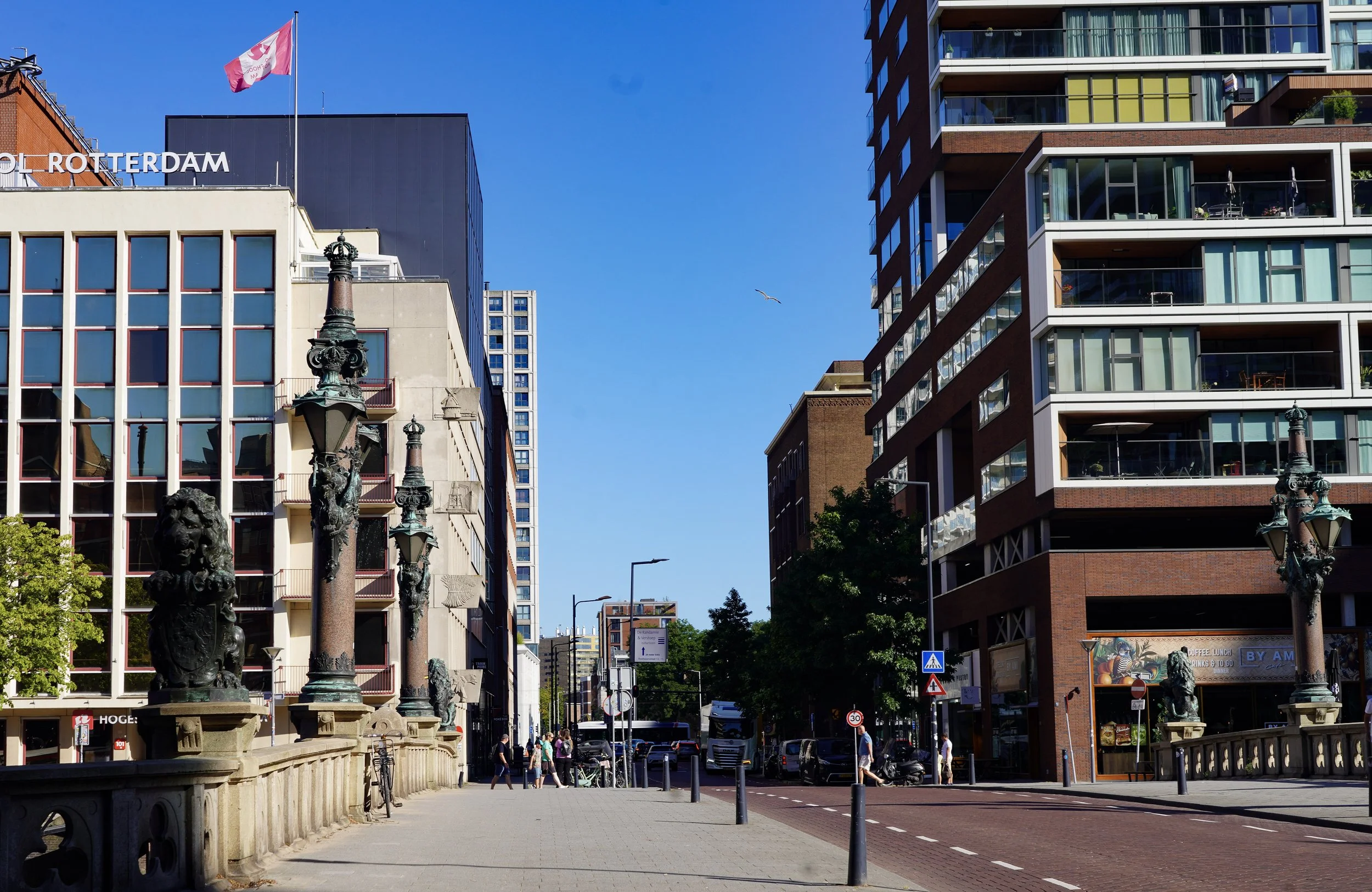
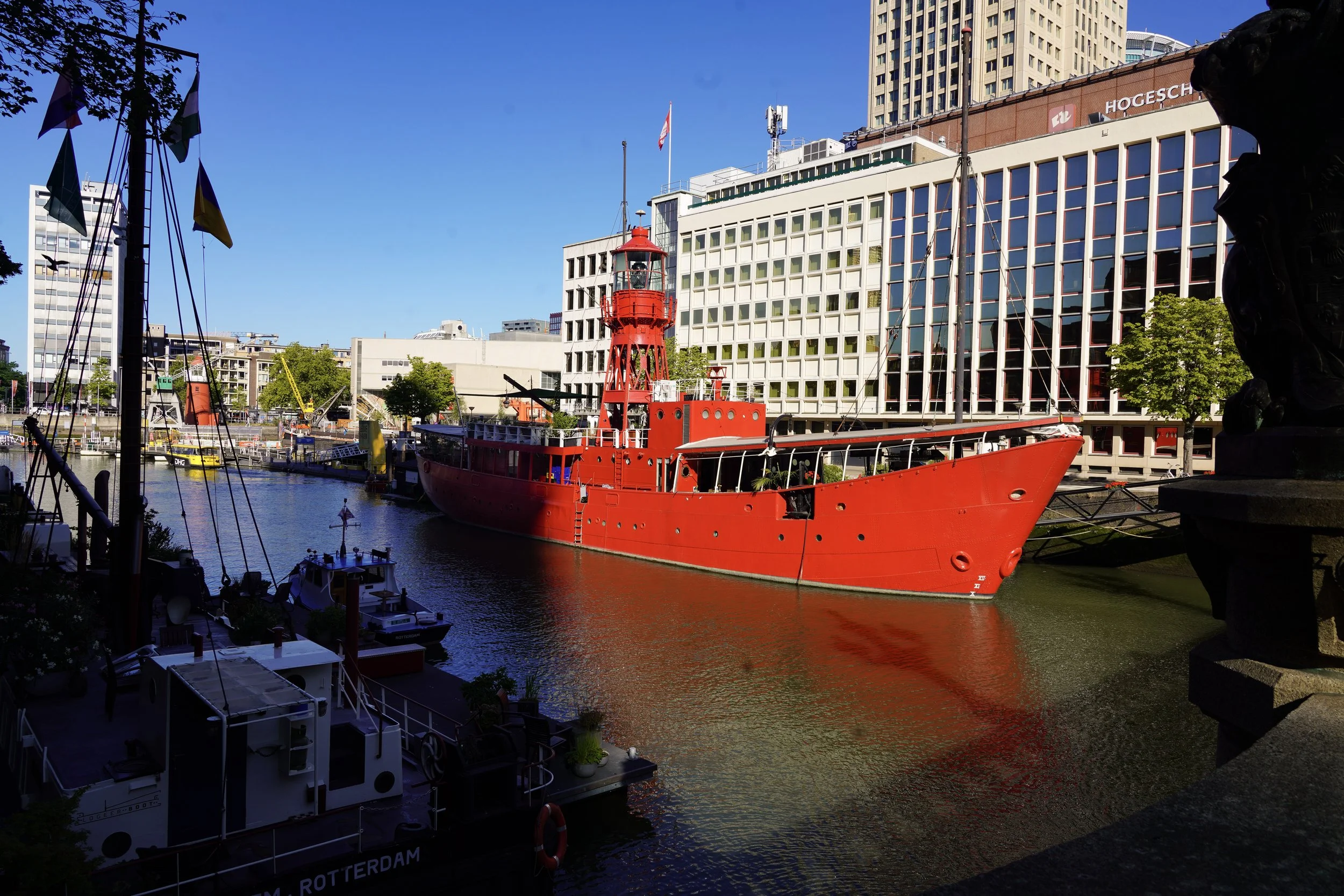
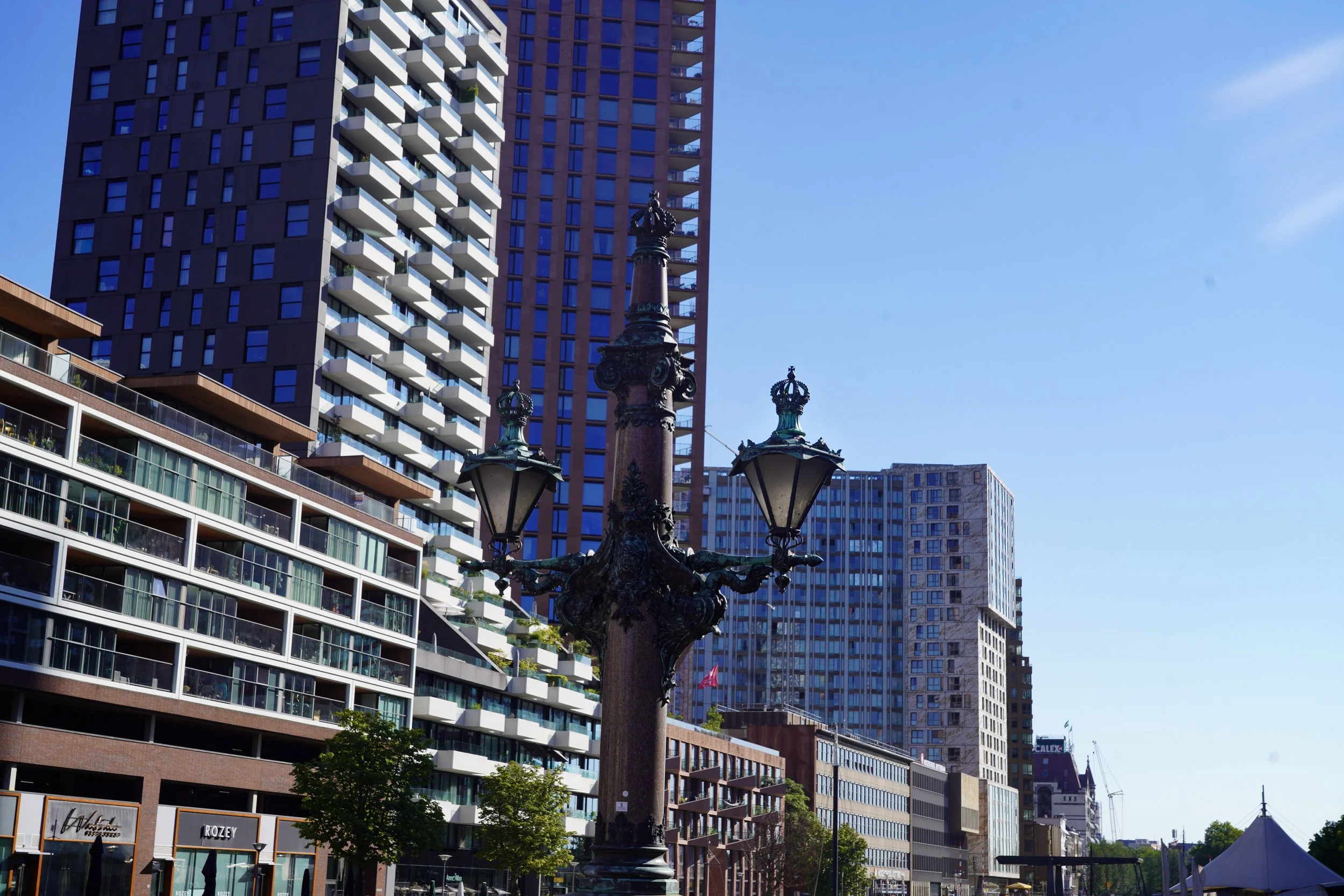
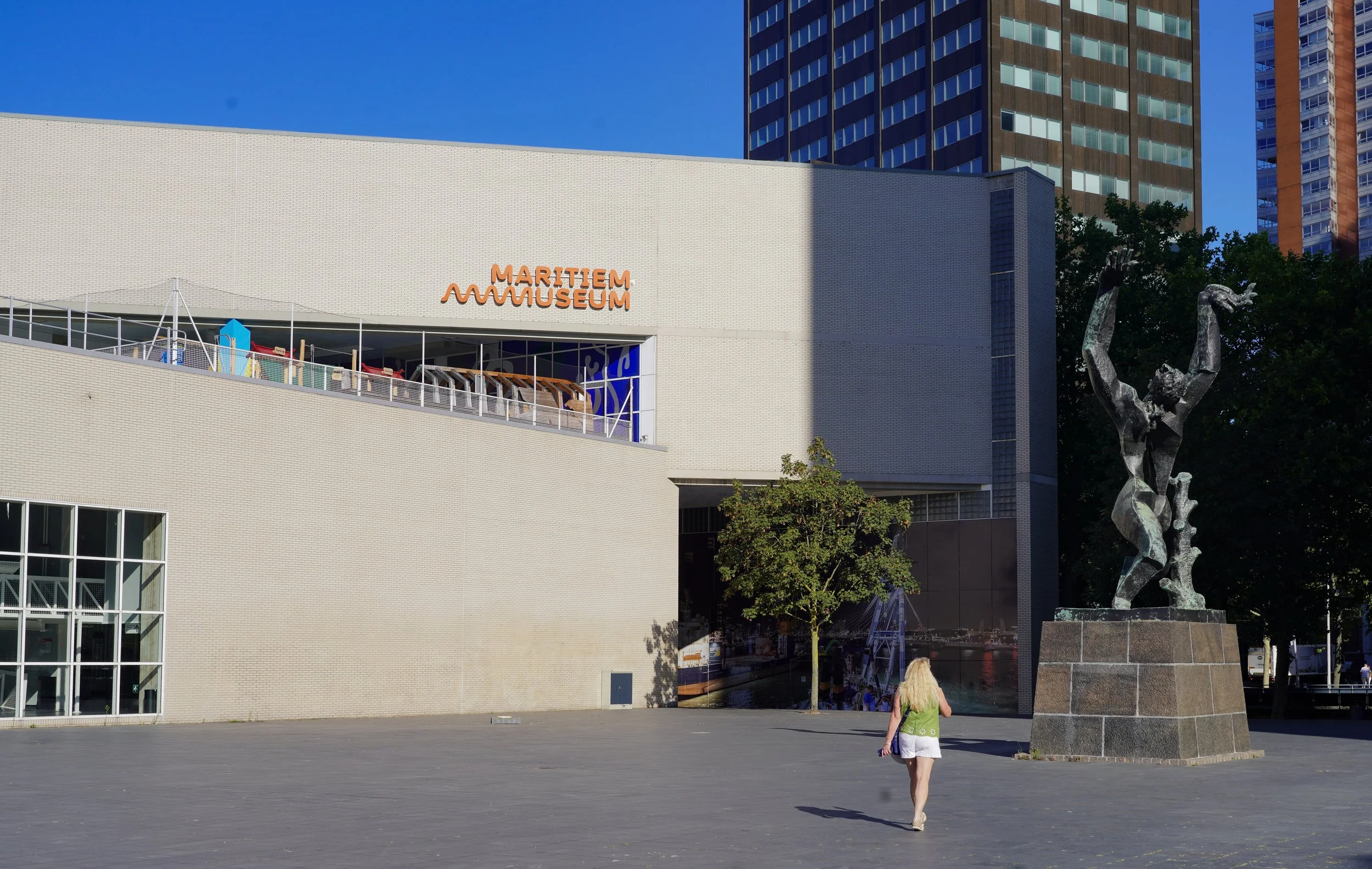
Rotterdam is one of those cities where you can spend quite a bit of time simply looking upwards. The architecture is wonderfully eccentric, from the striking Cube Houses to the Erasmus Bridge and the collection of modern towers that make up the skyline.
Unfortunately, our time was limited. We only had the morning in Rotterdam before it was time to return to the boat and continue our journey.
After lunch, we set off again for another of the Netherlands' most famous sights.
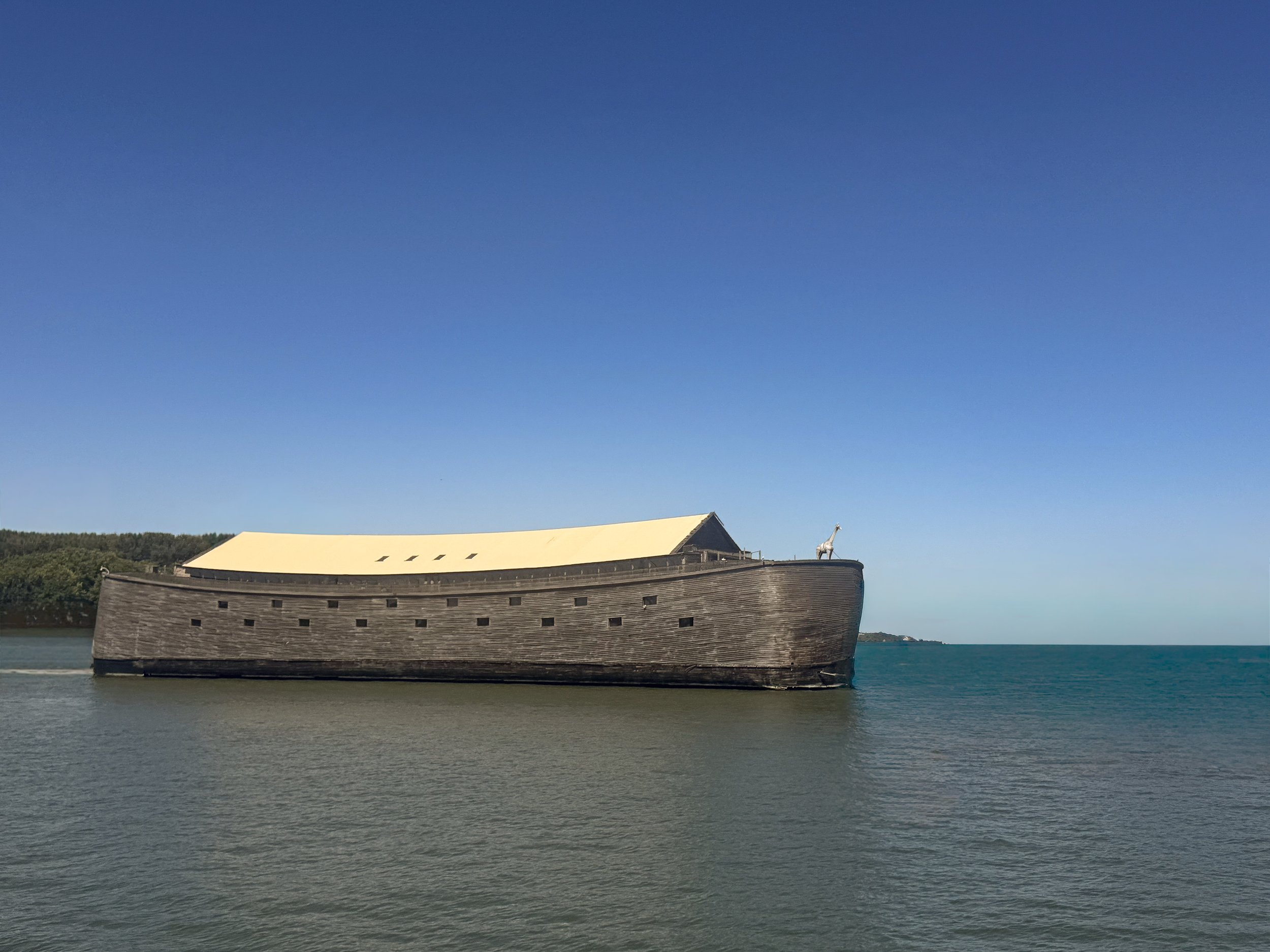
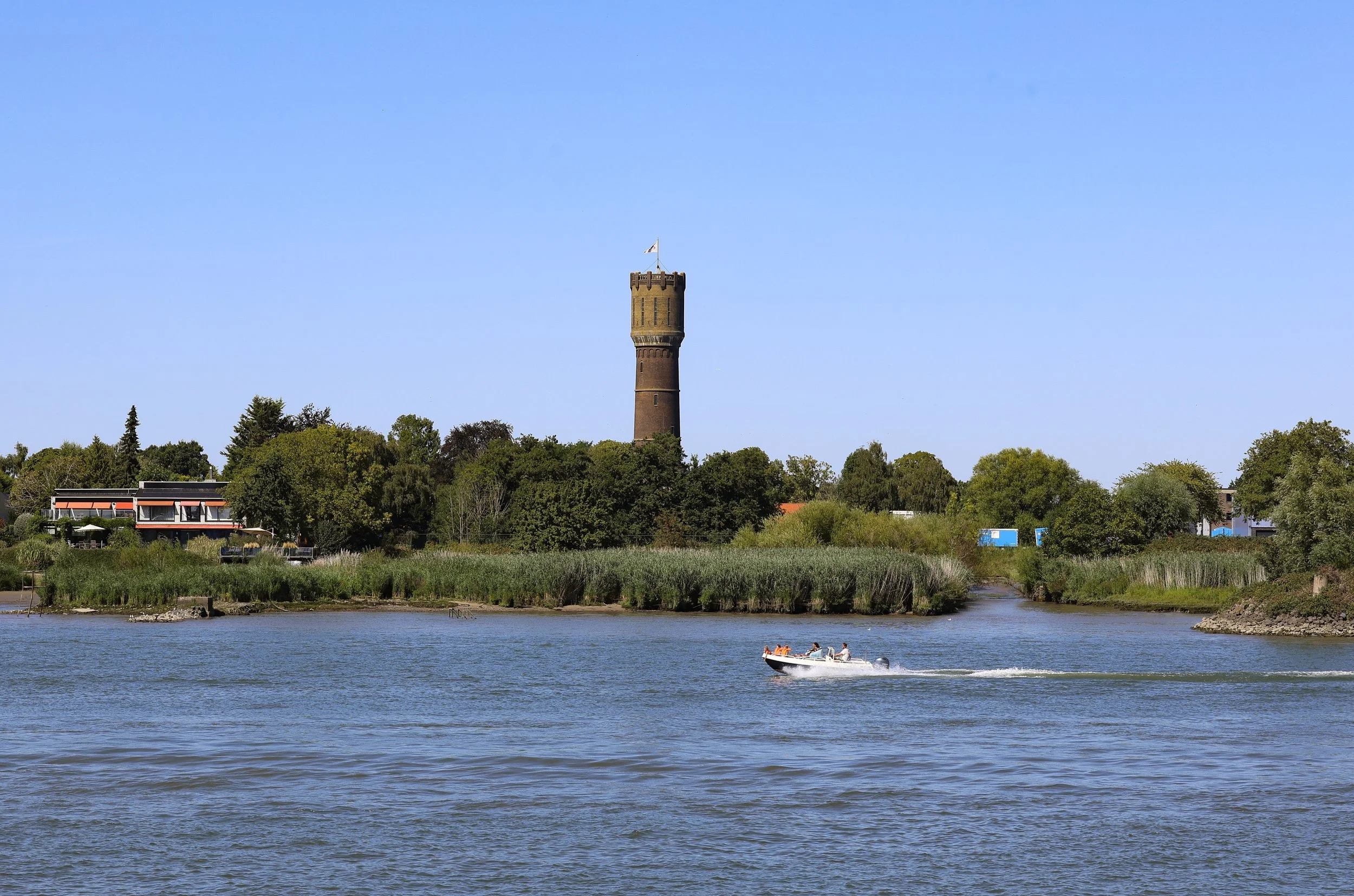
It was only a short sail, passing a curious replica of Noah’s Arc, before we arrived at Kinderdijk, but the change in scenery was dramatic. Suddenly the modern skyline of Rotterdam had disappeared and we were back in the Dutch landscape of waterways, green fields and, inevitably, windmills.
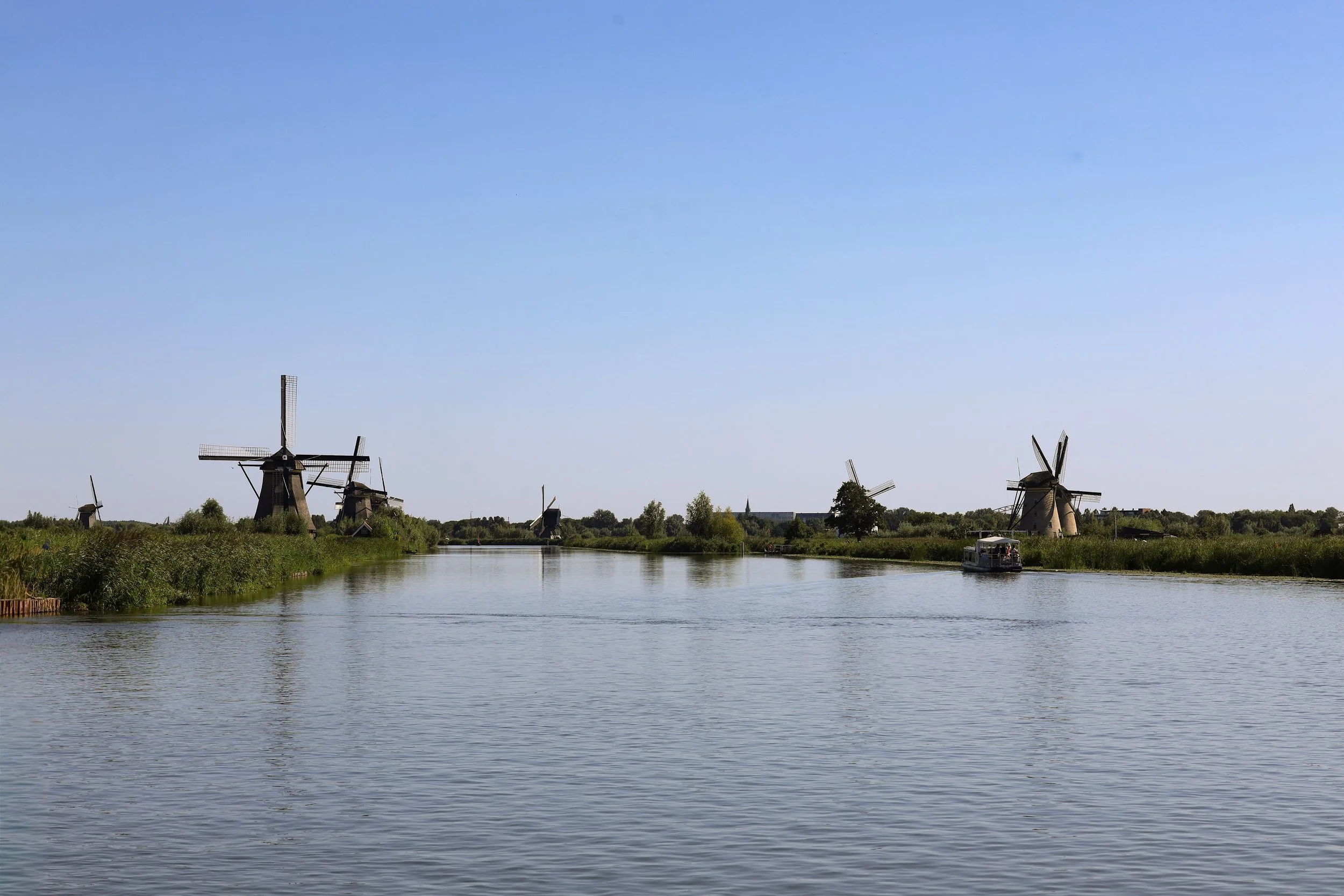
Kinderdijk is one of the most famous examples of the Netherlands' centuries-old battle to keep the country dry and a UNESCO World Heritage Area. The area lies in the Alblasserwaard polder, a low-lying region where water management isn't simply useful — it's essential.
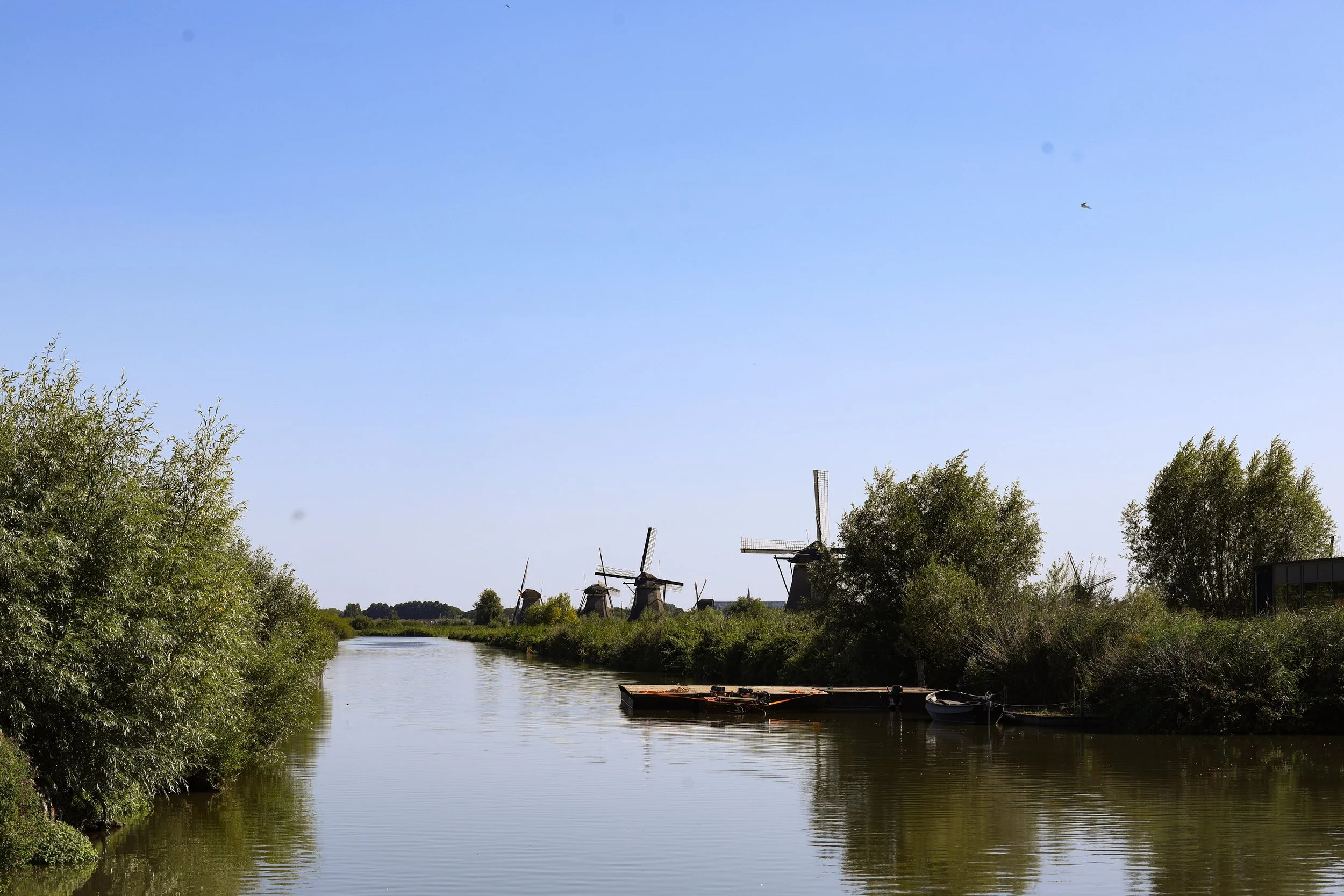
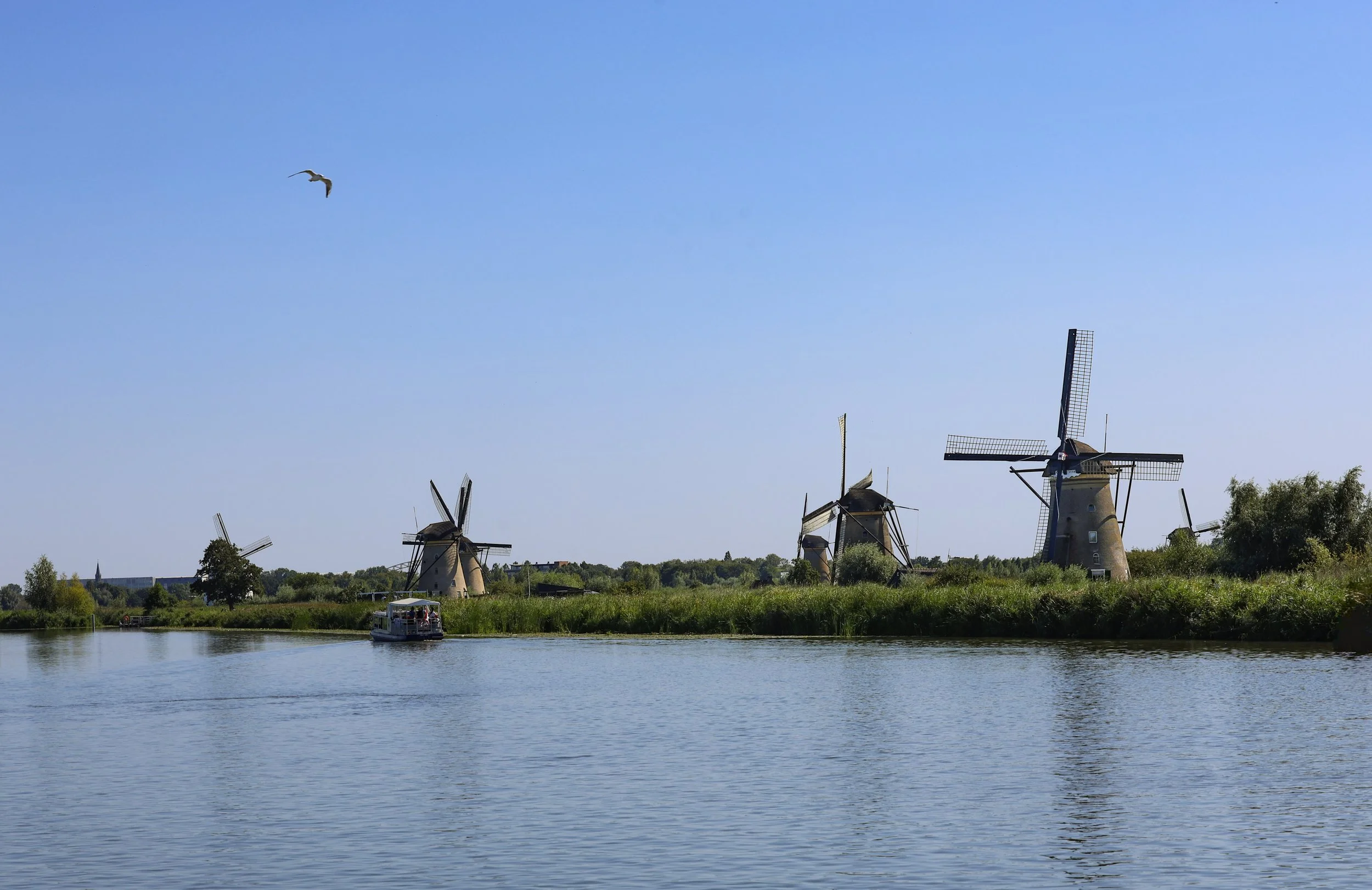
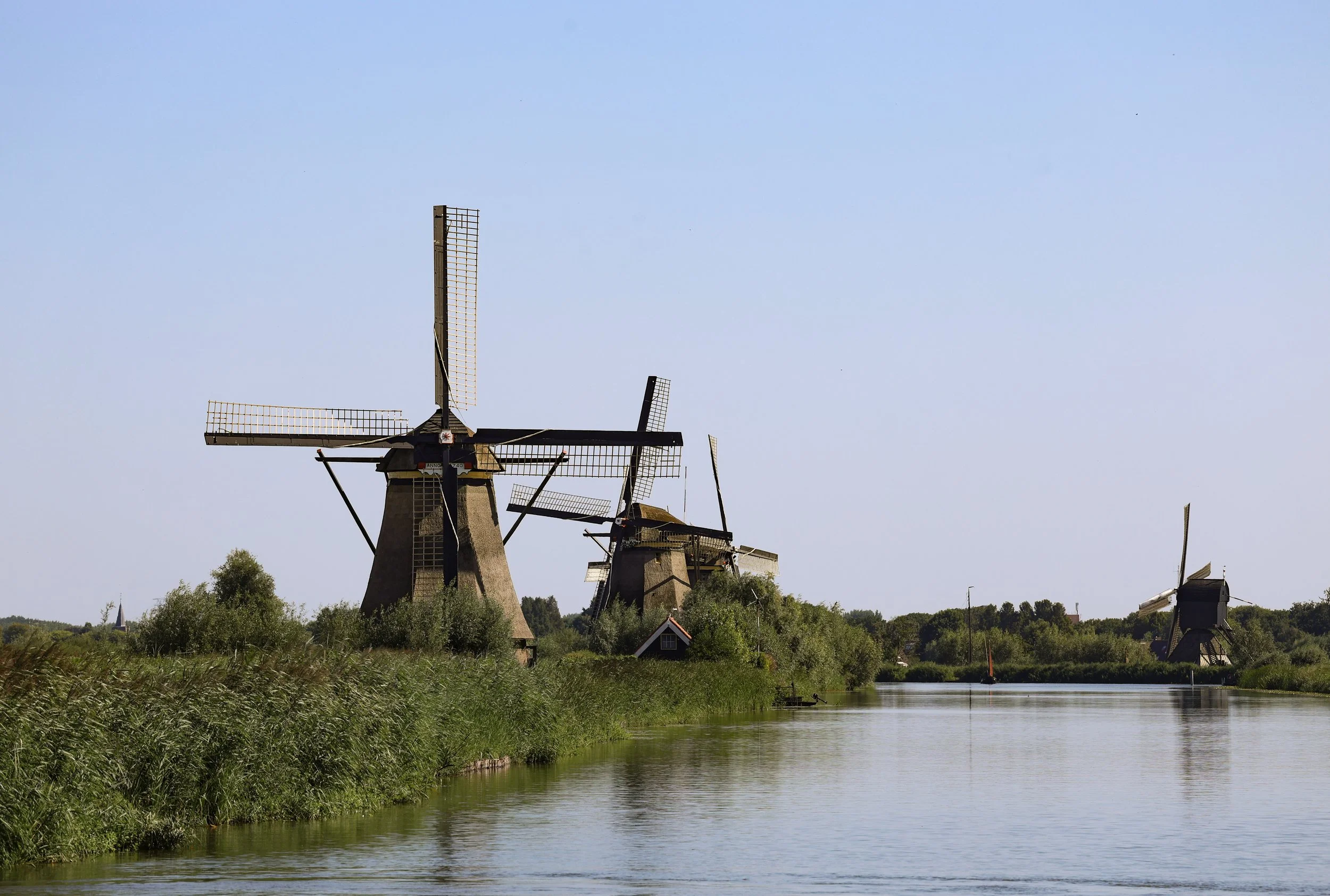
The site contains 19 monumental windmills, most dating from the 18th century and built around 1740. They formed part of an ingenious system designed to pump water out of the polders and into higher waterways, helping protect the surrounding farmland and communities from flooding.
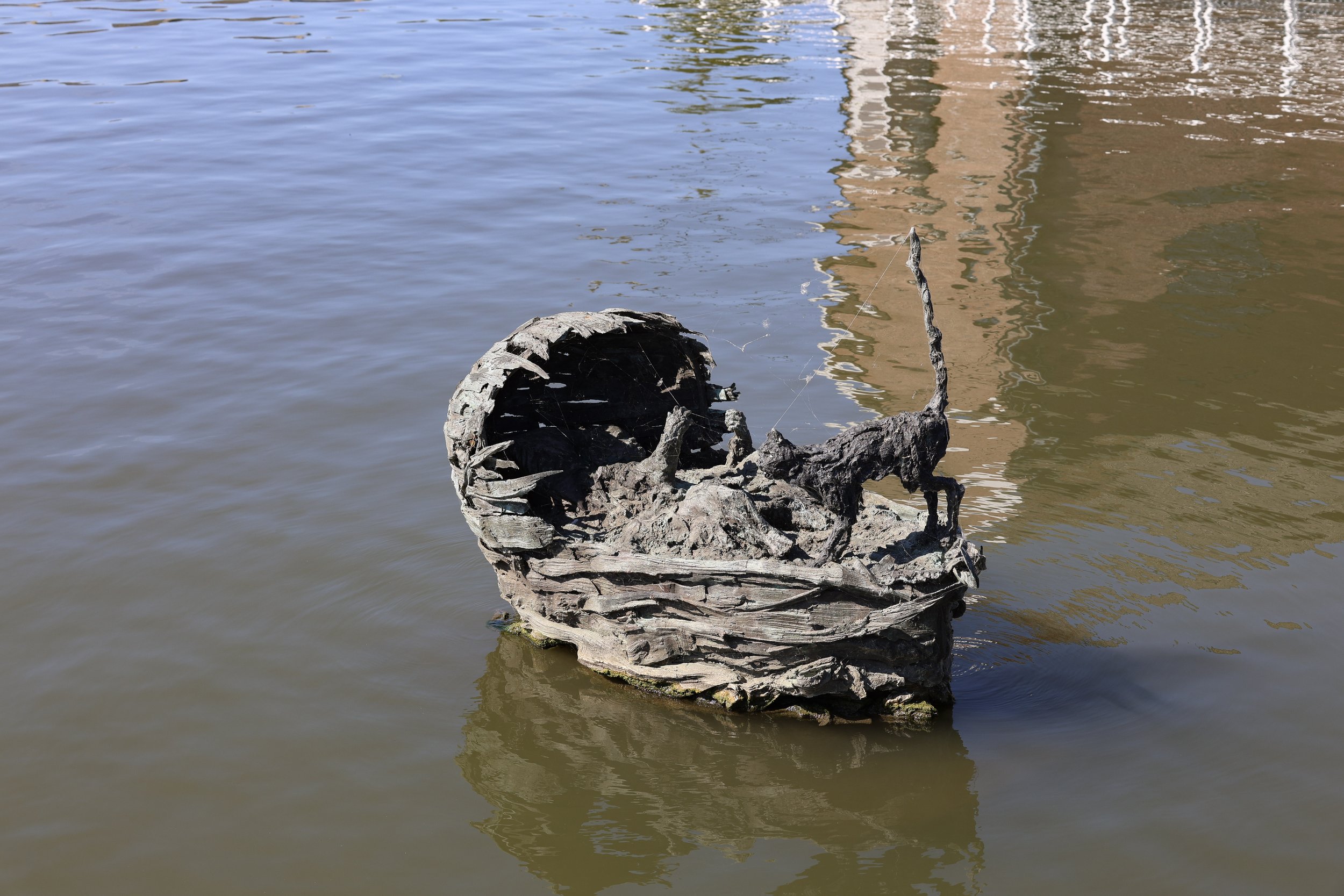
It also has a delightful floating statue of a cat and a baby. Back in 1421, the St Elizabeth’s Flood swept across the Netherlands, drowning villages and leaving a right old mess. When the waters finally settled, a villager spotted a cradle bobbing about in the floodwaters. Inside was a baby girl, fast asleep, while a cat leapt frantically from side to side to stop the cradle capsizing. Clearly, someone was earning their keep that day! Both survived, and legend has it the baby was named Beatrice. The tale is said to have inspired the name Kinderdijk, meaning “Children’s Dike”. Proof, perhaps, that cats aren’t always plotting world domination. Occasionally, they save a baby.
It is easy to look at a Dutch windmill and think of picturesque postcards, wooden shoes and perhaps someone in a quaint costume waving cheerfully. The reality is much more impressive. These weren't decorative structures. They were working
pieces of infrastructure, using wind power to move enormous quantities of water. For centuries, Dutch communities have relied on increasingly sophisticated combinations of windmills, pumps, dykes, canals and sluices to reclaim land and keep it habitable.
And when you consider that large parts of the Netherlands lie at or below sea level, it's an extraordinary achievement.
Walking among the Kinderdijk windmills was a completely different experience from Rotterdam. The pace slowed, the landscape opened up and the windmills stood in long lines beside the waterways, their sails turning in the breeze.
After several days of cities, streets, churches, cafés and historical buildings, it was wonderful to be out in the countryside. Of course, being Dutch, even the countryside comes with a very clear message: Keep the water out.
The contrast between Rotterdam and Kinderdijk was fascinating. Rotterdam showed what the Dutch can do when they're given a blank canvas and a chance to reinvent a city. Kinderdijk showed what they've been doing for centuries to make sure there is actually somewhere dry to build those cities.
And, as we stood among the windmills watching the afternoon light settle over the polder, we couldn't help thinking that the Dutch relationship with water is rather different from ours. For us, water is generally something to enjoy. For the Dutch, it is something to negotiate with. And, judging by the 19 windmills standing proudly around us, they've been winning the argument for quite some time.
Time to set sail again and leave the Netherlands.