
Budapest
We arrived in Budapest in the middle of the morning, checked into our hotel in BudaPart and, rather than doing the sensible thing and having a rest after travelling, promptly went for a walk.
Because apparently arriving half-dead from Australia is no excuse for sitting down.
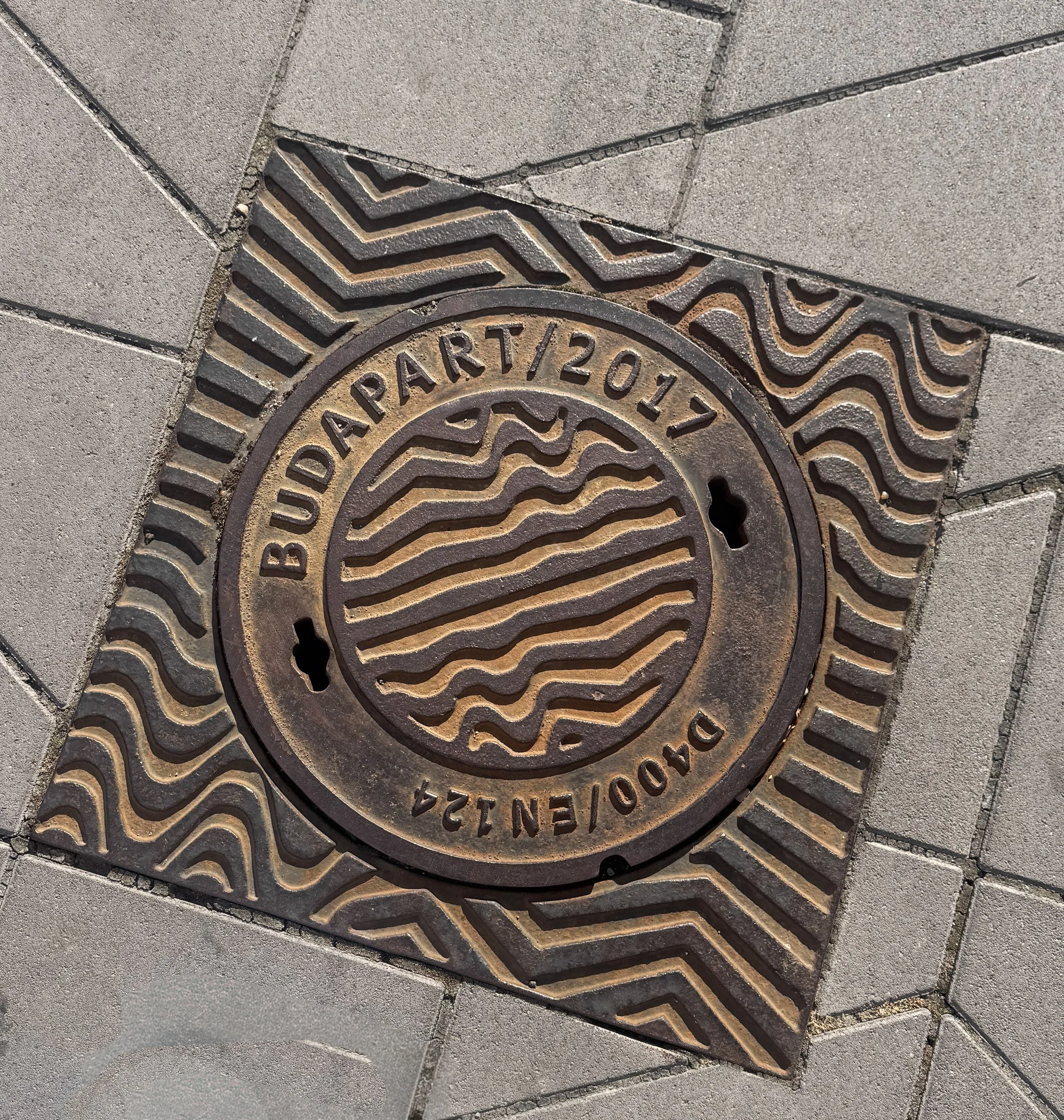
BudaPart was a great introduction to the city. This relatively new neighbourhood sits on the Danube and is a world away from the grand imperial buildings of central Budapest. There are funky contemporary buildings, interesting architecture, wide open spaces and even little river beaches.
It’s modern, relaxed and still very much a work in progress — a useful reminder that Budapest isn’t all castles, churches and Austro-Hungarian emperors. There’s a thoroughly modern city happening alongside all that history.
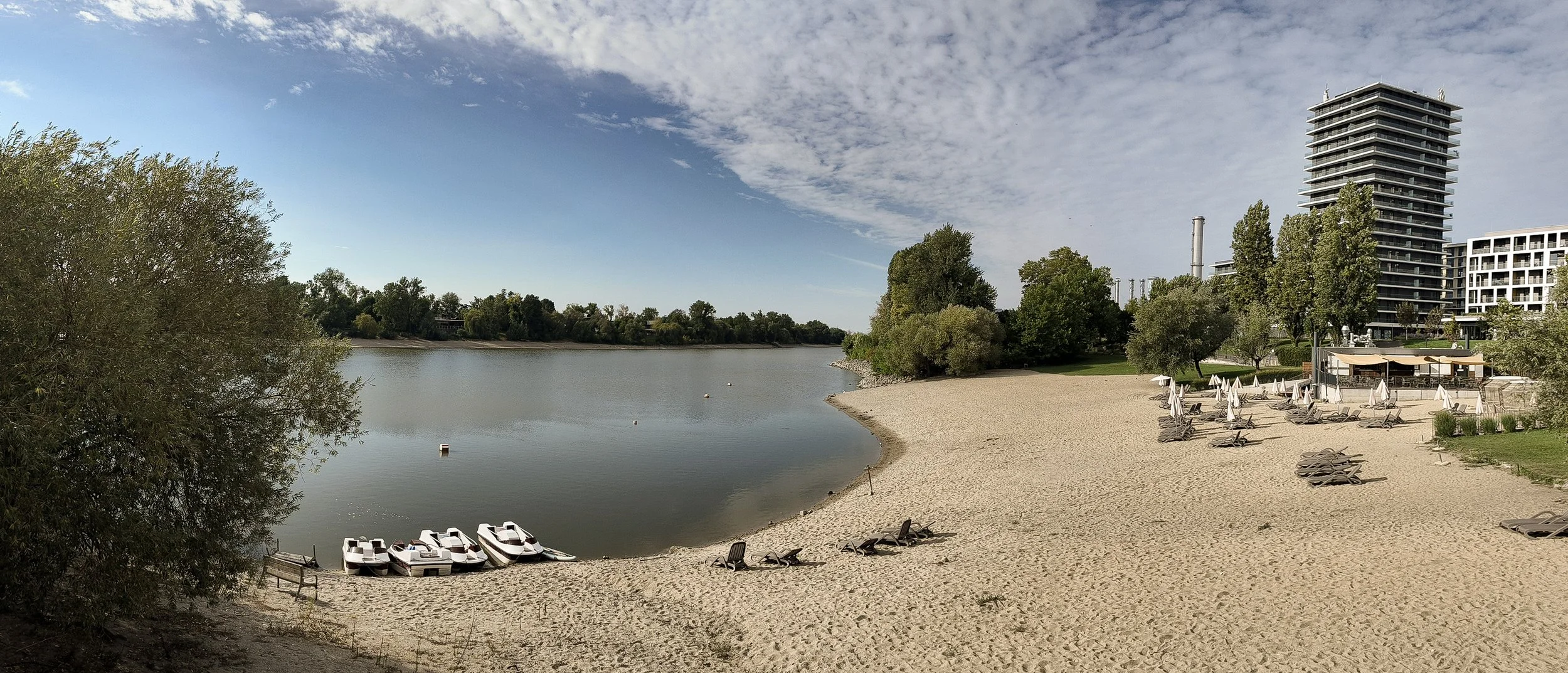
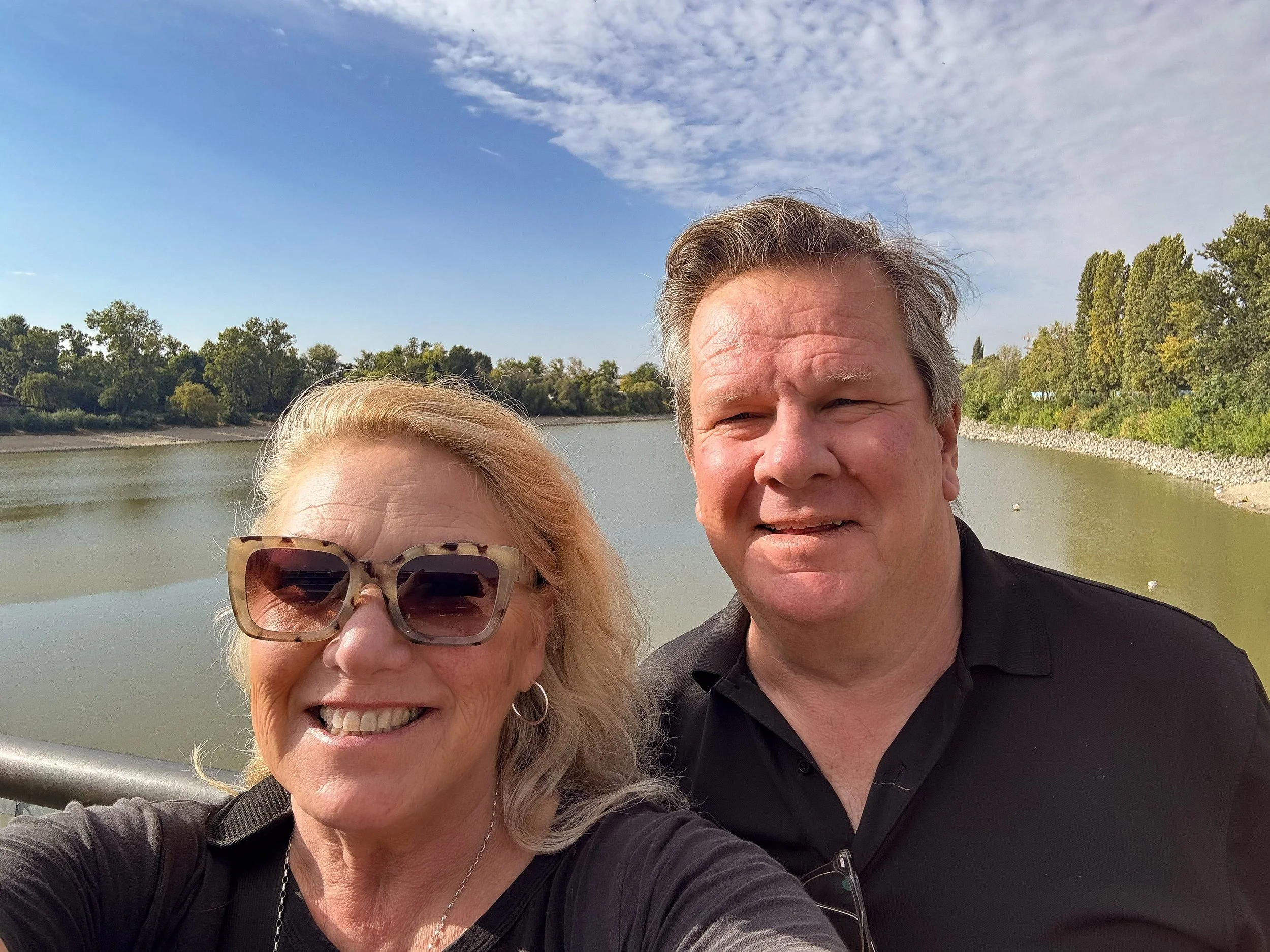
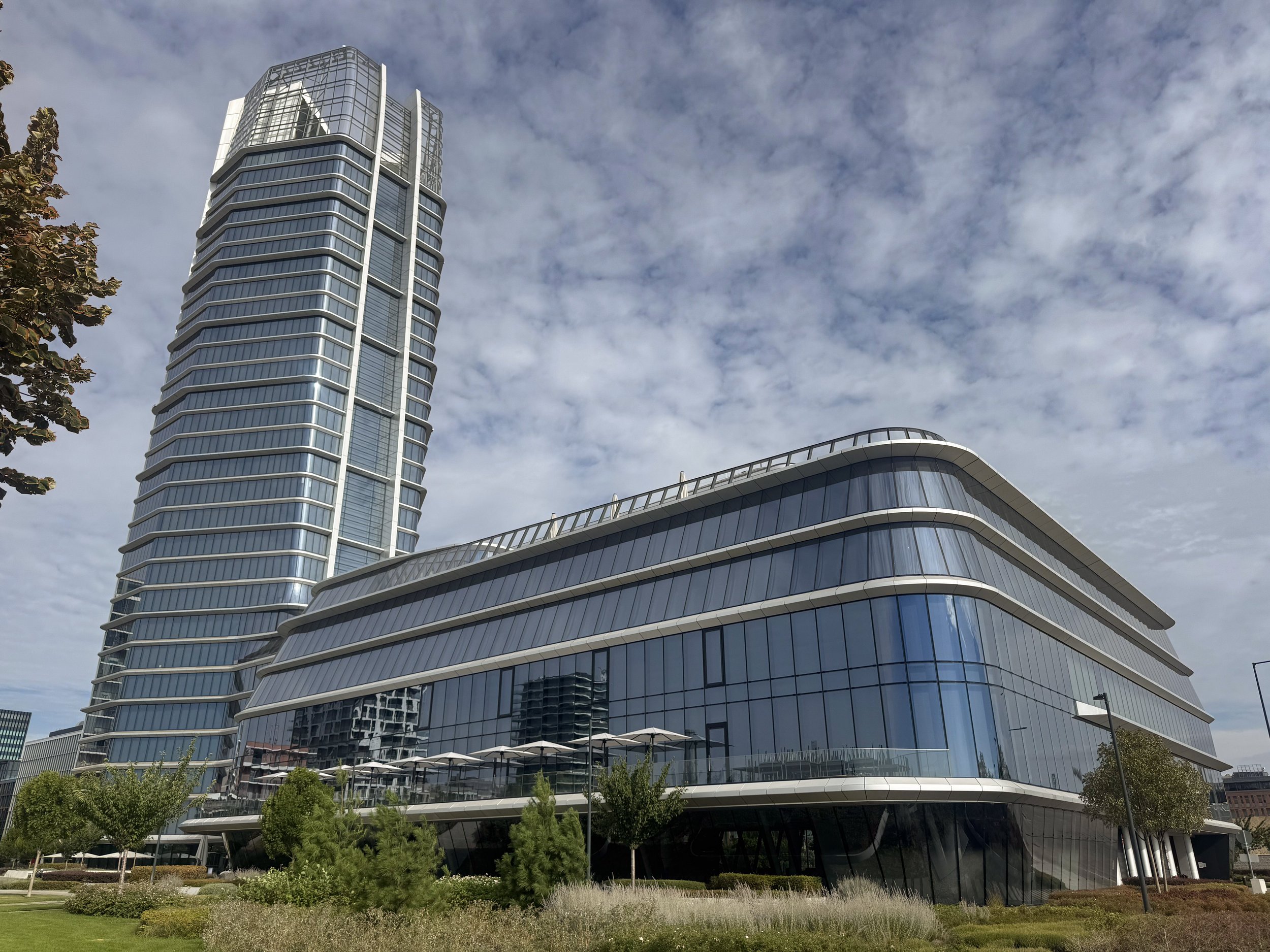
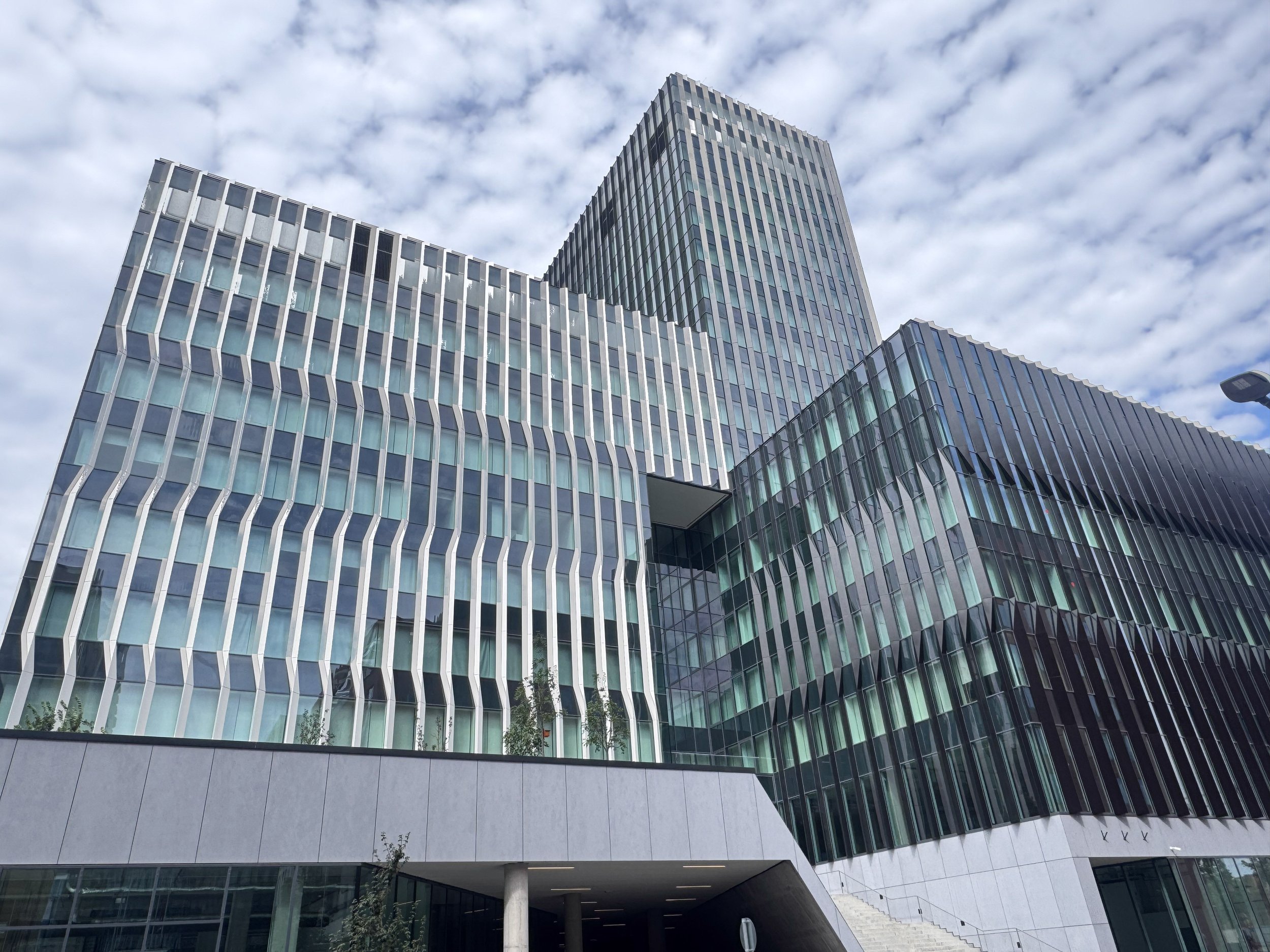
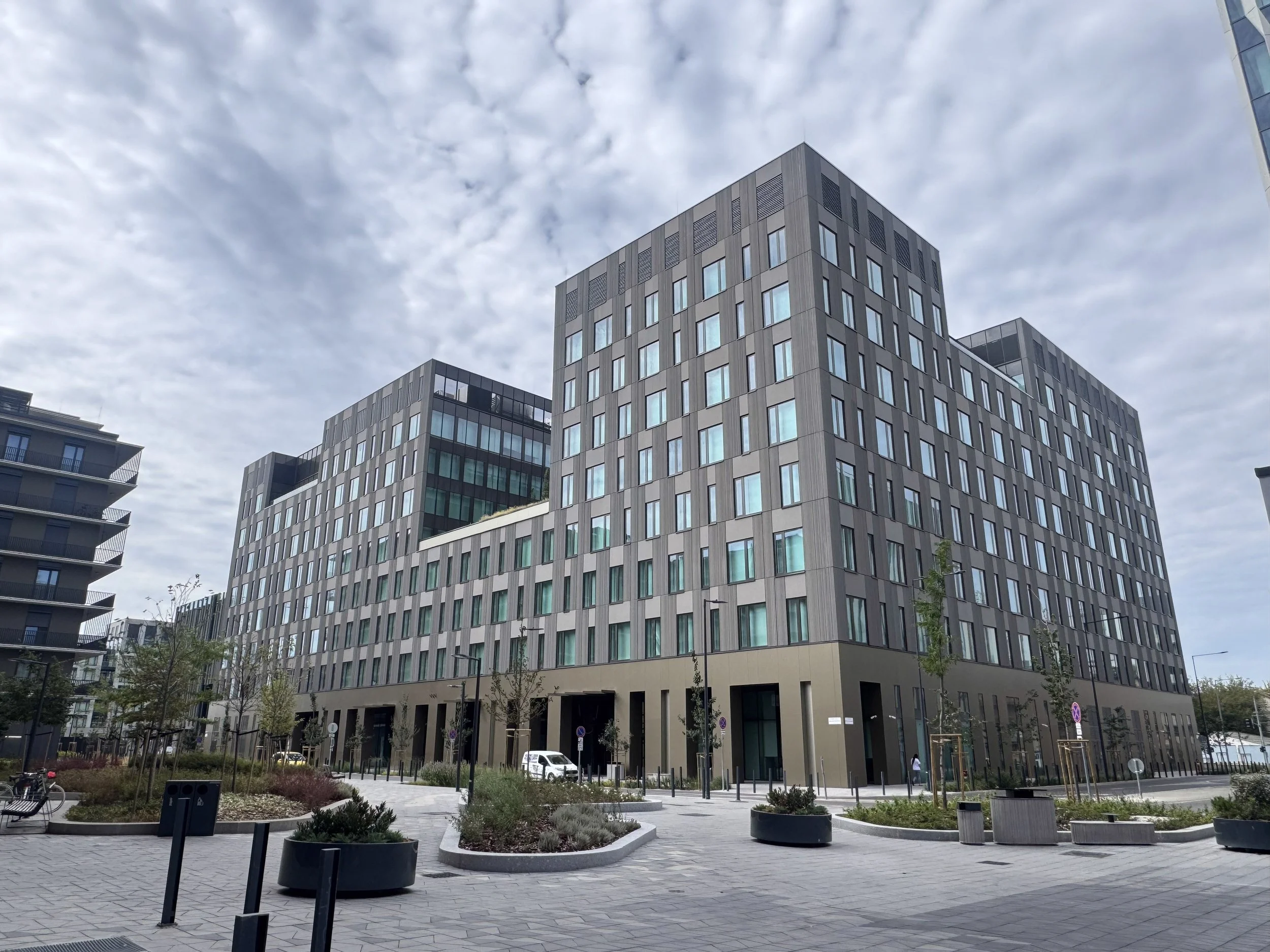
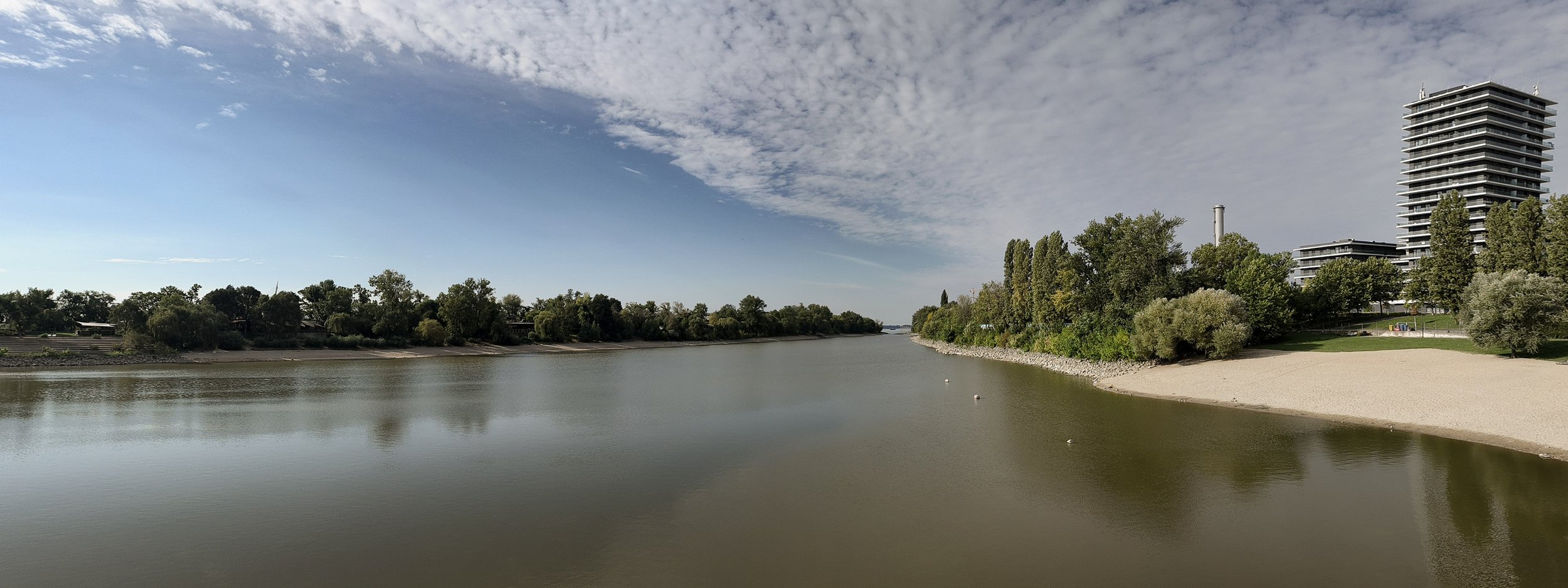
During our stay, several hotel staff told us about a sobering event the week before we arrived. The BudaPart area had reportedly experienced a week-long power outage after a nearby nuclear power plant reduced operations because river levels were too low for its cooling systems.
Whether every detail had survived the local grapevine is hard to say, but the underlying issue was real. Extreme heat and low water levels were already affecting energy production.
It was an early taste of a theme that would follow us throughout the trip: climate change wasn’t just about whether to pack sunscreen or a jumper. Heat, drought and low rivers were beginning to affect transport, energy, agriculture and tourism.
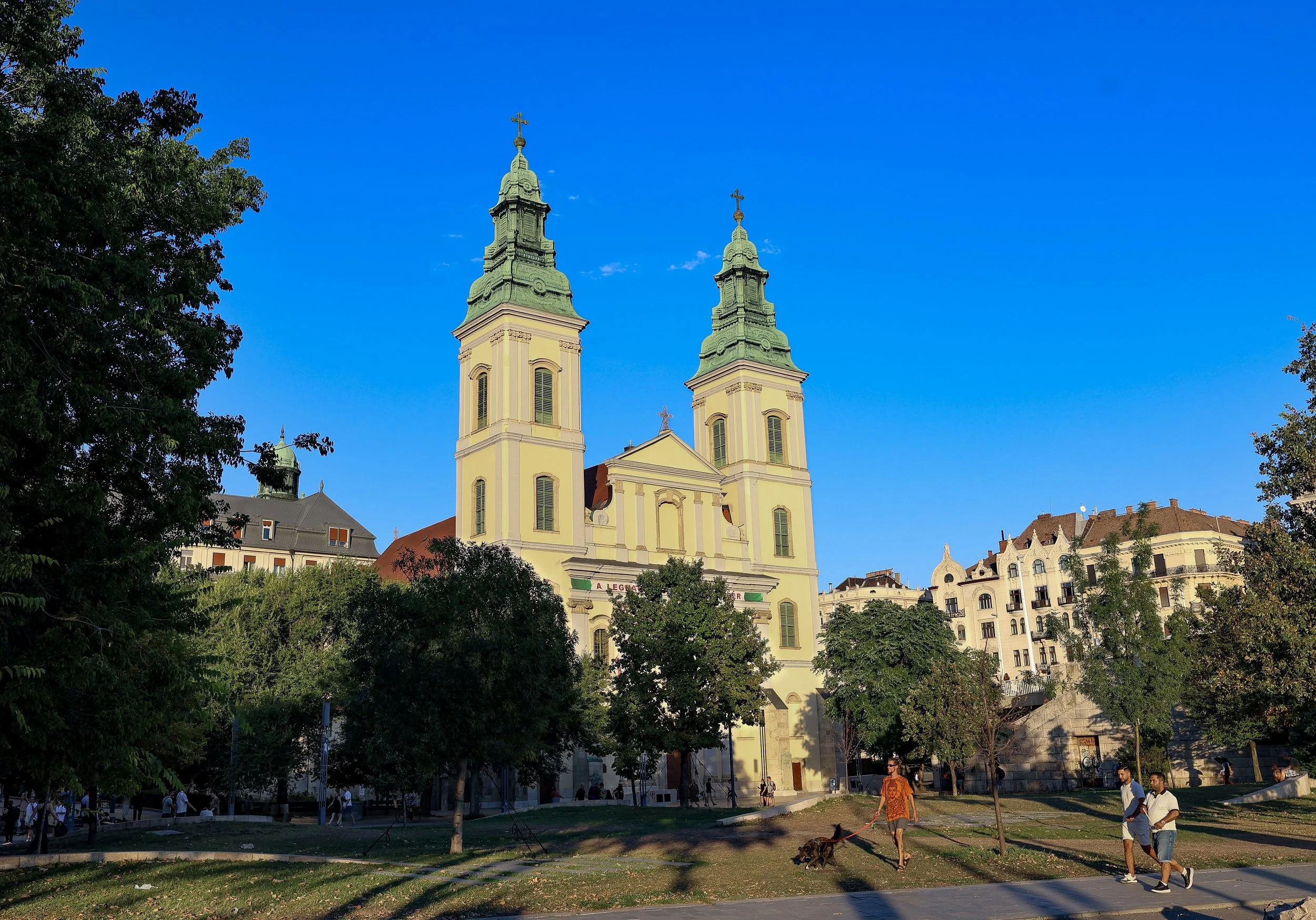
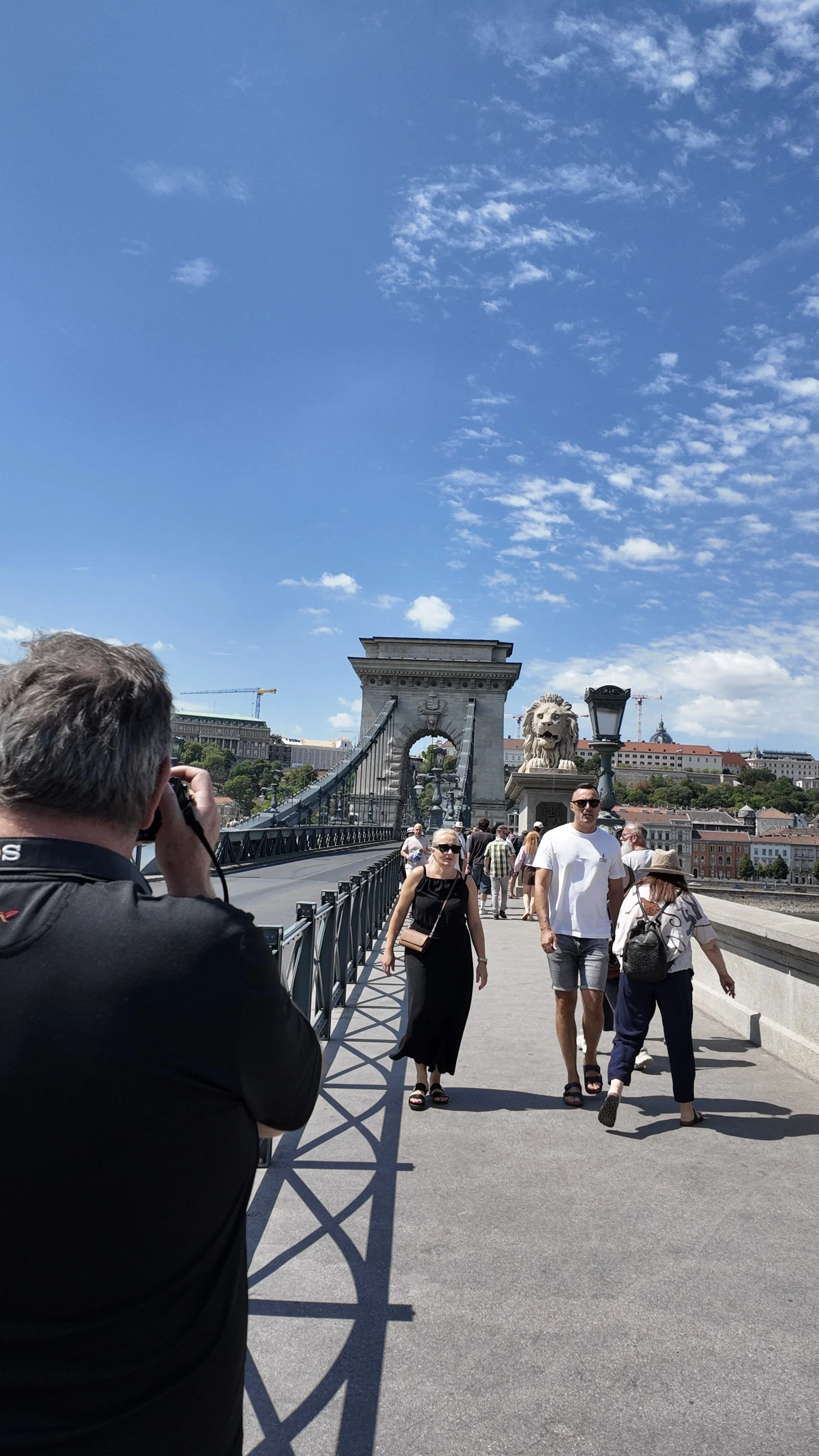
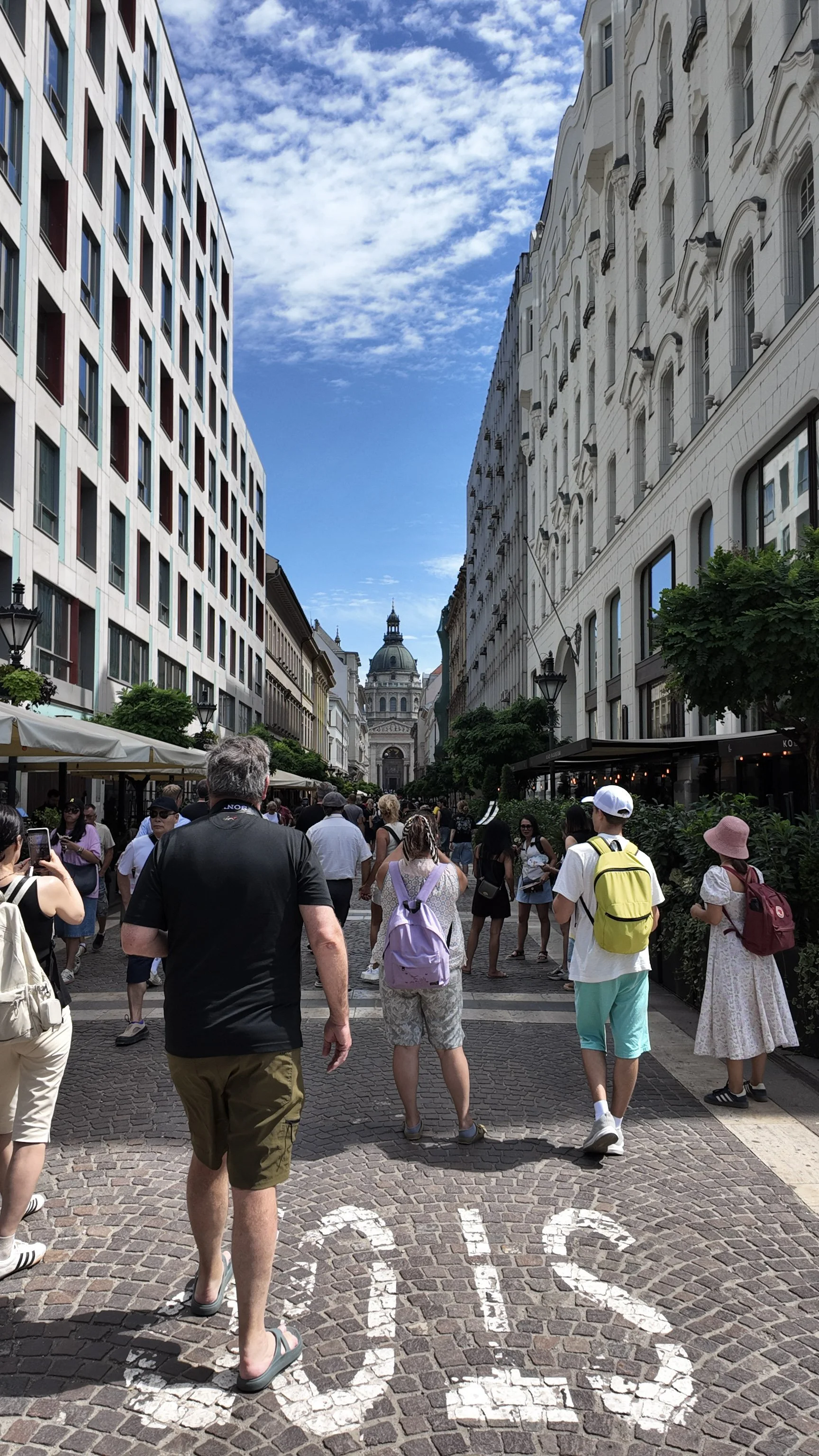
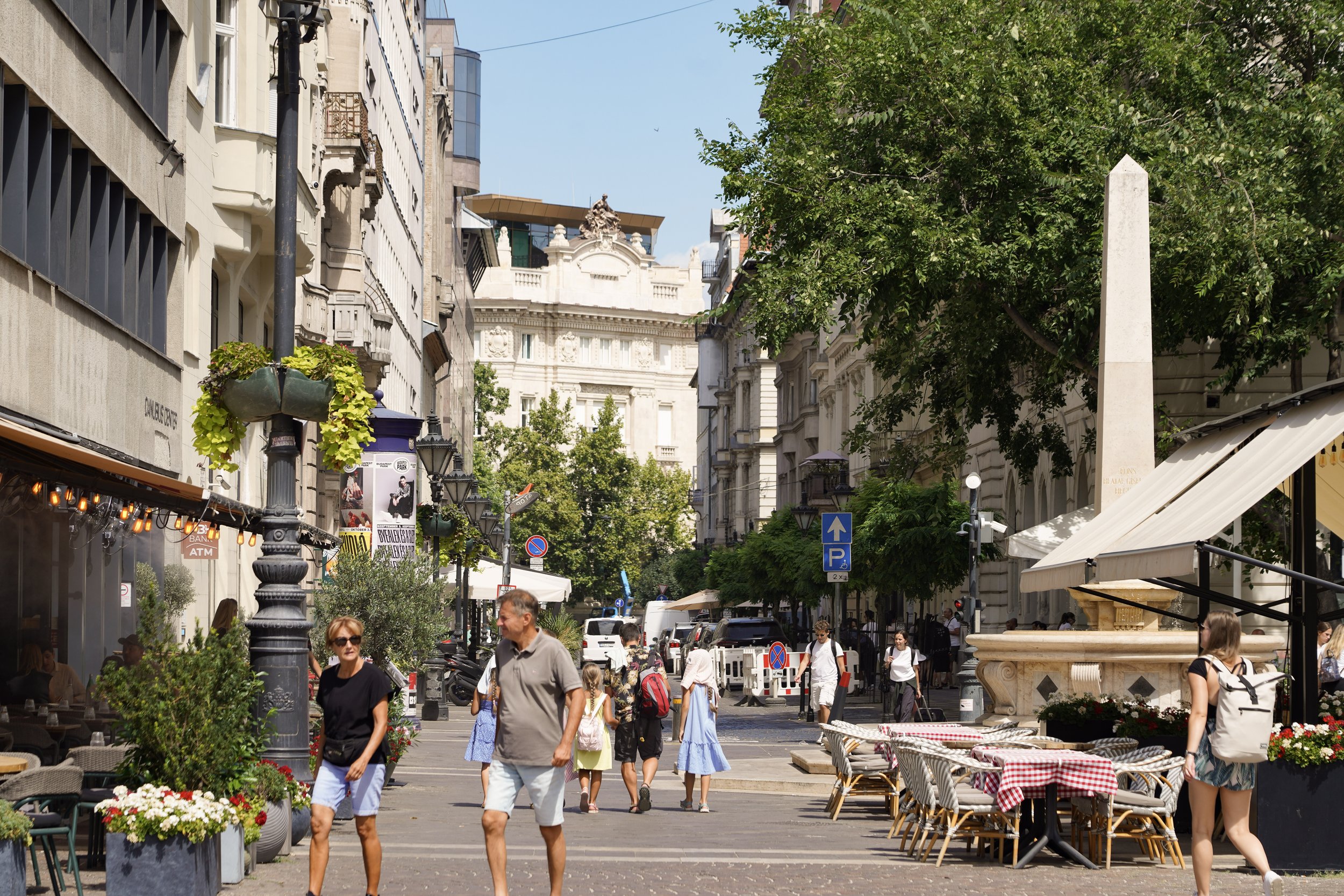
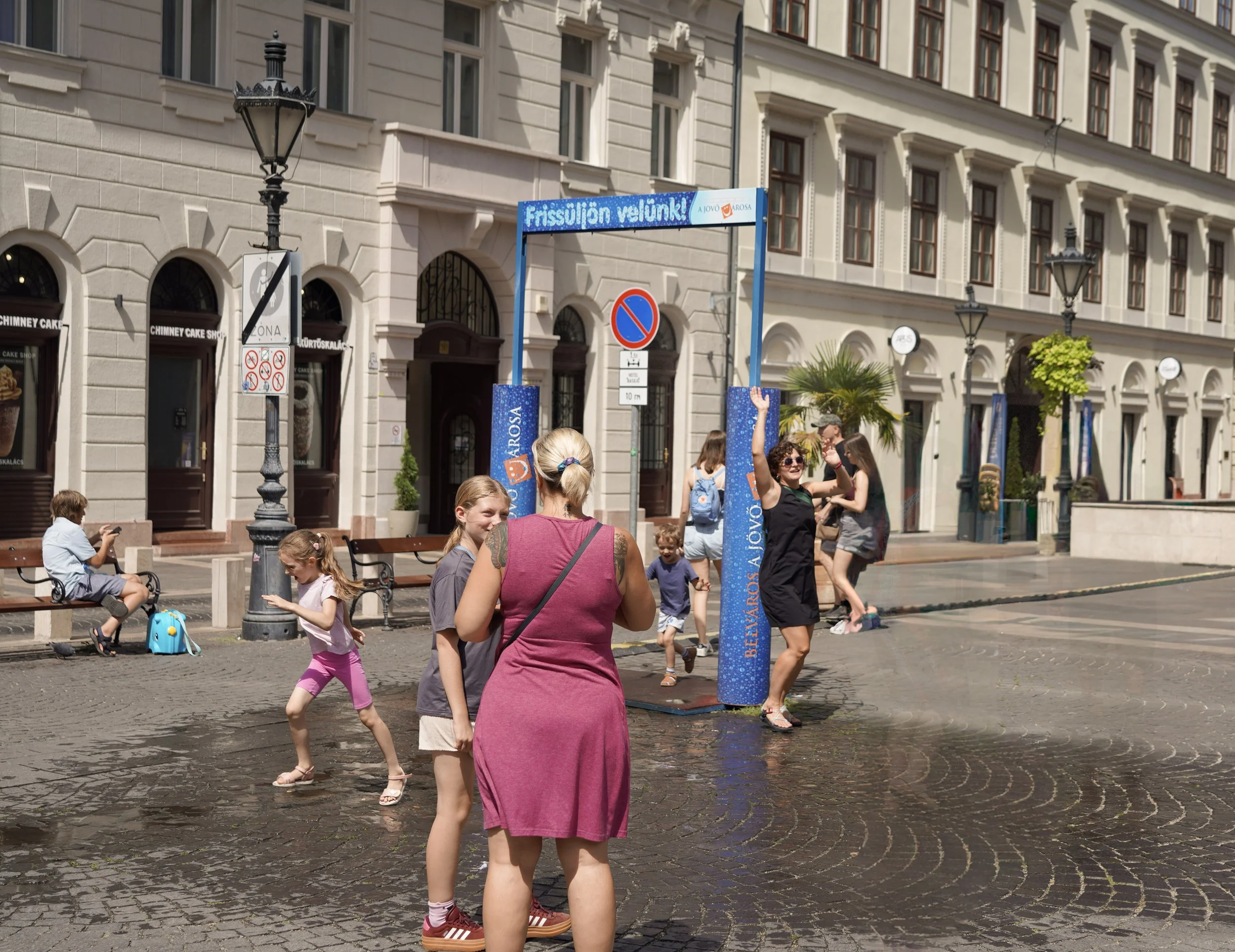
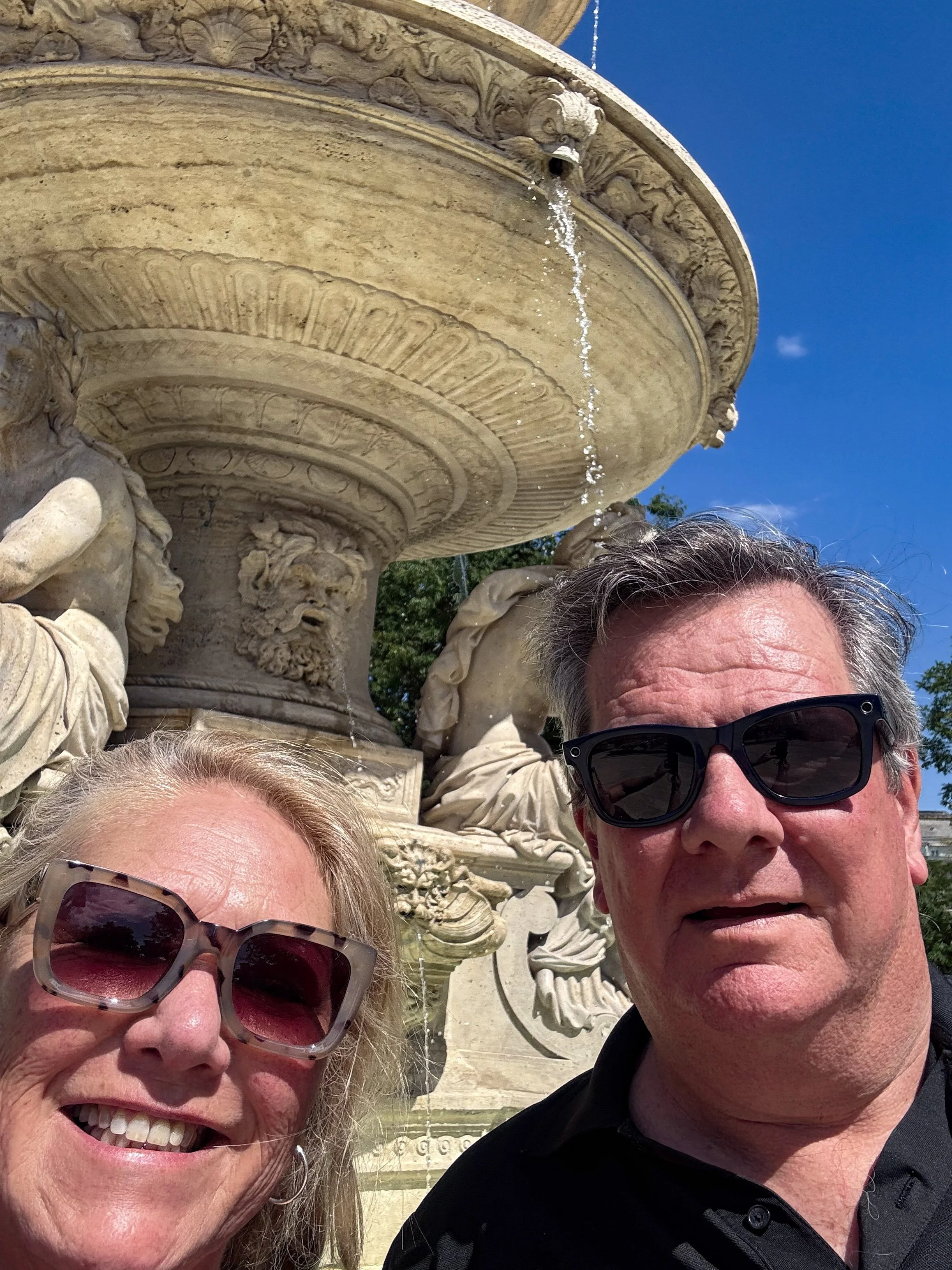
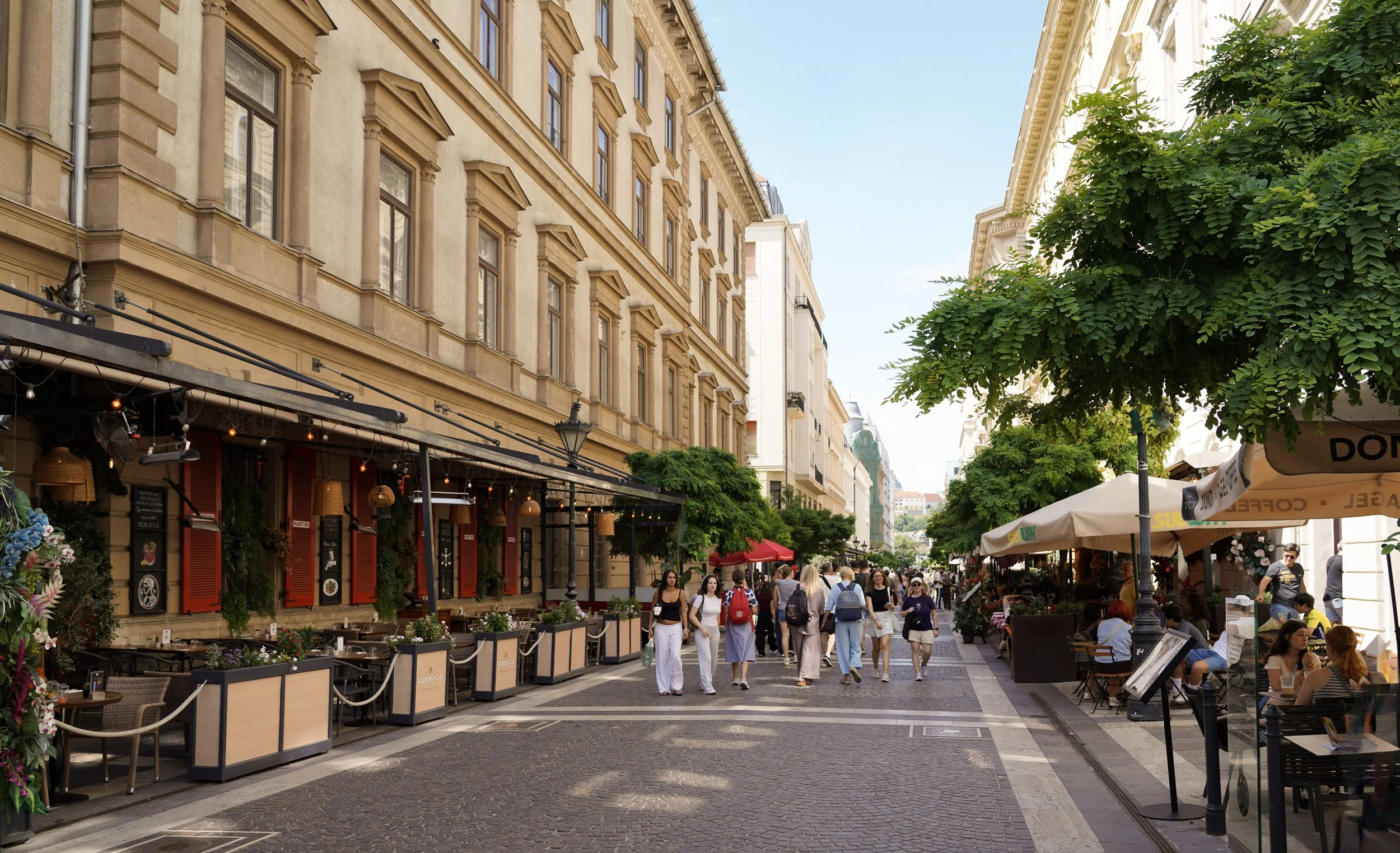
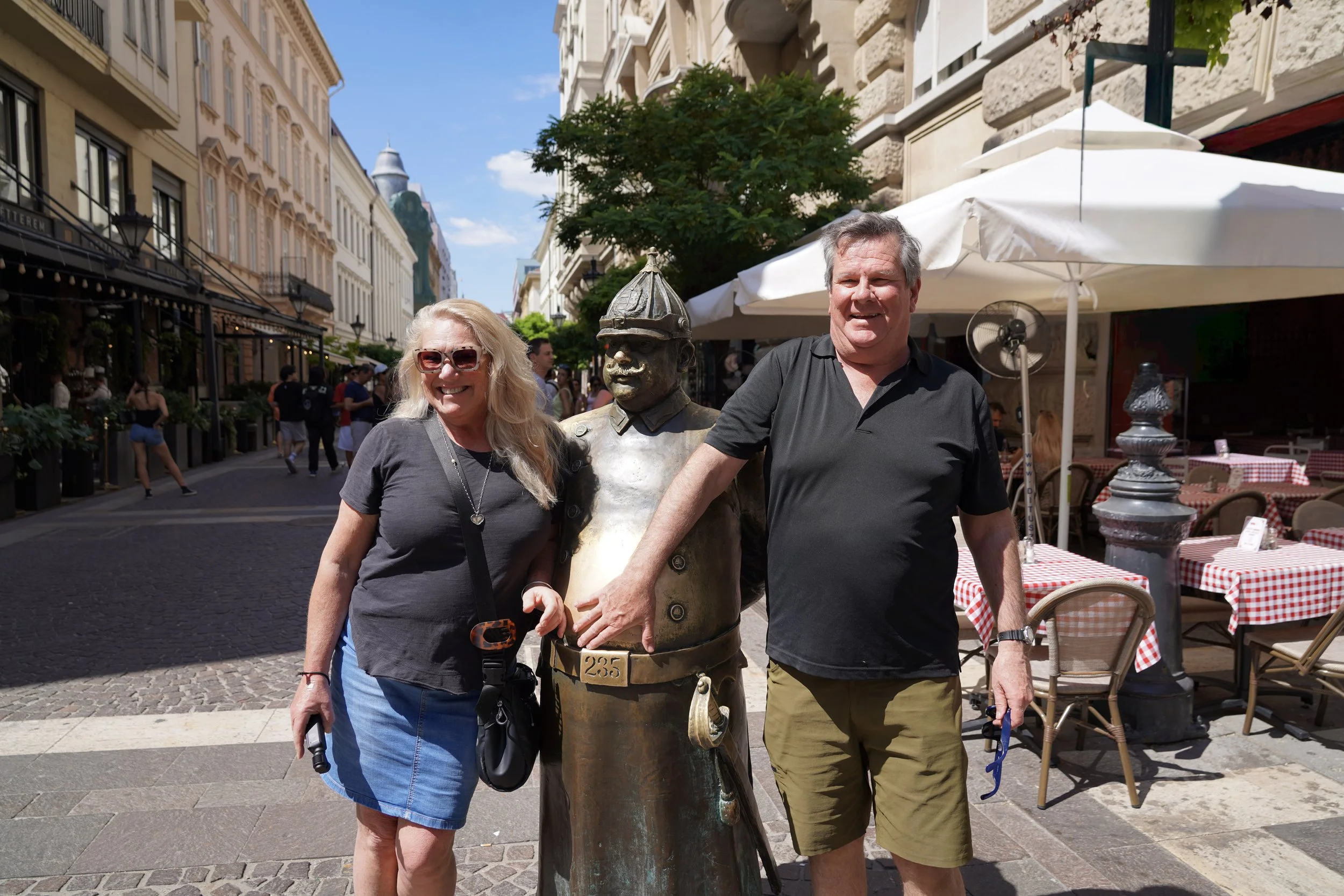
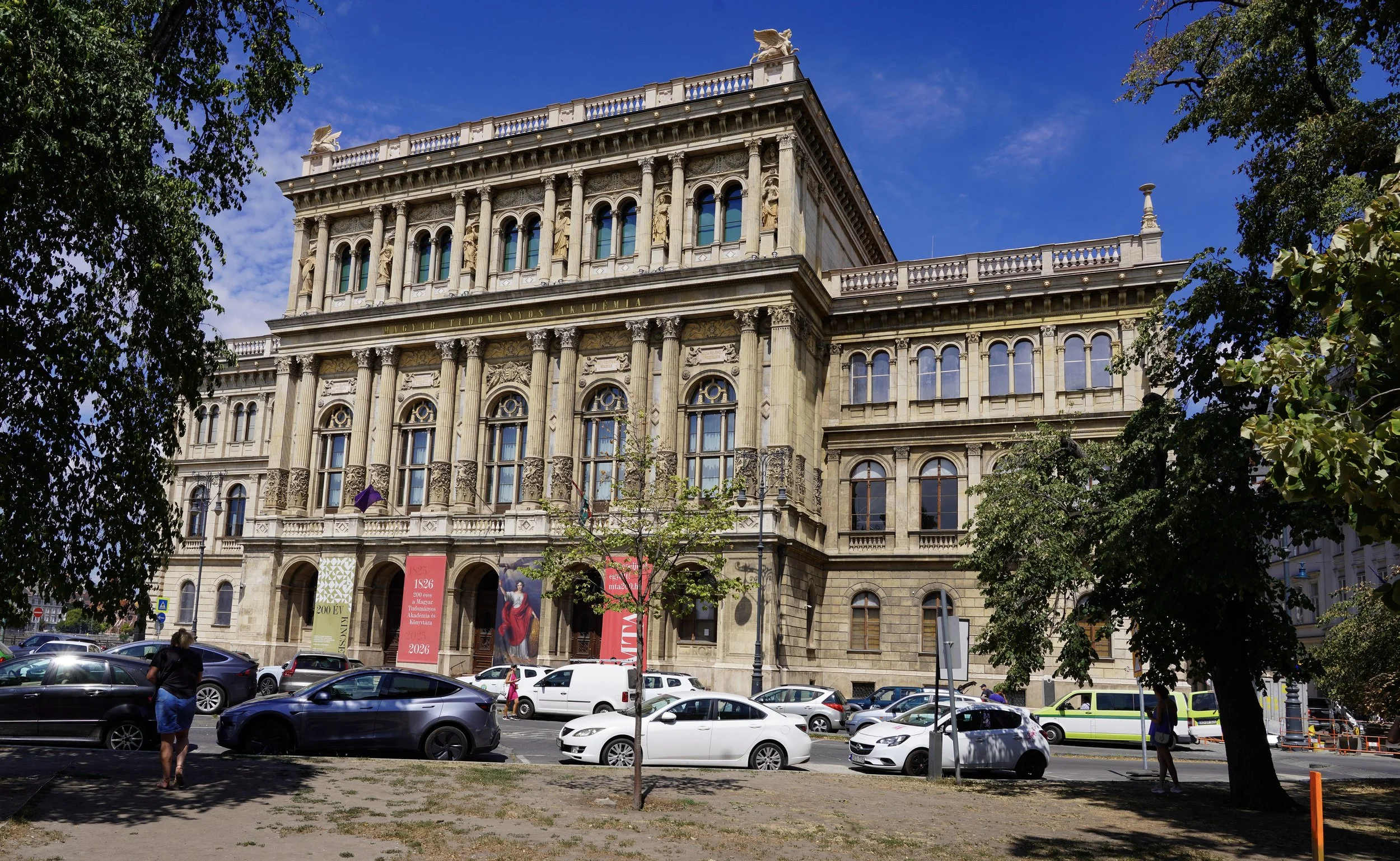
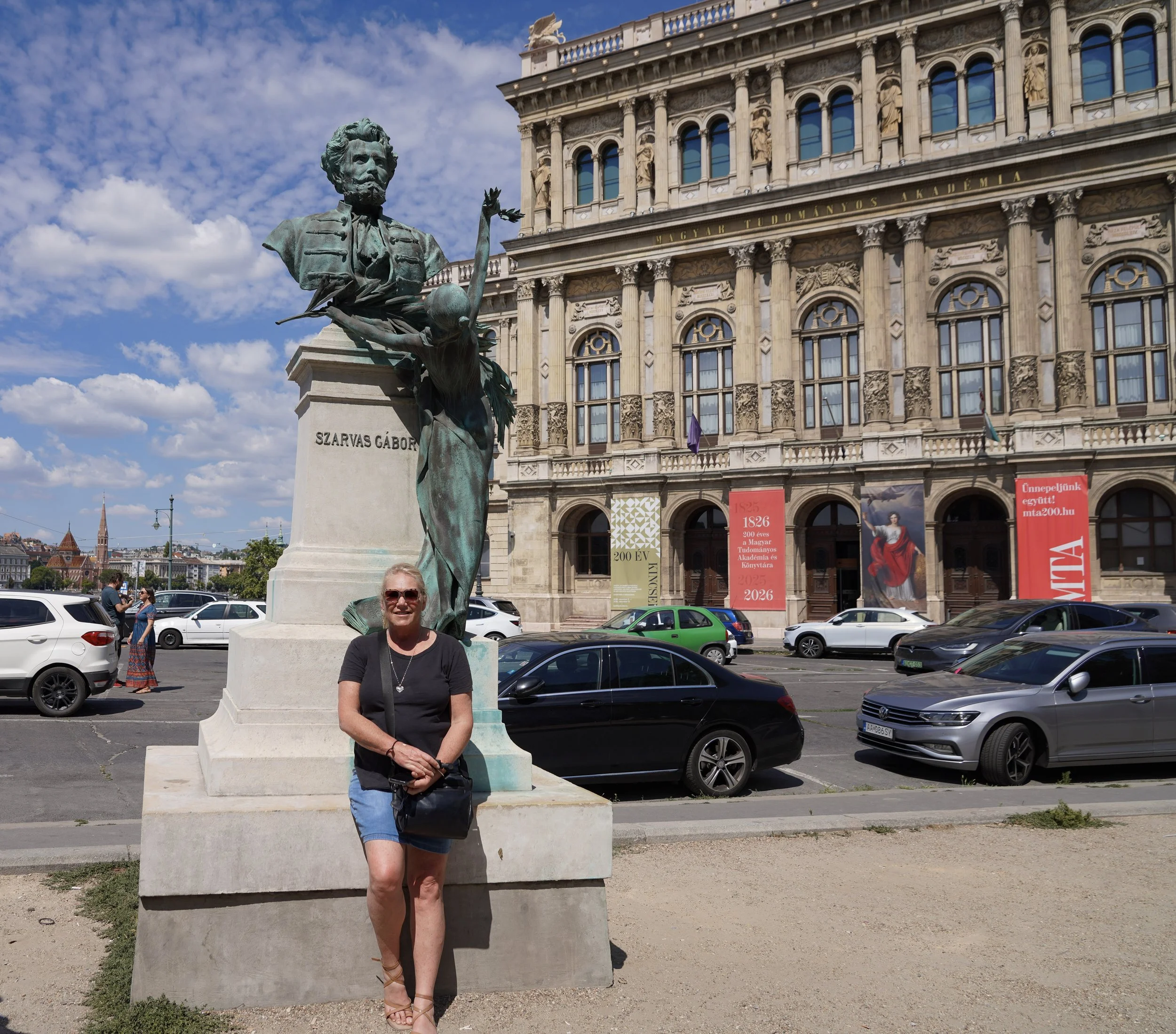
Day two was when the serious sightseeing began. We jumped into an Uber and headed into the city centre, wandering through streets, laneways and squares and occasionally stopping to look at something interesting. Or, more accurately, looking at something interesting and then pretending we knew where we were going.
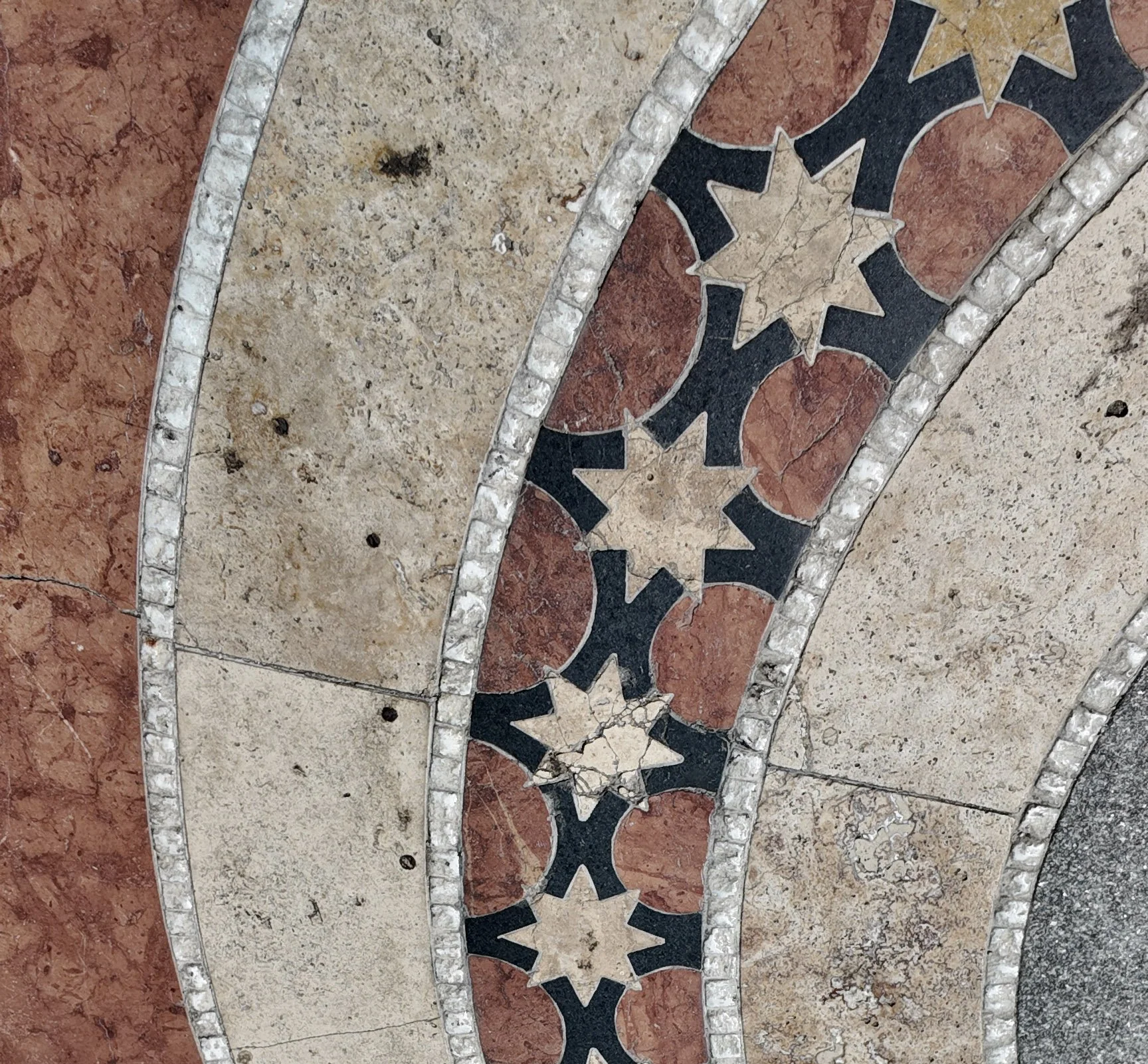
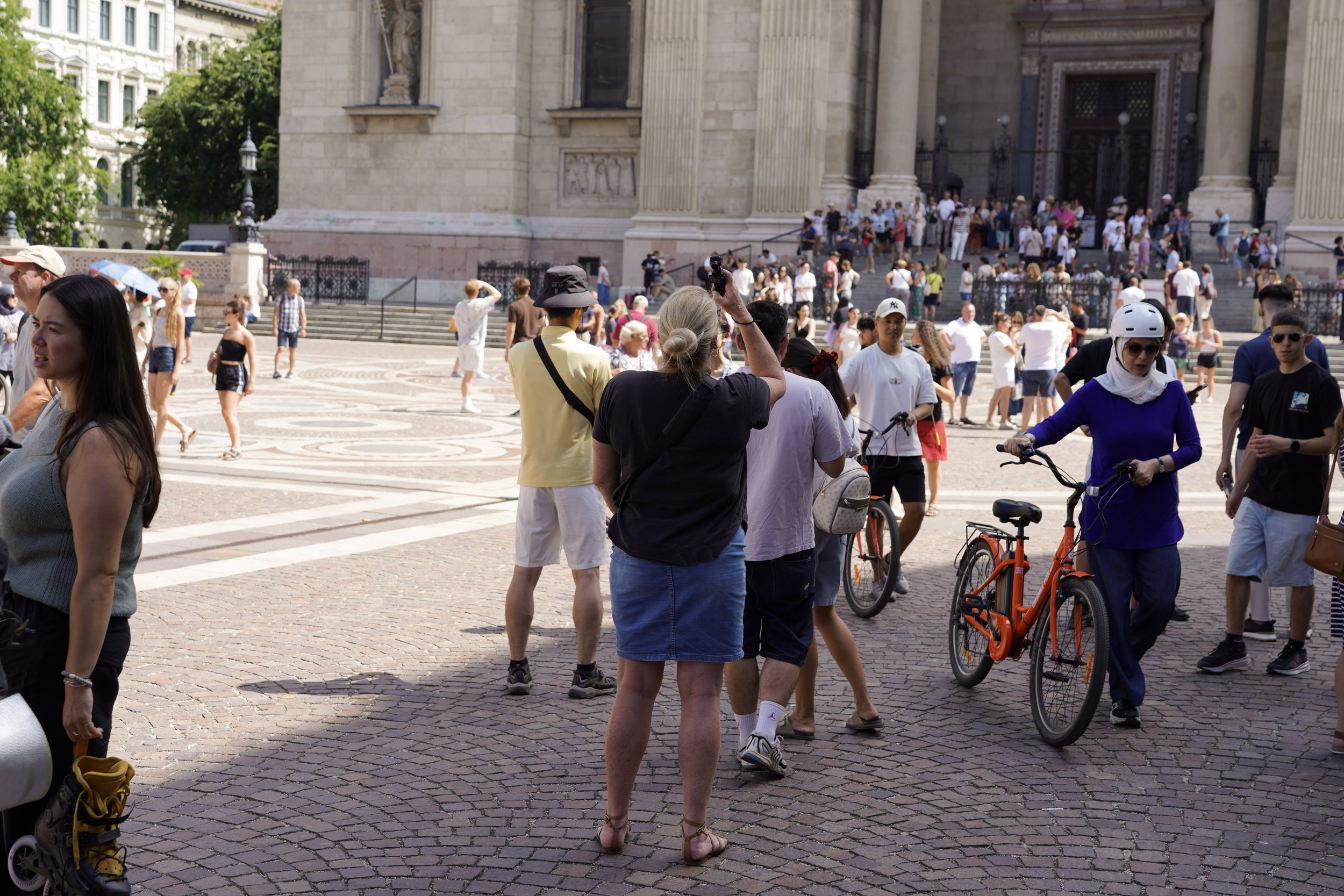
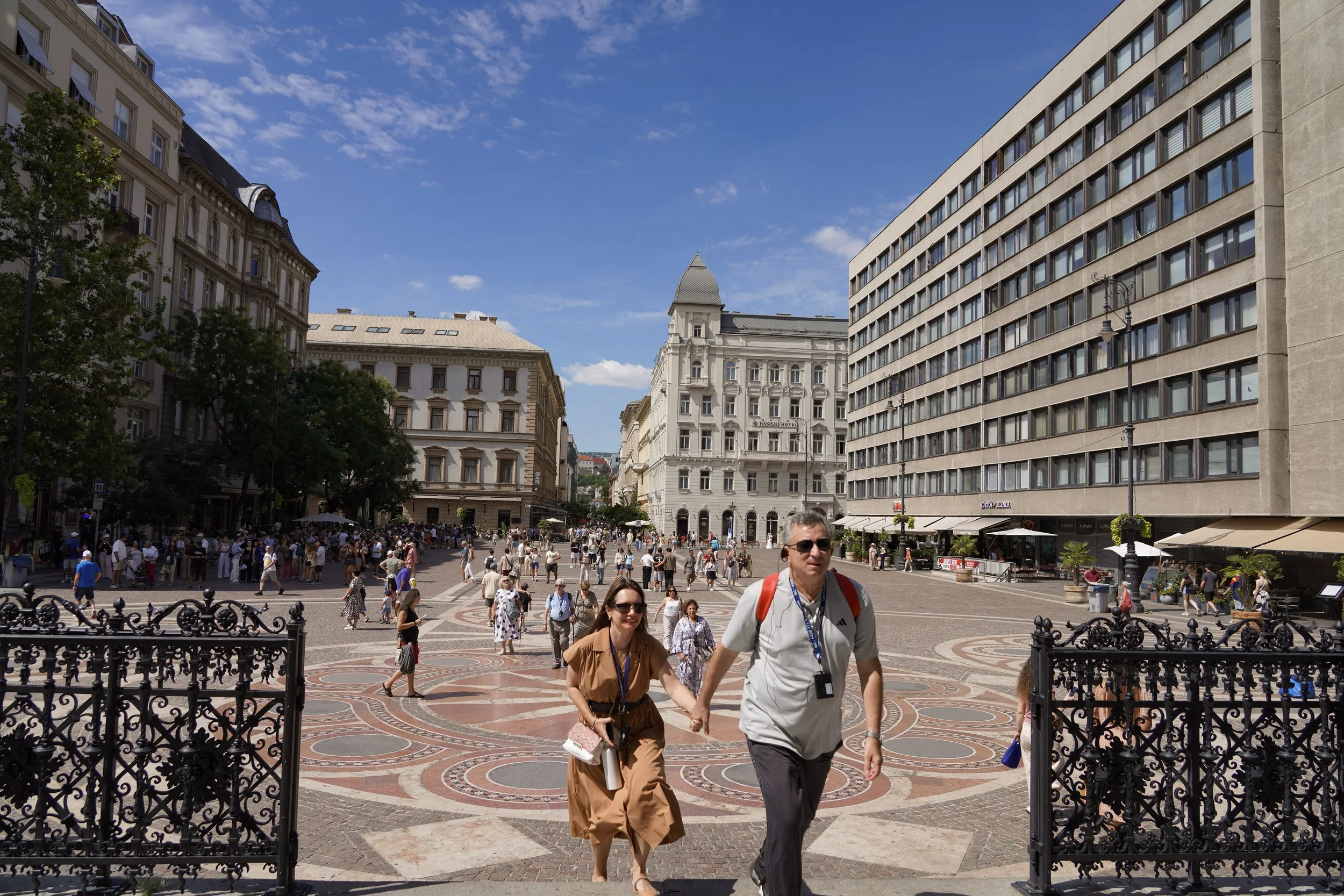
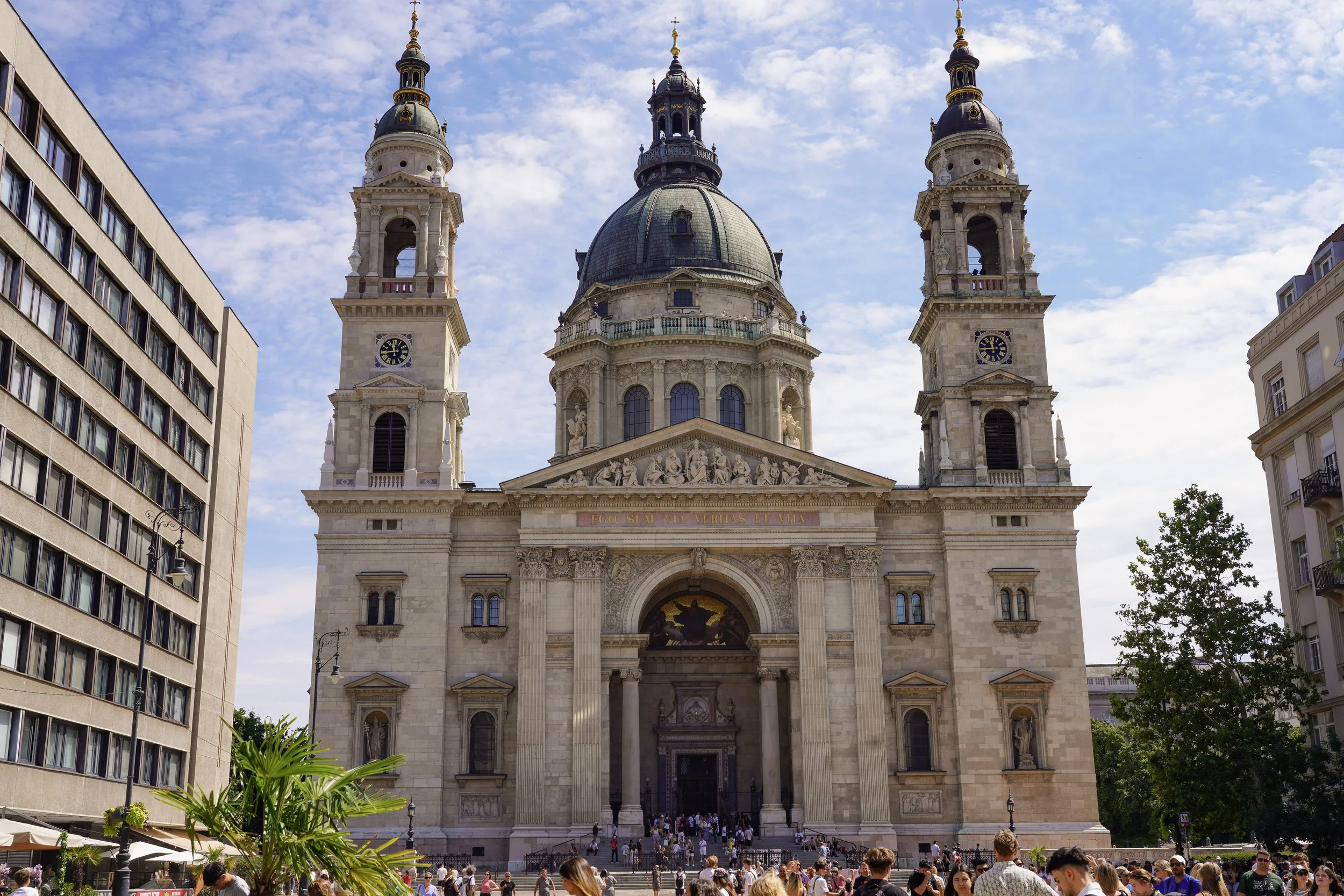
One of the highlights was St Stephen’s Basilica in District V. Named after Hungary’s first king, St Stephen, the enormous basilica dominates the surrounding square, its massive dome rising above the rooftops.
The square itself was lovely — pedestrianised, lined with cafés and restaurants and buzzing with people enjoying the sunshine.
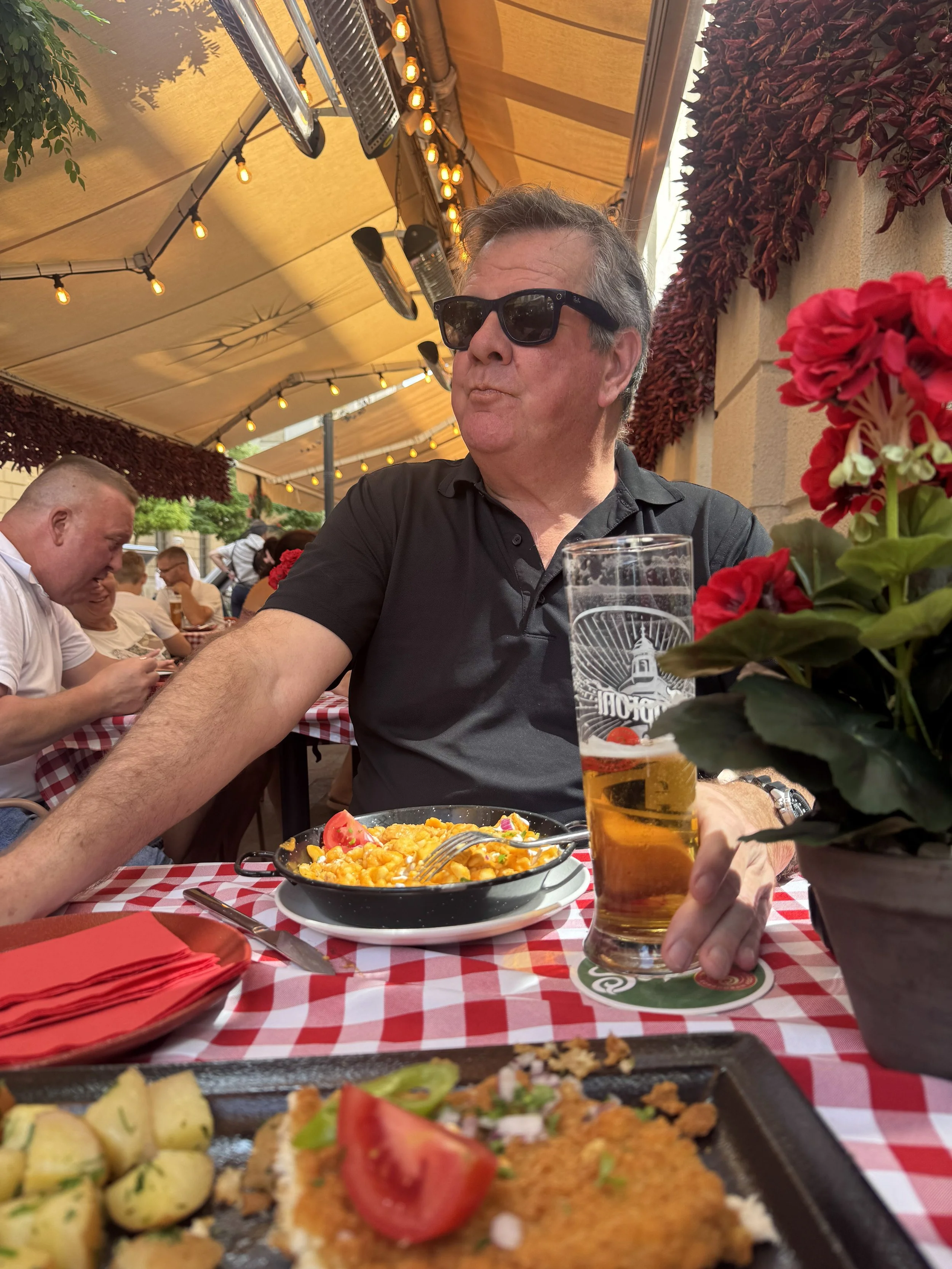
Naturally, all this culture was exhausting, so we did what any serious travellers would do - Stopped for goulash and a couple of icy cold Hungarian beers.
After lunch we wandered around a little longer before heading back to the hotel for a quick freshen-up. There wasn’t much time for a nap because that evening we had a sunset cruise along the Danube to get to
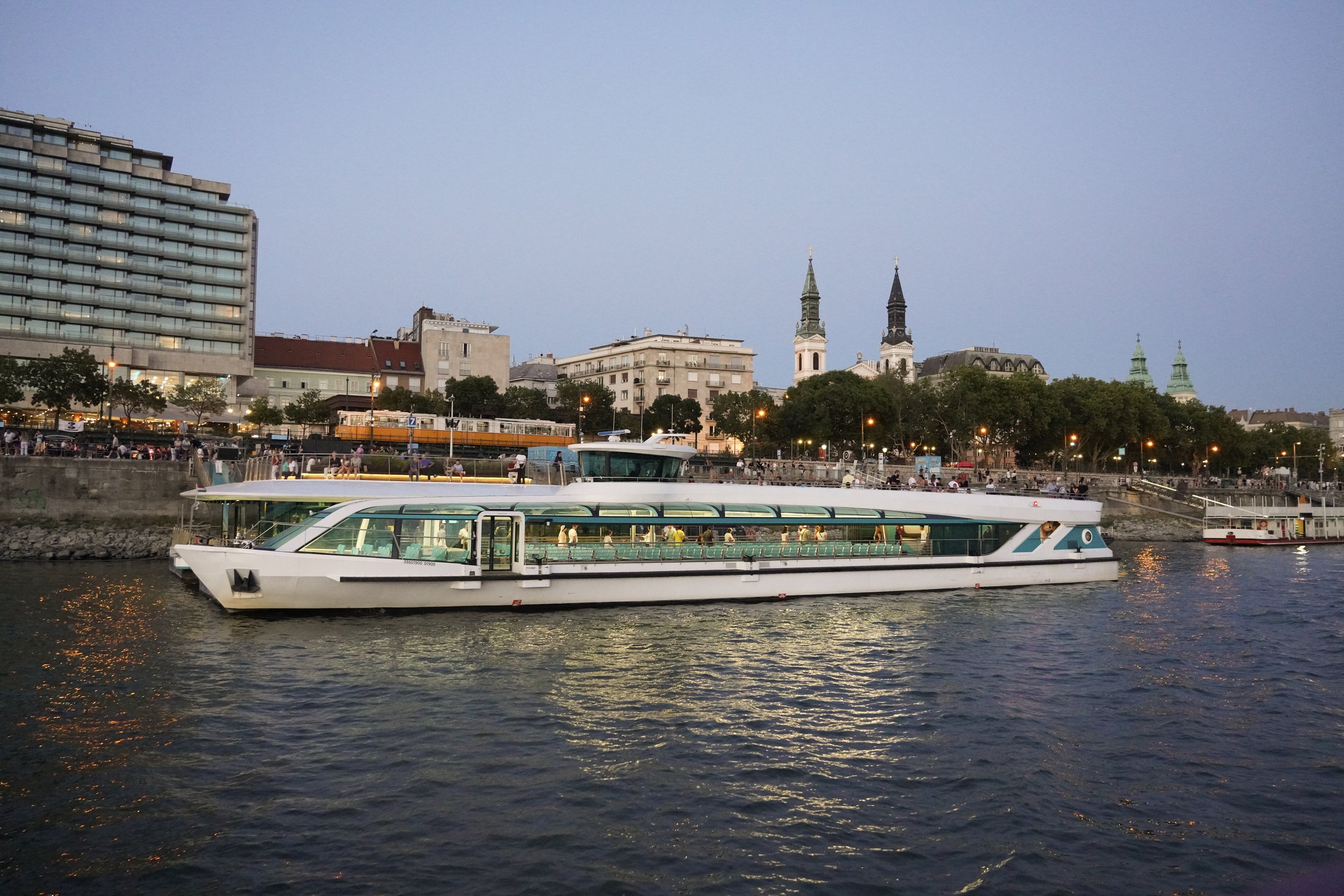
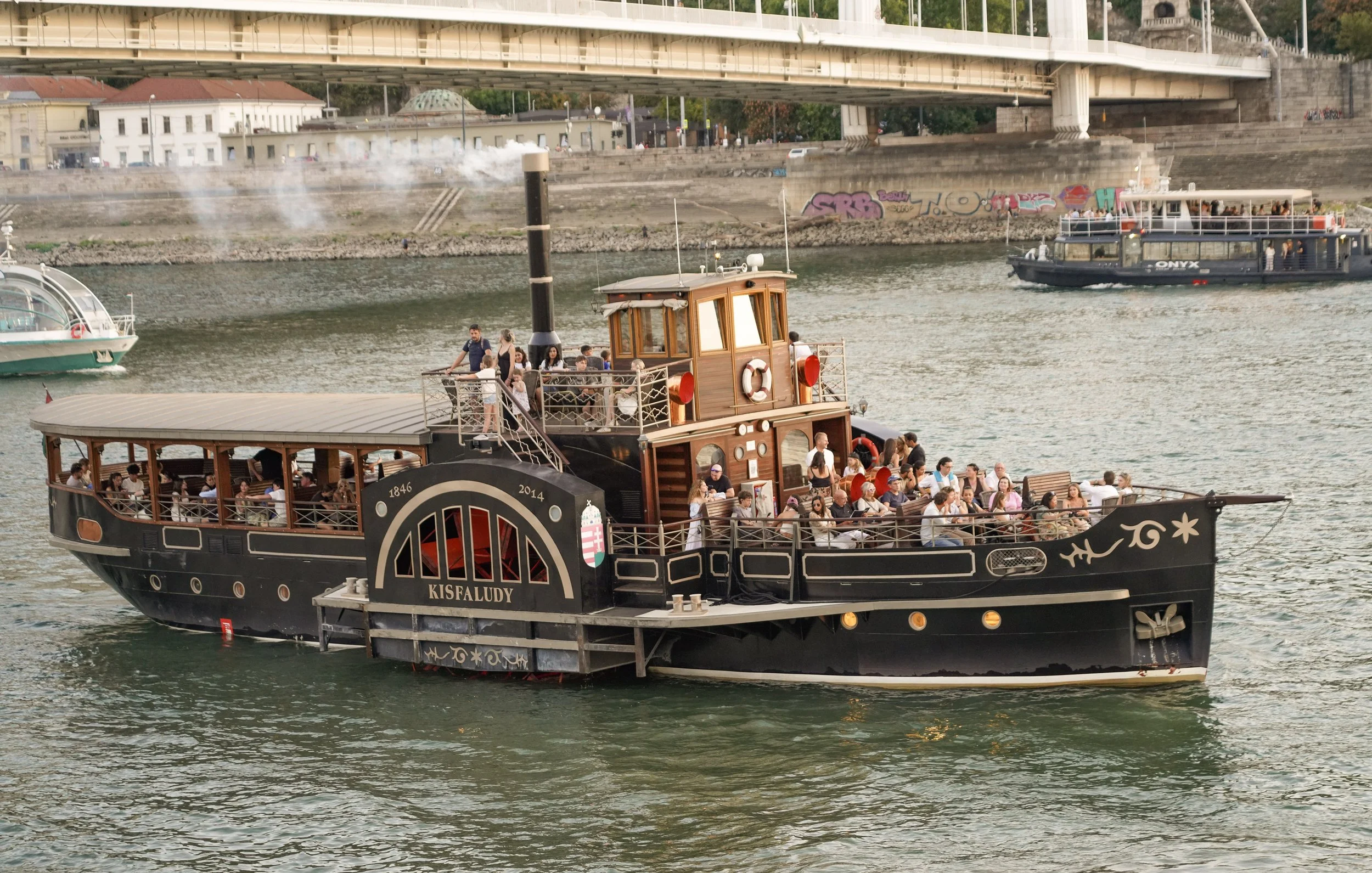
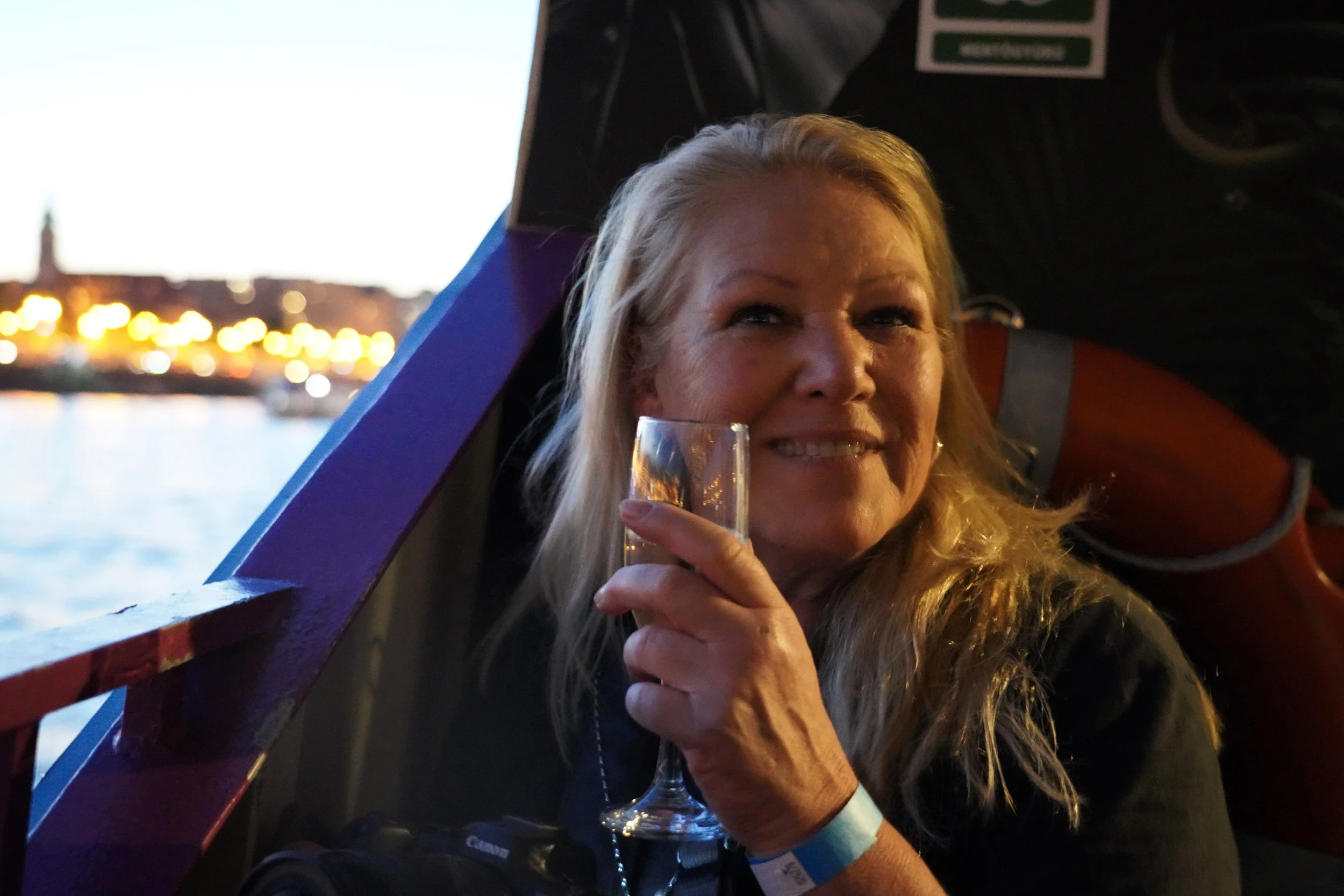
And this was no ordinary sightseeing cruise. There was an open deck, spectacular views, a climate-controlled interior and, most importantly, unlimited Prosecco.
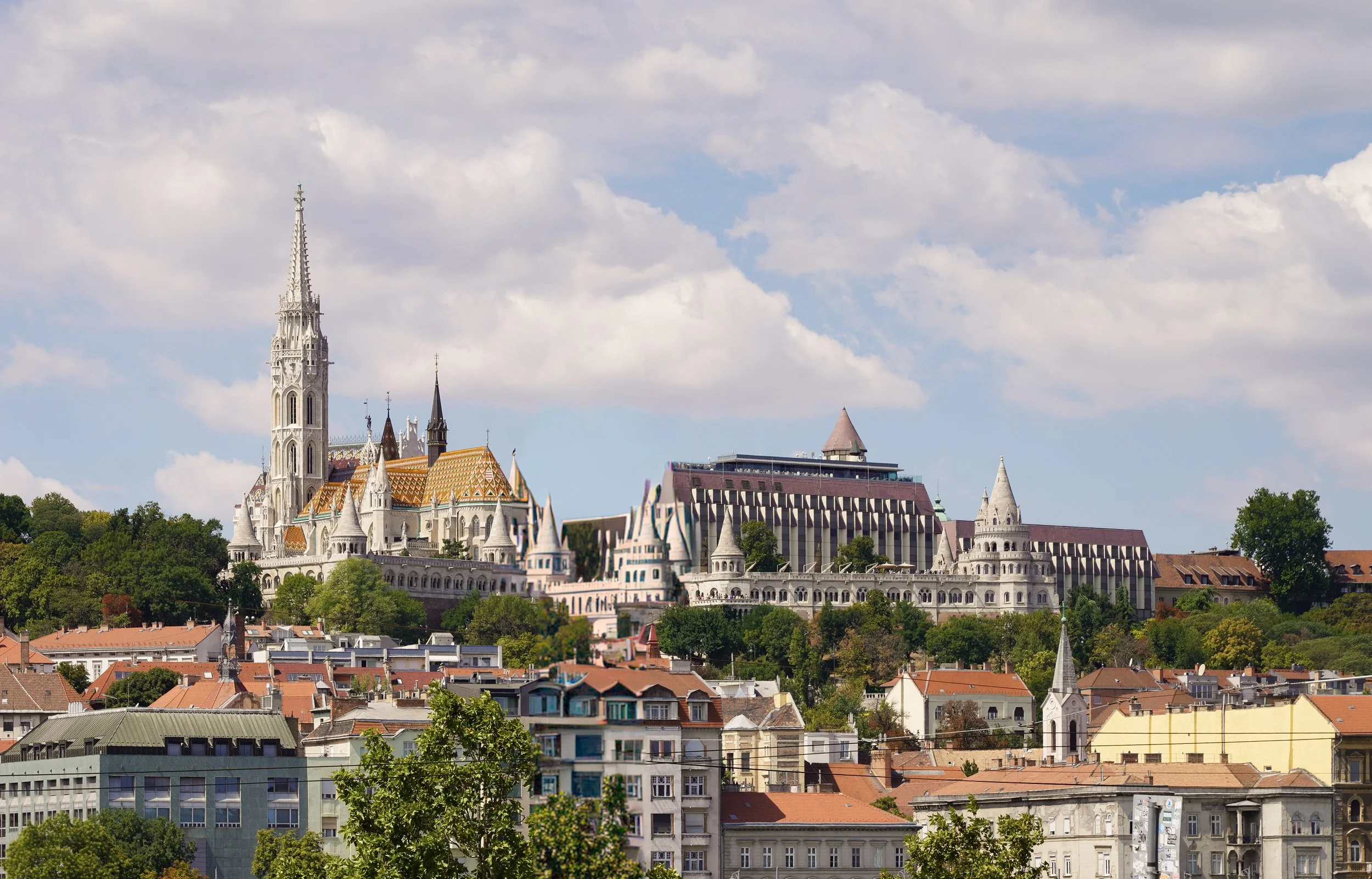
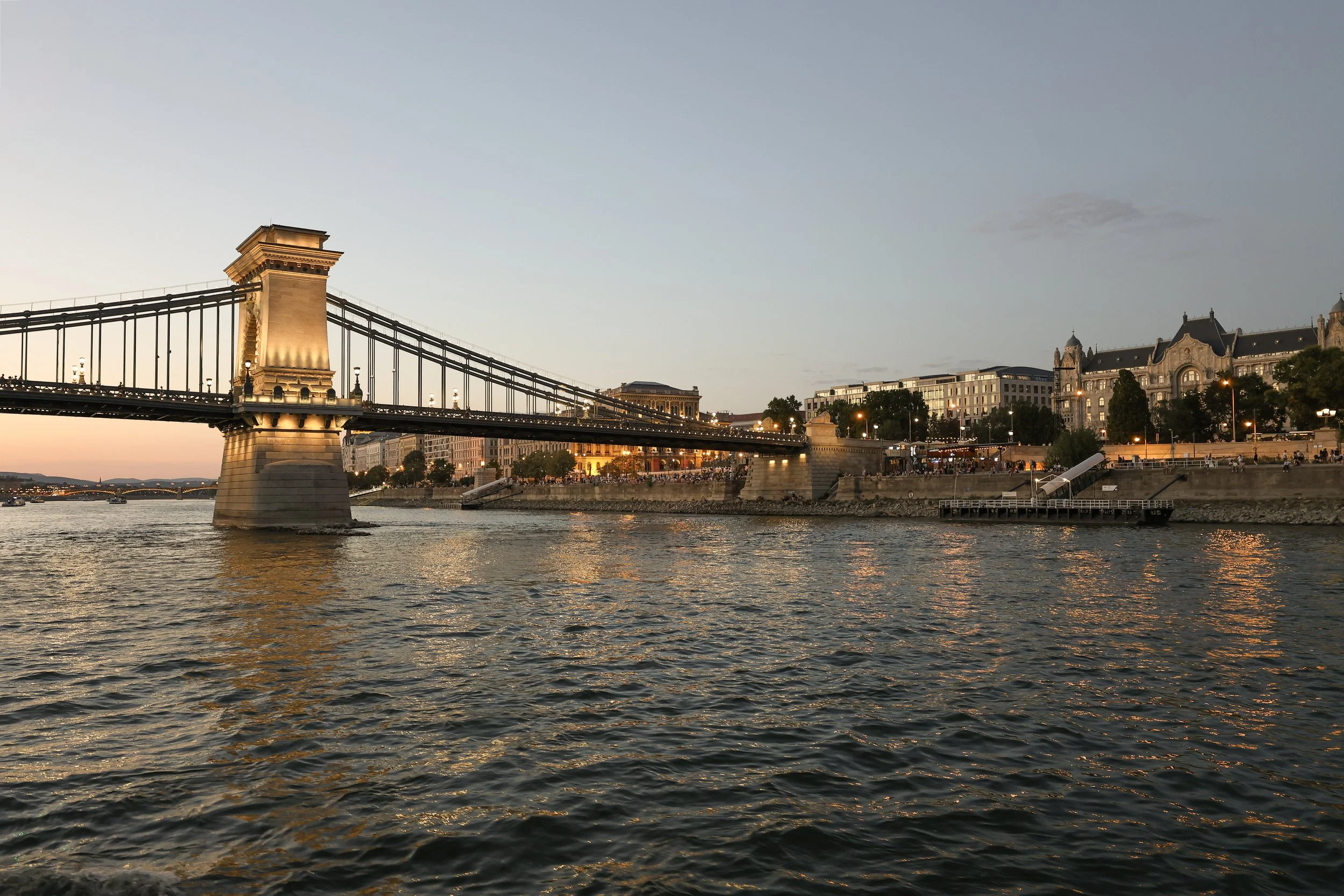
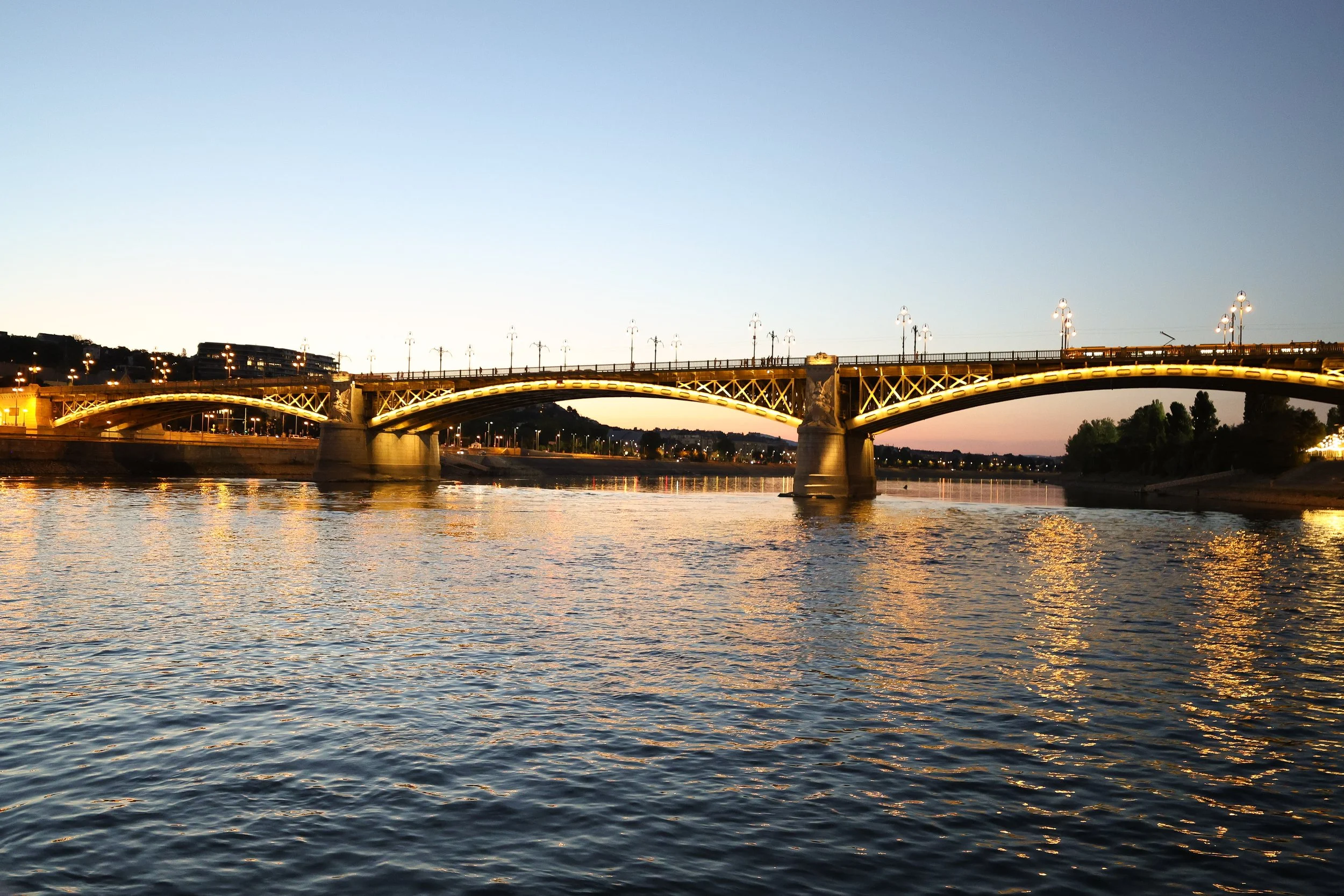
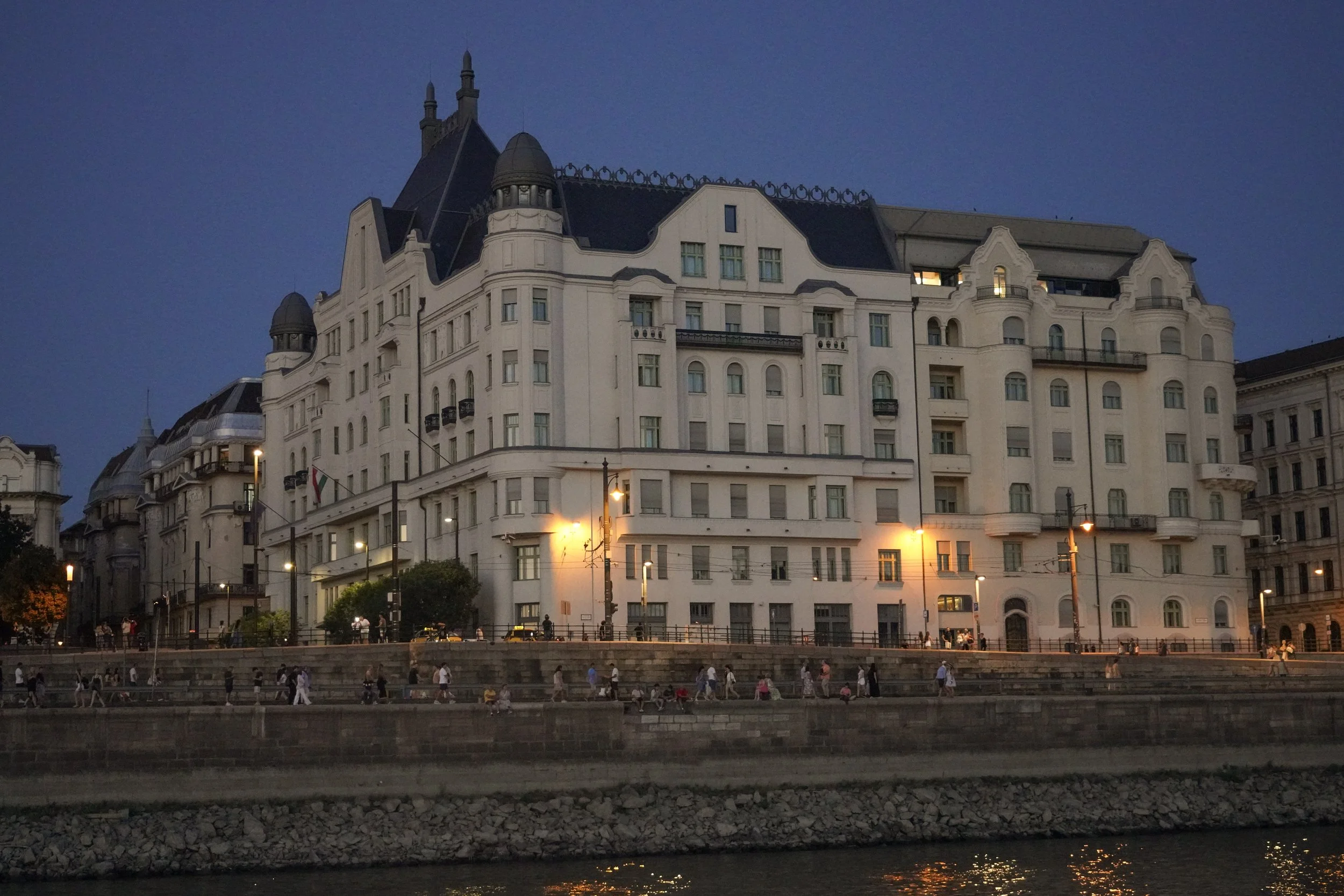
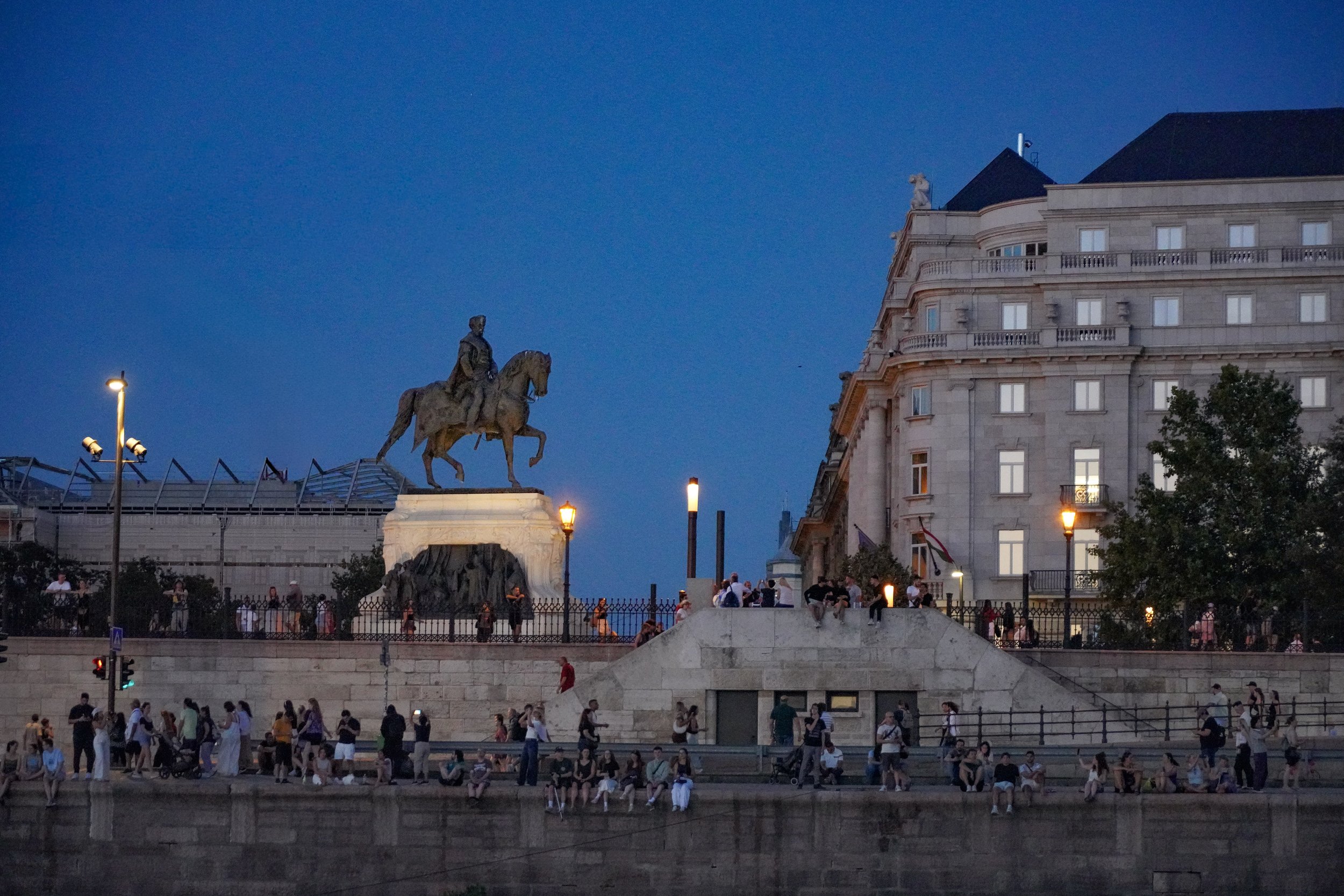
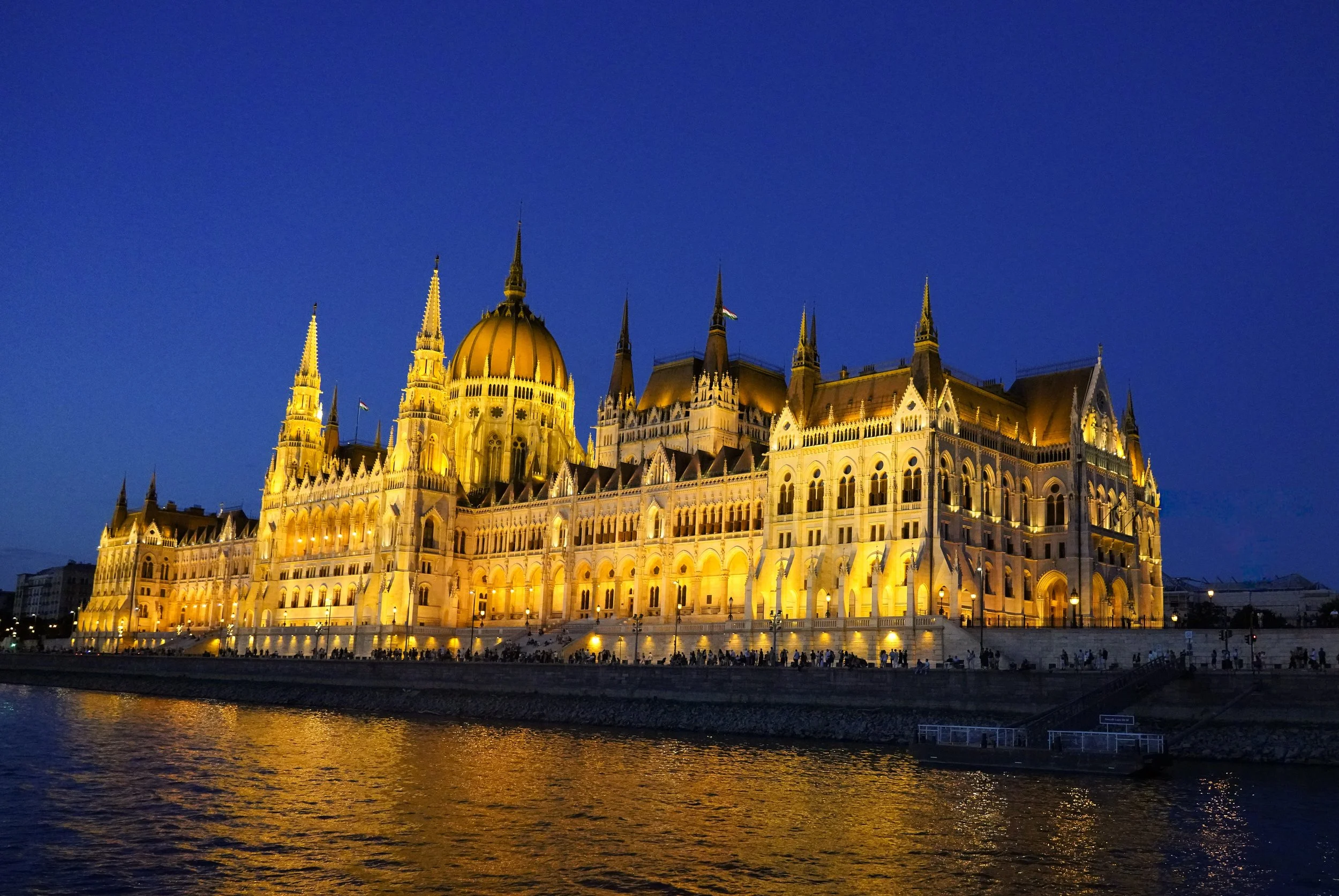
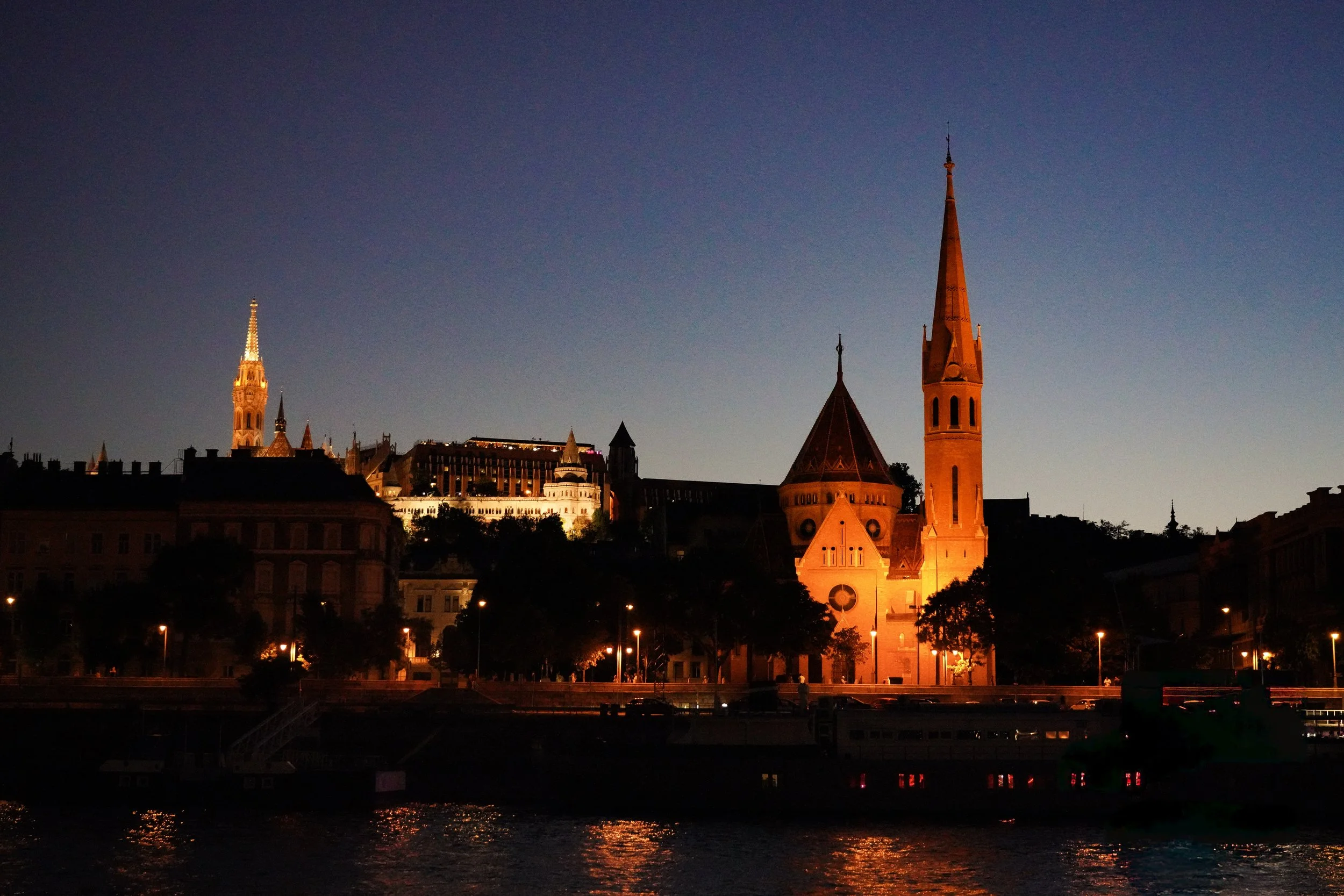
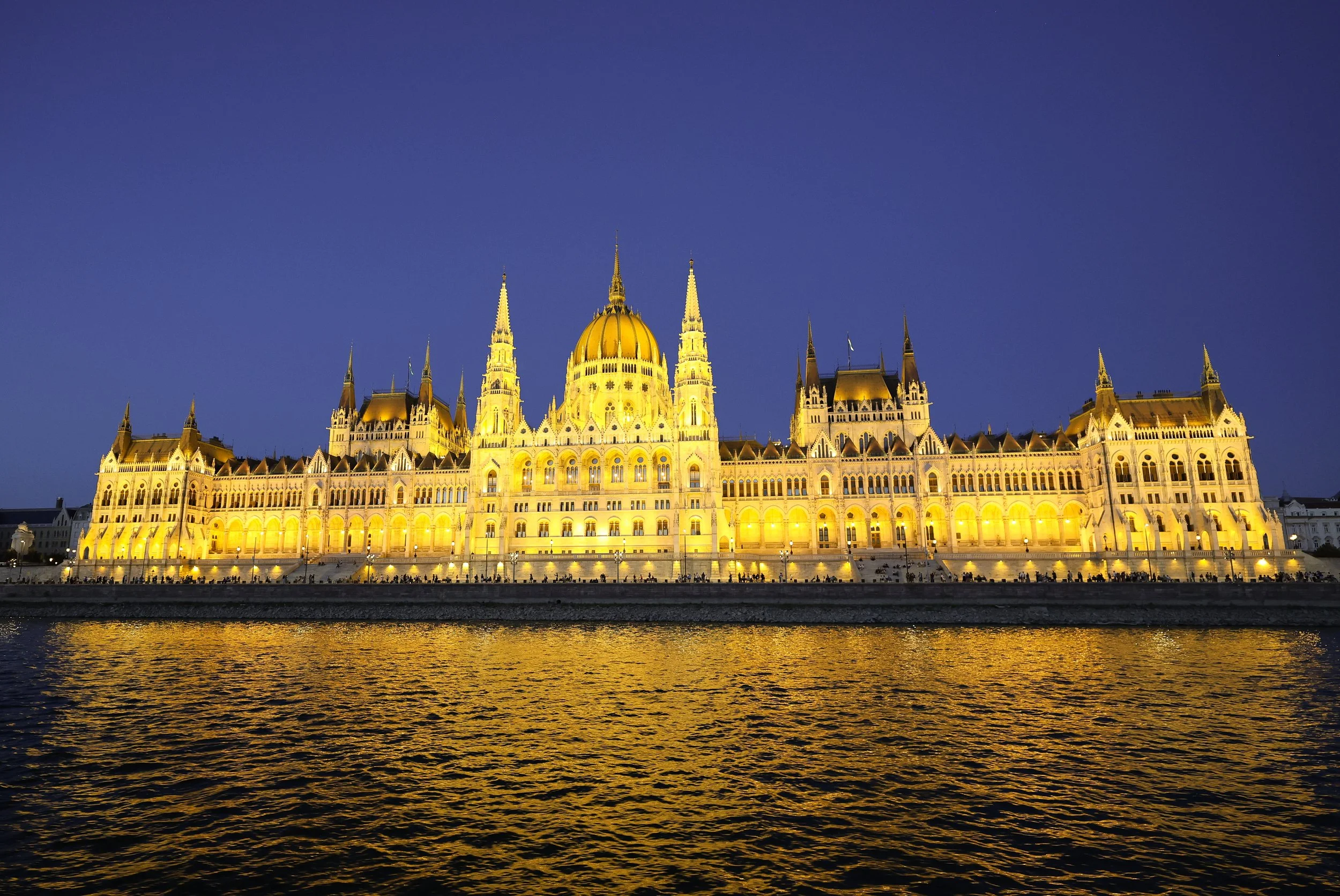
As the boat slipped along the Danube, Budapest began to look completely different. The buildings were beautifully illuminated as daylight faded, their lights shimmering across the river. On the Buda side the boat passed Buda Castle and Fisherman’s Bastion, while across the river the Hungarian Parliament Building dominated the skyline. Further along came the National Theatre, Palace of Arts and Margaret Island.
It was spectacular, and yes, the Prosecco really was unlimited. Unfortunately, there was a catch. Hungarian Prosecco has now been firmly placed towards the bottom of my list of things Lyndall would willingly consume again. The views, however, are firmly at the other end.
Cruising slowly along the Danube as Budapest lit up around us was one of those travel moments when you eventually stop taking photographs and simply stand there looking. We had barely scratched the surface of the city, but it was already obvious that Budapest deserved considerably more time than had been allowed. Our whistle-stop visit was over.
We returned to the hotel, packed our bags and set the alarm for a thoroughly unreasonable hour. Next stop: Amsterdam.