Cagliari
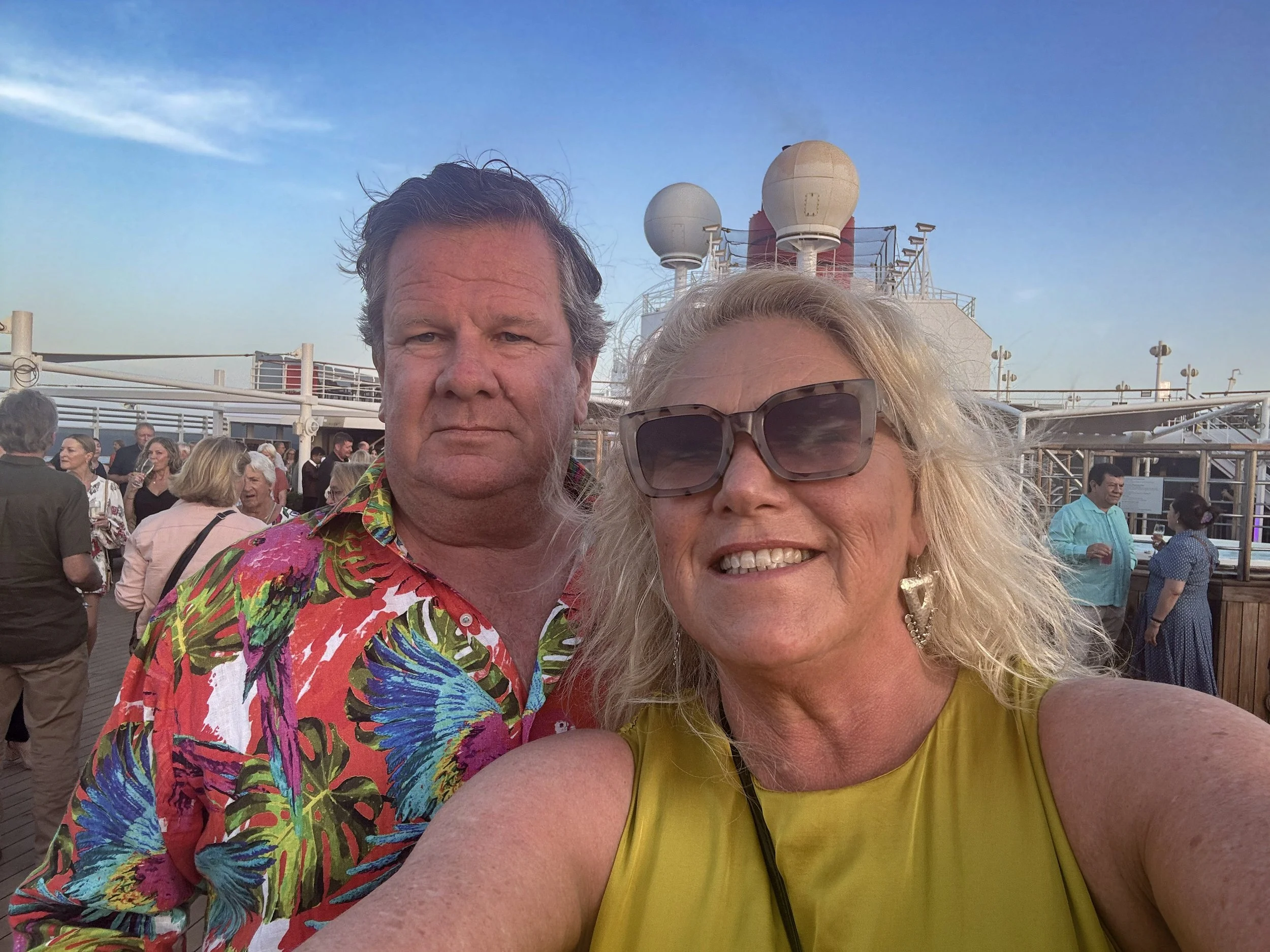
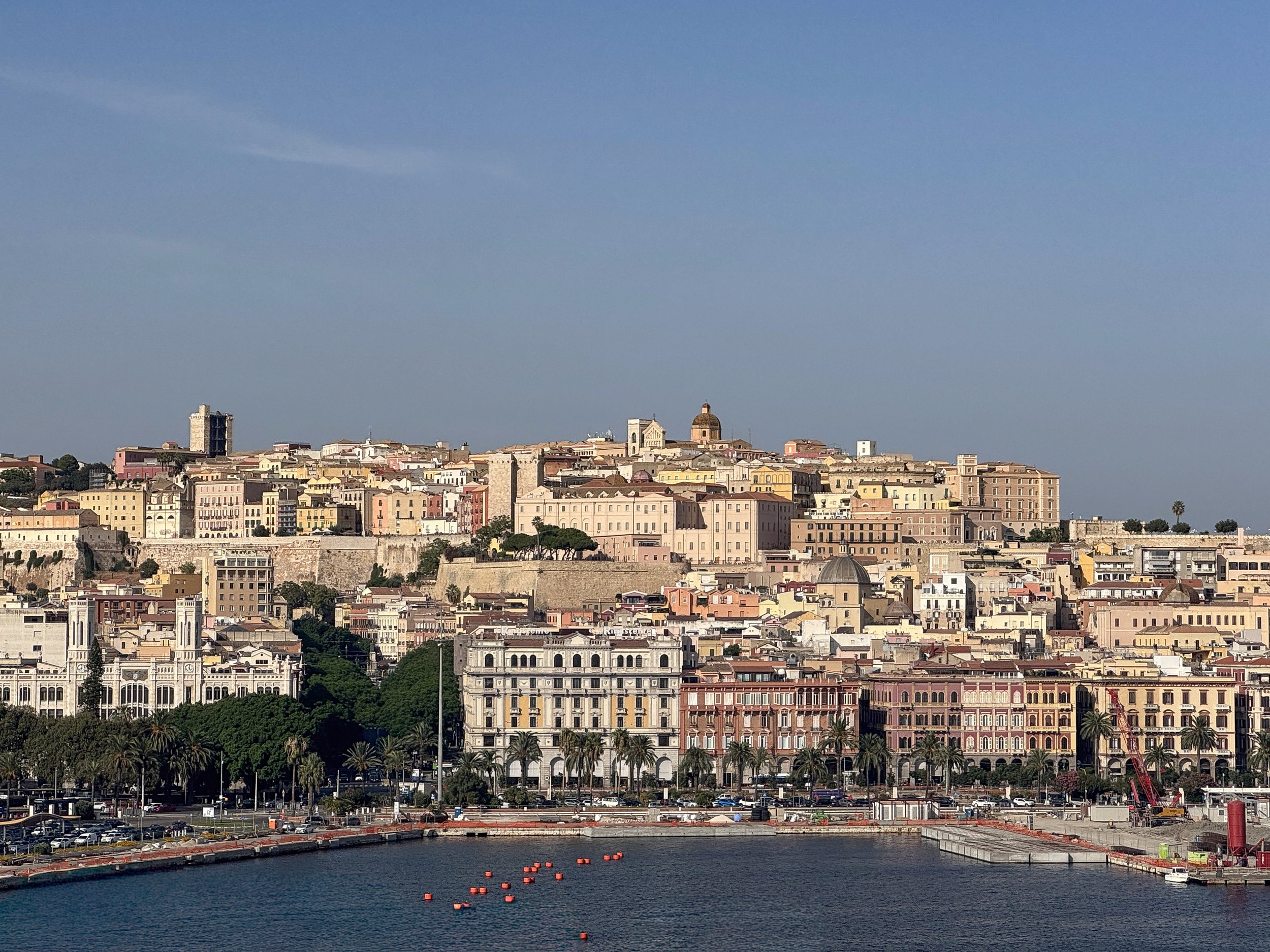
After a marvelous day of snoozing, jumping in the pool, grabbing a cocktail, and having another snooze—yes, cruising is a tough gig—we woke up in Cagliari. Welcome to our first Italian port! Cagliari is the vibrant, historic capital of Sardinia, dramatically set on the Gulf of Angels. Humans have been lounging here for over 5,000 years, leaving behind Phoenician ruins, a massive Roman amphitheatre, and the medieval Castello quarter perched high on a hilltop like a stone crown.
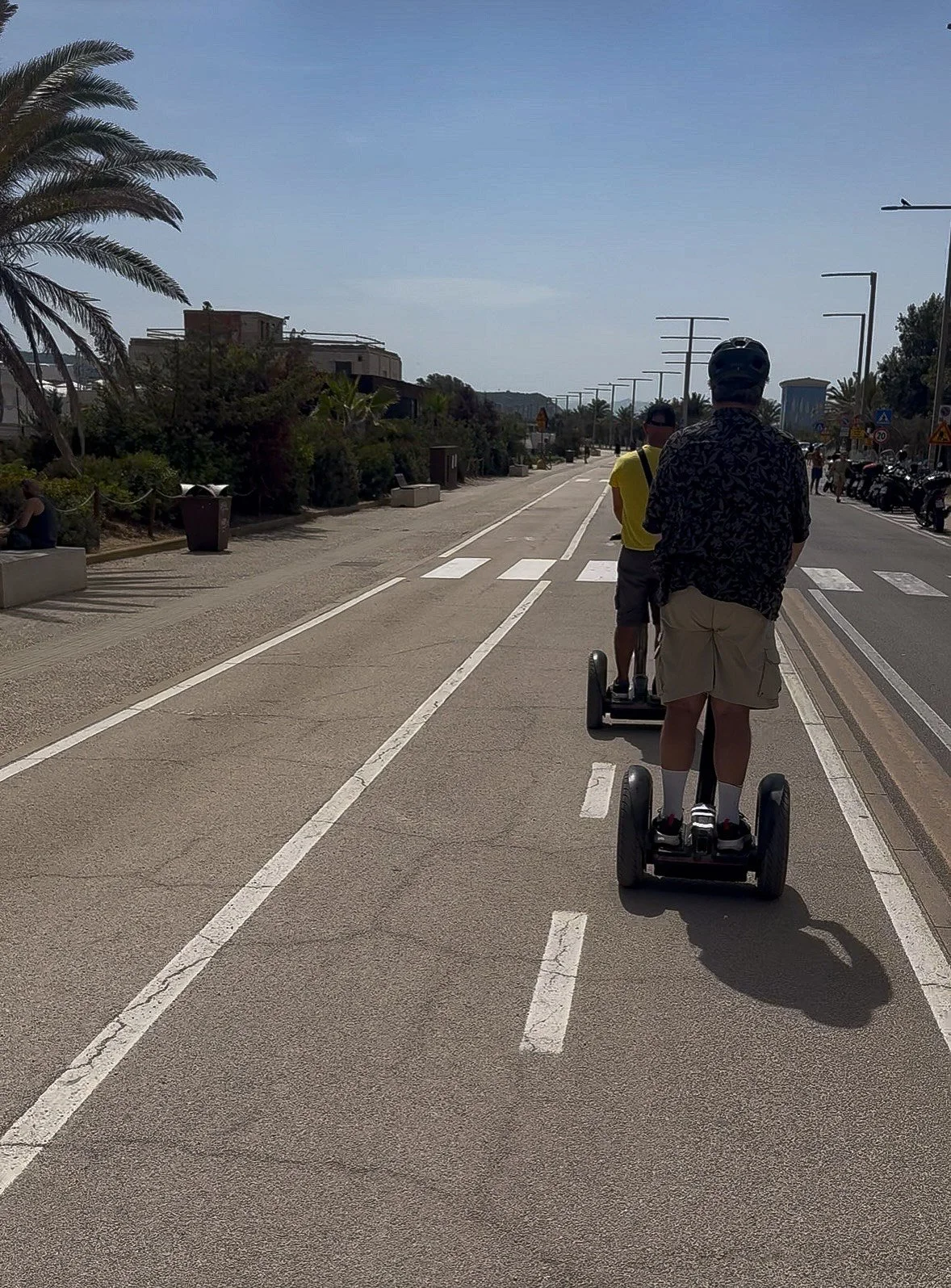
In a desperate effort not to get entirely drowned by ancient ruins, we decided to mix things up. Our game plan? A casual stroll through town, a crisp Sardinian beer, and a Segway ride out to the Molentargius-Saline Regional Park to see the famous pink flamingos.
It was an adventure, to say the least, and far more surprising than we anticipated. To be fair, the long ride out through the concrete suburbs and bleak industrial zones was less than thrilling. We were starting to wonder if we’d signed up to tour a sewage plant. But then, the scenery suddenly gave way to a stunning, protected 1,600-hectare wetland cradled between Cagliari, Quartu Sant'Elena, and Poetto Beach.
And there they were: flamingos wading peacefully right next to the ancient Roman Salt Pans. It turns out, extracting salt in these
lagoons is a millennia-old hustle. The Phoenicians and Punics started it, but the Romans turned it into a massive economic engine. Written records confirm they had active, industrial-scale salt production here by 150 BC. To the Roman Empire, this place was pure white gold—essential for preserving meat and paying soldiers (which is actually where the word "salary" comes from).
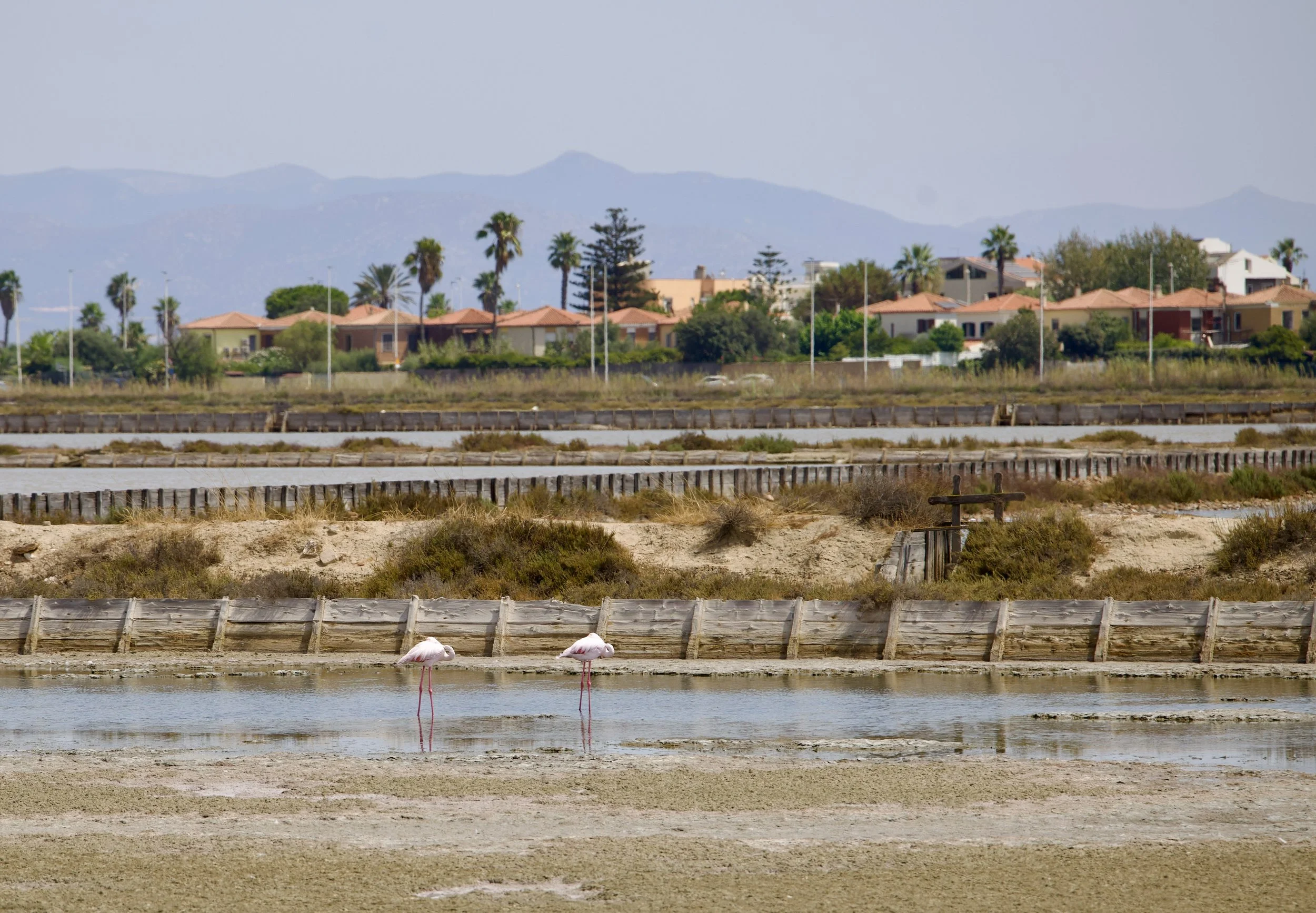
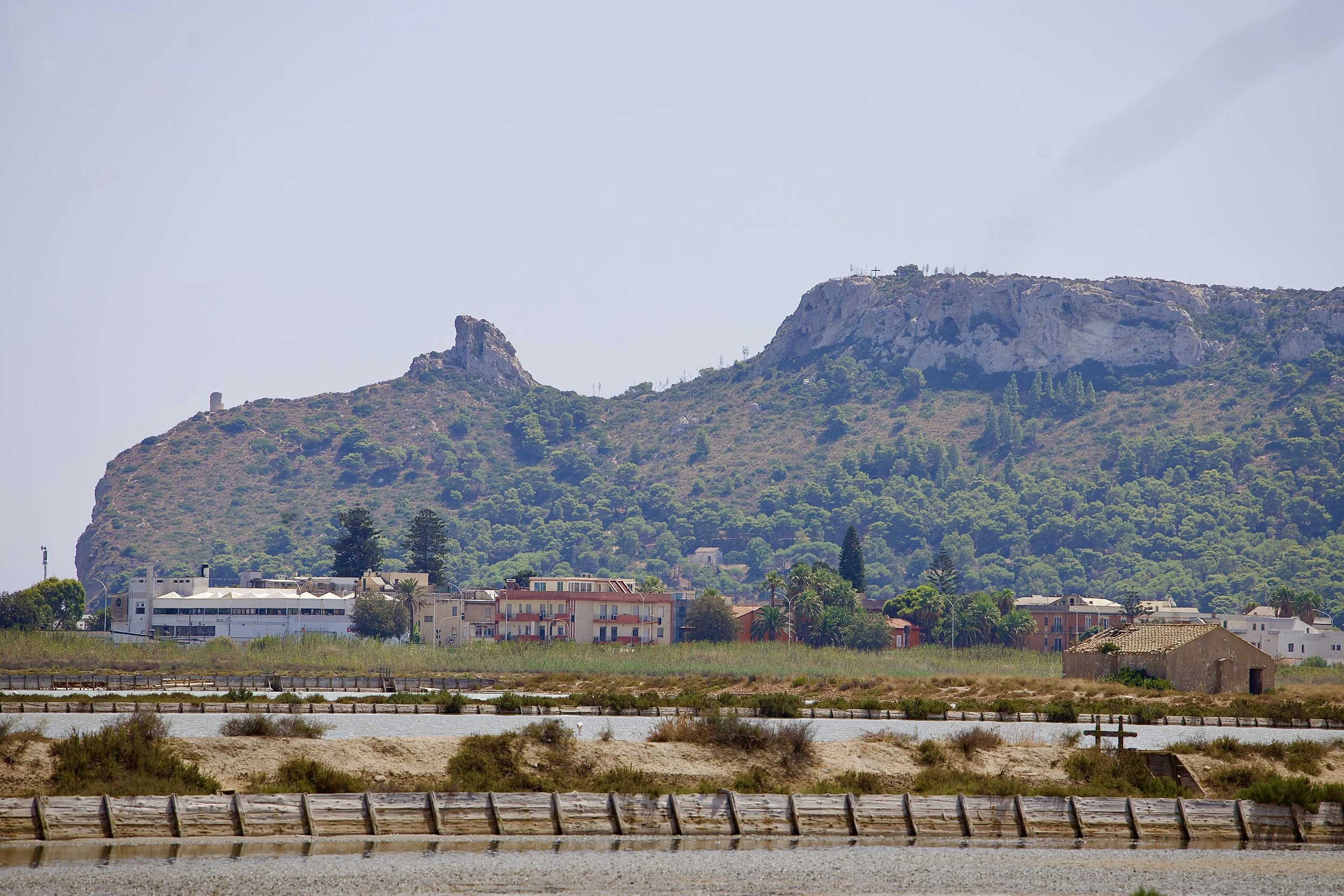
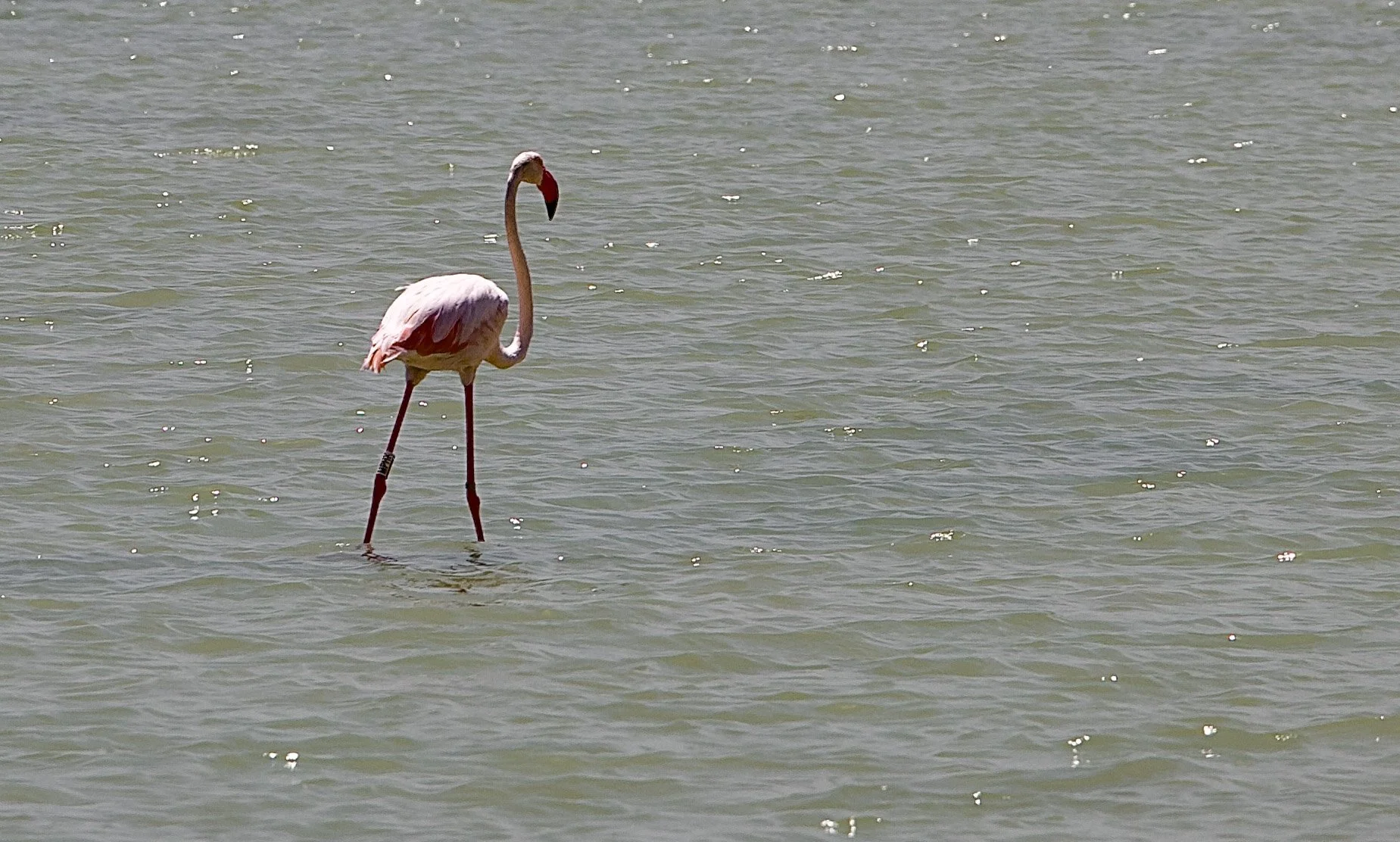
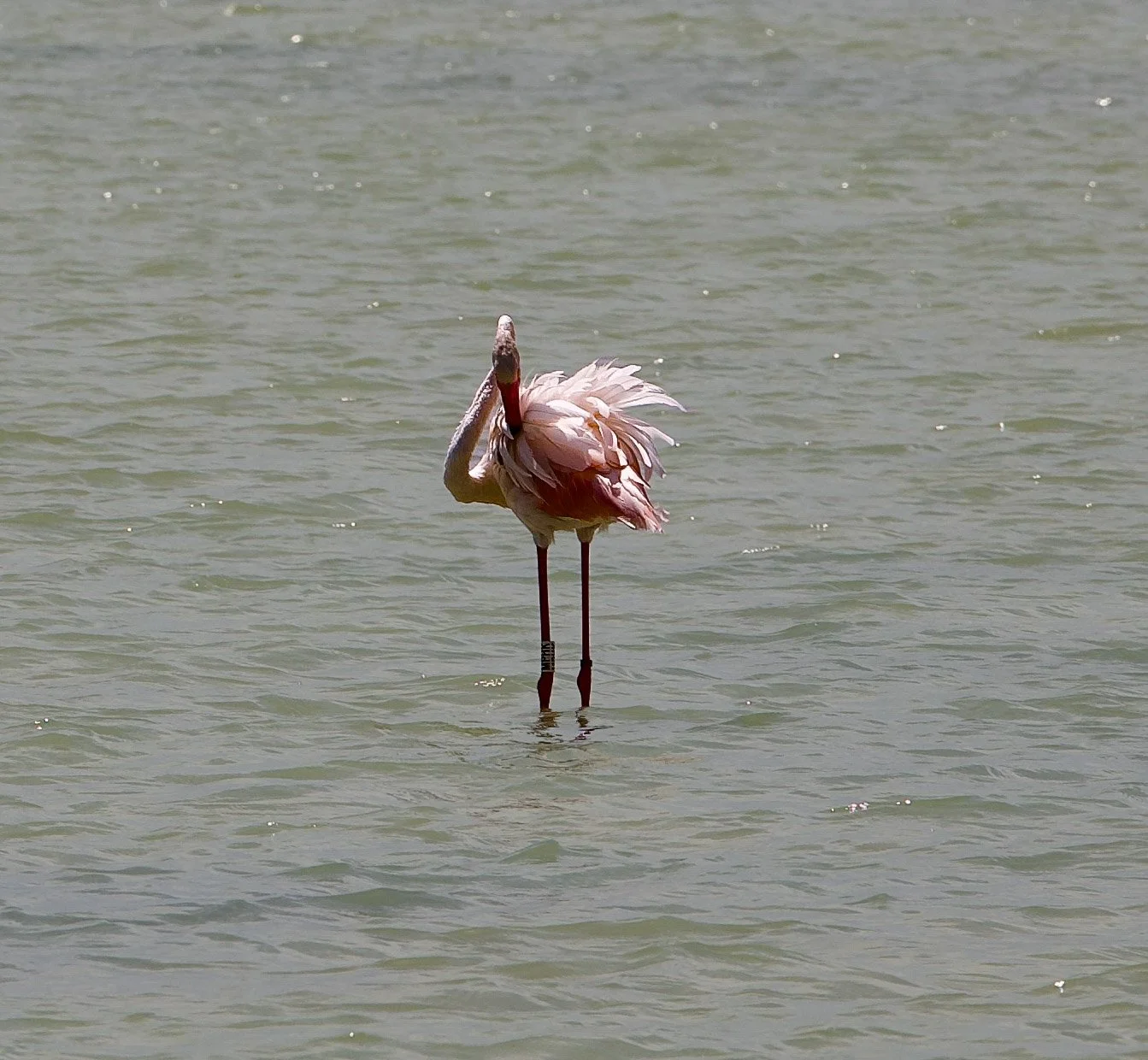
Control of these lucrative evaporation basins passed like a hot potato through various empires over the centuries, from the Pisans and the Spanish to the Piedmontese. By the 19th and 20th centuries, it grew into a full-blown "City of Salt," complete with intricate channels, roaring pumping machinery, and dedicated worker villages. Commercial extraction only wrapped up in 1985 when the area was finally handed over to the birds and turned into a nature reserve. The park's name, Molentargius, actually
comes from molenti, the Sardinian word for donkey—a nod to the stubborn four-legged workers that used to haul the salt sacks.
As for the Segway? Let’s just say it was a masterclass in core stability and frantic balancing. It was a bit challenging, but our dignity
was completely saved by a tactical pitstop along the beach front for some local Ichnusa beer, wood-fired pizza, and a glorious blast of air conditioning.
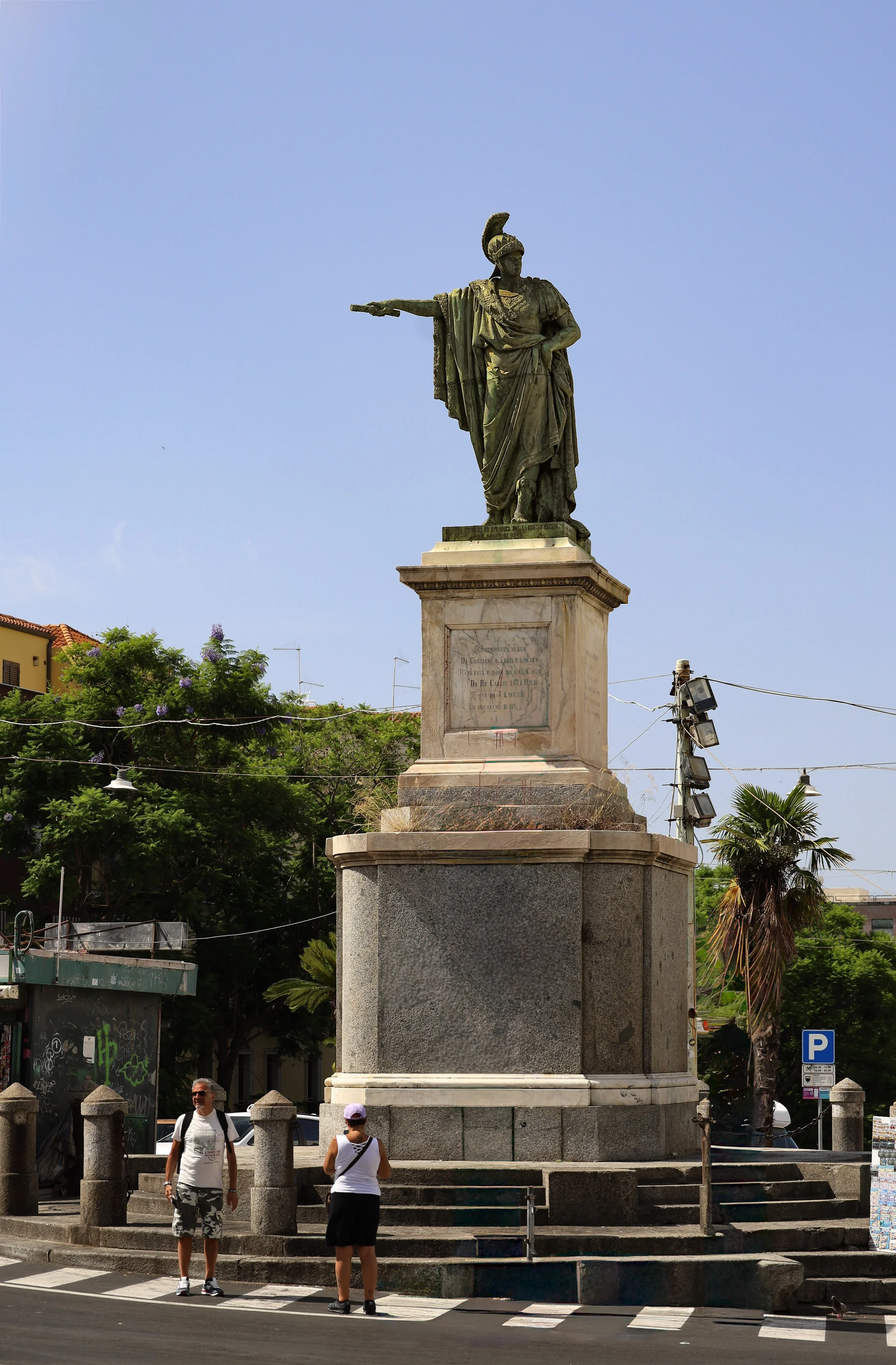
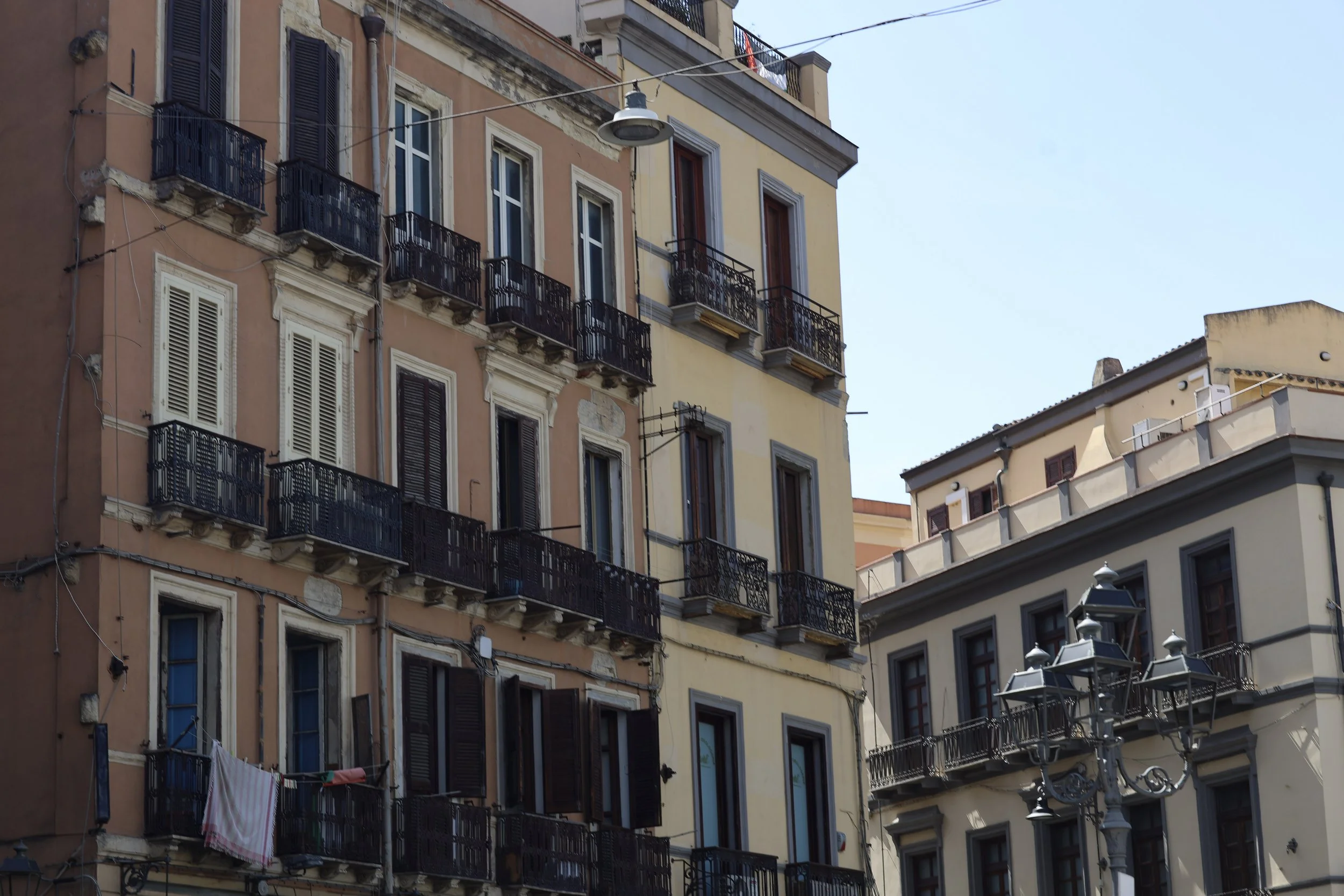
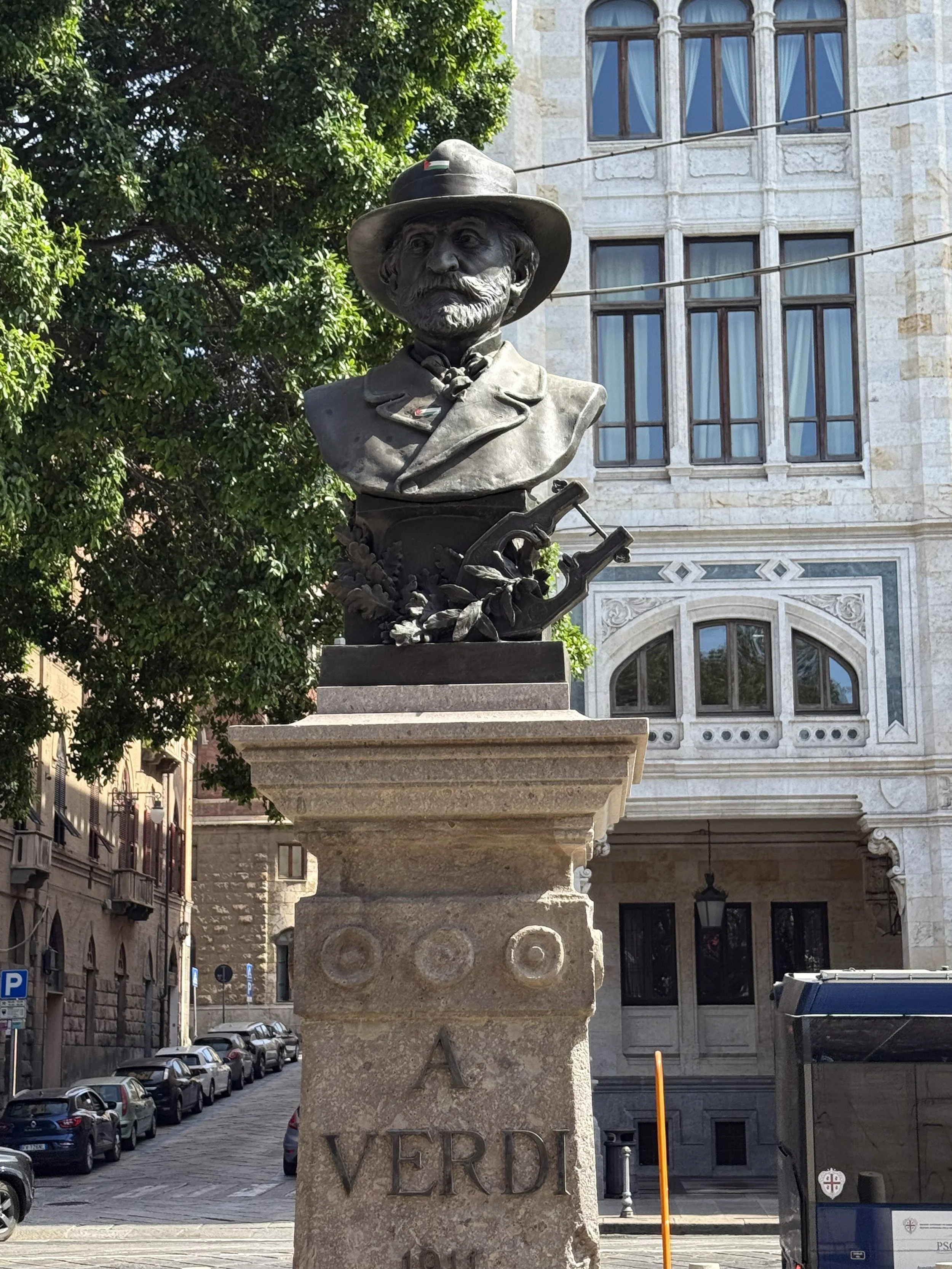
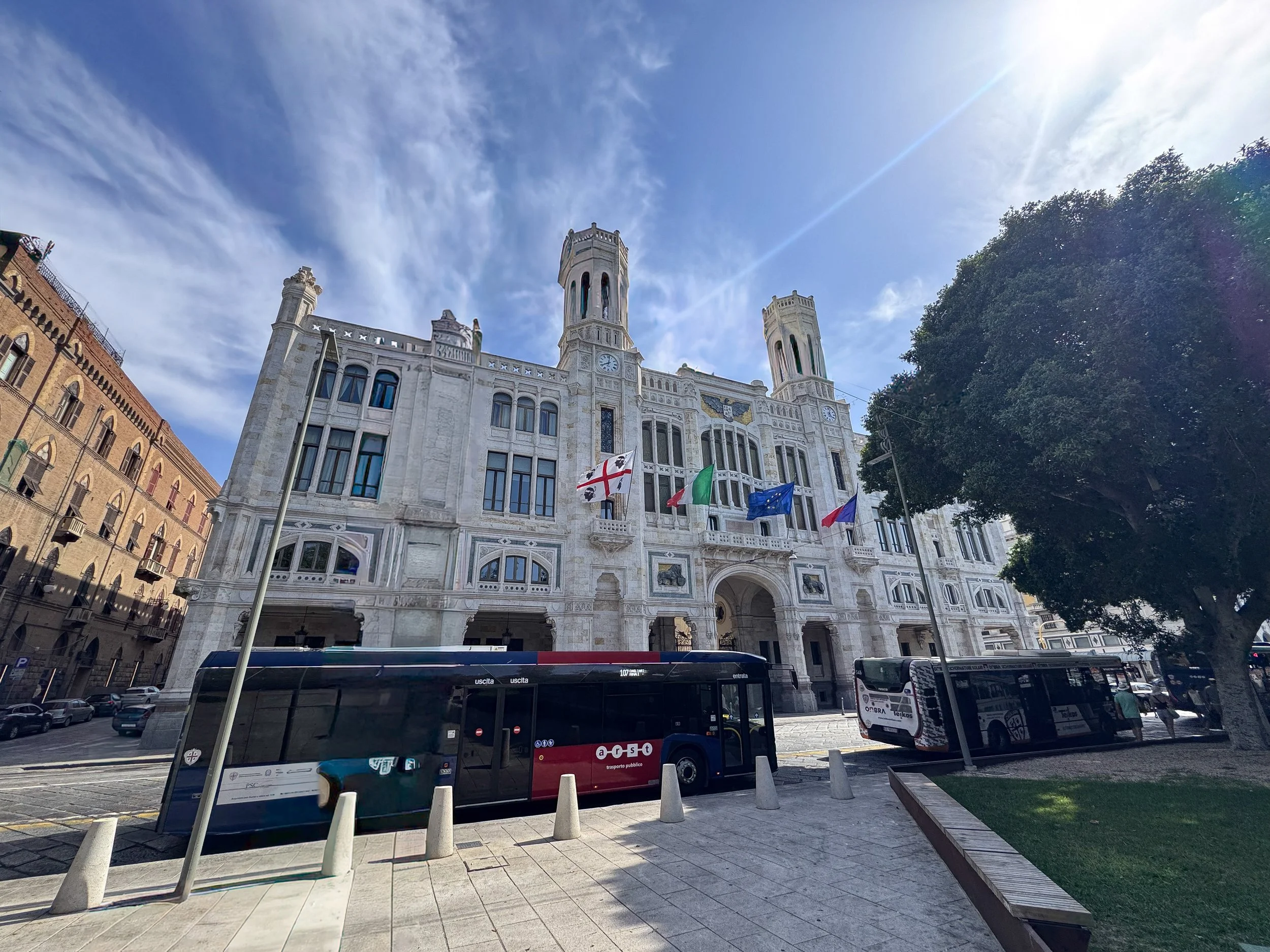
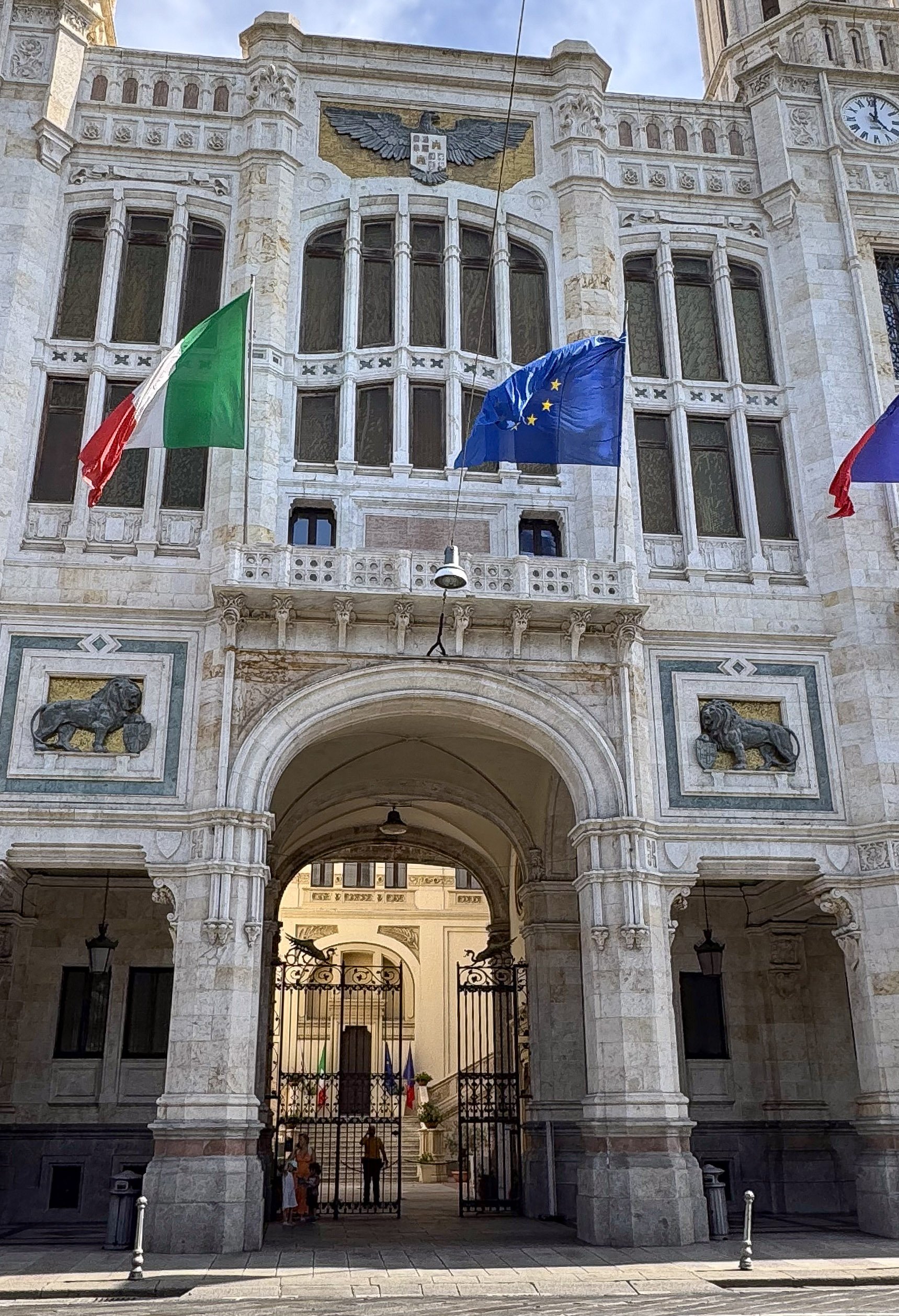
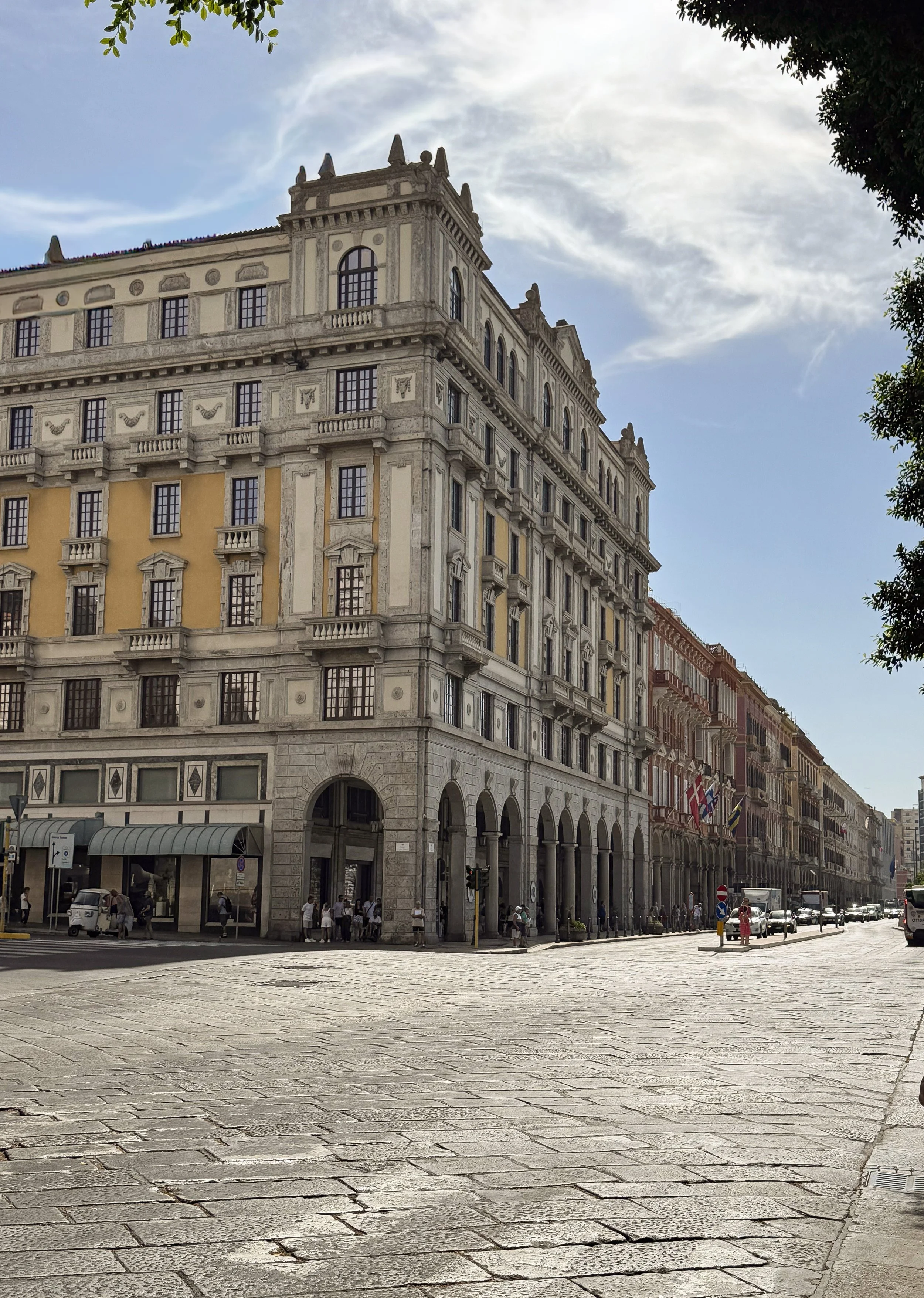
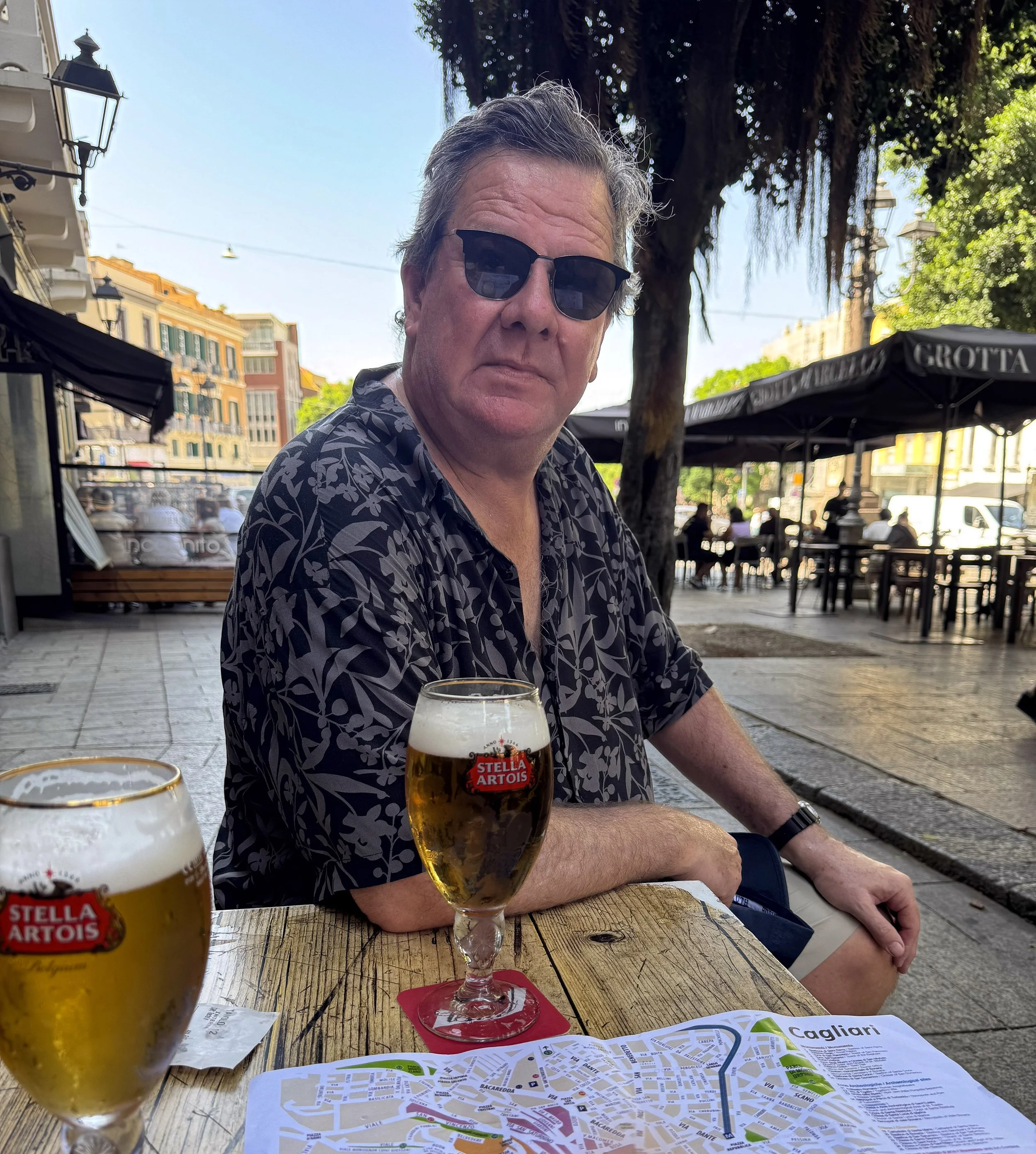
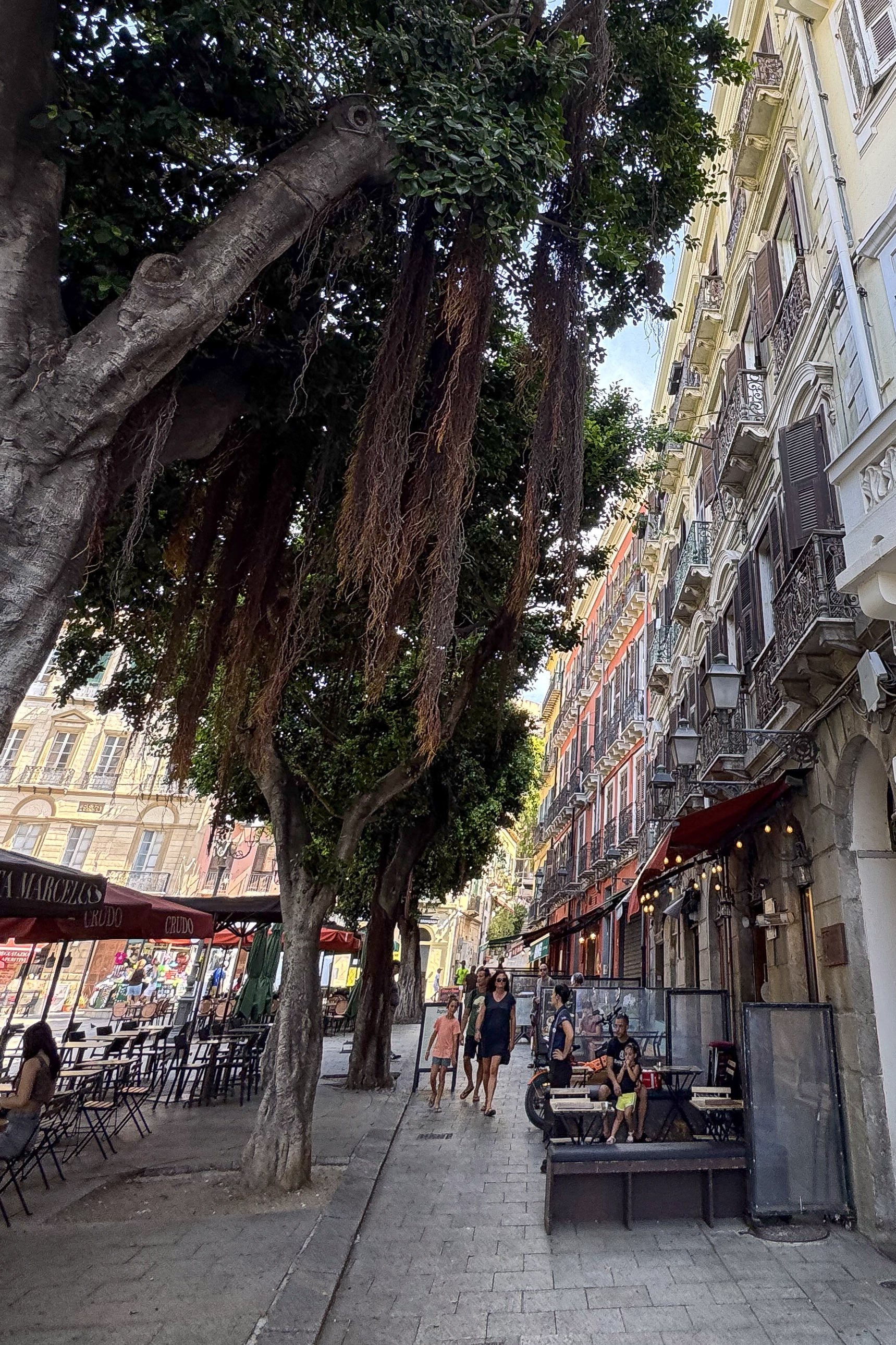
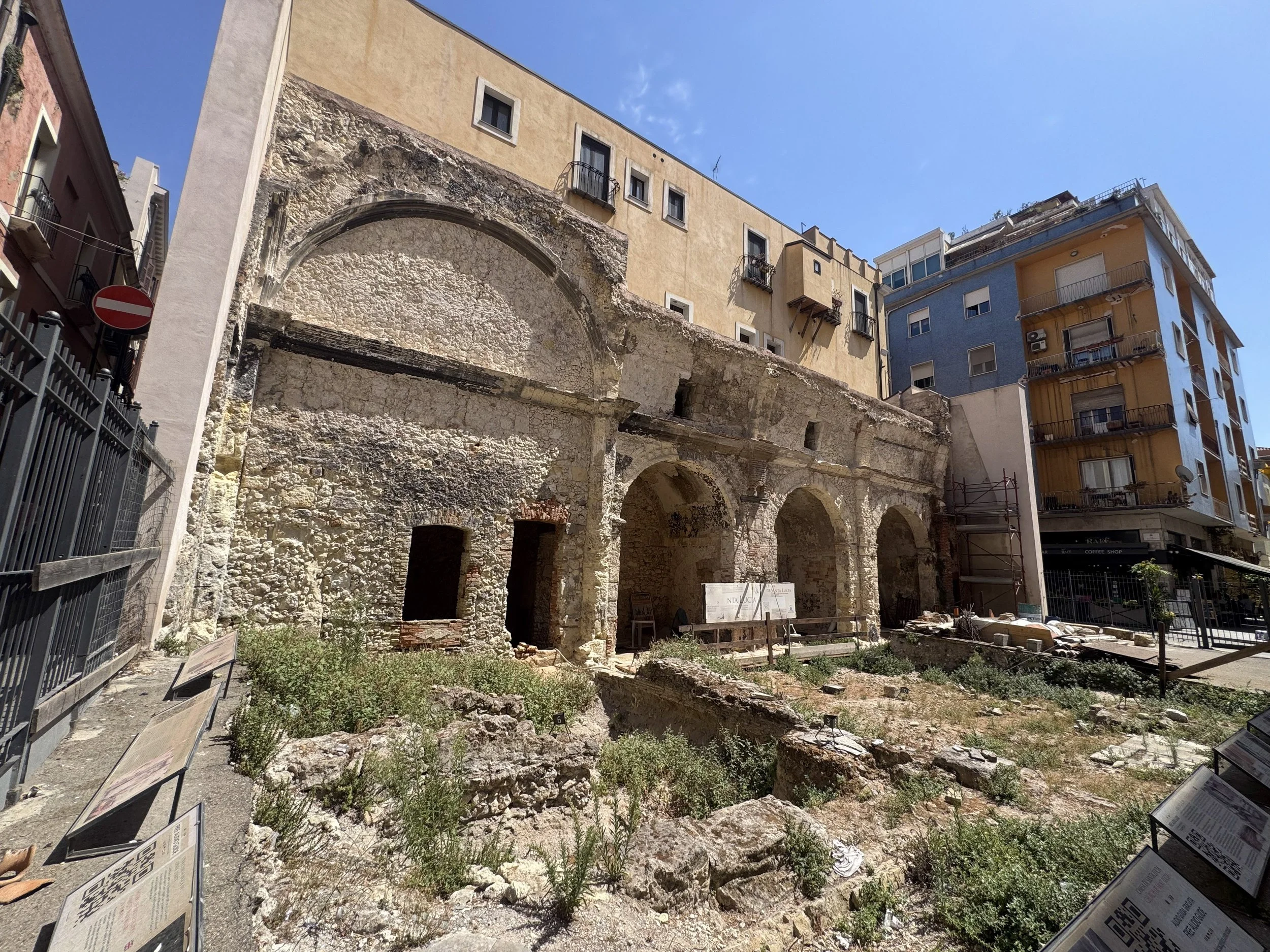
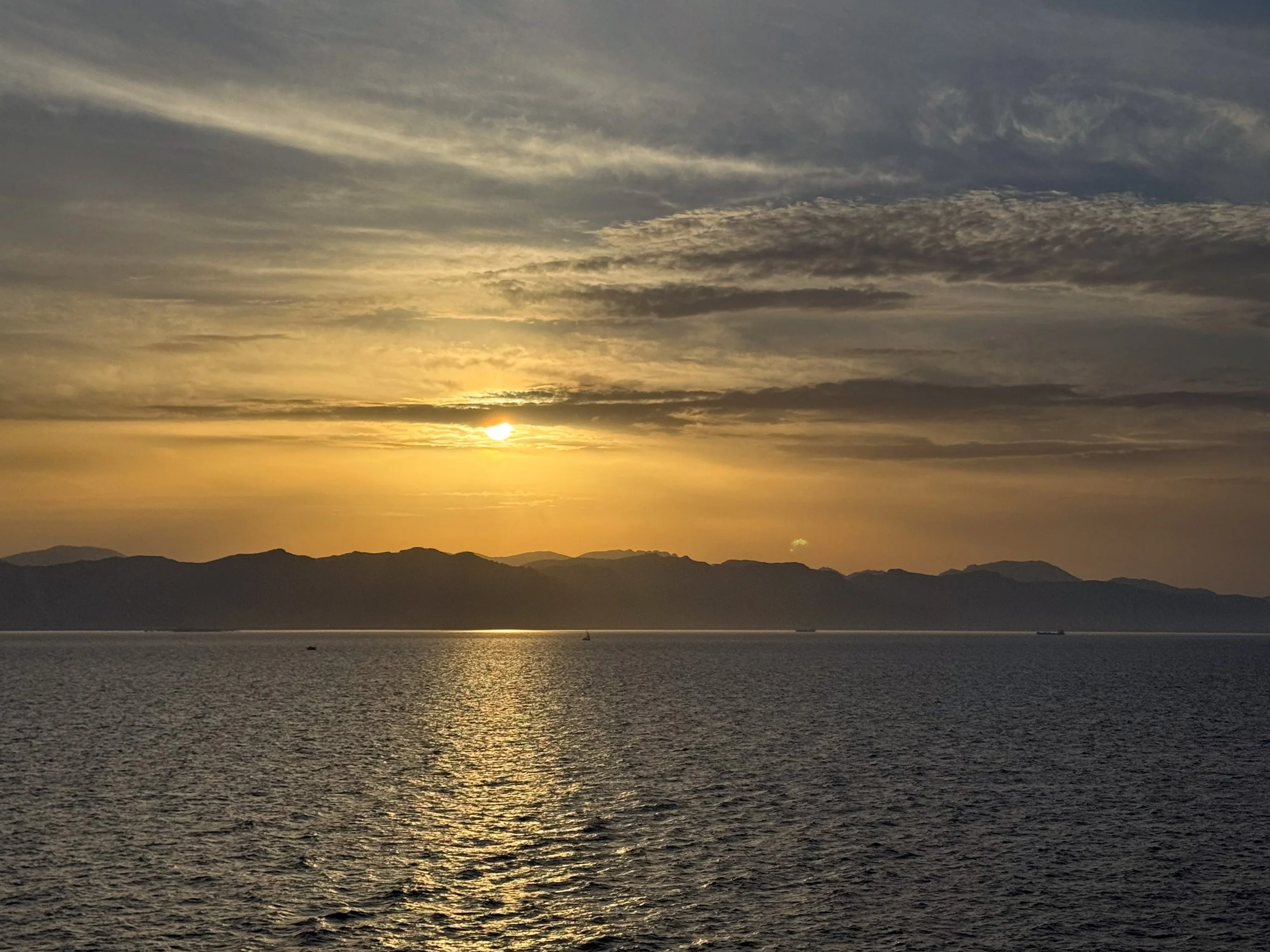
The town itself was absolutely wonderful, but by the end of the trek, our feet were vibrating and we were utterly exhausted. We were more than happy to retreat to the safety of the Mothership, cocktail in hand, to prepare for another spectacular sunset departure.